Start a whole house retrofit in the UK by assessing the building fabric and completing airtightness and ventilation upgrades before installing heating and renewables. This sequence maximises grant eligibility and energy savings while minimising rework.
On this page
- Quick recap
- Correct sequence of retrofit measures
- How UK grants and funding schemes fit into the retrofit order
- Why fabric and ventilation upgrades must precede heating system changes
- The impact of retrofit sequencing on EPC ratings and energy savings
- Planning a staged retrofit that balances cost, disruption, and savings
- Whole house retrofit plan UK in the right order
- Quick questions
Part of our guide on staged home retrofit
Quick facts
- Typical retrofit savings
- 20-50% energy
- Airtightness target
- <5 m³/h/m² at 50 Pa
- EPC rating gain
- 1-3 bands uplift
- ECO4 funding
- Fabric + heating priority
- Typical retrofit duration
- 3-12 months
Quick recap
- Begin with energy assessment and fabric improvements
- Install airtightness and ventilation next to avoid moisture issues
- Upgrade heating and renewables last after fabric is sealed
- Follow grant rules and ECO4 for funding eligibility
- Correct sequencing improves EPC and reduces overall cost
Correct sequence of retrofit measures
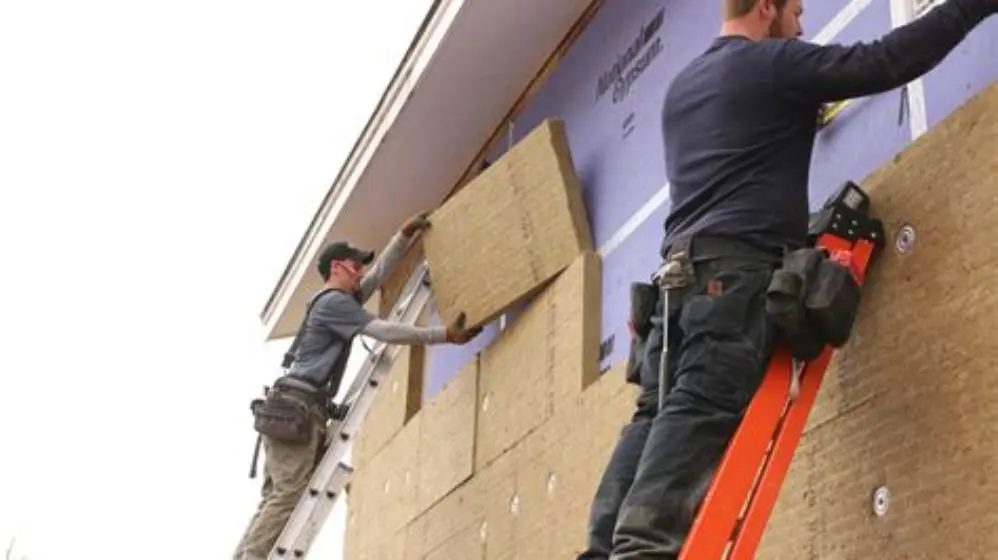
A whole house retrofit’s success depends on following a carefully planned sequence of measures. Begin with an energy assessment including an EPC and heat loss calculation. This establishes a baseline and identifies the weakest parts of the building fabric such as walls, roof, floors, and windows. Insulating these areas first yields the largest energy savings and makes subsequent steps more effective.
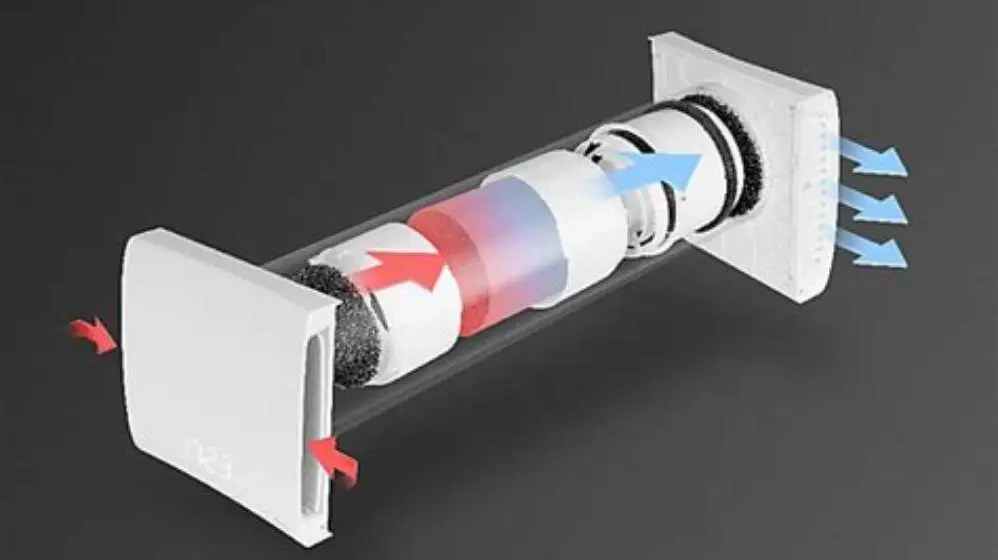
Next is addressing airtightness and ventilation. UK retrofit standards aim for airtightness under 5 m³/h/m² at 50 Pa to control heat loss. However, sealing the home without providing adequate ventilation risks condensation and mould. Mechanical Ventilation with Heat Recovery (MVHR) or continuous extract fans must be installed after airtightness improvements to maintain indoor air quality.
Only after the building fabric is improved and airtightness plus ventilation are sorted should heating systems be upgraded. Installing heat pumps or new boilers before sealing the fabric wastes energy and reduces system efficiency. Renewable technologies like solar PV and batteries come last, as their sizing depends on actual energy demand.
Ignoring this sequence can lead to costly rework. For example, installing a heat pump before insulation causes oversized systems and higher bills. Sealing after heating installation may require system adjustment or replacement. People in this spot often ask about heat recovery extract fan retrofit as well.
Understanding why each step precedes another helps balance disruption and maximise energy savings. This order also aligns with UK grants and schemes designed to encourage fabric first upgrades.

Minneapolis Blower Doors DUCT-KIT-001 Duct Blaster® System (with DG-1000)
Handles airtightness testing with an air flow measurement range of 10-1,500 CFM, suitable for verifying air leakage below 5 m³/h/m² at 50 Pa.
How UK grants and funding schemes fit into the retrofit order
UK schemes like ECO4, the Boiler Upgrade Scheme, and the Warm Homes Plan prioritise fabric improvements before heating upgrades. Grants typically require a minimum improvement to insulation or airtightness before funding a heat pump or boiler replacement.
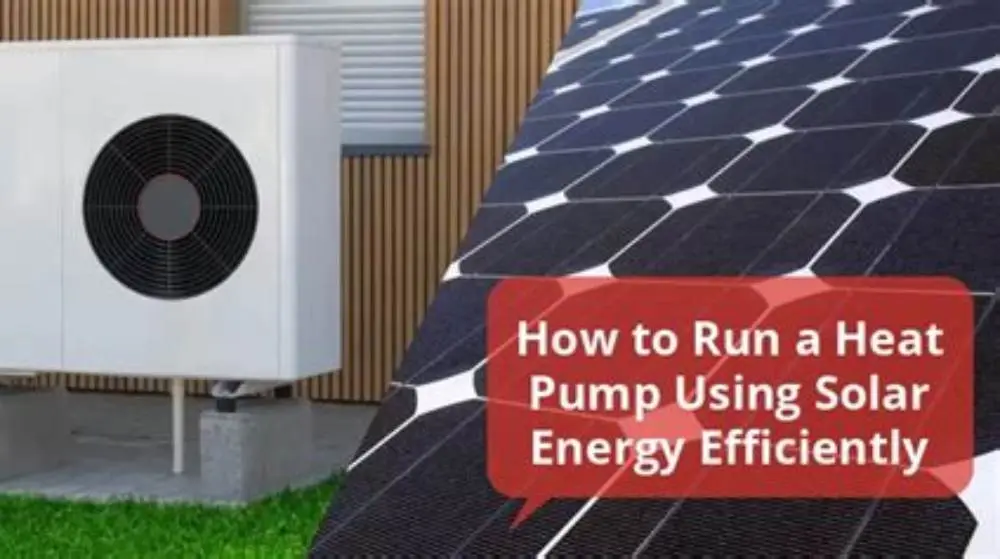
For example, ECO4 often demands wall or loft insulation is installed before subsidising heating systems. This is to ensure cost-effective emissions reductions and prevent inefficient system sizing. People in this spot often ask about can you run a heat pump on solar as well.
Timing retrofit steps to coincide with available grants maximises financial support. Delaying fabric measures risks missing funding windows or qualifying for lower amounts.
Combining schemes like ECO4 with the Boiler Upgrade Scheme requires careful sequencing: start with fabric improvements under ECO4, then apply Boiler Upgrade funding for heating once insulation targets are met.
Failing to follow grant conditions can result in ineligible claims and wasted investment. For the best outcome, plan your retrofit stages around current funding requirements and keep documentation to prove compliance. People in this spot often ask about materials and labour for eco homes as well.
Some UK grants specify that fabric improvements must achieve particular U-values before heating upgrades are funded. For instance, walls might need to reach U-values below 0.30 W/m²K and roof insulation to at least 0.16 W/m²K. Meeting these thresholds first ensures the heating system is right-sized and efficient.
Grant eligibility often requires detailed pre- and post-retrofit energy assessments and airtightness tests to verify work quality. This means scheduling assessments around work stages is critical to avoid delays in funding approval.
In some cases, combining funding schemes requires careful sequencing. For example, ECO4 might fund fabric upgrades, but the Boiler Upgrade Scheme only releases funds once ECO4 measures are certified complete. Overlapping timelines need careful management to prevent funding gaps. The other half of this decision is what is a hvac retrofit.
Why fabric and ventilation upgrades must precede heating system changes
The fabric controls how much heat escapes. Insulating walls, roofs, floors, and installing draught-proofing reduces heat loss by 20-50% depending on the starting condition. Airtightness upgrades prevent uncontrolled drafts but can trap moisture if ventilation isn’t adequate.
Good ventilation prevents condensation and mould, protecting health and the building structure. After airtightness is improved, mechanical ventilation ensures fresh air without wasting heat. This is crucial when the home is sealed tightly.
Heating system efficiency depends on stable internal temperatures. Installing a heat pump in a cold, leaky property causes it to run constantly and fail to deliver savings. Heating equipment must be sized after the fabric improvements are complete, based on the lower heat demand. For the detail, see our notes on how insulation affects moisture in walls.
Skipping or reversing this order increases fuel bills and maintenance costs. It also reduces the EPC rating gain achievable, as fabric improvements drive rating increases more than heating alone.
The investment pays off only if the fabric is addressed first and ventilation matches airtightness. This sequence balances upfront costs, disruption, and long-term benefits.
The impact of retrofit sequencing on EPC ratings and energy savings
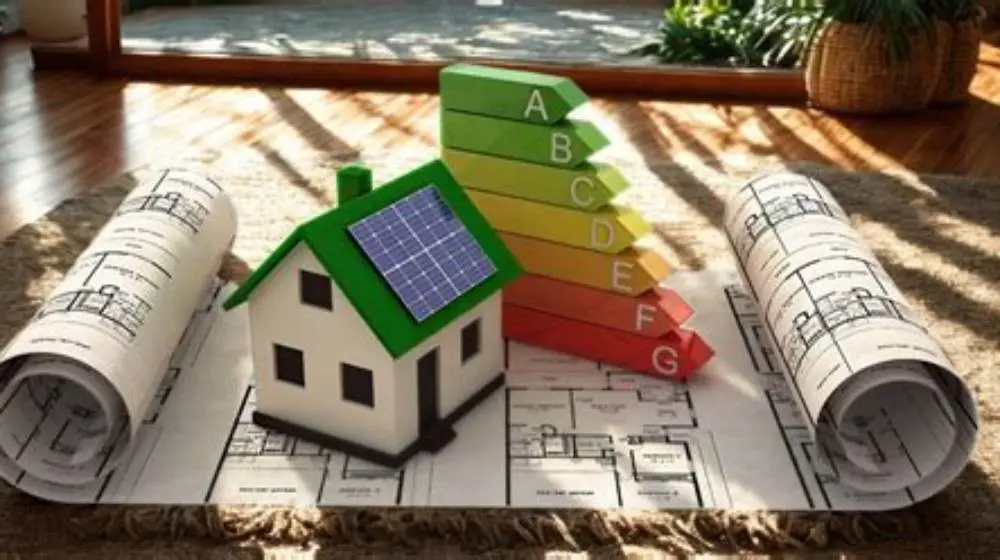
EPC ratings in the UK reflect a home’s energy efficiency and carbon emissions. Whole house retrofits can improve EPC bands by 1 to 3 steps, depending on the initial condition and measures installed.
Upgrading insulation and airtightness typically yields the largest EPC score increases. Heating system changes contribute, but only after the building fabric significantly reduces heat loss.
Energy savings depend on the heat retained inside. Retrofit sequencing that installs heating upgrades first often results in only 10-15% savings, compared to 30-50% when starting with fabric measures.
Incorrect sequencing can cause the home to fail EPC requirements for certain grants or mortgages. Repeated assessments may be needed, increasing administrative costs and delaying benefits.
Optimising the sequence delivers the highest energy and cost savings while improving comfort and health.
EPC improvements from whole house retrofits can range widely. A poorly insulated Victorian terrace might start with an EPC band E and reach band C or B after fabric and heating upgrades, while a 1960s semi-detached could improve from band D to band B.
Energy savings also vary. A typical retrofit targeting walls, roof, and windows can save around 35-45% on heating costs. Installing heating systems first, however, might yield only 10-20% savings because of ongoing heat loss.
A practical check is to compare pre- and post-retrofit EPC certificates and fuel bills after one heating season. Significant discrepancies between expected and actual savings often indicate incorrect sequencing or incomplete fabric work.
Planning a staged retrofit that balances cost, disruption, and savings
Whole house retrofits are costly and disruptive. Staging the work helps spread costs and reduces inconvenience. Start with quick, high-impact fabric improvements like loft insulation and draught-proofing before moving to walls and floors.
Next, plan airtightness upgrades and install ventilation systems. This stage may involve some rewiring or pipework adjustments, so coordinate with heating contractors who come last.
Replace heating systems and add renewables once the home fabric is stable. This reduces system sizing and installation complexity.
Each stage can qualify for different grants, easing cash flow. Plan to complete each stage within funding deadlines, and retain proof of work to claim grants.
Delays between stages can cause thermal bridging and moisture risks if the fabric is left partly upgraded. Keep the timeline as tight as possible while managing disruption.
- Complete detailed energy assessment and EPC
- Install loft and cavity wall insulation
- Upgrade windows and doors for airtightness
- Add mechanical ventilation with heat recovery
- Replace boiler or install heat pump
- Add solar PV and battery storage if desired
Whole house retrofit plan UK in the right order
The proven sequence to follow for a whole house retrofit plan UK is: 1) assessment and design; 2) fabric upgrades including insulation and window improvements; 3) airtightness measures combined with ventilation installation; 4) heating system replacement or upgrade; 5) renewable energy installation.
This order aligns with UK regulations and optimises eligibility for ECO4 and Boiler Upgrade Scheme grants. It protects the building fabric from moisture damage and maximises EPC rating improvements.
Each stage builds on the last. Fabric upgrades reduce heat demand, airtightness controls loss, ventilation maintains health, and heating systems operate efficiently with smaller loads.
Following this plan reduces the chance of costly rework and delivers the highest possible energy bill savings and carbon reductions.
Plan your retrofit with a qualified energy assessor or retrofit coordinator familiar with UK schemes. This ensures funding compliance and correct sequencing tailored to your home’s specifics.
| Stage | Typical Energy Savings | EPC Impact | Grant Priority | Order Importance |
|---|---|---|---|---|
| Fabric insulation | 20-40% | High | ECO4 top priority | 1 |
| Airtightness & ventilation | 10-15% | Medium | ECO4 required | 2 |
| Heating system upgrade | 10-20% | Medium | Boiler Upgrade Scheme | 3 |
| Renewables installation | variable | Low-medium | Varies | 4 |
Quick questions
Can I install a heat pump before insulating my home?
Installing a heat pump before improving insulation often results in oversized systems that run inefficiently, leading to higher energy bills and reduced grant eligibility. Always upgrade fabric first to reduce heat demand.
How does ventilation fit into a retrofit plan?
Ventilation must be installed after airtightness improvements to prevent moisture buildup and maintain good indoor air quality. MVHR systems are common in UK retrofits for this reason.
What grants cover fabric improvements in the UK?
ECO4 is the main scheme funding insulation, windows, and airtightness measures. The Boiler Upgrade Scheme supports heating upgrades once fabric improvements meet minimum standards.
How long does a whole house retrofit typically take?
Depending on home size and scope, a retrofit can last from 3 to 12 months. Staging the work helps manage disruption and funding deadlines.
Will a staged retrofit still improve my EPC rating significantly?
Yes, if the fabric upgrades are prioritised and completed properly first. The EPC rating reflects the whole home's performance, improving with each completed stage.