A heat pump retrofit in London usually costs between £8,000 and £15,000 depending on home size and system type. Finding qualified installers and checking your home's insulation and radiator compatibility are essential for success.
On this page
- Quick recap
- Typical installation costs for heat pump retrofit in London
- Finding qualified heat pump installers in London
- Checking home suitability for a heat pump retrofit
- Local steps and regulations for heat pump retrofit in London
- Planning a staged heat pump retrofit to balance cost, disruption, and savings
- Heat pump retrofit in London: costs, installer tips, and home checks
- Quick questions
Part of our guide on cost-effective retrofit strategies
Quick facts
- Typical cost
- £8,000-£15,000
- Installer certification
- MCS required
- Heat pump lifespan
- 15-20 years
- Average COP
- 3-4
- Planning permission
- Usually not needed
- Borough variation
- Yes
Quick recap
- Heat pump retrofit costs range £8,000-£15,000 in London depending on home specifics
- Qualified MCS-certified installers are key and often booked months ahead
- Homes need good insulation and radiator upgrades for efficient heat pump use
- Local planning and building regs usually apply but vary by borough
- A staged retrofit helps balance cost, disruption, and savings over time
Typical installation costs for heat pump retrofit in London
Heat pump retrofits in London typically cost between £8,000 and £15,000, depending on home size, heat pump type, and installation complexity. Detached homes with larger heating demands or needed radiator upgrades push toward the higher end. Smaller flats with existing suitable systems or fabric efficiency cost less.
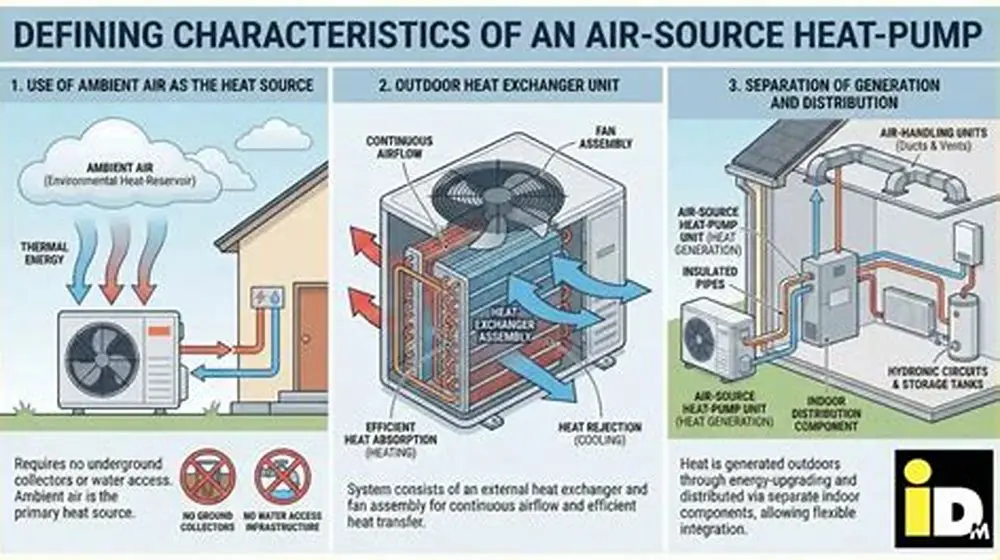
This range depends heavily on whether your home needs substantial radiator replacements or insulation improvements, which can add several thousands to the bill. Air source heat pumps (ASHP) generally cost less than ground source heat pumps (GSHP), which require extensive groundworks.
The cost also varies with installer rates, which in London tend to be higher due to labor and permit requirements. Expect to pay more if your property has tricky access or if you opt for system features like integrated hot water tanks or smart controls.
- Air source pumps: £8,000-£12,000 typical
- Ground source pumps: £12,000-£20,000, depending on groundworks
- Radiator upgrades: £1,000-£4,000 additional
- Insulation improvements: costs vary, but highly recommended for efficiency
Finding qualified heat pump installers in London
Only installers certified under the Microgeneration Certification Scheme (MCS) are trusted and often required to access government grants. London has fewer MCS-certified installers per capita than some regions, so plan ahead to book a slot, sometimes months in advance. We go through staged heat pump upgrade strategies step by step elsewhere on the site.
Look for installers experienced in London homes, as urban properties often face specific constraints like limited outdoor space or noise restrictions. Checking installer portfolios and reviews is crucial to avoid common retrofit pitfalls such as undersized systems or poor controls integration.
Local installer directories, MCS listings, and trade associations offer starting points. A careful installer will perform an on-site heat loss calculation and discuss your home's fabric, radiator sizes, and hot water needs before quoting. These details affect system sizing and cost.
- MCS certification: mandatory for quality and grants
- Book installers several months ahead in London
- Verify experience with London housing types
- Request heat loss assessment before quote
Checking home suitability for a heat pump retrofit
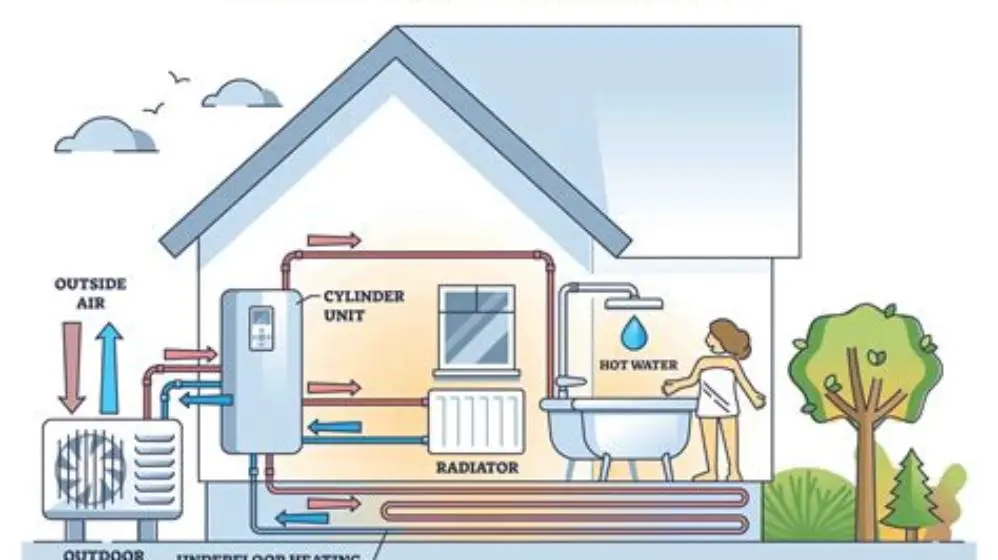
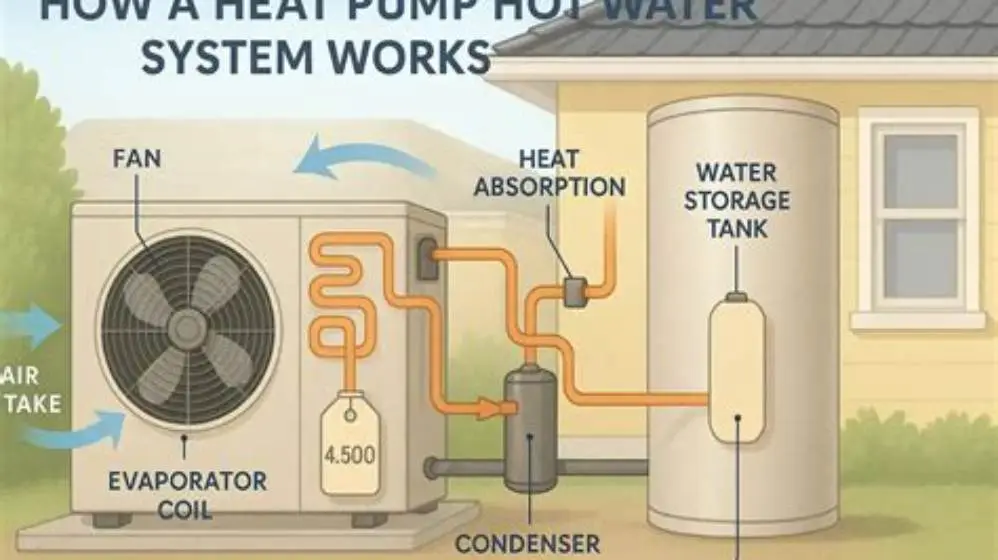
Heat pumps work best in well-insulated homes with low-temperature heating systems. London homes built before 2000 often have solid walls and outdated radiators, which may need upgrade to larger surface radiators or underfloor heating for efficient heat delivery at 35-45°C flow temperature. We go through how hot water heat pump functions step by step elsewhere on the site.
First, assess your home's insulation levels, especially walls, loft, and windows. Poor insulation can blow your savings because the heat pump must run longer and harder. You can use an infrared thermometer to check surface temperatures or hire an energy assessor for a full survey.
Second, evaluate your current radiator sizes and flow temperatures. Most heat pumps require flow temperatures around 35-45°C, significantly lower than the 60-70°C typical for boilers. Radiators sized for higher temperatures usually need to be replaced or supplemented to maintain comfort.
If your home fails these checks, retrofit insulation and radiator upgrades are necessary before or alongside the heat pump installation, increasing cost and disruption but ensuring long-term savings. People in this spot often ask about uk eco home build costs as well.
- Good insulation needed to avoid excess running costs
- Radiators may need expanding or replacement
- Flow temperature for heat pumps is 35-45°C versus 60-70°C for boilers
- Energy performance check advises retrofit measures
Local steps and regulations for heat pump retrofit in London
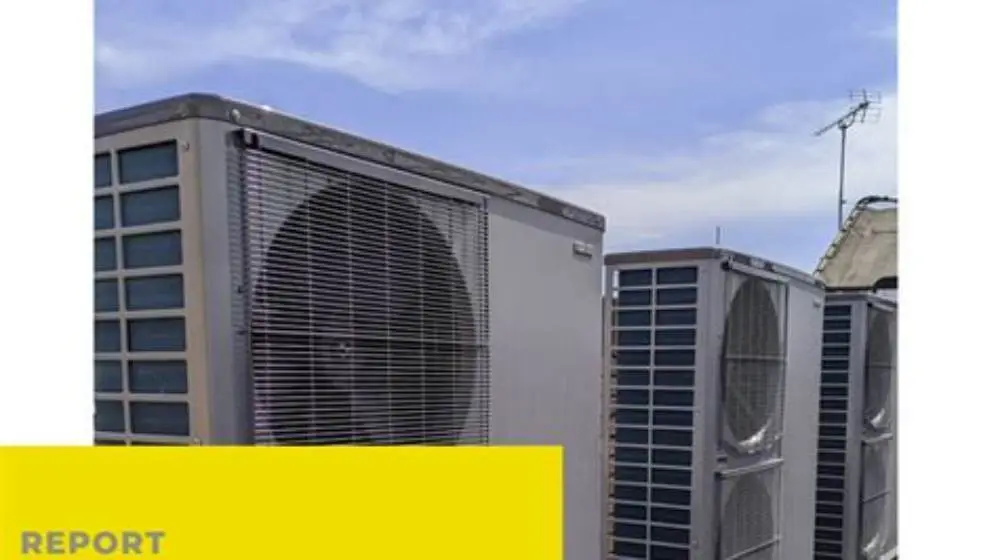
Planning permission is usually not required for heat pump retrofits in London, especially for air source heat pumps mounted on existing walls or in gardens. However, some boroughs require consultations or have noise restrictions, especially in conservation areas or listed buildings.
Building regulations approvals often apply. You or your installer must ensure compliance with Part L for energy efficiency and Part F for ventilation. This includes proper insulation, controls, and system commissioning paperwork.
You should notify your borough council if external pipework or equipment affects the street facade or might impact neighbours. Some cases require formal permits or environmental assessments, so always check your local authority's rules early. We go through short cycling at low load step by step elsewhere on the site.
Government schemes like the Boiler Upgrade Scheme offer grants covering £5,000 for heat pump installations, conditional on MCS certification and meeting efficiency criteria. These can reduce upfront costs but require compliance with eligibility rules.
- Planning permission usually not needed but varies by borough
- Building regs Part L and F apply
- Notify council for external equipment changes
- Boiler Upgrade Scheme grants available for qualifying installs
Planning a staged heat pump retrofit to balance cost, disruption, and savings
A staged retrofit spreads costs and disruption, tackling insulation, controls, and heating system changes over months or years. This approach suits London homeowners who cannot afford or tolerate a full retrofit at once.
First, improve insulation to reduce heat loss, focusing on lofts and walls. Next, upgrade heating controls and thermostats to enhance comfort and reduce waste. Install the heat pump and make radiator or underfloor heating adjustments.
Each stage improves home performance and reduces the heat pump size needed at installation, lowering system cost. A plan helps to access grants in stages and manage contractor bookings more flexibly.
Keep in close contact with your installer and local authority to coordinate necessary approvals and avoid cost overruns or repeated works.
- Improve loft and wall insulation first
- Upgrade heating controls and thermostats second
- Install heat pump and upgrade radiators last
- Coordinate with installer and council throughout
Heat pump retrofit in London: costs, installer tips, and home checks
Retrofitting a heat pump in London demands balancing installation costs, finding qualified installers, and confirming your home’s suitability. Costs can vary widely, so obtain multiple quotes and understand what each covers.
Ask installers for detailed heat loss reports and system sizing explanations. A good installer will tailor advice to your home's fabric type, size, and existing heating. This ensures the heat pump works efficiently and saves energy.
Check your local borough for specific planning or noise regulations that might affect the installation type or location. Early engagement avoids costly changes later.
By combining these factors with a staged retrofit plan, you can make the transition to a low-carbon heating system affordable and manageable in London’s housing context.
Quick questions
Can I install a heat pump without upgrading insulation?
You can, but poor insulation means your heat pump will run inefficiently and cost more to operate. Upgrading insulation first improves performance and payback.
How long does a heat pump last in London homes?
Typically between 15 and 20 years. Regular maintenance and correct sizing can extend lifespan and efficiency.
Do I need planning permission for a heat pump in London?
Usually not, but it depends on your borough and property status. Always check local regulations, especially in conservation areas.
What certification should installers have?
Installers should hold Microgeneration Certification Scheme (MCS) accreditation to ensure quality and eligibility for government incentives.
Is a ground source heat pump better than air source in London?
Ground source pumps are more efficient but cost more and require more space. Air source is easier and cheaper for most London homes.