Most 100mm inline extractor fans accept washable mesh filters designed to fit their duct size. These filters mildly reduce airflow by about 5-10%, depending on mesh density. Regular cleaning every 3-6 months maintains performance and indoor air quality.
On this page
- Quick recap
- Which 100mm inline extractor fans accept washable mesh filters
- Compatibility of washable mesh filters with inline extractor fans
- Replacement extractor fan filters that fit 100mm
- Effect of washable mesh filters on airflow in 100mm inline fans
- Maintenance tips for washable mesh filters in inline extractor fans
- Extractor fan inline with washable mesh filter: which fits and how to replace
- Quick questions
Part of our guide on maintaining indoor air quality
Quick facts
- Fan size
- 100mm diameter
- Airflow reduction
- 5-10% typical
- Filter cleaning interval
- 3-6 months
- Filter fit types
- snap-in or clip-on
- Filter lifespan
- 1-3 years washable
Quick recap
- Washable mesh filters fit most 100mm inline fans with the right size.
- Filters reduce airflow about 5-10%, depending on mesh thickness.
- Replace or clean filters every 3-6 months to avoid airflow loss.
- Confirm fan model supports mesh filter installation before buying.
- Proper filter use helps keep ventilation effective and homes healthy.
Which 100mm inline extractor fans accept washable mesh filters
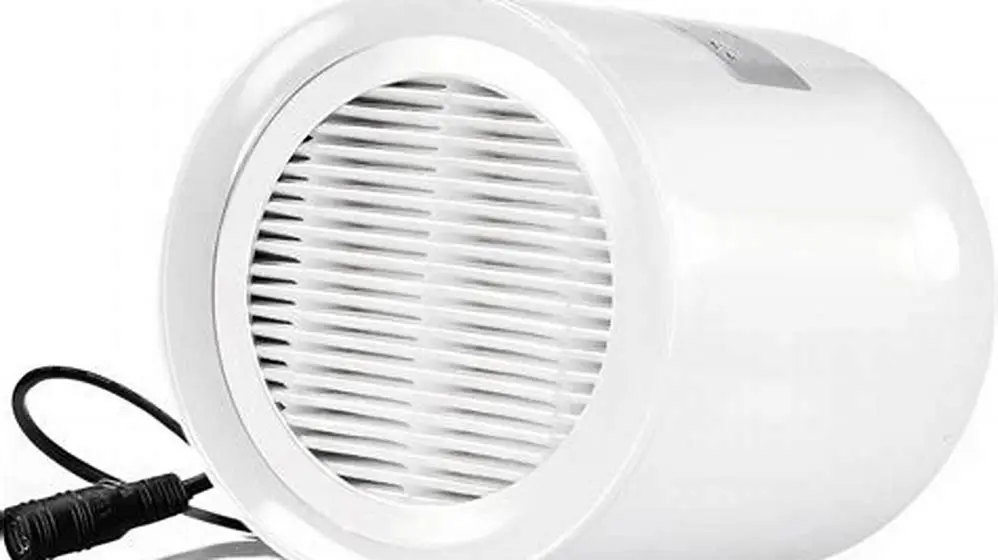
Most 100mm inline extractor fans on the UK market accept washable mesh filters designed specifically for that diameter. These filters usually clip or snap into a designated filter holder near the fan’s intake or exhaust. You must check the manufacturer’s manual or model number to see if it supports a washable mesh filter option. Not all inline fans include built-in filter slots; some require aftermarket adapters or modifications to fit filters securely.
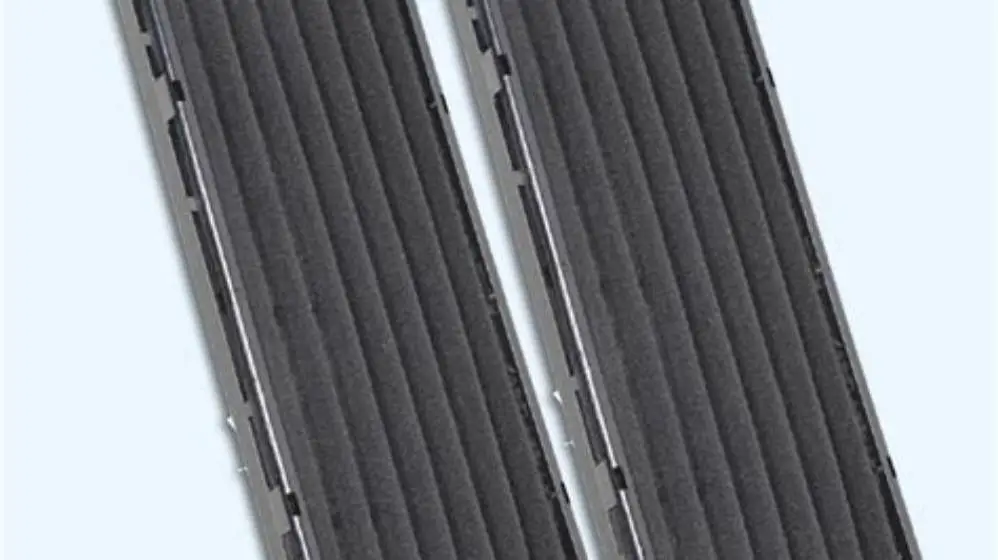
Common brands provide dedicated washable mesh filters made from nylon or polyester mesh, measuring close to 100mm in diameter to fit inside or over the fan housing. If the fan has a circular duct connection, the filter typically fits inside a removable grille or housing cover. Inline fans without filter options may degrade indoor air quality over time unless alternative filtration is added to the ventilation system.
Compatibility of washable mesh filters with inline extractor fans
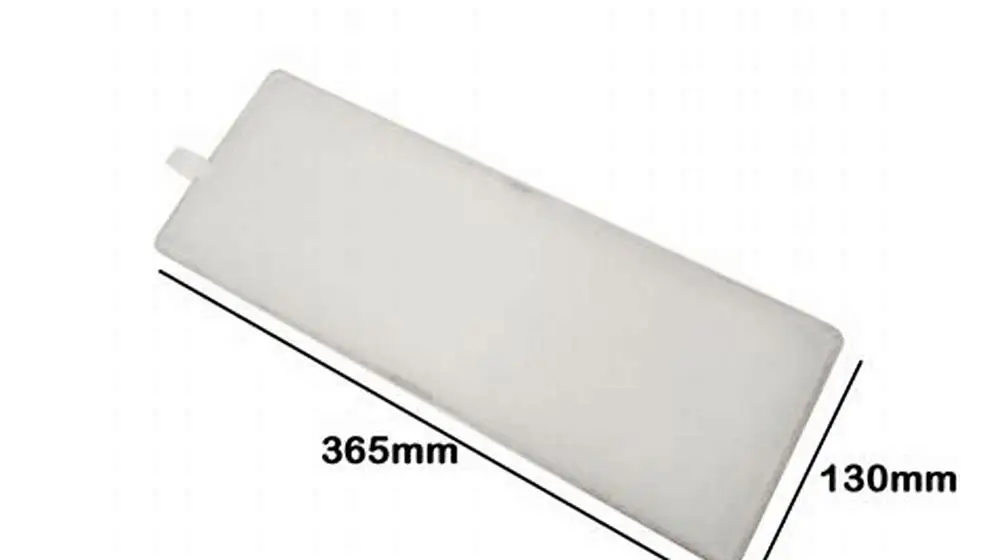
Washable mesh filters must match the duct diameter and the fan’s filter holder design to ensure compatibility. For 100mm fans, filters generally have a diameter of 95-100mm and a frame thickness that fits snugly without gaps. If a filter is too thick or loose, it can cause vibrations or fall out, risking damage and airflow inefficiency.
The filter frame material (usually plastic or metal) must resist humidity and cleaning solvents. Mesh density also matters: finer mesh traps smaller particles but restricts airflow more. A balance between filtration efficiency and airflow drop is key. Inline fans with higher motor capacity cope better with denser filters, while low-powered fans might struggle, causing noise or reduced extraction. If that sounds like your situation, read up on vent axia filters cost and advice next.
Some washable filters come with magnetic frames or elastic edges for easy fitting. These options enhance compatibility and maintenance convenience but must still fit the exact duct diameter.
| Feature | Impact on Compatibility | Effect on Airflow |
|---|---|---|
| Mesh diameter | Must match 100mm duct +/-2mm | No impact if fit correct |
| Frame thickness | Must fit filter slot snugly | Thicker frame may reduce airflow |
| Mesh density | Higher density traps finer dust | Increases resistance, reducing flow 5-10% |
| Attachment method | Snap-in, clip, magnetic | No direct airflow effect |
Replacement extractor fan filters that fit 100mm
For replacing washable mesh filters for 100mm fans, buying filters designed for inline or ceiling extraction fans usually fits best. Generic 100mm mesh filters are widely available but may vary in frame design and mesh quality. Opt for filters with a frame designed for inline fans rather than universal fits used for window or box fans.
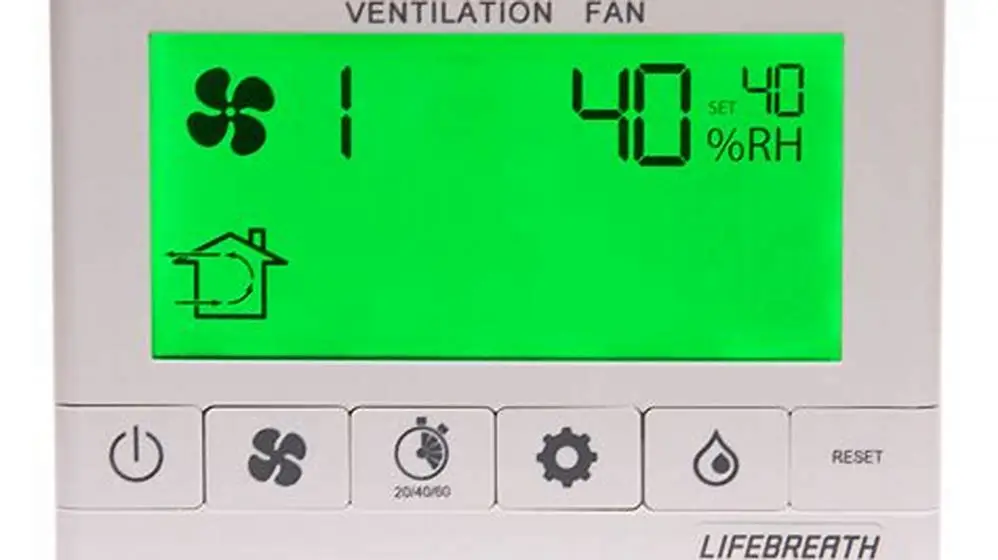
Replacement filters typically cost between £8-£20 depending on brand and mesh quality. A good washable filter lasts about 1 to 3 years depending on cleaning frequency and environmental dust levels. Replacement intervals mainly depend on the filter material's integrity; if mesh starts to tear or frame warps, it's time to replace it. If that sounds like your situation, read up on operating lifebreath ventilation fan next.
To ensure you have the correct filter, note your fan’s brand and model number and search for compatible washable filters online or at specialist ventilation retailers. Some manufacturers offer branded replacement filters matching their fans exactly.
Effect of washable mesh filters on airflow in 100mm inline fans
Installing a washable mesh filter in a 100mm inline extractor fan typically reduces airflow by about 5-10%. This reduction depends largely on mesh density, frame thickness, and how often the filter is cleaned. A dirty or clogged filter can reduce airflow by 20% or more, impacting ventilation effectiveness.
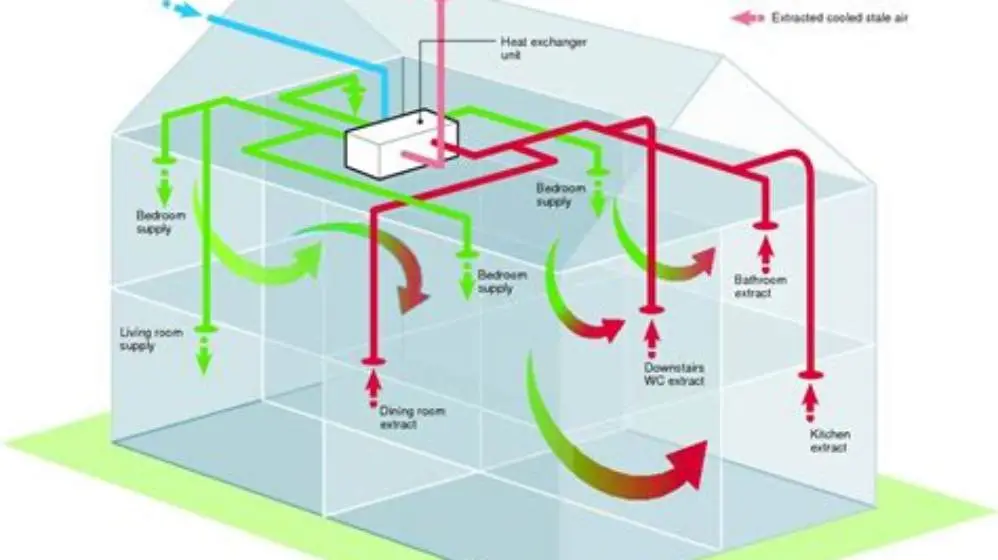
The airflow drop means the fan motor works harder to maintain extraction rates, which can increase electricity usage and noise slightly. If the fan is undersized or installed in a long or complex duct system, the airflow reduction can significantly affect humidity and odour control, risking damp and mould growth. We go through fan failing to remove shower steam step by step elsewhere on the site.
Choose a filter with medium mesh density for balanced airflow and filtration, especially in kitchens and bathrooms where grease and dust are common. Regular cleaning helps maintain performance close to the fan’s rated airflow.
| Filter Type | Mesh Density | Typical Airflow Reduction | Cleaning Frequency |
|---|---|---|---|
| Standard washable mesh | Medium | 5-10% | Every 3-6 months |
| Fine mesh | High | 10-15% | Every 1-3 months |
| Coarse mesh | Low | 2-5% | Every 6-12 months |
Maintenance tips for washable mesh filters in inline extractor fans
Cleaning washable mesh filters every 3-6 months is essential to maintain airflow and indoor air quality. Remove the filter following the fan’s guide, then rinse under warm water. Avoid harsh detergents that degrade mesh fibers. For greasy or dusty filters, soak in mild soapy water before rinsing thoroughly.
After washing, let the filter dry completely before reinstalling to prevent moisture buildup in the duct. Inspect the filter for tears or frame damage during cleaning. Replace the filter if it loses shape or the mesh deteriorates. People in this spot often ask about how they keep air clean as well.
Proper installation is crucial: ensure the filter clips or snaps into place without gaps. Check the fan and duct for dust buildup regularly. A clean filter reduces dust and allergens passing into the home while helping the fan run efficiently, saving energy and supporting a healthy, airtight home environment.
- Switch off power to the fan to ensure safety.
- Remove the fan grille or housing cover holding the filter.
- Carefully take out the mesh filter to avoid damage.
- Rinse filter under warm water, soak in mild soap if greasy.
- Dry filter completely before replacing it in the fan.
- Secure filter firmly to prevent airflow leaks or vibrations.
Extractor fan inline with washable mesh filter: which fits and how to replace
When searching for a washable mesh filter to fit your 100mm inline extractor fan, confirm the fan’s duct diameter and filter holder type first. Most 100mm fans accept standard circular mesh filters around 95-100mm diameter with plastic clip or snap frames.
Replacing the filter involves removing the fan grille or cover, sliding out the old mesh, and fitting the new or cleaned filter securely in place. Incorrect size or frame can cause vibration noise or poor sealing, reducing air extraction. Always check the manufacturer’s guidance or measure the existing filter carefully before purchase. There is more on whole house fan noisy only on boost speed in a separate guide.
Proper replacement and maintenance of washable mesh filters help keep your home’s ventilation effective. This reduces damp risks while keeping your home airtight and energy-efficient, qualifying it for better EPC ratings and compliance with UK building standards.
Quick questions
Can all 100mm inline extractor fans use washable mesh filters?
No, only those with designated filter holders or compatible fittings accept washable mesh filters. Check the fan’s manual or model specifications to confirm.
How much does a washable mesh filter reduce airflow generally?
Typically, washable mesh filters reduce airflow by around 5-10%, depending on mesh thickness and cleanliness.
How often should I clean my washable mesh filter?
Clean the filter every 3-6 months to prevent airflow reduction and maintain good indoor air quality.
What happens if I don’t use a filter in an inline extractor fan?
Without a filter, dust and grease accumulate in the fan and ducts faster, reducing fan lifespan and indoor air quality.
Can I fit a washable mesh filter if my fan doesn’t have a filter slot?
Usually no. You’d need a compatible fan or an aftermarket adapter; otherwise, the filter won’t be secure or effective.