Bathroom fans often fail to clear shower steam due to blocked airflow or short runtime; two quick checks can identify the problem.
Bathroom fans that leave steam after showers often run too briefly or face airflow blockages like clogged ducts or wrong size fans. Testing fan runtime and airflow flow rate reveals if steam removal is inadequate.
On this page
- The short version
- Why bathroom extractor fans fail to remove steam after showering
- How to test if fan runtime is too short for steam removal
- What airflow or installation issues cause poor steam extraction
- Bathroom fan not removing steam after shower: 2 checks that pinpoint the cause
- When to call a pro for bathroom fan steam removal problems
- How to maintain bathroom fans to prevent steam problems
- Questions people still ask
Part of our guide on how does an mvhr unit work
Two straightforward tests reveal why your bathroom fan fails to clear shower steam and what you can do about it.
| Recommended runtime | 20-30 minutes |
|---|---|
| Typical airflow | 15-30 litres/sec |
| Duct bends limit | More than 2 reduces airflow |
| Fan size depends on | Bathroom volume |
| Airflow test | Tissue or smoke |
| Common fault | Blocked or insulated duct |
The short version
- Most fans need at least 20 minutes running after shower for full steam clearing
- Check fan airflow with a simple smoke or tissue test to spot blockages
- Duct length or bends often cut fan effectiveness drastically
- Wrong fan size fails to match bathroom volume and steam load
- Timer controls or humidistats improve post-shower ventilation efficiency
Why bathroom extractor fans fail to remove steam after showering
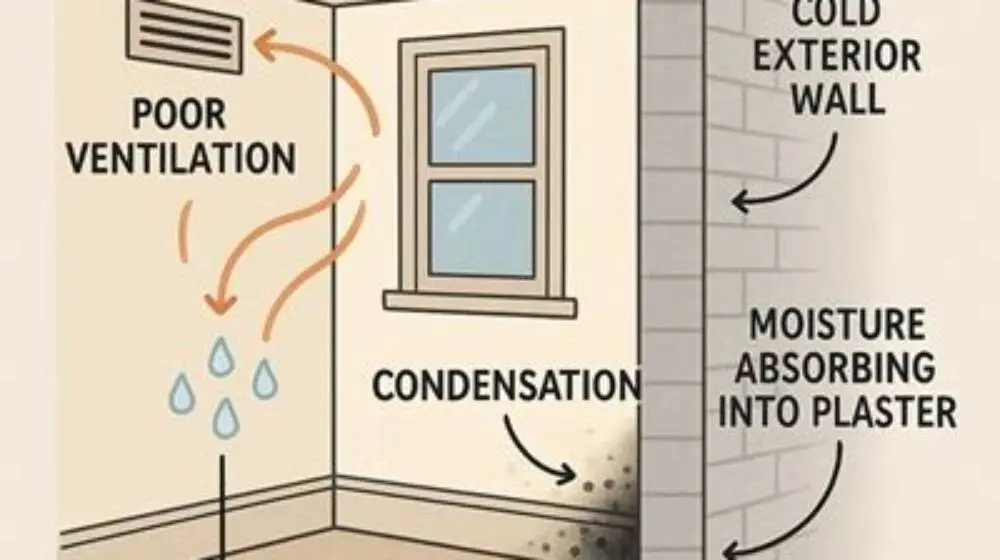
Bathroom fans often fail to clear shower steam because they either lack sufficient airflow or do not run long enough after the shower ends. The steam condenses on walls and ceiling, causing damp smells or mould risk.
Common causes include airflow restrictions such as blocked or kinked ducts, incorrect fan sizing for the room, and inadequate timer settings. Steam removal depends on moving enough air volume to displace moist air quickly.
Fans rated for 15-30 litres per second (l/s) suit most UK bathrooms, but duct design must also avoid sharp bends or long runs, which can reduce airflow by over 50%.
Short fan runtimes under 10 minutes after showering can leave residual humidity trapped. Controls like timers or humidistats help ensure the fan runs until steam clears. If that sounds like your situation, read up on piv vs mvhr for condensation next.
How to test if fan runtime is too short for steam removal
Fans that turn off immediately or soon after a shower do not clear lingering steam. The minimum recommended runtime is 20 minutes after showering to fully evacuate moisture.
Test runtime by running the fan during a hot shower and timing how long it stays on once you finish. If it switches off quickly, the timer or humidistat settings need adjusting.
If your fan lacks a timer or humidity sensor, consider adding one to extend runtime. This prevents damp buildup without wasting energy by running the fan unnecessarily long. If that sounds like your situation, read up on 100mm inline extractor fan filters next.
Users sometimes rely on manual switches that they forget to turn off. Automatic controls ensure fans run the correct length for steam removal.
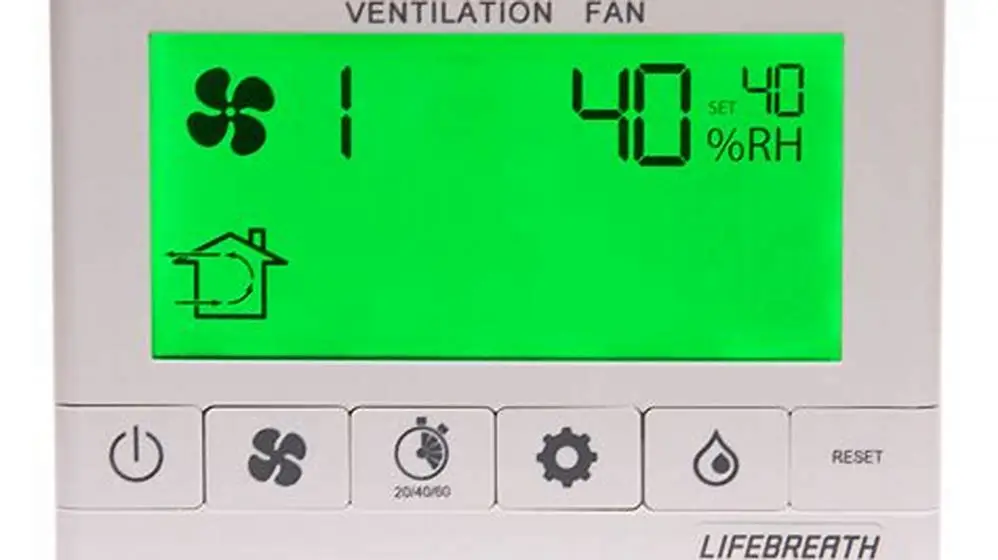
If your fan uses a humidity sensor, test it by creating extra steam (for example, by boiling water) to see if the fan automatically extends its runtime until the moisture level drops. Some sensors react too slowly or are poorly calibrated, causing premature shutoff despite lingering steam. Adjusting sensitivity can improve performance.
Manual override switches can help extend runtime if automatic controls fail. For instance, a 30-minute override allows the fan to continue running well beyond default settings, ensuring thorough steam removal after longer showers or multiple users. This lets you tailor operations to your bathroom’s specific use habits. For the detail, see our notes on adjusting lifebreath fan settings.
- 1. Turn on fan before shower to confirm it’s working
- 2. Shower as usual, noting fan operation
- 3. Stop shower and measure how many minutes fan continues running
- 4. If less than 20 minutes, adjust timer or install a humidity sensor

What airflow or installation issues cause poor steam extraction
Inspect ducts and fan grills for blockages or damage. Dust, lint, or insulation stuffed into ducts can reduce airflow drastically.
Ideal duct runs are under 3 metres with no more than two bends; excess length or sharp bends cause backpressure that lowers extraction capacity by more than half.
Check if the duct vents externally and is not blocked by birdguard or sealant. A permanently closed vent will trap steam. There is more on stopping condensation black mould walls in a separate guide.
Fans sized too small for the bathroom’s volume and usage cannot handle the steam output. Typically, 8 air changes per hour is the target ventilation rate.
Incorrectly installed fans that draw air from adjacent rooms instead of fresh external air can recirculate moisture, defeating their purpose.
- Blocked ducts: clean ducts to restore airflow
- Duct length: keep under 3 m, avoid sharp bends
- External vent: ensure clear and unblocked
- Fan size: calculate based on bathroom cubic metre volume
- Installation: check fan draws air from outside, not indoors
Bathroom fan not removing steam after shower: 2 checks that pinpoint the cause
Focus on two simple checks to isolate the cause: fan airflow and fan runtime. These reveal whether the problem is physical restriction or insufficient operation time.
Check 1: Airflow test. Hold a tissue or lightweight smoke source near the fan grille while running. If the tissue barely moves or smoke drifts slowly, airflow is blocked or fan capacity is insufficient.
Check 2: Runtime test. Shower with fan on and measure how long it keeps running afterwards. Less than 20 minutes usually means steam will linger.
Together these tests show where to target repairs: clean ducts and vents or adjust/install timers or humidistats. You can rule out fan motor failure if airflow is adequate.
The airflow test can also reveal if the fan motor is weakening. If the fan blades spin slowly or irregularly even when powered, airflow will be insufficient despite no duct blockages. This can happen with older fans or those exposed to moisture damage. Replacing the motor or the whole unit often restores proper extraction.
During the runtime test, note how quickly steam dissipates after the fan turns off. If steam lingers for more than 15 minutes, even with adequate runtime and airflow, there may be insulation or sealing issues in the bathroom that trap humidity. Sealing gaps and adding extractor grills can improve overall ventilation.
A simple airflow measurement can be taken with an anemometer placed at the grille. Typical decent bathroom fans deliver between 15 and 30 litres per second. Values below 10 l/s often correlate with poor steam clearance and indicate cleaning or replacement is needed.
| Test | Expected result if fan works well | Result indicating problem | Cause suggested |
|---|---|---|---|
| Airflow test | Tissue moves briskly, smoke pulled in quickly | Tissue barely moves, smoke lingers | Blocked ducts, wrong fan size, vent blockage |
| Runtime test | Fan runs 20-30 mins after shower | Fan stops within 10 mins | Timer too short, no humidistat, manual switch off |
When to call a pro for bathroom fan steam removal problems
If airflow or runtime checks show blockages or settings issues you cannot fix yourself, call a qualified electrician or ventilation specialist.
Some problems require fan replacement with a larger capacity unit or rerouting ducts for shorter, straighter runs. Electrical upgrades may be needed for timer or humidity controls.
Certified installers will ensure compliance with UK Building Regulations L and F, which mandate ventilation performance in new and refurbished bathrooms.
If you detect mould or damp damage caused by poor steam removal, professional remediation may be necessary to protect your home and health.
- Fan airflow below expected despite cleaning
- Fan electrical controls faulty or missing
- Ductwork inaccessible or damaged
- Persistent mould or damp behind tiles or walls
How to maintain bathroom fans to prevent steam problems
Regular cleaning extends fan life and keeps airflow strong. Remove grills every 6-12 months and vacuum or wash out dust build-up.
Inspect duct terminals outdoors yearly for blockages or damage. Clear away debris, leaves, or nests that reduce vent effectiveness.
Test timer and humidistat settings annually to match your shower routine and keep steam removal adequate without wasting energy.
Replacing fans older than 10 years improves energy efficiency and steam extraction since newer models meet higher airflow standards.
- Clean fan and grille every 6-12 months
- Check and clear external vent yearly
- Adjust timer/humidistat to at least 20 mins runtime
- Replace fans older than 10 years for better performance
Questions people still ask
Can a bathroom fan be too powerful for the room?
Fans oversized for a bathroom may cause excessive noise and unnecessary energy use but usually do not harm steam removal. Correct sizing balances airflow and quiet operation.
Why does my bathroom still feel damp after fixing the fan?
Dampness may persist if walls or ceilings have absorbed moisture over time or if external vents remain blocked. Professional mould remediation or further ventilation improvements might be required.
Is it better to use a humidistat or timer for fan control?
Humidistats automatically run the fan until humidity drops, offering precise control and energy savings. Timers are simpler but may run too short or long if not properly set.
Can I install a bathroom fan myself?
Basic replacement is possible if electrical and ductwork are accessible and regulations followed. Complex duct rerouting or electrical upgrades require certified professionals.
How does insulation around ducts affect fan performance?
Insulating ducts prevents condensation inside them but stuffing insulation improperly can block airflow. Ducts must remain clear and insulated without compression.