A fuel cell boiler is a residential heating appliance that uses hydrogen in an electrochemical cell to produce heat; many designs are combined heat and power (CHP) units that also generate electricity. Fuel cell boilers can achieve overall efficiencies of roughly 85-95% depending on system design and operating conditions; electrical and thermal splits vary by technology and application (see sources below).
On this page
- Quick recap
- What is a fuel cell boiler
- How a fuel cell generates heat and (optionally) electricity
- Difference from conventional boilers (efficiency and emissions explained)
- Energy and environmental benefits (with context and sources)
- What is needed for a fuel cell boiler installation
- Fuel cell boilers and hydrogen availability in the UK
- Practical considerations and next steps for UK homeowners
- Quick questions
Part of our guide on government grants for green homes
Quick facts
- Efficiency
- 85–95% overall (typical CHP range; depends on system and operating conditions)
- Emissions
- Water vapour at the point of use; lifecycle CO2 depends on hydrogen production method
- Fuel type
- Hydrogen (compressed, stored, or generated on-site)
- Output range
- 3–10 kW typical for household units (varies with model)
- Installation
- Requires a hydrogen supply or on-site production/storage
- Heat production
- Electrochemical heat produced in the fuel cell stack; many units also produce electricity (CHP)
Quick recap
- Fuel cell boilers use an electrochemical reaction with hydrogen to produce heat; many models also generate electricity as part of that process (CHP).
- Typical overall energy efficiency is reported as a range (about 85–95% for CHP systems) depending on design, temperature levels and how the electricity is used or exported.
- Combustion boilers (including modern condensing gas boilers) convert fuel to heat only and have different losses: seasonal efficiencies for condensing gas boilers are typically in the high 80s to low 90s percent range; direct comparison depends on what you count as useful output.
- Emissions benefits depend on hydrogen source: green hydrogen (electrolysis using renewables) yields large CO2 savings relative to natural gas, while grey hydrogen (from fossil fuels without carbon capture) offers far smaller or no net CO2 savings.
- Widespread home use depends on hydrogen availability and local infrastructure; UK supply is currently limited and projects are in development.
What is a fuel cell boiler
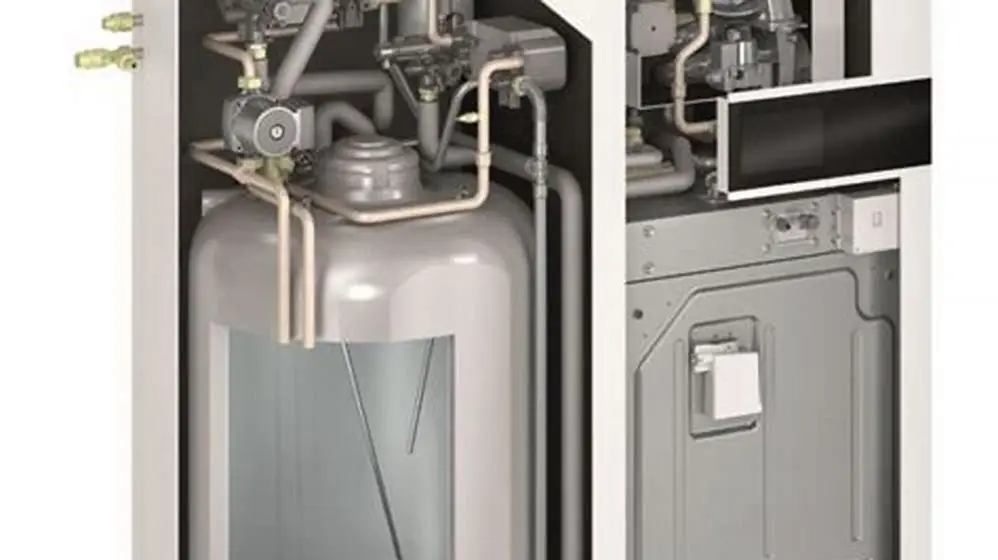
A fuel cell boiler is a domestic heating system that uses hydrogen in a fuel cell to produce usable heat. Some units are designed only to supply heat, while many are combined heat and power (CHP) devices that also produce electricity as a useful output. The core process is electrochemical, not combustion: hydrogen reacts with oxygen across an electrolyte, producing heat and, in most CHP designs, electricity and water vapour.
Typical household fuel cell boilers provide heat outputs in the range of about 3 kW to 10 kW, though manufacturers offer smaller or larger units to suit flats or larger properties. Whether a particular model produces electricity as well depends on the product design: CHP models are common because they improve the total energy use of the hydrogen fuel.
Overall system efficiency for fuel cell CHP units is commonly reported in the range of 85–95% when you add usable heat and electricity. This is a typical range based on current commercial and demonstration systems and depends on the fuel cell type, operating temperature, how the electricity is used (consumed in the home or exported) and auxiliary system losses (pumps, inverters, controls). See references at the end for sources and typical figures.
How a fuel cell generates heat and (optionally) electricity
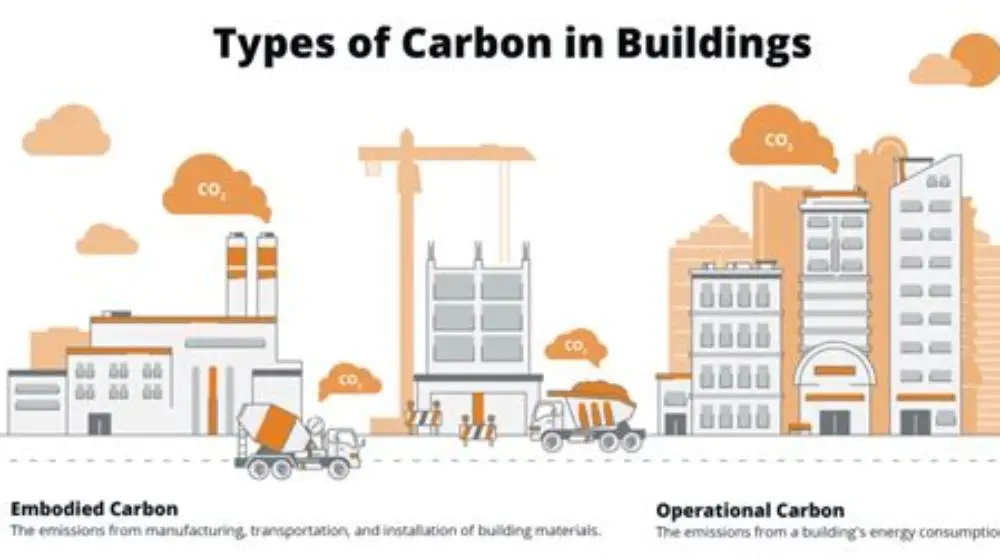
Hydrogen supplied to the fuel cell is split into protons and electrons at the anode. Electrons flow through an external circuit and can be used as electrical power; protons pass through the electrolyte and recombine with oxygen at the cathode to form water and release heat. The heat produced is captured by a heat exchanger for space heating and hot water. We cover carbon footprint of building materials in its own article.
This electrochemical path converts chemical energy directly to electricity and heat without burning fuel, so exhaust losses to hot flue gases (typical of combustion) are avoided. The division between electrical and thermal output depends on the fuel cell chemistry (for example, proton exchange membrane (PEM) vs solid oxide fuel cell (SOFC)), the operating temperature and the balance-of-plant design.
For electrical conversion, PEM and low-temperature fuel cells often achieve electrical efficiencies in the range of about 40–60% in small-scale CHP applications; higher-temperature SOFC systems can reach different electrical/thermal splits. When electrical output is counted with thermal output, overall use commonly reaches about 85–95% under favourable conditions. These are reported ranges from industry and research summaries (see references).
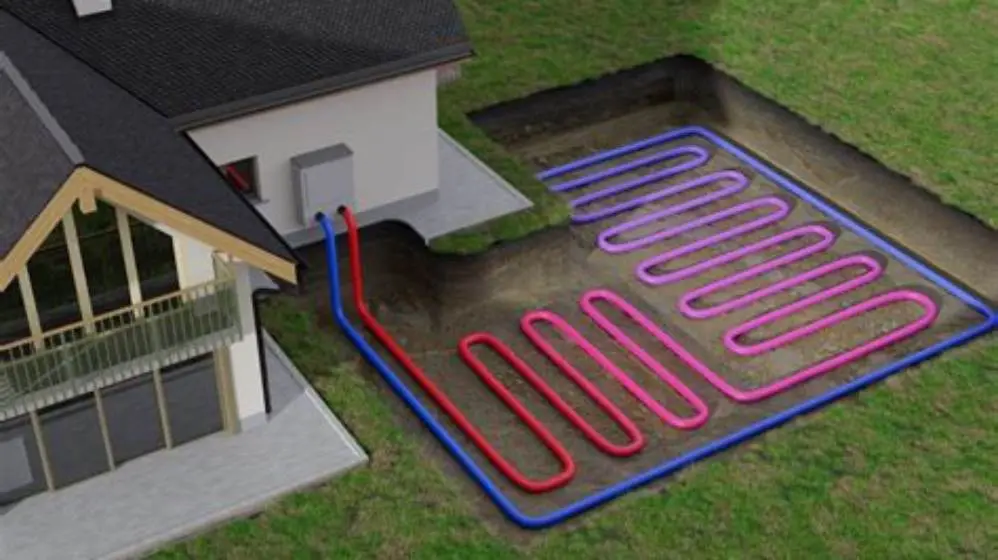
Because the process is not combustion, fuel cell boilers run quietly and can operate at relatively low temperatures compatible with modern low-temperature heating systems (for some technologies), improving whole-system performance when paired with underfloor heating or large low-temperature radiators. Before you commit to anything, it is worth looking at what is a ground source heat pump.
Difference from conventional boilers (efficiency and emissions explained)
Conventional domestic boilers burn fuels (natural gas, oil) and transfer the heat produced to the heating circuit. Modern condensing gas boilers recover heat from the flue by condensing water vapour and commonly achieve seasonal efficiencies in the high 80s to low 90s percent range for well-maintained systems (for example, typical seasonal efficiency figures used in UK building modelling and appliance guidance are around 88–92%, depending on installation and usage patterns). Non-condensing or poorly installed systems are lower.
Fuel cell boilers differ because they produce electrical power as well as heat (in CHP designs) and because they avoid combustion losses. A direct apples-to-apples comparison requires choosing which useful outputs you account for: if you compare heat-only performance, a condensing gas boiler’s heat efficiency may be comparable with the thermal fraction of a fuel cell. If you account for the electricity a fuel cell produces and that electricity displaces grid electricity, the fuel cell CHP can show higher total energy use. The commonly quoted 85–95% overall efficiency for fuel cell CHP reflects that combined accounting.
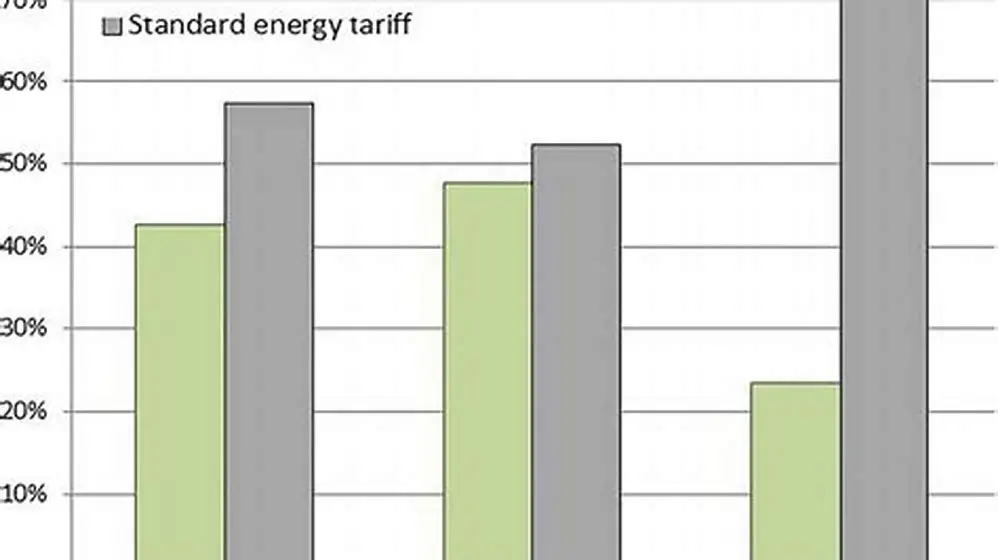
Emissions at the point of use from hydrogen fuel cells are water vapour; there are no CO2 or NOx emissions from the fuel cell itself. However, the lifecycle carbon footprint depends on how the hydrogen is produced. Green hydrogen (from renewable-powered electrolysis) offers large CO2 reductions. Hydrogen produced from natural gas without carbon capture (grey hydrogen) can have much smaller CO2 benefits or even increase lifecycle emissions compared with efficient natural gas systems. For lifecycle comparisons and typical ranges, see the references below. For the detail, see our notes on what is a green energy tariff.
| Feature | Fuel Cell Boiler (CHP where applicable) | Conventional Condensing Gas Boiler |
|---|---|---|
| Fuel type | Hydrogen | Natural gas |
| Primary process | Electrochemical reaction | Combustion and heat exchange |
| Typical overall efficiency* | 85–95% (CHP overall range, depends on design and usage) | ~88–92% seasonal for condensing models (heat only) |
| Emissions at point of use | Water vapour (no CO2 or NOx from the fuel cell) | CO2 and NOx (reduced with modern condensing and low-NOx burners) |
| Electricity output | Possible (CHP models) — displaces grid electricity | No (boiler is heat-only) |
| Fuel availability in UK homes | Currently limited; requires dedicated supply or on-site production | Widespread natural gas network |
| Installation complexity | Higher (safe hydrogen supply, controls, possible storage) | Standard gas installation |
Energy and environmental benefits (with context and sources)
Fuel cell boilers can reduce household carbon emissions substantially if they run on low-carbon hydrogen. Estimates of 'up to 90% reduction' reflect lifecycle comparisons where hydrogen is produced by electrolysis powered by renewable electricity. If hydrogen comes from fossil reforming without carbon capture, lifecycle savings are much smaller. Published analyses and lifecycle studies outline these ranges: figures depend on the electricity mix used for electrolysis, hydrogen transport losses, and whether carbon capture is applied in production (see refs).
The CHP feature means the fuel’s energy is used for both electricity and heat; this increases fuel use compared with separate heat production and grid electricity purchase. Real-world savings depend on how the household uses the exported or internal electricity. If the household consumes most of the electricity the fuel cell produces, the effective displacement of grid electricity increases the system’s carbon and cost benefits.
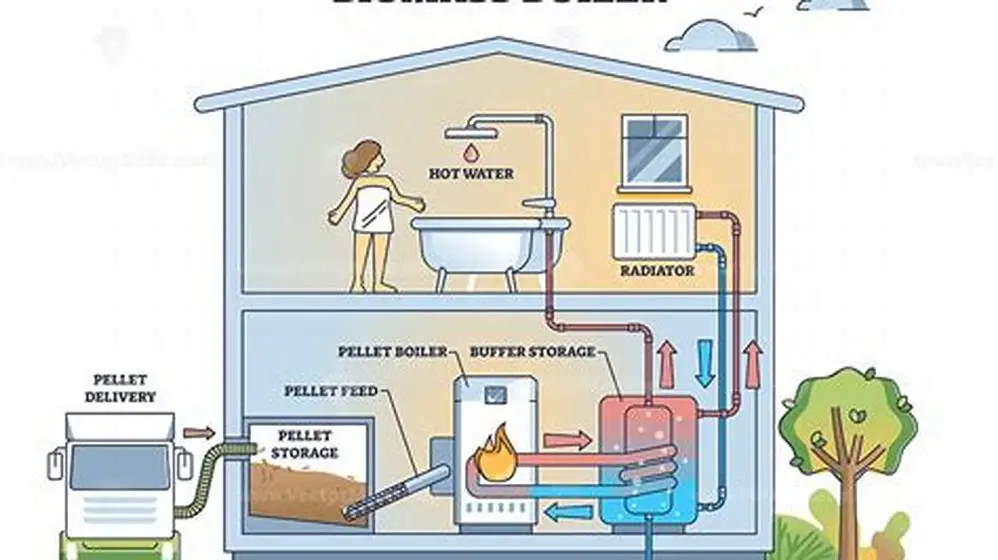
Local air quality improves because fuel cell operation emits no NOx or particulate matter at the point of use. Noise levels are typically lower than combustion boilers because the main process has no flame and fewer moving parts. The other half of this decision is what is biomass heating.
Published sources and industry reports summarise typical efficiency and emissions ranges for fuel cells and hydrogen supply chains; where exact numbers are important (for grant eligibility, carbon accounting or EPC scoring), use manufacturer data and up-to-date lifecycle assessments matched to the hydrogen production pathway you plan to use.
What is needed for a fuel cell boiler installation
A safe and continuous hydrogen supply that meets purity standards is essential. In practice this can mean connection to a local hydrogen distribution network (rare in UK homes today), delivery and storage of bottled or tube trailer hydrogen, or on-site hydrogen generation (electrolyser) paired with renewables. Each option has different costs, space requirements and safety considerations.
Integration with the home’s heating distribution and electrical system is required so the heat exchanger, control systems and any inverter for electricity work together. Many suppliers perform a technical survey to size the unit and confirm hydrogen logistics. The other half of this decision is what is an air source heat pump.
Installations must comply with UK gas and building safety regulations applicable to hydrogen equipment; installers need specialist training. A hydrogen leak detector and proper ventilation strategy are recommended as part of standard safety practice.
Service and maintenance differ from gas boilers: fuel cell stacks may require periodic inspection or replacement after a number of operational hours, and balance-of-plant components (pumps, heat exchangers, power electronics) require regular checks.
Fuel cell boilers and hydrogen availability in the UK
Hydrogen availability for homes in the UK is currently limited. There is no nationwide hydrogen distribution network equivalent to the natural gas grid for residential use. The UK government’s Hydrogen Strategy and regional projects aim to develop production, storage and distribution, but rollout to households will take time and depend on regional economies of scale and policy support (BEIS UK Hydrogen Strategy, 2021). We cover what is anaerobic digestion in its own article.
Current activity includes industrial-scale production projects, pilot hydrogen distribution trials (for example, hydrogen corridors and blending trials in gas networks), and local projects developing hydrogen hubs (e.g., HyNet in the North West and other regional schemes). These programmes are focused initially on industry, transport and grid decarbonisation rather than immediate widespread domestic provision.
For a homeowner today, realistic options are: participate in local trials if offered; use delivered compressed hydrogen with an on-site storage and safety system where permitted; or adopt a hybrid approach (for example, electric heat pump now and switch to hydrogen-ready equipment later). On-site electrolysis coupled with rooftop renewables is technically possible but requires significant capital, space and operational complexity and is not yet common for typical homes.
Because of the limited current supply, many early deployments of fuel cell boilers will be in planned demonstration projects, housing developments near hydrogen hubs, or in off-grid/remote properties where alternative hydrogen logistics are viable.
Practical considerations and next steps for UK homeowners
If you are considering a fuel cell boiler, start with a professional energy survey to assess your heat demand, the feasibility of hydrogen supply and comparative lifetime costs. Ask manufacturers for measured performance data for the model you are considering and for a breakdown of electrical and thermal outputs at typical operating points.
Compare lifecycle carbon figures for your planned hydrogen source. If the hydrogen will be electrolytic and powered by renewables, lifecycle emissions are much lower than for grey hydrogen. If the supplier cannot provide a credible supply chain and emissions data, treat carbon claims cautiously.
Consider alternatives and hybrids: heat pumps are an established low-carbon option for many UK homes and are currently supported by grant programmes. Fuel cell boilers may be attractive where onsite or local low-carbon hydrogen is available, or where CHP yields additional benefits (for example, high electricity load that can consume the unit’s electrical output).
Keep an eye on policy and local hydrogen projects. The UK’s Hydrogen Strategy, regional hydrogen hubs and network operator reports will indicate where household hydrogen supply may become practical in coming years.
Quick questions
Can fuel cell boilers work with existing radiators?
Yes. Many fuel cell boilers provide heat at temperatures compatible with standard radiators, so they can replace conventional boilers without changing radiators in many homes. Confirm the design flow temperatures with the supplier.
How much hydrogen does a typical UK home use with a fuel cell boiler?
Hydrogen consumption depends on heat demand and system efficiency. As a rough guide, a house requiring 10 kWh/day of heat would need an amount of hydrogen corresponding to that energy divided by the usable energy per kg of hydrogen (use manufacturer data for precise estimates). For accurate planning, ask suppliers for expected daily hydrogen use for your home size and insulation level.
Are fuel cell boilers eligible for UK government grants?
Grants and support change over time. At present, schemes like the Boiler Upgrade Scheme prioritise heat pumps; some local or pilot grants may cover hydrogen technologies. Check the latest UK government and devolved administration programmes and any local innovation funding for hydrogen projects.
Is hydrogen supply readily available for homes?
Not generally. Domestic hydrogen supply is currently limited in the UK. Availability is increasing through regional projects and trials, but wide residential distribution will take several years and depends on national infrastructure decisions and investment.
What maintenance do fuel cell boilers require?
Fuel cell boilers need periodic professional inspection of the fuel cell stack, hydrogen supply components and balance-of-plant items. Service intervals vary by manufacturer; typical arrangements include annual checks and planned maintenance for long‑life stack components.