A green energy tariff legally requires suppliers in the UK to source 100% of the electricity you pay for from renewable generation or equivalent renewable guarantees of origin (REGOs). You verify it by checking if the tariff includes REGOs or official certification schemes.
On this page
- Quick recap
- What is a green energy tariff
- How green tariffs differ from standard tariffs
- What guarantees or certifications ensure green energy supply
- How consumers can check if their tariff is truly green
- Why verifying a green energy tariff matters
- Green energy tariff what it must supply and how to verify it
- Quick questions
Part of our guide on characteristics of green homes
Quick facts
- Renewable supply
- 100% electricity
- Main verification
- REGOs certificates
- Common fossil share
- Up to 50% in standard
- Certification body
- Ofgem UK
- Typical tariff types
- Standard vs Green
Quick recap
- A green energy tariff must supply 100% renewable electricity or equivalent certificates.
- Renewable Energy Guarantees of Origin (REGOs) prove energy is from renewables.
- Standard tariffs mostly supply mixed sources including fossil fuels.
- Certification schemes like Ofgem’s renewables obligation add assurance.
- Consumers can verify tariffs via supplier disclosures and official registers.
What is a green energy tariff
A green energy tariff is an electricity supply option where the energy you use is matched by renewable generation. In the UK, to legally call a tariff green, the supplier must ensure 100% of your electricity consumption is backed by renewable sources or equivalent certificates.
This means your supplier either buys electricity directly from renewable generators (like wind farms, solar arrays, or hydro plants) or purchases Renewable Energy Guarantees of Origin (REGOs) to prove the power they supply you was produced from renewables.
Unlike standard tariffs, which mix energy from fossil fuels, nuclear, and renewables per the national grid, green tariffs guarantee that the electricity you pay for supports renewable energy production, encouraging cleaner energy investment and reducing carbon emissions.
Some green energy tariffs also offer a mix of renewable sources, such as combining wind, solar, and biomass generation, which may appeal to consumers wanting to support diverse technologies. The exact composition of the renewable energy sources backing your tariff can sometimes be requested from your supplier for transparency. Before you commit to anything, it is worth looking at energy savings with fuel cell boilers.
While a green tariff ensures financial support for renewables, the electricity your home receives is not physically separated from standard grid electricity. The grid operates as a pooled system, so all homes draw from the same collective supply regardless of tariff type.
How green tariffs differ from standard tariffs
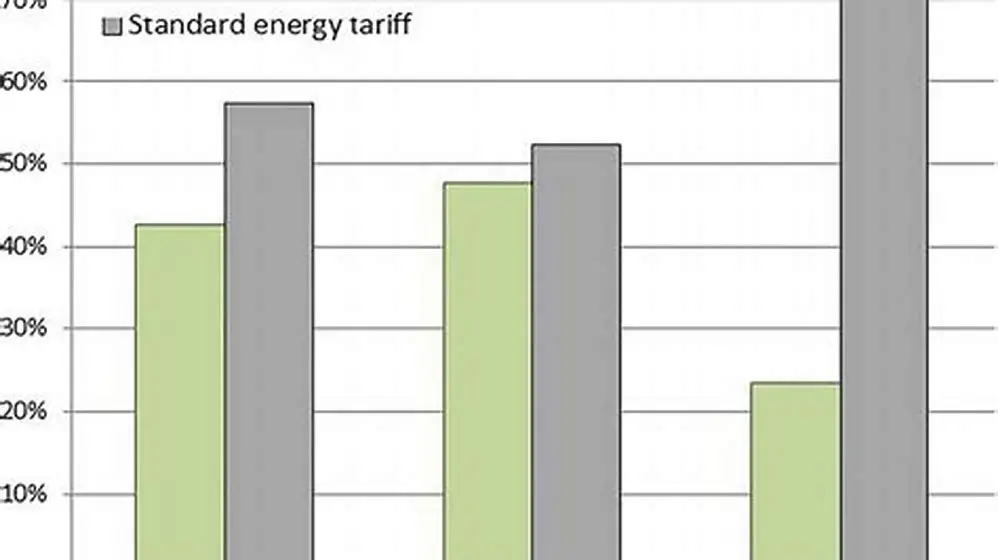
Standard UK energy tariffs draw from the grid’s combined energy mix, typically including 30-50% fossil fuels, around 20-30% nuclear, and the rest renewables as of recent years. Your electricity meter does not distinguish the source feeding your home.
Green tariffs, in contrast, involve suppliers purchasing renewable electricity or REGOs equal to your usage. This guarantees the supplier financially supports renewable generators for the electricity you consume. However, the physical electricity flowing to your home still comes from the grid’s mixed sources. People in this spot often ask about checking epc validity uk as well.
The trade-off is between paying slightly more (sometimes) for a tariff that financially supports renewables, versus a standard, usually cheaper tariff with no such guarantee. Green tariffs can vary in price and how directly they source renewables.
In certain cases, green tariffs may include a premium to cover the higher costs of sourcing renewable energy or purchasing REGOs, but this premium varies widely. Some suppliers offer competitively priced green tariffs by leveraging economies of scale or investing directly in new renewable projects.
Price fluctuations in renewable certificate markets can also cause green tariff costs to change over time. For example, REGOs prices have ranged from under £1 to over £3 per MWh in recent years, affecting how tariffs are priced relative to standard options. We cover leed vs other green standards in its own article.
| Tariff type | Renewable backing | Fossil fuel share | Guarantee method |
|---|---|---|---|
| Green tariff | 100% via supply or REGOs | 0% | Renewable Energy Guarantees of Origin certificates |
| Standard tariff | Mixed grid supply | 30-50% typical | No specific renewable guarantee |
What guarantees or certifications ensure green energy supply
The principal guarantee that green tariffs use in the UK is Renewable Energy Guarantees of Origin (REGOs). These are certificates issued per megawatt-hour (MWh) of renewable electricity generated, proving its source.
Suppliers must retire (cancel) the REGOs equal to the electricity they sell as green to avoid double counting. This retirement is recorded on a central registry, which consumers can check to verify claims.
Other certifications include Ofgem’s Renewables Obligation, which mandates energy suppliers to buy renewable certificates. Some green tariffs also participate in eco-labels or third-party assurances, but REGOs remain the standard legal measure for green supply claims. For the detail, see our notes on what is passivhaus.
How consumers can check if their tariff is truly green
You can verify if your green tariff is legitimate by several steps. First, read your energy supplier’s statement about their green electricity sourcing and ask if they retire REGOs equal to your consumption.
Consult the Ofgem Renewable Energy Guarantees of Origin registry or ask the supplier for proof of REGOs retirement. Many suppliers publish transparent reports or certificates annually.
Look for third-party eco-labels or certifications that audit green claims. Be cautious if a tariff lacks details on how it sources or guarantees renewables, as it may be a mixed or partially green product. For the detail, see our notes on uk sustainability home standards.
Another practical way to check if a tariff is truly green is to review independent customer feedback or watchdog reports that assess suppliers' green claims. Consumer organizations periodically analyse these tariffs for transparency and effectiveness.
For example, a customer using 300 kWh per month should expect to see REGOs retired equivalent to 0.3 MWh for that month. Requesting this specific data from your supplier can clarify whether their green claims hold up to scrutiny.
- Read the tariff’s green claims on the supplier’s website or contract.
- Ask the supplier if they purchase and retire REGOs matching your usage.
- Request or check proof of REGOs retirement from Ofgem’s registry.
- Look for third-party eco-labels or independent certification.
- Compare with standard tariffs to see the pricing and guarantee differences.
Why verifying a green energy tariff matters
Not all green tariffs are equal. Some suppliers buy cheap REGOs from old renewable plants to label tariffs green without increasing new renewable generation, a practice called 'mere accounting'. This means your money may not actively support new green projects or reduce carbon emissions beyond legal compliance.
Verifying the source and retirement of REGOs helps ensure your tariff contributes to real renewable energy capacity growth or at least does not fund fossil fuels.
Inaccurate green claims risk misleading consumers who pay more expecting environmental benefits. Transparency around certificates and procurement practices is essential for credibility and motivating the energy market toward cleaner options.
Green energy tariff what it must supply and how to verify it
The UK’s regulatory framework requires a green energy tariff to cover 100% of the supplied electricity with renewable generation sources or proof via REGOs retirement matching the customer’s usage.
Consumers verify a green tariff by checking if the supplier provides evidence of REGOs retired for their consumption period, either via official Ofgem disclosures or supplier reports.
If a tariff cannot show this, it does not legally qualify as a green tariff even if marketed as such. Verifying this ensures your tariff supports renewable energy financially and complies with UK rules.
- Find your tariff’s energy source disclosure and confirm it claims 100% renewable supply.
- Request or search for REGOs retirement evidence from your supplier for your billing period.
- Consult Ofgem’s official registers or ask for third-party certification if doubts remain.
- Reject tariffs lacking these proofs if you want genuine green energy support.
Quick questions
Can a green tariff include any fossil fuel electricity?
No, to be legally labelled green in the UK, the tariff’s electricity supply must be matched 100% by renewable generation or equivalent certificates, so fossil fuel generation cannot be included in the supplied amount.
Are Renewable Energy Guarantees of Origin (REGOs) the only way to verify green supply?
REGOs are the primary legal proof in the UK, but some tariffs also have additional third-party certifications or participate in schemes like Ofgem's Renewables Obligation to confirm renewable sourcing.
Does paying for a green tariff reduce my household carbon emissions?
Financially supporting renewable generation via a green tariff contributes to lowering grid carbon intensity over time, but the physical electricity flowing to your home comes from the grid’s mix, so your direct emissions don't change instantly.
Can I trust all green tariffs on the market?
No, beware some green tariffs buy cheap, old REGOs without fostering new renewable projects. Verification through proof of current REGOs retirement and transparent sourcing is essential.
How often do suppliers retire REGOs for green tariffs?
Typically, suppliers retire REGOs corresponding to each customer's consumption period, usually monthly or quarterly, to maintain compliance with green tariff regulations.