Heat pumps work best with well-insulated, large non-combi cylinders usually 150-210 litres for typical homes; wiring a combi backup requires a well-configured switch or timer to avoid short cycling by isolating the heat pump circuit.
On this page
- Quick recap
- Which cylinders work with heat pumps and combi backup wiring
- Planning a staged retrofit: swapping combi for electric boiler backup later
- Which heat pump-ready cylinder fits 150 litre hot water demand
- Heat pump hot water cylinder with integrated heat pump sizing
- Guide to choosing and working with heat pump installers including pipework and noise
- Heat pump retrofit: planning and compatibility for existing homes
- Quick questions
Part of our guide on cost-effective retrofit strategies
Quick facts
- Cylinder capacity
- 150-210 litres
- Backup boiler type
- Combi boiler with switch
- Heat pump types
- Air & Ground source
- Hot water demand
- Typical 150 litres/day
- Noise level
- 35-55 dB at 1m
Quick recap
- Only large, heat-pump-ready cylinders suit retrofits with 150-210 litre capacity typical
- Combi boiler backups need controls to prevent short cycling when paired with heat pumps
- Plan retrofits in stages to balance upfront cost, disruption, and energy savings
- Air and ground source heat pumps differ in installation complexity and sustainability
- Choose installers familiar with existing pipework and noise constraints
Which cylinders work with heat pumps and combi backup wiring
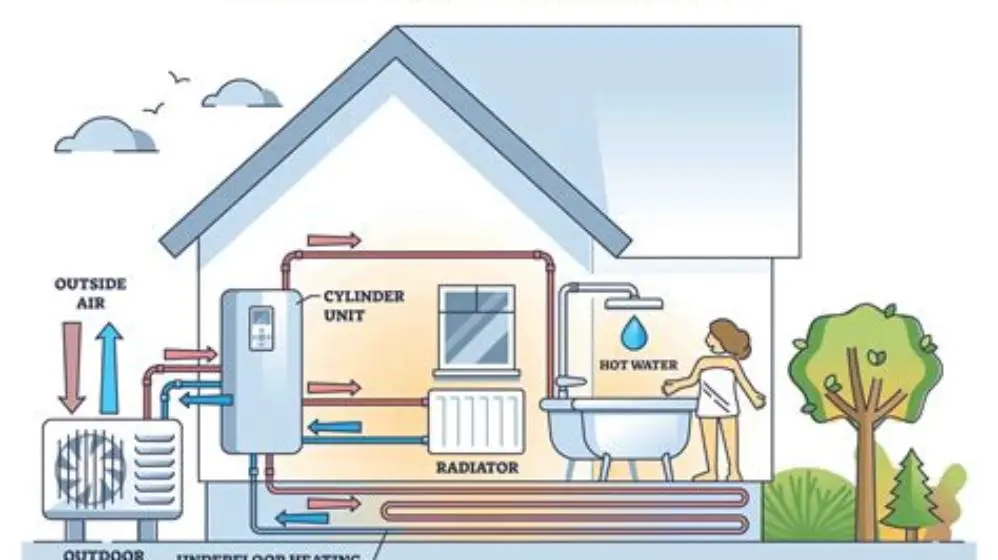
Heat pumps require cylinders with large surface areas and good insulation, usually between 150 and 210 litres for typical UK homes to meet daily hot water needs. Standard combi boilers have no separate cylinder and rely on instant water heating, so combi cylinders are incompatible with heat pumps alone.
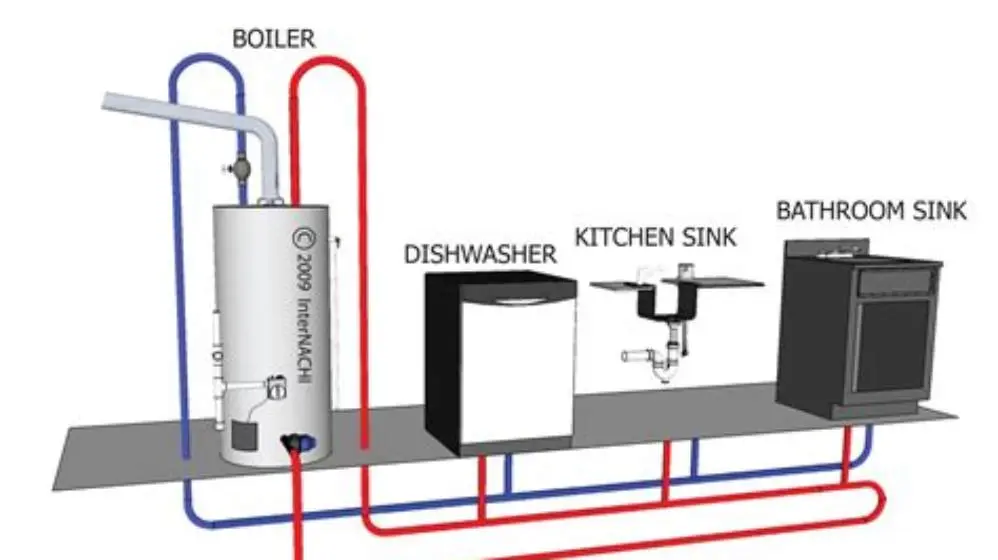
Heat pump-ready cylinders often include a coil or internal heat exchanger sized for low-temperature water (35-55°C) that heat pumps supply. Using a combi boiler as backup requires a control system to isolate the circuits. Without it, the boiler and heat pump can short cycle, causing inefficiency and wear.
Wiring a combi backup safely involves using a dedicated relay or timer that switches the heat pump off before the combi boiler fires. This prevents both systems from running simultaneously or interfering with each other's thermostat controls.
Planning a staged retrofit: swapping combi for electric boiler backup later
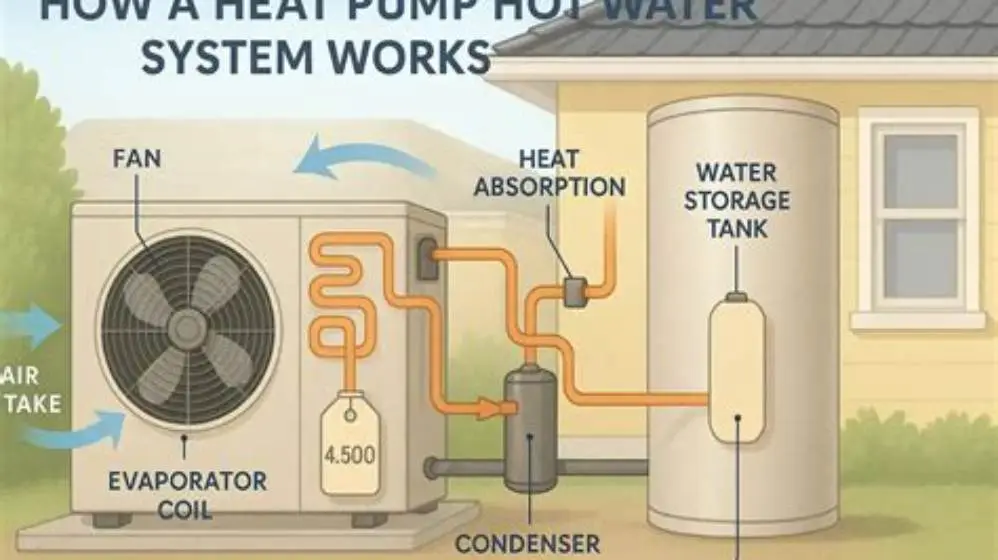
A practical retrofit often stages changes: first installing the heat pump with a heat pump-compatible cylinder but keeping a combi boiler as backup. Later, you can replace the combi with an electric boiler dedicated to backup hot water only. There is more on heat pump hot water system operation in a separate guide.
This staged approach balances upfront cost and disruption. Initially, you gain some energy savings by running the heat pump for space heating and hot water. The combi backup handles peak demands or cold spells, while you postpone rewiring or cylinder upgrades until later.
The electric boiler backup must be sized carefully, typically 6-9 kW, just enough to catch peak hot water loads without excessive running costs. Controls to prevent overlapping operation with the heat pump remain essential.
- Install heat pump and heat pump-ready cylinder with combi backup intact
- Use control relay to prevent combi and heat pump running simultaneously
- Monitor energy use and comfort to decide timing for electric boiler swap
- Install dedicated electric boiler with proper wiring and automatic switch-over
Which heat pump-ready cylinder fits 150 litre hot water demand
For an average household with typical demand near 150 litres per day, choose cylinders sized between 150 and 210 litres to ensure adequate hot water supply without excessive standby loss. Heat pump cylinders usually have thicker insulation (often 100mm or more) to reduce heat loss and maintain efficiency. The other half of this decision is air source heat pump keeps short cycling at low load.
Cylinders designed specifically for heat pumps include an internal coil sized to transfer heat efficiently at lower flow temperatures. Make sure the coil size matches the heat pump output, typically requiring a coil surface area of 2.5 to 3.5 m² depending on the model.
Some models integrate the heat pump unit into the cylinder itself, simplifying installation and reducing heat loss from external pipe runs. Such integrated units require precise sizing to the household's hot water demand and heat pump capacity.
| Cylinder model | Capacity (litres) | Coil surface area (m²) | Insulation thickness (mm) |
|---|---|---|---|
| Standard heat pump cylinder | 150-160 | 2.7 | 100 |
| Large heat pump cylinder | 190-210 | 3.2 | 100 |
| Integrated heat pump cylinder | 150-180 | 2.5 | 120 |
Heat pump hot water cylinder with integrated heat pump sizing
Integrated heat pump cylinders combine the heat pump compressor and hot water storage in one unit. This design reduces heat loss and installation complexity but limits flexibility in sizing either component independently. For the detail, see our notes on heat pump retrofit in london.
The integrated heat pump typically ranges from 2 to 6 kW output, sized to the cylinder volume and expected hot water demand. For a 150-litre cylinder, a 2.5 to 3.5 kW heat pump is common, balancing recovery time and energy use.
Sizing an integrated unit demands precise calculation of hot water draw patterns and recovery needs. Oversizing wastes energy; undersizing causes insufficient hot water and increased backup boiler use.
Guide to choosing and working with heat pump installers including pipework and noise
Selecting the right installer is crucial. Choose professionals certified by recognized heat pump schemes who assess your home's existing pipework and heating system compatibility before quoting. People in this spot often ask about hot water recirculation retrofit plumbing checks as well.
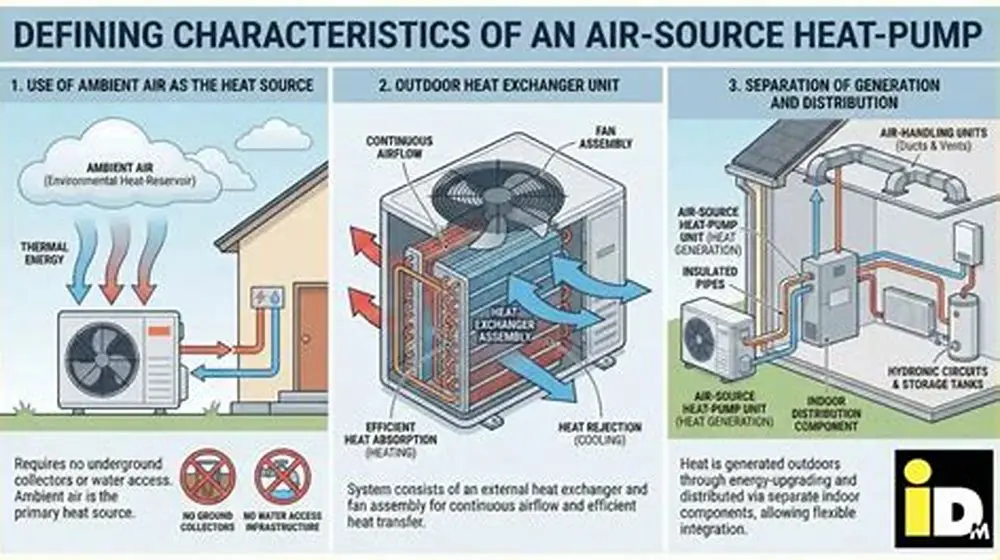
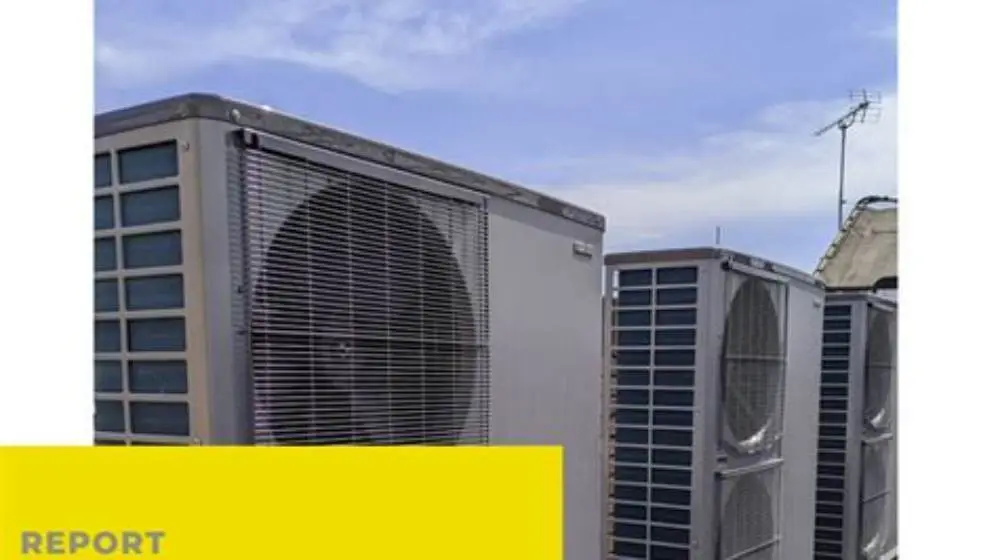
Air source heat pumps require clear outdoor spaces, and installers must consider noise levels, usually 35-55 dB at 1 metre. Ground source systems need land access for boreholes or trenches, increasing complexity and cost but offering quieter operation and higher efficiency at 40°C output water temperature.
Discuss upfront the condition and layout of your existing pipework. Heat pumps operate at lower flow temperatures; installers must confirm your radiators or underfloor systems can deliver sufficient heat, or plan upgrades.
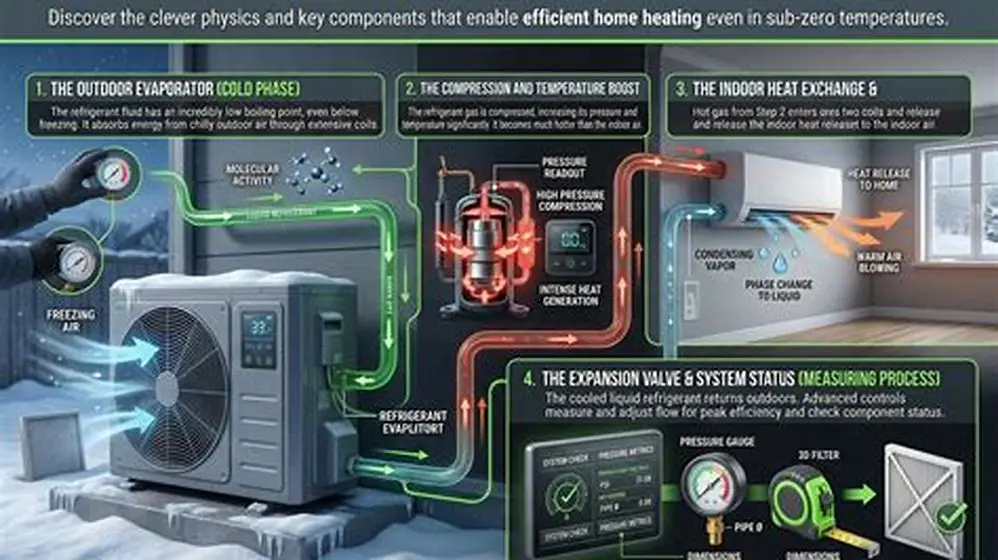
Installer networks affiliated with manufacturers tend to have better product knowledge and warranty support. Get multiple quotes and ask for references to ensure quality. People in this spot often ask about how does a heat pump extract heat from cold air as well.
- Certified installers ensure proper sizing and controls
- Manufacturer-affiliated networks provide better warranty support
- Ground source heat pumps offer higher efficiency and quieter operation
- Ground source installation is costly and disruptive
- Air source heat pumps can generate noise complaints if badly sited
- Poor pipework condition may require costly upgrades
Heat pump retrofit: planning and compatibility for existing homes
A successful heat pump retrofit balances cost, disruption, and savings by planning stages that fit your home's existing systems. First, ensure your cylinder is heat pump compatible: large, well-insulated, with suitable coil sizing for your hot water demand of about 150 litres per day.
If your current system uses a combi boiler, retrofit it carefully with a control relay to avoid short cycling. Then, plan to swap the combi for an electric boiler backup later if needed, sizing it just for peak hot water demands.
Choose installers experienced with your home's pipework and noise constraints, and consider whether air or ground source heat pumps better suit your site and sustainability goals. Ground source is more sustainable at output temperatures around 40°C but requires more upfront work and space.
Take measurements of hot water demand and evaluate your home's insulation and radiator compatibility early. These steps are vital to avoid costly mistakes and maximize long-term savings.
Quick questions
Can I use a standard hot water cylinder with a heat pump?
Standard cylinders usually lack sufficient insulation and coil surface area for heat pumps. Using them can cause heat loss and inefficiency. A heat pump-ready cylinder with at least 100mm insulation and a properly sized coil is necessary.
How do I prevent short cycling when combining a heat pump with a combi boiler backup?
Install a relay or timer control that stops the heat pump when the combi boiler fires. This separation avoids both systems running simultaneously and reduces wear and energy waste.
What size heat pump cylinder is appropriate for a family of four?
Typically, a 150 to 210 litre cylinder suits a four-person household's daily hot water needs, balancing storage capacity and efficiency.
Are ground source heat pumps always better than air source?
Ground source units usually deliver higher efficiency and quieter operation at 40°C output, but require more space and higher installation costs. Air source heat pumps are easier to install but can be noisier.
What should I look for in a heat pump installer?
Choose installers with certification, good references, and experience working with your existing pipework and local site conditions, including noise considerations.