Building an eco home in the UK typically costs between £1,750 and £3,000 per square metre, depending on materials, design, and technologies used. Grants can reduce this by 10-30%, but costs vary widely with project scope and location.
On this page
- Quick recap
- Average cost per square metre to build an eco home in the UK
- Cost differences by eco materials and technologies
- Impact of grants and schemes on total cost
- Examples of self-build vs developer build costs
- Planning a staged retrofit that balances cost, disruption and savings
- What does it cost to build an eco home UK
- Quick questions
Part of our guide on staged home retrofit
Quick facts
- Average build cost
- £1,750–£3,000/m²
- Grant reduction
- 10–30% typical
- Heat pumps cost
- £7,000–£14,000 installed
- Solar PV cost
- £5,000–£8,000 for 4kW
- Typical retrofit cost
- £20,000–£50,000
- Self-build savings
- 15–25% lower
Quick recap
- Eco home build costs average £1,750–£3,000 per m² in the UK
- Material choice and technologies like heat pumps significantly affect costs
- Grants like ECO4 and Boiler Upgrade Scheme can lower initial expenses
- Self-build projects usually save 15–25% over developer builds but require more management
- Planning staged retrofits balances cost, disruption, and long-term savings
Average cost per square metre to build an eco home in the UK
Typical eco home construction in the UK ranges from £1,750 to £3,000 per square metre, depending primarily on design complexity, materials used, and geographic location. Higher costs correlate with better insulation standards, airtightness requirements, and integrating renewable technologies.
This figure depends on factors such as whether the build is new or a retrofit, site conditions, and labour rates in the region. For example, urban areas with higher wage demands tend to cost more. The cost range covers both modest eco-friendly features and high-spec Passivhaus-level builds.
Labour costs alone often represent 30-40% of the total build price. Material choices like reclaimed timber or natural insulation can reduce or increase costs depending on availability and sourcing. Meeting UK building regulations and certification requirements adds fees.
Cost differences by eco materials and technologies
Material choice drives eco home costs significantly. Popular eco materials include timber frame, straw bale, hempcrete, and sheep’s wool insulation. Timber frame construction typically costs between £1,600 and £2,500 per m², while hempcrete or straw bale can add 10–20% due to special craftsmanship. We go through heat pump retrofit in london step by step elsewhere on the site.
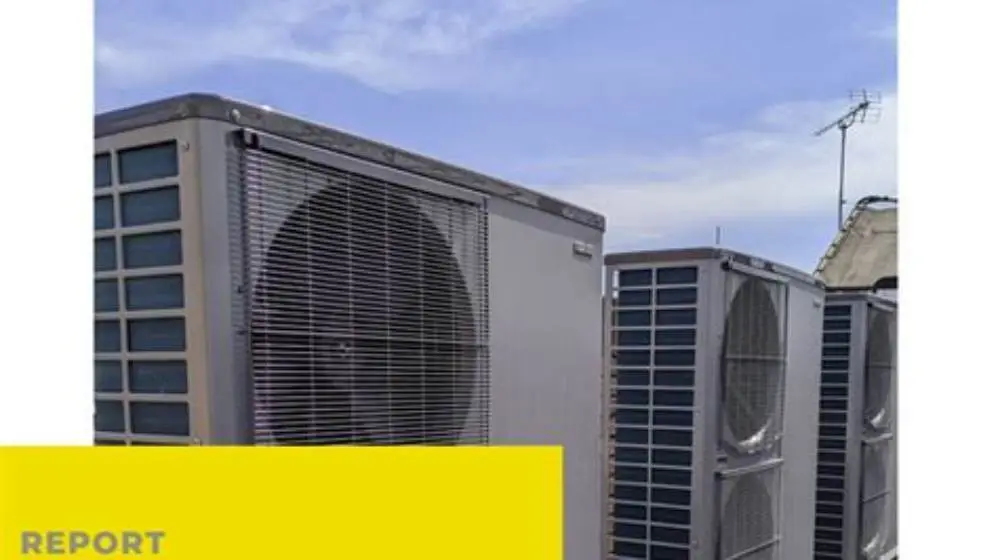
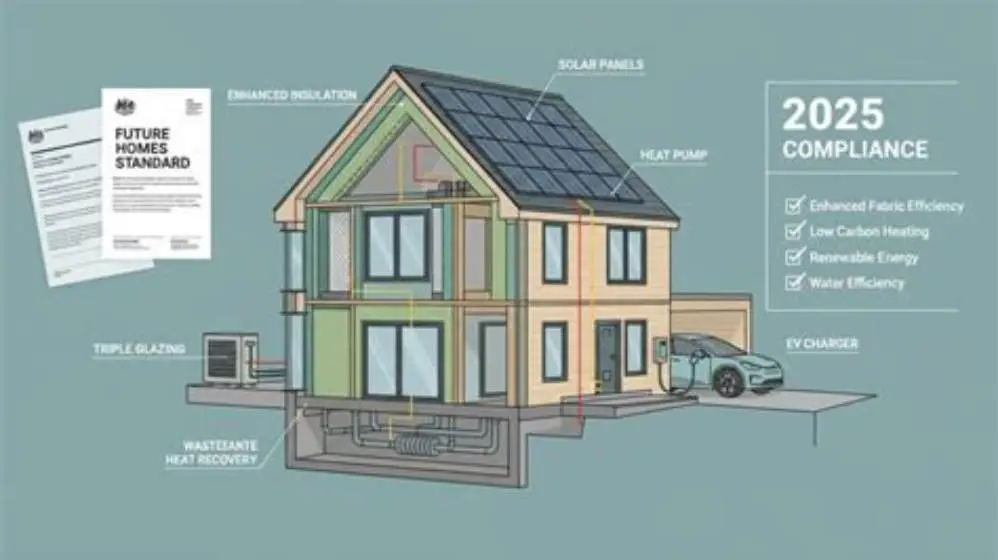
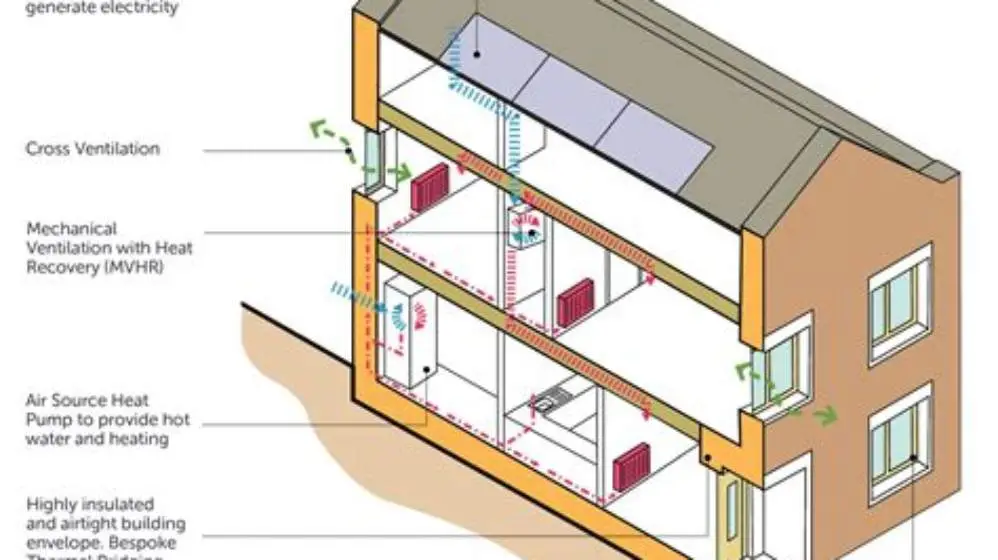
Renewable technologies add upfront costs but reduce long-term energy expenses. Installing a domestic heat pump costs roughly £7,000 to £14,000 including fitting and system setup, depending on size and complexity. Solar photovoltaic (PV) systems for electricity generation average £5,000 to £8,000 for a 4kW array.
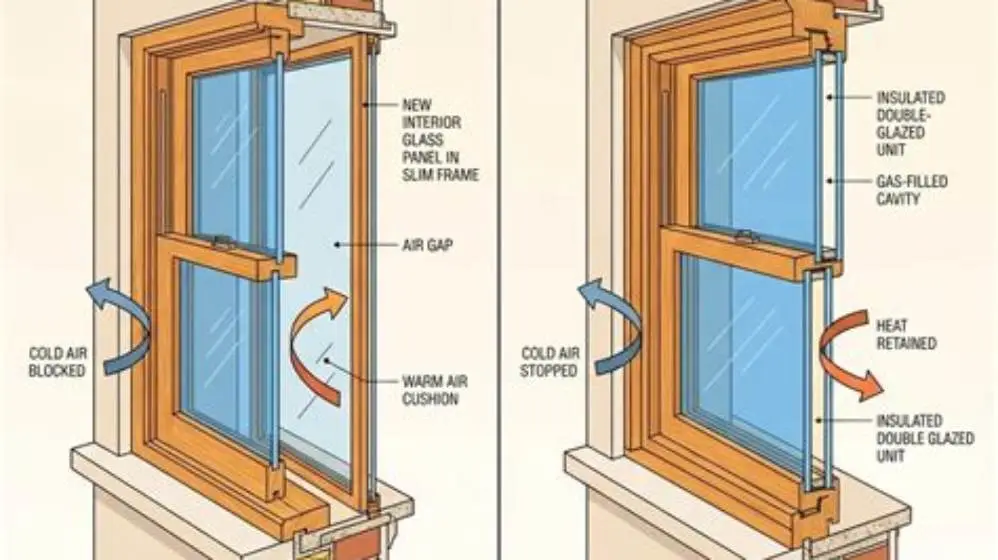
Ventilation systems with heat recovery add around £3,000 to £6,000, while triple glazing windows can cost 30-50% more than standard double glazing. These technologies must be balanced with the build’s overall energy strategy to avoid overspending on unnecessary features.
One cost consideration often overlooked is the sourcing and transport of eco materials, which can fluctuate depending on the region. For example, hempcrete blocks sourced within 100 miles of the build site may add only 5-10% to material costs, but long-distance shipping can push this to 20%. This impacts budget planning, especially for remote sites where specialist materials must be imported. It helps to understand costs under future homes standard before going further.
Installation complexity also affects costs. Straw bale walls require skilled labour to ensure proper compaction and moisture management, often doubling labour rates compared to conventional timber frame builds. This can increase total costs by £500–£1,000 per m², especially in regions with fewer experienced contractors.
A worked example: installing triple-glazed windows costing £600 each instead of £400 for double-glazing on a 100 m² home with 15 windows adds £3,000 to the project. Although upfront, this cost contributes to reduced heat loss and energy bills, potentially saving £300 annually on heating in colder UK climates, validating the higher investment over 10 years.
| Item | Cost range (£) | Notes |
|---|---|---|
| Timber frame structure | £1,600–£2,500 per m² | Most common eco material |
| Straw bale or hempcrete walls | £1,800–£3,000 per m² | Requires specialist builders |
| Heat pump system | £7,000–£14,000 installed | Includes air or ground source |
| Solar PV array (4kW) | £5,000–£8,000 | Grid-tied system |
| MVHR ventilation | £3,000–£6,000 | Mechanical ventilation with heat recovery |
| Triple glazing windows | 30–50% more than doubles | Improves insulation |
Impact of grants and schemes on total cost
Grants and government schemes can reduce eco home build costs by 10-30%, depending on eligibility and project scope. The ECO4 scheme supports insulation and heating upgrades, covering part of costs for qualifying households. There is more on maximising retrofit savings in a separate guide.
The Boiler Upgrade Scheme provides grants of up to £5,000 towards heat pump installation, significantly reducing upfront expenses. The Warm Homes Plan includes funding for vulnerable households, assisting with retrofit measures like insulation and ventilation upgrades.
Eligibility criteria include income thresholds, EPC ratings, and property types. These schemes often require certification or specific installers, so early consultation is crucial. While grants reduce initial cost burdens, some project components remain fully payable.
Not all grant schemes are cumulative; some restrict combining multiple grants for the same upgrade, limiting total savings. For instance, a homeowner applying for both ECO4 and the Boiler Upgrade Scheme must check eligibility to avoid overlaps, which might reduce total grant impact to below 20%. If that sounds like your situation, read up on secondary glazing vs double glazing for period homes next.
Some local authorities offer additional incentives or reduced council tax rates for certified eco homes, indirectly saving homeowners money. These vary widely across the UK, adding between £200 and £500 annually in savings for qualifying properties.
A check to confirm the grant impact is to compare final invoices with initial quotes before and after grant application. Homeowners should verify that contractors apply grants correctly, or risk paying full price despite eligibility, which happens if grant paperwork is mishandled.
Examples of self-build vs developer build costs
Self-build eco homes in the UK usually cost 15-25% less per square metre than developer-built equivalents. This saving relies on your ability to manage contractors, source materials, and handle planning stages effectively. People in this spot often ask about zero carbon home key features as well.
Developers factor in profit margins, overheads, and guaranteed timelines, which increase prices. Self-builders accept greater risk and time investment but maintain control over quality and design choices, which often improves eco credentials.
However, self-build projects require a steep learning curve and may encounter delays or budget overruns without experience. Developers might offer fixed-price contracts reducing financial uncertainty but with less flexibility to adapt to new technologies mid-project.
| Build type | Average cost (£/m²) | Advantages | Disadvantages |
|---|---|---|---|
| Self-build | £1,500–£2,500 | Cost savings; design control | Requires management skills; risk of overruns |
| Developer build | £2,000–£3,000 | Fixed price; less hassle | Higher cost; less flexibility |
Planning a staged retrofit that balances cost, disruption and savings
Retrofitting an existing home eco-friendly costs vary widely but generally fall between £20,000 and £50,000 depending on scope. Staging works over several years allows spreading costs and reducing household disruption.
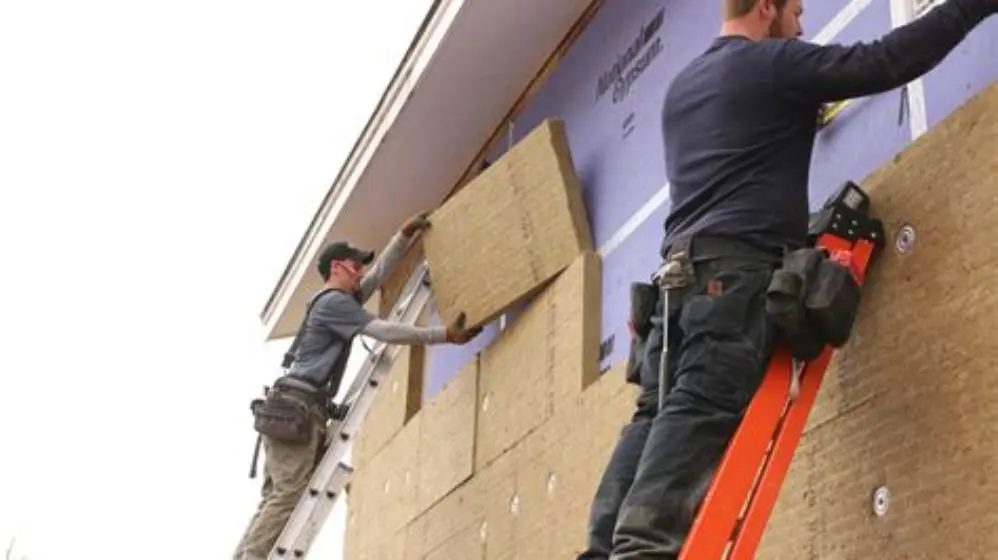
A typical retrofit sequence starts with improving airtightness and insulation, then installing energy-efficient heating like heat pumps, followed by renewable energy installations such as solar panels. Each stage reduces running costs progressively and improves EPC ratings.
Planning must consider seasonal weather, availability of skilled trades, and grant timings. Prioritising measures with quickest payback or that qualify for immediate subsidies can improve return on investment. This sequenced approach is vital for owner-occupiers on tight budgets.
- Assess current building performance with an EPC and air tightness test.
- Upgrade insulation in walls, roof, and floors to recommended U-values (e.g., 0.15–0.2 W/m²K).
- Install or upgrade heating systems to low carbon options like heat pumps.
- Add renewable energy systems such as solar PV or solar thermal.
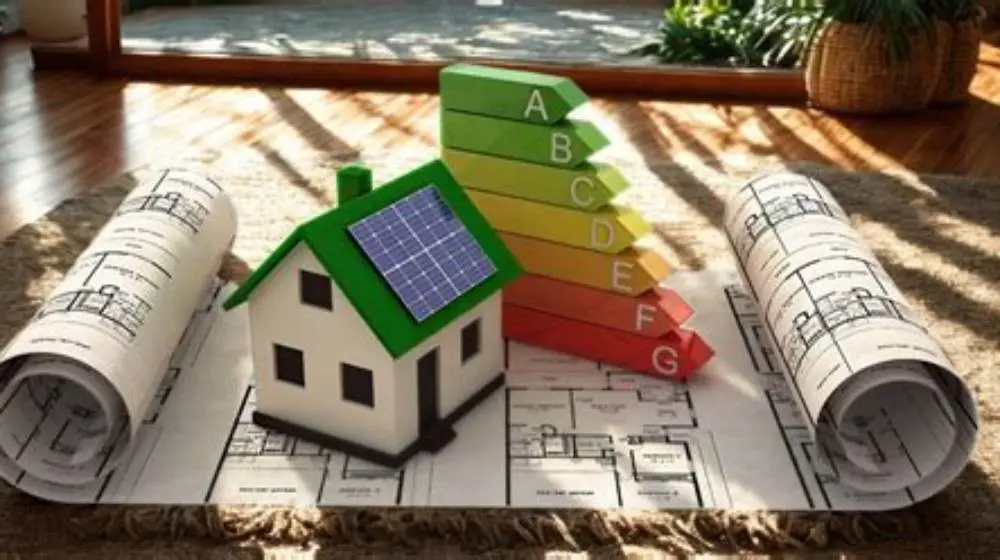
- Improve ventilation with heat recovery to maintain indoor air quality.
What does it cost to build an eco home UK
Answering precisely ‘what does it cost to build an eco home UK’ depends on scale, materials, technologies, and funding. The average cost sits between £1,750 and £3,000 per square metre for new builds, but retrofit costs vary more based on existing conditions.
Grant schemes reduce costs by 10-30%, but only if you meet requirements and apply correctly. Self-builders save money but must invest time managing the project, while developer builds offer fixed prices at a premium.
Knowing these variables helps you plan realistically. Ahead, get an EPC, define your materials and tech choices, and look at grants you can claim. This preparation prevents surprises and guides you toward balanced decisions.
In rural areas, building an eco home can cost up to 15% more due to transportation of materials and limited local labour pools. For example, a 120 m² home costing £2,200 per m² in a city might rise to £2,530 per m² in a remote village, pushing total costs from £264,000 to over £300,000.
Unexpected site conditions such as poor soil quality requiring specialist foundations can add £15,000–£25,000 to the budget. These costs highlight the importance of thorough ground investigations before finalising cost estimates.
A practical check during early planning is to obtain multiple quotes for key materials and labour, including eco-specific suppliers, to benchmark costs. This helps identify unusually high or low bids, informing realistic budgeting and avoiding costly surprises mid-build.
Quick questions
How much can grants reduce the cost of building an eco home?
Grants like ECO4 and Boiler Upgrade Scheme typically reduce total build costs by 10 to 30%, depending on eligibility and work scope. You must meet specific criteria and apply early for these savings.
Is it cheaper to self-build or buy an eco home from a developer?
Self-builds are usually 15-25% cheaper per square metre but require significant project management skills and risk tolerance. Developers charge more but offer fixed prices and less hassle.
What is the average cost to install a heat pump in an eco home?
Heat pump installation costs range from £7,000 to £14,000 depending on the system type (air or ground source) and home size. Grants can offset some of this cost.
Can I retrofit my existing home in stages to save money?
Yes, staged retrofit is practical and spreads costs and disruption. Start with insulation and airtightness, then heating upgrades, followed by renewables, aligning with grants and seasonal factors.
What is the key test before starting a retrofit?
Conduct a blower door airtightness test to identify air leaks. This guides insulation and ventilation upgrades, ensuring energy efficiency improvements are effective.