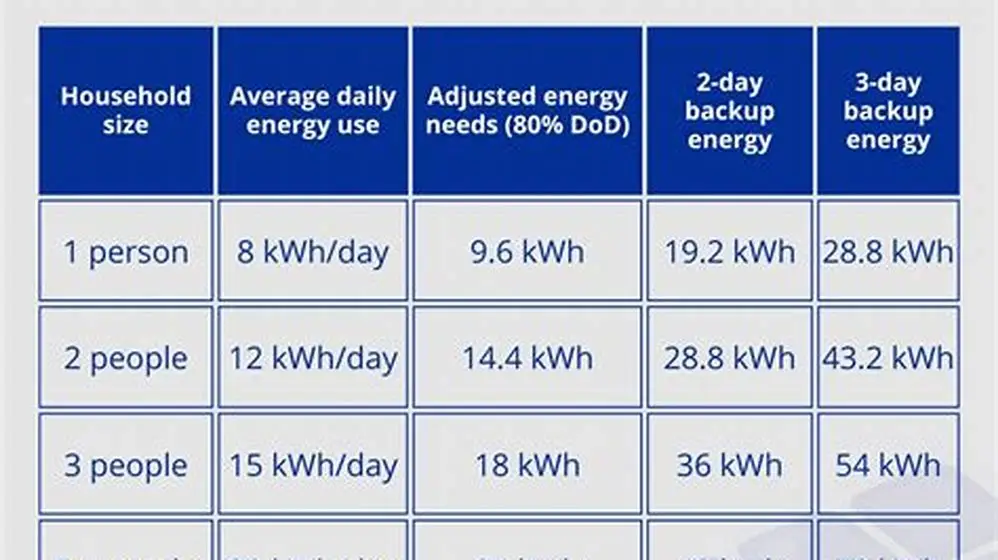
To size a solar battery, start with your average daily electricity use in kWh and decide how many hours or days of backup you want. Multiply daily kWh by backup days, then adjust for battery efficiency (usually 85-95%). This gives the battery capacity in kWh.
On this page
- Quick recap
- Solar battery kWh calculator simple inputs for quotes
- How to estimate your home's average daily electricity use
- Choosing the backup duration to determine battery capacity
- Adjusting battery size for efficiency and usable capacity
- Is solar with battery worth it for your home
- Comparing solar battery systems and installers when getting quotes
- Quick questions
Part of our guide on solar battery installation process
Quick facts
- Typical home use
- 20-30 kWh/day
- Battery efficiency
- 85-95%
- Backup days
- 1-3 days common
- Recommended size
- Daily kWh × backup days
- Cost factor
- Higher with larger size
Quick recap
- Average daily usage in kWh is the primary input for battery sizing.
- Decide backup duration in hours or days based on your needs and budget.
- Adjust battery size for efficiency losses (typically 85-95%).
- Simple calculator inputs enable quick solar battery quotes.
- Solar batteries make financial sense mainly if offsetting expensive grid power or increasing resilience.
Solar battery kWh calculator simple inputs for quotes
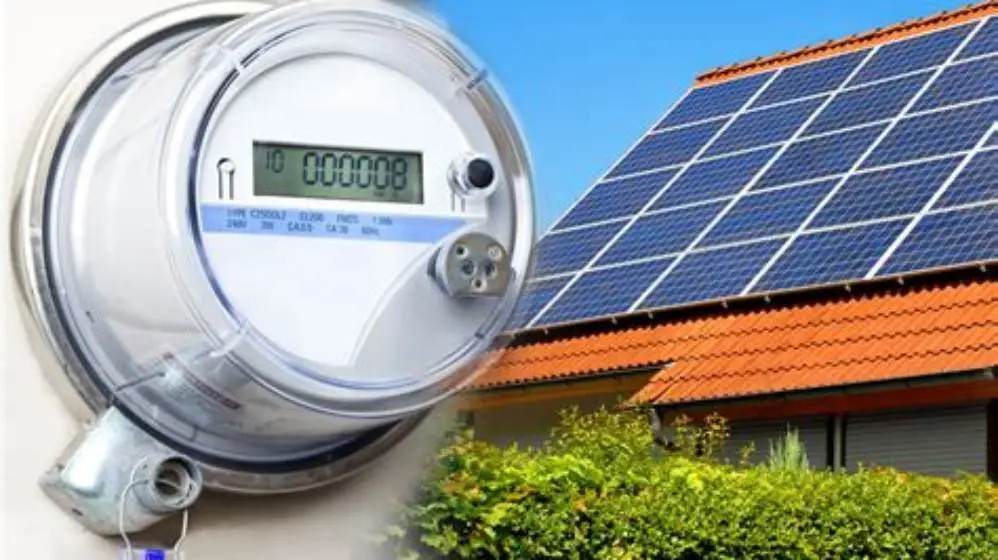
To calculate the solar battery size your home needs, you only require two key inputs: your average daily electricity consumption in kilowatt-hours (kWh) and the desired backup duration in days or hours. Start by finding your average daily consumption on your electricity bills or a smart meter; this usually ranges from 10 to 40 kWh for most homes but varies widely.
Next, decide how long you want your battery to cover your power needs during grid outages or low solar generation. One full day of backup is typical, but some prefer 2-3 days depending on reliability concerns and budget.
The calculator multiplies your daily kWh usage by your chosen backup duration. Then, it adjusts for battery efficiency losses, commonly between 85% and 95%, depending on the chemistry and inverter setup. This efficiency factor accounts for energy lost during charging, discharging, and conversion.
The resulting figure is the battery's usable capacity in kWh you should consider when seeking quotes. Always specify that you want usable capacity, not nominal or rated capacity, as manufacturers often list the larger nominal figure. For the detail, see our notes on solar generation meter.
- Find your home’s average daily electricity consumption in kWh.
- Choose your preferred backup duration in days or hours.
- Multiply daily consumption by backup duration to estimate energy storage need.
- Adjust the result by dividing by battery efficiency (e.g., divide by 0.9 for 90%).
- Use this adjusted kWh figure to request solar battery quotes.
- fast to calculate
- based on actual consumption
- easy for any homeowner to use
- does not consider peak demand
- does not include future usage growth
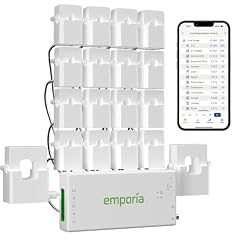
Emporia Vue 3 Home Energy Monitor
Does not publish a daily kWh consumption figure needed to determine your average daily electricity consumption.
How to estimate your home's average daily electricity use
Average daily electricity use is the cornerstone for sizing solar batteries. You can find this figure on your electricity bill, usually shown as total kWh used in the billing period along with the number of days billed. Divide total kWh by days to get daily kWh consumption.
If your bills vary seasonally, use the average over 12 months for a reliable number, or calculate separately for summer and winter if you want precise seasonal sizing.
In homes with smart meters, you may get more granular data, such as hourly or daily use, which is better for fine-tuning battery size and understanding when you use most power. Before you commit to anything, it is worth looking at choosing right battery size.
Avoid guessing or using national averages unless you lack access to bills. National averages range roughly from 10 to 30 kWh per day but can mislead you substantially if your household is atypical, such as having electric heating or multiple electric vehicles.
For a more precise calculation, consider the timing of your energy use. If most of your electricity consumption happens in the evening or early morning when solar production is minimal, your battery sizing should accommodate this peak demand to maximize self-consumption and backup reliability.
In some cases, you might want to analyze your energy bills to find the highest daily consumption recorded in the past year to ensure your battery can cover peak usage days. For example, if your average daily use is 20 kWh but on some days it spikes to 30 kWh, sizing for the higher number provides greater resilience but at increased cost. We go through is a home battery cost effective uk step by step elsewhere on the site.
Choosing the backup duration to determine battery capacity
Backup duration is how long you want your battery to power your home without solar generation or grid electricity. Selecting this depends on your priorities: do you want to cover short blackouts, days of bad weather, or maximize self-consumption?
One full day backup is common, which means the battery should hold enough kWh to supply your average daily consumption. For resilience, some opt for 2 or 3 days, but battery size and cost increase proportionally.
Longer backup also means you can store more excess solar energy during sunny periods to use later, reducing grid dependency further. However, batteries rarely discharge 100% of their rated capacity to preserve lifespan, so oversizing slightly is prudent. We go through tesla powerwall payback in uk house with 3 bed solar step by step elsewhere on the site.
If you have a backup generator or can reduce loads selectively, sizing smaller batteries can work. Conversely, if you want complete outage coverage including heating or cooling, expect to need significantly larger capacity.
Backup duration isn’t only about covering outages; it also depends on your lifestyle and tolerance for power interruptions. For instance, if you live in an area with frequent short blackouts lasting a few hours, a battery sized for several hours of backup might suffice, reducing costs.
A worked example: if your daily use is 24 kWh and you want 12 hours of backup, divide 24 kWh by 2 (24/2 = 12 kWh). Adjusting for 90% efficiency means 12 ÷ 0.9 = approximately 13.3 kWh nominal capacity. This is smaller and less costly than a full day of backup but still offers meaningful protection. We cover current smart export prices overview in its own article.
Adjusting battery size for efficiency and usable capacity
Battery systems lose energy during charging, discharging, and conversion. Typical round-trip efficiency (energy out divided by energy in) ranges from 85% to 95%, depending on battery chemistry and the inverter.
To get the usable battery size, divide your calculated energy need by the efficiency factor. For example, if your backup need is 10 kWh and efficiency is 90%, you need about 11.1 kWh of nominal battery capacity (10 ÷ 0.9).
Battery manufacturers often quote nominal or rated capacity, not usable capacity, which can be 5-20% lower due to depth-of-discharge limits to prolong battery life.
Confirm with suppliers what usable capacity their battery provides. Oversizing slightly guards against degradation over time.
Some battery chemistries, like lithium iron phosphate (LiFePO4), offer higher usable capacity and longer cycle life than standard lithium-ion options. Choosing these may reduce the need for oversizing to compensate for degradation.
Also, over time batteries degrade and their usable capacity decreases, typically 1-2% annually. Including a margin in initial sizing helps maintain your backup duration as capacity declines. For example, adding 10% extra capacity upfront can extend effective lifespan and performance.
Is solar with battery worth it for your home
Solar batteries make financial sense primarily when your electricity rates are high, you have time-of-use tariffs, or frequent grid outages. They also enhance self-consumption by storing excess solar energy for night use, reducing imports from the grid.
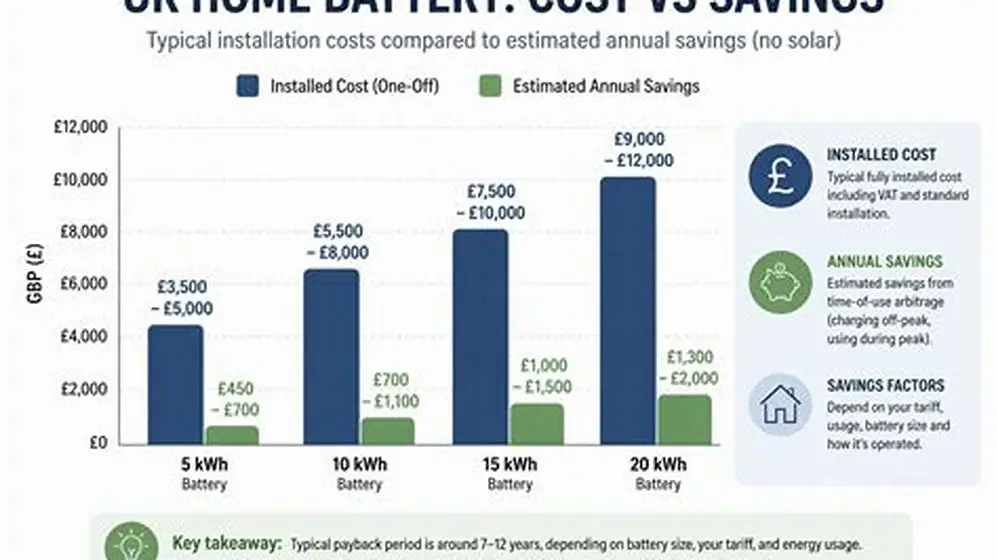
Without subsidies or high grid costs, payback times on batteries can be long (often over 10 years) while panels alone usually pay back faster. If your main goal is resilience or reducing carbon footprint, batteries add value beyond money saved.
Evaluate your daily consumption profile, solar production, and electricity prices to see if a battery increases savings enough to justify its upfront cost. Many homeowners find a smaller battery combined with solar panels hits the best balance.
New policies and falling battery prices continue to shift this balance. Consider quotes from multiple installers and compare estimated savings to upfront costs carefully.
| Aspect | Benefit | Limitation |
|---|---|---|
| Cost | Lowers grid bills | High upfront investment |
| Resilience | Backup power during outages | Only lasts limited hours |
| Environmental | Reduces fossil fuel use | Manufacturing impact |
| Lifespan | Lasts ~10 years | Capacity decreases over time |
- can reduce grid bills significantly
- provides power during outages
- increases solar self-use
- high upfront cost
- limited lifespan and capacity degradation
- long payback without incentives
Comparing solar battery systems and installers when getting quotes
When you have your calculated needed kWh battery size, use it to get quotes from different suppliers. Compare not only price but warranty terms, battery chemistry (lithium-ion is common), inverter compatibility, and installation services.
Ask installers about the usable capacity, round-trip efficiency, and expected degradation rates. Check if the system includes monitoring to track performance and health.
Quotes should detail total system cost, including installation, permits, and any additional equipment like battery management systems or upgrades to your electrical panel.
Look for local installers with good reputations and experience in your area’s climate and grid conditions. Don’t choose solely on the lowest price: proper sizing, quality installation, and support matter crucially.
Be ready to discuss your daily kWh use, backup goals, and budget clearly. This makes quotes more accurate and comparable.
Quick questions
How do I find my home's daily electricity consumption if I don’t have a smart meter?
Use your electricity bills to find total kWh used over the billing period and divide by the number of days. If bills vary, calculate an average over a few months for accuracy.
Can a solar battery eliminate my electricity bills entirely?
Rarely. Batteries store solar energy but cannot supply all your power indefinitely. You’ll still draw from the grid on cloudy days or high usage periods unless your system is very large.
What battery size suits homes with electric vehicles?
They typically need larger batteries due to high charging demands. Use your daily kWh including EV charging needs for sizing, which can double typical home use.
How does depth of discharge affect usable battery capacity?
To prolong battery life, you shouldn’t fully discharge it. This reduces usable capacity by 5-20% compared to nominal capacity, which must be factored into sizing.
Are lead-acid batteries a good alternative to lithium-ion for home solar?
Lead-acid batteries are cheaper but have lower efficiency (around 80%) and shorter lifespan (3-5 years). Lithium-ion is preferred for better performance and longevity.