An inverter changes electrical frequency to control compressor speed, matching heat output precisely to what your home needs.
A heat pump inverter varies the electrical frequency supplied to the compressor motor, changing its speed from around 20% to 100% capacity. This lets the pump match heat output to real-time demand, avoiding the on-off cycling that wastes energy in fixed-speed units.
On this page
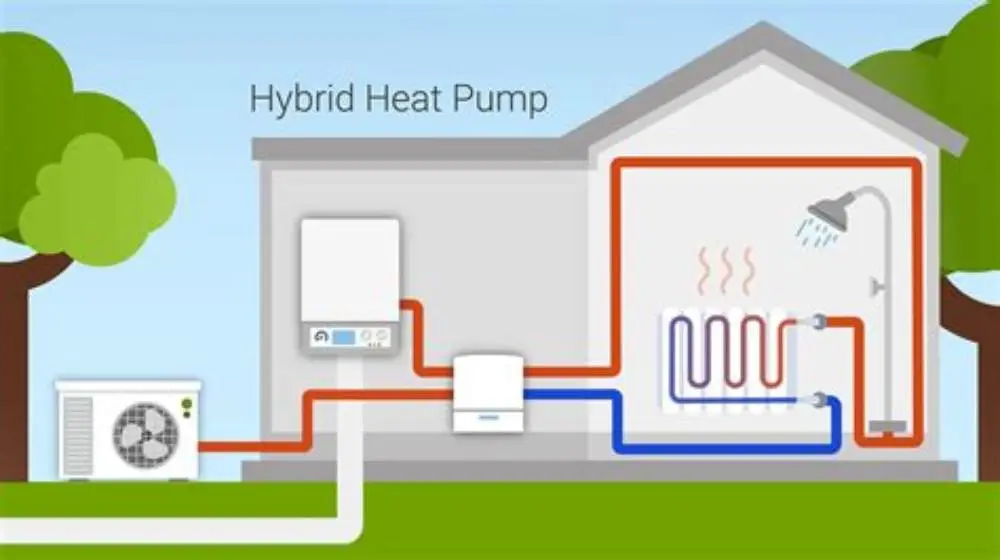
Part of our guide on thermal store tanks with hybrid heat pumps
An inverter doesn't save energy by being efficient itself—it saves energy by letting the compressor run slowly instead of cycling off and on.
| Frequency range | 15-120 Hz typical |
|---|---|
| Speed modulation | 20-100% capacity |
| Efficiency gain | 20-40% vs fixed-speed |
| Temperature hold | within 0.5°C |
| UK market share | near-universal since 2020 |
The short version
- Inverters change AC frequency from the standard 50 Hz up to around 120 Hz to speed up the motor, or down to 15-20 Hz to slow it.
- Variable speed cuts energy use by 20-40% compared to fixed-speed pumps that cycle on and off.
- Inverter-driven heat pumps hold room temperature within 0.5°C, while fixed-speed units swing by 2-3°C.
- Almost all air-source heat pumps sold in the UK since 2020 use inverter control.
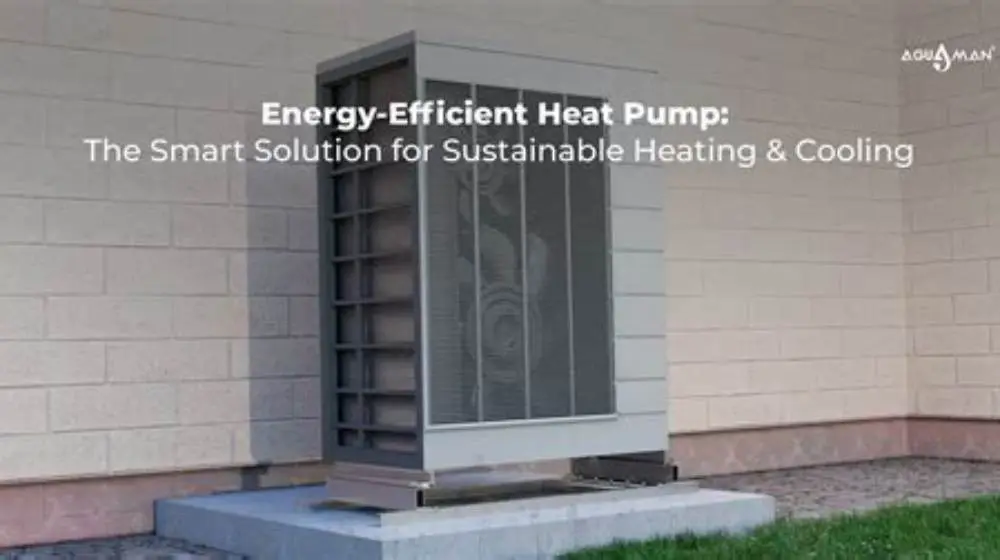
- The inverter module sits between the mains supply and the compressor, inside the outdoor unit.
What a heat pump inverter does
An inverter is an electronic module that converts incoming 50 Hz mains AC into a variable-frequency AC supply, typically ranging from 15 Hz to 120 Hz. The compressor motor's speed is directly proportional to this frequency. At 50 Hz the motor might turn at 3,000 rpm; at 100 Hz it doubles to 6,000 rpm, and at 25 Hz it halves to 1,500 rpm. Refrigerant flow rises and falls with motor speed, so heat output scales in step.
The inverter sits inside the outdoor unit, between the incoming power supply and the compressor. It comprises a rectifier stage that converts AC to DC, a set of capacitors that smooth the DC, and an inverter bridge (usually six transistors in a three-phase configuration) that chops the DC back into AC at whatever frequency the control board requests. That frequency changes second by second, driven by the difference between target room temperature and actual temperature measured by the indoor thermostat.
When demand is low (say the house is nearly at setpoint on a mild day) the inverter drops frequency to perhaps 20 Hz and the compressor ticks over at minimal speed, delivering just enough heat to offset losses. When you first switch on or outdoor temperature plunges, the inverter ramps up to 100 Hz or higher, driving the compressor flat out until the room warms. This continuous modulation is what distinguishes an inverter heat pump from a fixed-speed one.
Fixed-speed compressors run at one speed whenever they're on, so the only control is an on-off relay. The pump cycles: full power until the thermostat is satisfied, then off until temperature drops again. Each restart incurs an inrush current spike and a period of low efficiency while refrigerant pressures stabilise. Inverter control eliminates those cycles, keeping the system in its most efficient operating window for longer. We go through buffer tank benefits explained step by step elsewhere on the site.
How an inverter changes motor speed
The compressor motor in most modern heat pumps is a brushless DC (BLDC) or permanent-magnet synchronous motor (PMSM), both of which require three-phase AC to spin. The inverter generates that three-phase supply by switching six power transistors (typically insulated-gate bipolar transistors (IGBTs) or silicon-carbide MOSFETs) in a precise sequence. Each transistor connects one motor winding either to the positive or negative DC rail. By toggling the transistors at high frequency (several kilohertz), the inverter synthesises a smooth three-phase waveform.
To change motor speed, the control board adjusts the fundamental frequency of that waveform. At the same time it scales the voltage amplitude in proportion, maintaining constant volts-per-hertz ratio so magnetic flux stays within the motor's design limits. This technique is called scalar control or V/f control. More sophisticated inverters use vector control, which monitors rotor position in real time and adjusts current in each winding to maximise torque and efficiency at every speed. Vector control adds cost but improves part-load performance by several percentage points.
The control loop runs at roughly 1 Hz: the board reads indoor and outdoor temperature, calculates required heat output, looks up the corresponding compressor speed in a calibration table, then commands the inverter to that frequency. If the room undershoots target, frequency ticks up by a few hertz; if it overshoots, frequency drops. The loop integrates error over time, so sustained under-temperature will eventually push the compressor to maximum speed, while prolonged over-temperature will idle it down to the minimum. If that sounds like your situation, read up on are smaller heat-pumps more efficient next.
Minimum speed is usually set to keep oil circulating and prevent refrigerant migration. Below about 20% of rated capacity the compressor struggles to maintain differential pressure, and efficiency falls. Maximum speed is capped by motor winding temperature, bearing loads and the inverter's current rating. Some units briefly exceed nominal maximum (called overboost) for a few minutes during defrost or cold startup, then settle back once pressures equalise.

KAIWEETS Digital Clamp Meter Multimeter with D-Shaped Jaw for AC/DC Current &
Lets you verify compressor current draw with a clamp meter that measures AC current with a D-shaped jaw and true RMS accuracy.
Why variable speed improves efficiency
A fixed-speed heat pump cycles on and off. On a mild spring day it might run five minutes, then stay off fifteen. Each start draws four to six times rated current for one to two seconds while the motor accelerates and pressure equalises. That inrush heats the windings without moving useful heat. The first minute of each cycle runs at low coefficient of performance (COP) because evaporator and condenser pressures have not stabilised.
An inverter-driven compressor runs nearly continuously at reduced speed. Instead of five minutes at 6 kW then fifteen minutes off, it can run twenty minutes at 1.5 kW. You get the same heat with no inrush losses and no long transient inefficiency. Field tests report seasonal COP improvements of 20-40% versus comparable fixed-speed units in the same installation. The largest gains occur in mild weather when fixed-speed units cycle most. We cover will a heat pump fit my house with old radiators in its own article.
Refrigerant dynamics also favour low speed. At low compressor speed refrigerant spends more time in the evaporator and condenser coils. Heat transfer moves closer to equilibrium and the temperature gap between refrigerant and air narrows. That raises COP. A fixed-speed unit sizes coils for full load; at part load refrigerant can rush through and waste surface area. An inverter keeps flow matched to exchanger capacity.
Defrost uses less energy with modulation. A fixed-speed unit reverses at full power for two to five minutes and often overshoots. An inverter modulates speed to melt frost, then returns to heating. Real-time coil monitoring and speed control can cut defrost energy by about one third versus fixed-speed.
- Startup losses: cut by avoiding repeated full-power starts.
- Heat-exchange: longer refrigerant dwell time at low speed raises COP.
- Defrost: modulated melting reduces energy used and overshoot.
- Seasonal gain: 20–40% higher SCOP in many installations.
Temperature stability and comfort
Fixed-speed units make room temperature swing in a sawtooth pattern. The room warms when the compressor runs. It then cools while the unit is off. Total swing commonly reaches 2-3°C, which people notice. Inverter units hold temperature within ±0.5°C by adjusting output continuously. The compressor throttles, rarely stopping while the system matches standing losses. Before you commit to anything, it is worth looking at do heat pumps provide hot water.
High thermal mass systems benefit most. Underfloor heating releases stored heat slowly. A fixed-speed pump overshoots because the floor keeps releasing heat after the compressor stops. It then takes long to recover. An inverter ramps down as the room nears setpoint. The floor and room reach equilibrium together. The result is consistent warmth rather than alternating hot and tepid floors.
Noise drops with lower speed. A fixed-speed outdoor unit runs at around 55-60 dB(A) at 1 m while it runs, then goes silent. An inverter at part load can fall to 40-45 dB(A) and stay there for long periods. Neighbours hear a steady low hum instead of repeated loud bursts. That steady sound is less intrusive.
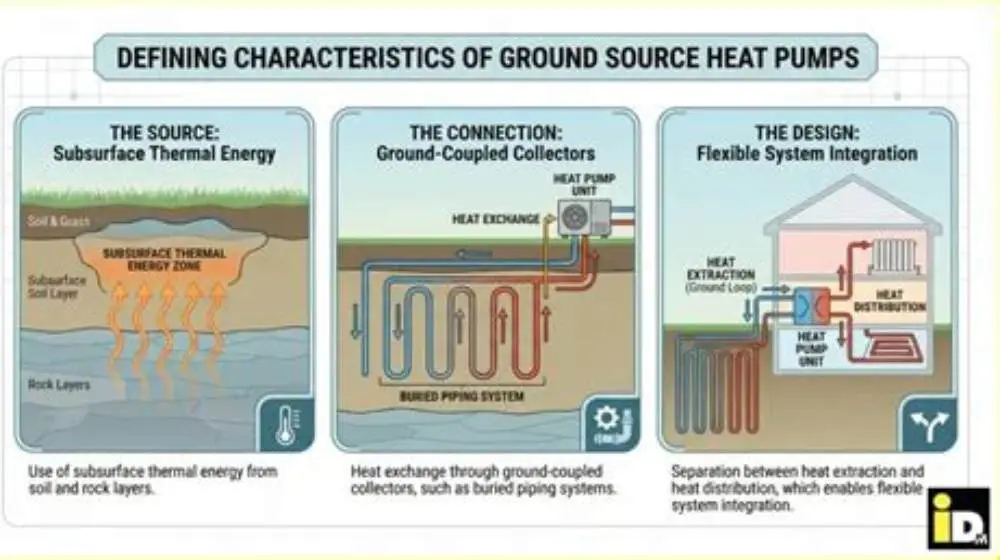
Some controllers learn building thermal mass and heat loss over several weeks and then tune modulation. A well-insulated house typically settles with the compressor at 30-40% speed. A draughty house might average 60-70%. Units with internet connection can also factor short-term weather forecasts to pre-warm before a cold snap or idle down ahead of a warm afternoon. There is more on ground source heat pump depth in a separate guide.
Difference between inverter and non-inverter heat pumps
A non-inverter (fixed-speed) heat pump has a simpler control system: a contactor relay switches mains power to the compressor motor, which runs at constant speed until the thermostat opens the circuit. The compressor is typically a single-phase induction motor or a three-phase motor fed directly from the mains. There's no frequency conversion, no speed modulation and no control loop beyond on-off. These units were common until the mid-2010s but are now rare in the UK domestic market; almost every air-source heat pump sold since 2020 uses inverter drive.
Cost difference has narrowed. A decade ago an inverter added £500-800 to the unit price; today the premium is closer to £200-300 or less, because inverter electronics have commoditised and because fixed-speed units are produced in such low volume that they've lost economy of scale. Running-cost saving from the 20-40% efficiency gain repays that premium within two to three years at current electricity prices, sooner if you're replacing an old oil or LPG boiler.
Reliability used to favour fixed-speed pumps, which had fewer electronic components to fail. Modern inverters have closed that gap. The power transistors are rated for 100,000 hours and the capacitors for 15-20 years at typical operating temperatures. Inverter failures do occur (usually a failed transistor or a blown fuse on the DC bus) but they're no more common than compressor-contactor failures in fixed-speed units. Most manufacturers now give ten-year warranties on inverter-equipped pumps, the same as fixed-speed.
One edge case where fixed-speed still appears is in large commercial or industrial heat pumps above 50 kW, where the inverter would need costly high-current transistors and the building's heat demand is high enough that the pump rarely cycles anyway. Below 20 kW (the entire residential range) inverter drive is standard, and non-inverter models are usually clearance stock or grey imports.
| Feature | Inverter | Fixed-speed |
|---|---|---|
| Compressor speed | 20-100% modulation | 100% or off |
| Typical SCOP | 4.0-5.0 | 2.8-3.5 |
| Temperature swing | ±0.5°C | ±2-3°C |
| Part-load noise | 40-45 dB(A) | 55-60 dB(A) or silent |
| Purchase premium | £200-300 | baseline |
| Payback period | 2-3 years | n/a |
What can go wrong with an inverter
The most common failure is a blown fuse or failed transistor on the inverter bridge. Causes include a mains voltage spike or compressor current surge. Typical symptoms are the outdoor fan running while the compressor stays silent, or an inverter overcurrent error. Replacing the inverter board costs about £300-600 plus labour. Some installers keep common boards in stock; others require a week for supply.
Aging DC bus capacitors reduce bus voltage and raise ripple. The control board may flag under-voltage or over-ripple. The unit then limps at reduced top speed or fails to start on cold mornings when startup current peaks. Technicians replace capacitors for roughly £150-250. Many choose a full board swap to avoid repeat visits.
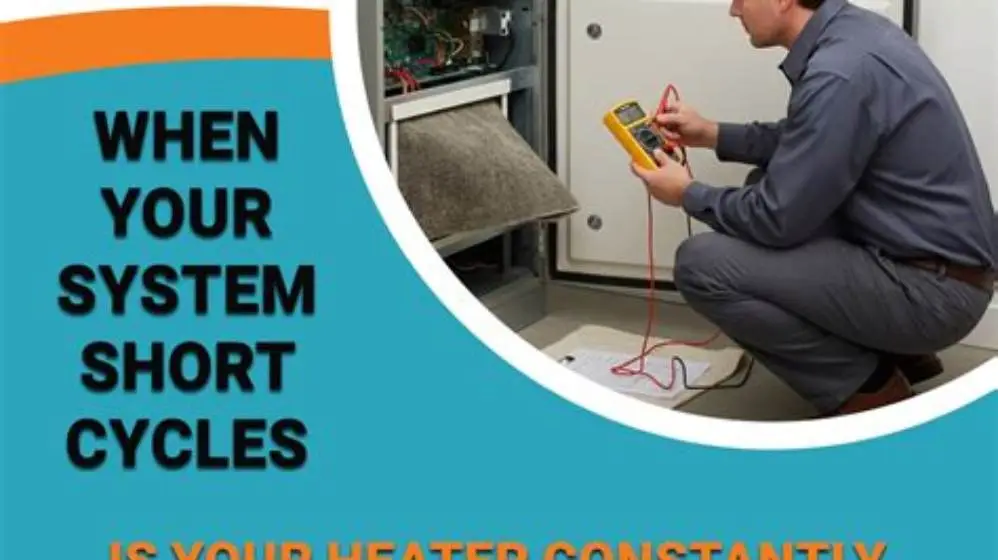
Software faults can lock the unit into fixed-speed mode or stop modulation below 50%. The system runs but won't throttle, so rooms overheat and energy use rises. A power-cycle sometimes clears the fault. If not, the installer can reload firmware or reset the control board. Check commissioning settings; some models include a fixed-speed fallback switch for specific markets.
High-frequency switching can create electromagnetic interference (EMI). DAB radios, Wi‑Fi or baby monitors may glitch if the outdoor unit sits close to a window. Units should have an EMC filter to cut conducted and radiated noise. Older or cheap models sometimes lack a proper filter. Upgrading the filter costs about £80-150. Running a separate earth from the outdoor unit to the house earth terminal also helps.
Questions people still ask
Can I retrofit an inverter to a fixed-speed heat pump?
Not practically. The compressor motor in a fixed-speed pump is designed for direct mains connection and won't accept variable-frequency drive without rewinding. The control board, sensors and refrigerant calibration also differ. It's cheaper and more reliable to replace the whole outdoor unit with an inverter model.
Does an inverter heat pump cost more to run at low speed than a fixed-speed pump cycling?
No. An inverter running at 30% speed for an hour uses less energy than a fixed-speed pump cycling on for 20 minutes at 100%, even though both deliver the same total heat. The inverter avoids startup losses and operates closer to peak COP. Field data shows 20-40% energy saving over a heating season.
How long does a heat pump inverter last?
Inverter modules are typically rated for 15-20 years, matching the expected life of the compressor. Capacitor aging is the limiting factor; they may need replacement after 10-15 years, especially in hot climates. Most manufacturers cover inverter failures under a ten-year parts warranty.
Will an inverter heat pump work during a power cut?
No. The inverter requires mains power to generate the variable-frequency AC that drives the compressor. If you have a backup generator or battery inverter, make sure it can supply clean 50 Hz AC at the heat pump's rated current, typically 15-30 A for a domestic unit.
Can I hear the inverter changing speed?
Yes, the outdoor unit's hum changes pitch as the compressor ramps up or down. A rising pitch means demand is increasing; a falling pitch signals the system is throttling back. It's most noticeable during startup or when weather changes quickly.