The right ventilation duration depends on method and room size: purge ventilation takes 5-15 minutes, trickle vents need 15-20 minutes minimum.
Purge ventilation with windows fully open needs 5–15 minutes to exchange most room air. Trickle ventilation requires 15–20 minutes minimum to notice a change. The exact time depends on room size, wind and the method used.
On this page
- The short version
- Recommended length of each ventilation event in minutes
- Why timing matters for energy and damp control
- how long should each ventilation last
- Winter ventilation: balancing warmth and fresh air
- Summer and shoulder-season ventilation strategy
- Signs you're ventilating too much or too little
- Questions people still ask
Part of our guide on how mvhr units function
Most homes ventilate too long in winter or not long enough in summer, wasting either heat or air quality.
| Purge (small room) | 5-10 minutes |
|---|---|
| Purge (large room) | 10-15 minutes |
| Extract fan run-on | 15-20 minutes |
| Trickle vent session | 15-20 minutes minimum |
| Winter frequency | 2-4 times per day |
| Air changes needed | 0.5-1.0 per session |
| Temperature drop | 1-3°C typical |
The short version
- Purge ventilation: 5-10 minutes for small rooms, 10-15 minutes for large spaces with windows wide open
- Trickle vents need 15-20 minutes minimum per session if you're opening them periodically rather than leaving them open
- Extract fans in kitchens and bathrooms should run for 15-20 minutes after cooking or showering to clear moisture
- Ventilate 2-4 times daily in winter to balance air quality with heat loss
- Stop when condensation clears or air feels fresher; longer sessions waste heat without extra benefit
Recommended length of each ventilation event in minutes
Purge ventilation with windows fully open exchanges most of a room's air in 5-15 minutes, depending on room size and outdoor conditions. A small bedroom or bathroom reaches effective turnover in 5-10 minutes. A large living room or open-plan kitchen needs 10-15 minutes to flush stale air and bring humidity down. Wind speeds above 10 mph cut these times by a third; still days stretch them.
Trickle vents and background ventilators work more slowly. If you're opening trickle slots periodically rather than leaving them permanently open, allow 15-20 minutes minimum for a measurable reduction in CO₂ or humidity. Most building regulations assume trickle vents stay open all the time, delivering continuous low-level exchange rather than timed bursts. Closing them between sessions defeats their purpose unless indoor air quality is already good.
Extract fans in bathrooms and kitchens should run for 15-20 minutes after the activity that generated moisture or odour stops. Shorter runs leave steam condensing on cold surfaces. Some units have a built-in timer or humidity sensor that cuts power automatically; manual switches need discipline. A 20-minute overrun timer is standard in new installations and removes guesswork.
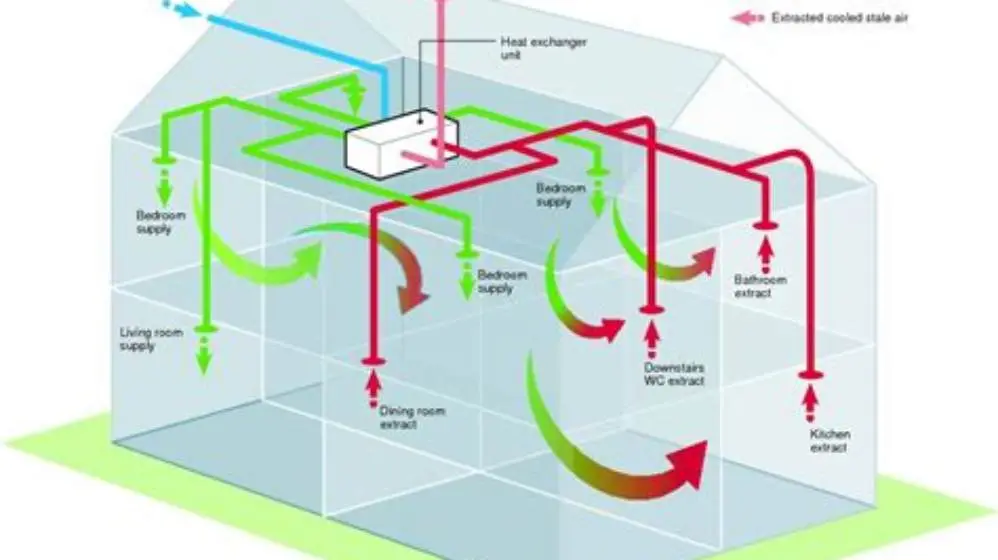
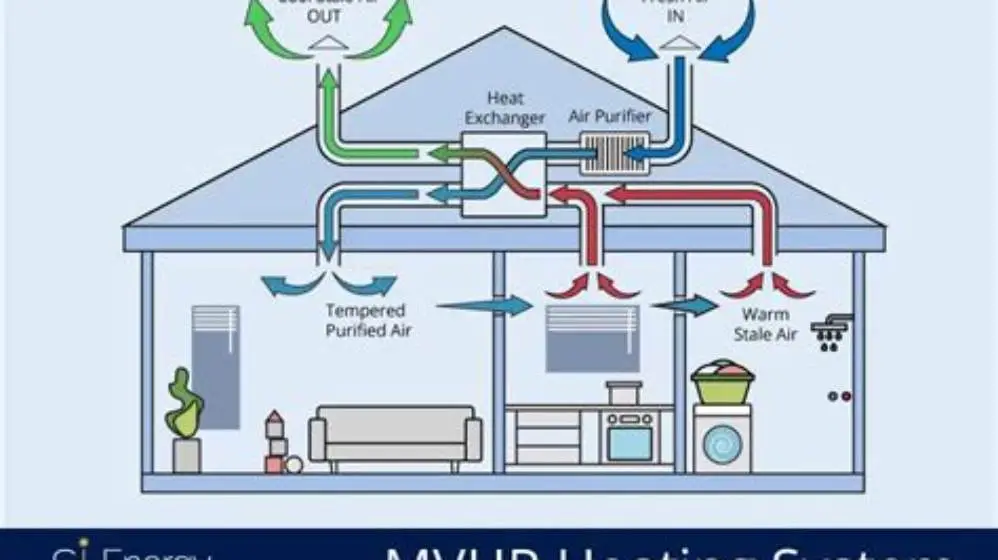
Mechanical ventilation with heat recovery (MVHR) runs continuously at a background rate and boosts to a higher flow on demand. The boost phase typically lasts 20-30 minutes when triggered by a humidistat or manual switch, then drops back to trickle. Intermittent MVHR systems exist but are rare; most are designed for constant low-speed operation with short high-speed intervals. We go through step-by-step mvhr setup step by step elsewhere on the site.
| Method | Small room (under 15 m²) | Large room (over 20 m²) | Notes |
|---|---|---|---|
| Purge (windows wide) | 5-10 minutes | 10-15 minutes | Faster in wind, slower on still days |
| Trickle vents (periodic) | 15-20 minutes | 20-30 minutes | Best left open continuously |
| Extract fan (bathroom) | 15-20 minutes | 15-20 minutes | After shower or bath ends |
| Extract fan (kitchen) | 15-20 minutes | 20 minutes | After cooking finishes |
| MVHR boost | 20-30 minutes | 20-30 minutes | Returns to trickle automatically |
Why timing matters for energy and damp control
Ventilation that's too short leaves moisture, CO₂ and odours behind. A three-minute window burst barely dents the humidity in a steamy bathroom; condensation reforms on mirrors and tiles within minutes, and mould spores get the damp surface they need to germinate. Stale air carries elevated CO₂ levels, typically 1200-1500 ppm in a poorly ventilated bedroom by morning, well above the 800-1000 ppm threshold for noticeable stuffiness and poor sleep quality.
Ventilation that runs too long wastes heat without further benefit. Once the room's air has turned over, keeping windows open just chills the walls, floor and furniture. Thermal mass takes hours to rewarm, so a 30-minute purge session in January can cost you two hours of heating to recover indoor comfort. The marginal gain in air quality after the first 10-15 minutes is negligible unless you're clearing heavy cooking fumes or paint vapour.
Timing also governs how much outdoor pollution enters. In urban areas, NO₂ and particulate levels peak during morning and evening rush hours. Ventilating at 7-9 am or 5-7 pm brings in more traffic exhaust than a lunchtime or late-evening session. A 10-minute purge at midday delivers fresh air with lower污染load, especially on streets within 50 metres of heavy traffic. Before you commit to anything, it is worth looking at indoor air quality tips.
Damp control hinges on removing moisture faster than it accumulates. A household of four generates roughly 10-15 litres of water vapour per day from breathing, cooking, washing and drying clothes. Inadequate ventilation lets relative humidity climb above 60-65% for prolonged periods, encouraging mould on cold corners and window reveals. Timed extract and purge sessions break that cycle, but only if they're long enough to drop humidity below the condensation threshold on the coldest surface in the room.

Air Quality Monitor Indoor
This device shows CO2 and humidity levels in real time but does not state ventilation duration.
how long should each ventilation last
how long should each ventilation last? A clear answer: 5–15 minutes for a full purge with windows fully open in a typical room. Short bursts under 3 minutes seldom cut CO₂ or VOCs to comfortable levels. Use the lower end of the range for small, well-insulated rooms. Use the upper end for larger or cluttered rooms.
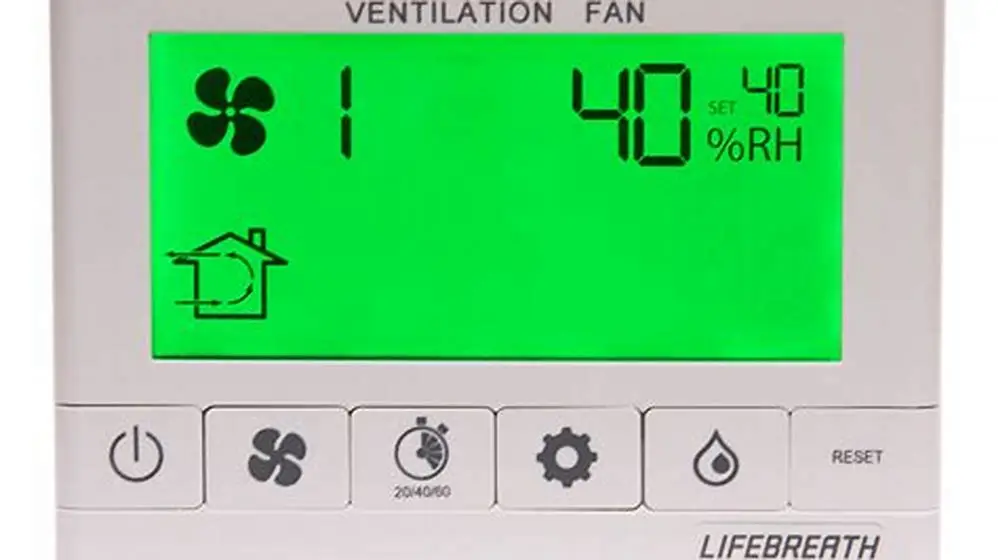
CO₂ is the easiest proxy for fresh air. Outdoor air is about 420 ppm. Indoor CO₂ above 1000 ppm links to drowsiness and reduced focus. A 5-minute purge in a 12 m² bedroom can drop CO₂ from 1400 ppm to 600–700 ppm. A 3-minute purge leaves about 900–1000 ppm. Aim for 400–600 ppm after a full purge. For the detail, see our notes on adjusting lifebreath fan settings.
VOCs clear slower than CO₂. Heavy furnishings and paints trap them. A 10–15 minute opposing-window session cuts VOCs by 40–60% in most rooms. A single-window purge for 5 minutes gives roughly 20–30% reduction. People with asthma or chemical sensitivity need the longer, cross-ventilation sessions.
Cooking and candles produce PM2.5. Particles stay aloft for 15–30 minutes after the event. Run an extract hood for 15–20 minutes after frying to remove most particulates. Ducted hoods that vent outside remove combustion gases. Recirculating hoods remove grease but return some gases to the room.
CO₂monitor: shows real-time levels. Target 400–600 ppm after a full purge.- VOC sensor: useful after redecorating. Watch for reductions of 40–60% with cross-ventilation.
PM2.5meter: should fall to under 25 µg/m³ after proper ventilation.- Hygrometer: aim for 40–60% relative humidity indoors for comfort and mould prevention.
Winter ventilation: balancing warmth and fresh air
Ventilate shorter and more often in winter. A 5–10 minute full-window purge swaps most room air while limiting heat loss. Well-insulated rooms lose about 1–3°C during a 10-minute purge and recover in 20–30 minutes once heating resumes. Poorly insulated homes cool faster and rewarm slower, so use 5–7 minute bursts there. The other half of this decision is boost speed noise in whole house fan.
Schedule 2–4 sessions daily: morning after rising, after cooking, mid-afternoon if occupied, and before bed. Make each session a quick, intensive purge. Do not leave windows on the latch for hours. Trickle vents may stay open if adjustable. They provide about 0.1–0.3 air changes per hour and reduce stuffiness with a smaller heat penalty.
Avoid ventilating in the coldest hours, usually 4–7 am, unless condensation or odour requires it. Do morning purges after sunrise when outside temperature often rises a degree or two and heating has run. Run extract fans with humidity sensors to target excess moisture. Set them to trigger at 60–70% RH and overrun for about 20 minutes after showers to clear steam without wasting heat.
If you use timers, keep them short. A 20-minute overrun after a bath is enough when the fan is ducted outdoors. Check ducts for blockages. Blocked or leaky ducts waste heat and fail to remove moisture. We cover 100mm inline extractor fan filters in its own article.
Summer and shoulder-season ventilation strategy
Summer ventilation can run longer without energy penalty because you're not paying to reheat the incoming air. A 15-20 minute purge or even continuous trickle ventilation works well in warm weather, especially overnight when outdoor temperatures drop and you can flush out the day's accumulated heat. Cross-ventilation with windows on opposite sides of the building doubles the air-change rate, cutting the time needed to cool a stuffy room.
Night ventilation is effective from late spring through early autumn. Open windows and trickle vents from 10 pm to 6 am when outdoor air is coolest, then close up during the day to keep heat out. This passive cooling strategy reduces daytime indoor temperatures by 2-4°C in homes with good thermal mass, and it costs nothing to run. Security concerns and noise in urban areas limit how widely you can open windows overnight, but even a 100 mm gap on upper-floor windows provides useful airflow.
Humid summer days complicate ventilation timing. When outdoor relative humidity exceeds indoor levels, opening windows can actually raise indoor moisture. Check a weather app or hygrometer: if outdoor RH is above 70%, limit daytime ventilation and wait until evening when humidity typically falls. Coastal and low-lying areas see higher summer humidity, sometimes 80-90% even on warm days, making dehumidifiers more effective than open windows for damp control.
Pollen and air pollution also influence summer ventilation schedules. Grass pollen peaks in early morning and late evening; tree pollen earlier in spring. If allergies are a concern, ventilate midday to early afternoon when pollen counts are lower and any grains that enter settle quickly. Urban PM2.5 and NO₂ levels drop at weekends and outside rush hours, so weekend morning ventilation brings in cleaner air than weekday commuting times.
Signs you're ventilating too much or too little
Under-ventilation shows as persistent window condensation, musty smells, and visible mould on cold corners or behind furniture. A CO₂ reading above 1000 ppm during the day or 1500 ppm on waking confirms poor air exchange. People report stuffiness, headaches and poor sleep. Laundry dries slowly indoors and damp patches spread despite normal heating.
Over-ventilation shows as high heating bills, cold draughts and rooms that struggle to reach comfort even with the heating on. If you're wearing extra layers while the thermostat reads 20°C, you're losing too much warm air. Winter relative humidity below 30% signals excessive air exchange, leading to dry skin and static shocks.
Mould on cold bridges despite regular heating means ventilation sessions are too short, not too rare. Increase each purge by 5 minutes and watch the hygrometer. If humidity drops below the dew point on those surfaces, the mould risk falls. Mould on warm internal walls usually indicates a leak or rising damp, not ventilation.
Good air quality with high energy bills means you're ventilating longer than needed. If CO₂ stays below 800 ppm and there's no condensation, shorten sessions by 3–5 minutes or drop one daily session. Use a smart meter or plug-in monitor to check heating consumption for a month after changes.
- Persistent condensation: add 5 minutes per session and check humidity falls below 60%.
- Musty smell returns quickly: raise frequency to 3–4 times daily rather than lengthening sessions.
- Room won't warm up: shorten purge to 5–7 minutes and check for draughts around frames.
- High heating bills with good air quality: cut one session or shave 5 minutes and monitor
CO₂and humidity.
Questions people still ask
Should I leave trickle vents open all the time or open them for set periods?
Leave them open continuously if they're adjustable and you can tolerate the small heat loss. Trickle vents are designed for constant background ventilation, delivering 0.1-0.3 air changes per hour. Closing them between sessions defeats their purpose. If draughts are a problem, fit adjustable trickle vents you can throttle down rather than closing them completely.
How do I know when a room has had enough ventilation?
Use a CO₂ monitor or hygrometer. CO₂ should drop to 600-700 ppm or lower, close to outdoor levels. Relative humidity should fall by 10-15 percentage points and land in the 40-60% range. If condensation on windows clears and air smells fresher, that's a good practical signal. Most rooms reach this point in 10-15 minutes with windows fully open.
Does opening windows for longer make air cleaner?
Only up to a point. After 10-15 minutes of purge ventilation, the room's air has been exchanged and further opening just wastes heat. Air quality improvements plateau once CO₂, VOCs and humidity reach outdoor baseline levels. Longer sessions are useful only if you're clearing very heavy fumes or if outdoor air is much drier than indoors and you're trying to reduce humidity further.
Is it better to ventilate for 10 minutes twice a day or 5 minutes four times?
Four shorter sessions usually work better for damp control because they prevent humidity building up between ventilation events. Two longer sessions are fine if your home stays below 60% RH between them and CO₂ doesn't climb above 1000 ppm. A hygrometer or CO₂ monitor will tell you which pattern keeps your air healthiest.
Can I use a fan to speed up ventilation and shorten the time needed?
Yes. A portable fan aimed at an open window pushes stale air out faster and can cut ventilation time by a third. Cross-ventilation with fans in opposite windows is even more effective. It's particularly useful in still weather when natural airflow is weak. Extract fans in kitchens and bathrooms already do this job, but a portable fan helps in bedrooms and living rooms without built-in ventilation.