To get rid of old insulation, wear protective gear and carefully remove it from attics or under-house spaces. Dispose of it at a local waste facility that accepts insulation. Replace under-house insulation with modern materials meeting current standards to reduce drafts and bills.
On this page
Part of our guide on materials for floor insulation
Quick facts
- Insulation removal time
- 4-8 hours typical
- Protective gear required
- Respirator, gloves, goggles
- Disposal type
- Depends on local regulations
- New insulation R-value
- R-13 to R-30 typical
- Under-house space clearance
- 30-50 cm height preferable
Quick recap
- Wear respirators and gloves to avoid dust and fibers.
- Old insulation disposal options depend on material and local rules.
- Replace under-house insulation with materials rated for moisture resistance.
- Removing insulation in small sections controls dust and debris.
- Check for asbestos or mold before removal; call professionals if found.
How to remove old insulation from attic
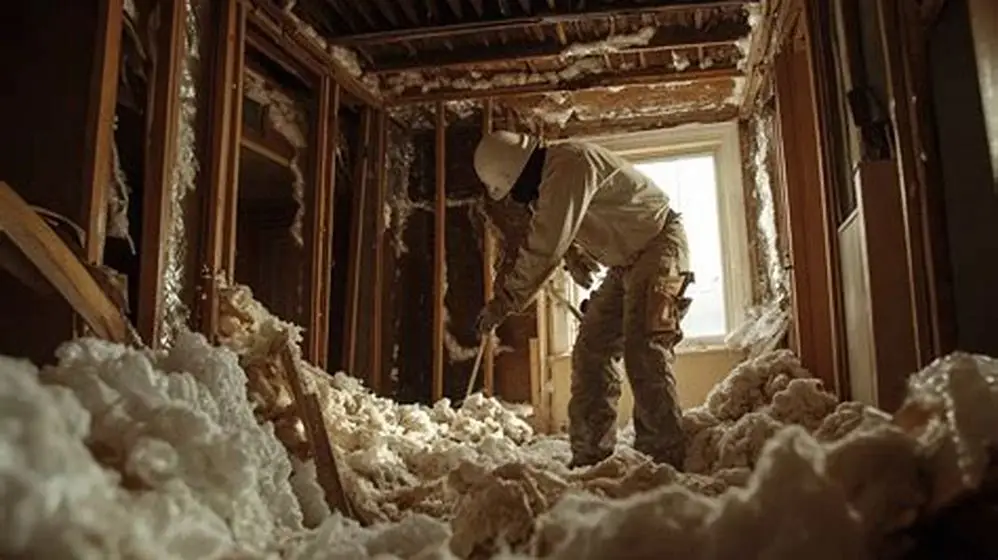
Removing old insulation from an attic begins with preparation and safety measures. The dust and fibers released are hazardous; you must wear a respirator rated at least N95, gloves, long sleeves, and protective goggles. Cut power to attic lighting to avoid electrical hazards.
Start removal in manageable sections usually about 1 square meter each to control airborne debris. Use a heavy-duty garbage bag or bucket to collect insulation. Fiberglass or cellulose insulation can be gently scraped or vacuumed with a HEPA vacuum designed for fine particles.
Watch for signs of mold or moisture damage, which may require specialist remediation. When insulation is compacted or stuck, carefully pry it loose with a flat scraper. Dispose of scraps immediately to prevent contamination of the living space below.
Ventilate the attic well during and after removal, typically by opening vents or using fans, to reduce airborne particles. Avoid stirring insulation dust into the home’s HVAC system. We go through checking insulation r-values step by step elsewhere on the site.
- Wear protective gear: respirator, gloves, eye protection, and long sleeves.
- Turn off attic power and ensure stable footing.
- Remove insulation in 1-square-meter sections, bagging immediately.
- Use a HEPA vacuum or scraper for stubborn pieces.
- Ventilate attic thoroughly before finishing.

3M 8511 N95 Cool Flow Valved Respirator
Protects your lungs from harmful insulation fibers with NIOSH-approved N95 filtration for at least 95% efficiency.
Where to get rid of old insulation
Old insulation disposal depends heavily on its type and local regulations. Fiberglass or cellulose insulation typically goes to a municipal waste or construction debris facility. Check your local council's website for approved drop-off sites.
Some places require insulation to be double-bagged in heavy-duty plastic to contain fibers. Loose-fill cellulose, often biodegradable, might be compostable but only after confirming local rules.
If old insulation contains asbestos (a common issue in homes built before the 1980s) do not attempt removal or disposal yourself. Contact a licensed hazardous waste removal contractor for safe handling and disposal. The other half of this decision is how to apply spray foam insulation.
In some regions, specialized recycling programs accept certain types of insulation, but this is uncommon. Otherwise, disposal at a landfill with construction waste acceptance is standard.
Keep receipts or documentation of disposal if you plan to offset costs in any home improvement tax claims.
- Fiberglass or cellulose: municipal construction waste sites.
- Asbestos-containing: licensed hazardous waste removal only.
- Double-bag loose insulation to prevent fiber release.
- Check local regulations online or by phone before disposal.
Replacing insulation under house
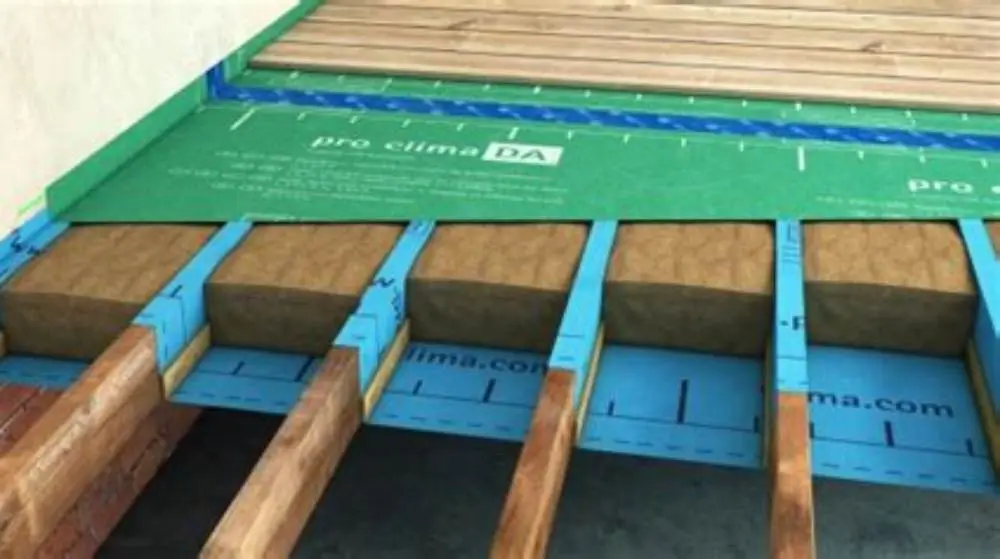
Replacing insulation under a house improves comfort and cuts heating and cooling bills. Start by inspecting the crawl space or under-floor area for moisture, pest damage, and clearance space. A minimum clearance of 30-50 cm allows installation and inspection. We go through how home insulation works step by step elsewhere on the site.
Select insulation material designed for under-floor use, typically rigid foam boards or foil-backed products providing moisture resistance and an R-value from R-13 to R-19 depending on your climate zone.
Ensure the new insulation is securely fastened to joists or supports, with edges sealed to prevent air leaks. Avoid materials that absorb moisture, to prevent mold growth and deterioration.
If the old insulation was wet or damaged, replace the vapor barrier on the ground with a polyethylene sheet at least 0.15 mm thick to control dampness from the soil. People in this spot often ask about building insulation wear signs as well.
Regularly check under-house insulation every 3-5 years for sagging or damage, especially if you have plumbing or wiring running through this space.
- Clear space of debris and pests before installing.
- Use rigid foam or foil-backed insulation rated for moisture resistance.
- Seal edges and joints to stop air leakage.
- Install a ground vapor barrier to reduce moisture.
How to get rid of old insulation safely and legally
Safety and legality are intertwined when getting rid of old insulation. Fiberglass and cellulose fibers can cause skin irritation and respiratory problems, so wear protective gear during removal.
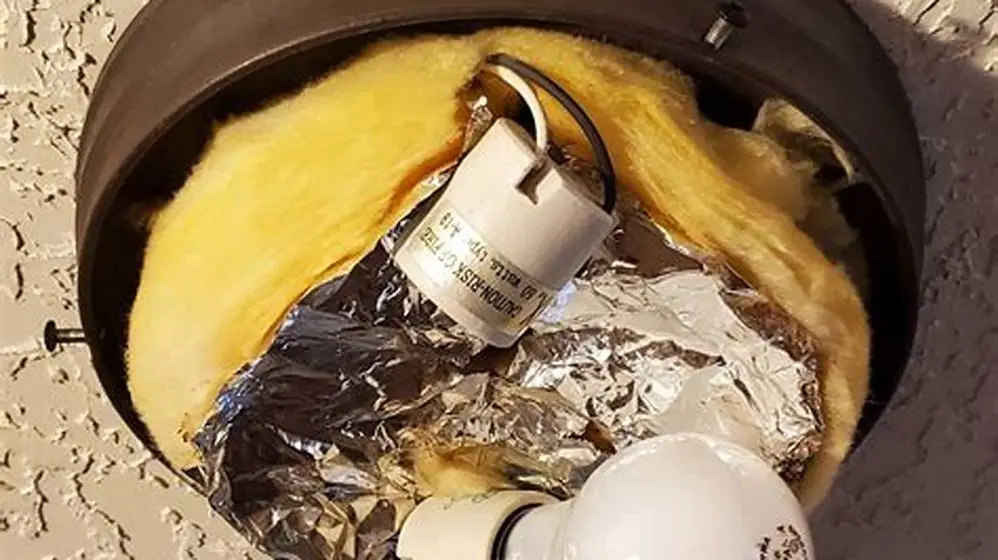
Legally, disposal must comply with local waste management rules. Contact your local council or waste authority to confirm whether insulation can go into general construction debris bins or requires special handling. The other half of this decision is can insulation touch light fixture.
Asbestos-containing insulation requires licensed asbestos professionals for removal and disposal. It is illegal and risky to remove it yourself.
Label bags of removed insulation clearly when transporting to landfill or waste sites to prevent accidental exposure to workers.
Keep records of disposal and any required permits to avoid fines or future liability.
- Wear full protective gear during removal.
- Check disposal regulations at local council websites.
- Hire licensed asbestos removal if asbestos is present.
- Label and double-bag insulation waste.
Step-by-step disposal and replacement procedure for old insulation
A correct disposal and replacement process minimizes dust, avoids damage, and ensures improved energy efficiency afterward. Follow these steps carefully.
First, gather protective gear: N95 respirator, gloves, eye protection, and disposable coveralls. Prepare bags or containers and label them.
Next, remove insulation in small sections from attic or under-floor areas, sealing material in bags immediately to contain fibers.
Transport bags to a designated waste disposal site following your local regulations. Avoid leaving insulation outside or on property grounds.
Before installing new insulation, clean the space thoroughly, repair any structural issues, and verify moisture levels.
Install new insulation that suits your climate and location, ensuring proper fastening and sealing to prevent air leaks and moisture ingress.
Monitor the new insulation after installation for settling or damage during the first months and every few years thereafter.
- Put on full protective gear.
- Remove old insulation section by section, bagging continuously.
- Dispose of bags at authorized local waste facilities.
- Clean and inspect the insulation area for moisture or damage.
- Install new insulation rated appropriately for the space.
- Seal and fasten insulation carefully to joists or framing.
- Check insulation condition periodically post-installation.
How to get rid of old insulation
To get rid of old insulation effectively, begin with testing for asbestos or mold if your home is older than 40 years. If clear, proceed by wearing protective gear and removing it carefully in small batches.
Collect all insulation debris in heavy-duty plastic bags, double-bag if recommended by local rules. Keep bags sealed to contain dust.
Arrange disposal with your local waste authority. Many councils have designated construction waste drop-off points; some offer scheduled bulky waste collection.
If you find that disposal options are limited or costly, consider recycling or repurposing cellulose insulation if clean and dry, but verify this with your local waste services.
Replacing insulation after removal is critical to maintain your home's thermal efficiency. Use materials with an R-value meeting or exceeding current building codes.
Regular maintenance after replacement prevents drafts and lowers heating and cooling bills significantly.
Quick questions
Can I remove old insulation myself safely?
Yes, if the insulation contains no asbestos and you use proper protective gear like an N95 respirator and gloves. Take care to remove in small sections and ventilate the area.
How do I know if my old insulation has asbestos?
Asbestos was common before the 1980s. You need a professional asbestos test kit or a licensed inspector’s assessment. Do not disturb suspected asbestos insulation yourself.
Where do I dispose of insulation in my city?
Check your local council’s website or call them for current disposal points and rules. Usually, construction waste facilities accept fiberglass and cellulose but not asbestos.
What is the best insulation to replace under-house insulation?
Rigid foam board or foil-backed insulation rated for moisture resistance and with an R-value between R-13 and R-19 is best for under-house spaces.
How often should I inspect under-house insulation?
Every 3-5 years, or after heavy storms and flooding events, to check for sagging, moisture or pest damage.