Yes, building insulation can wear out or degrade, typically over 20-30 years depending on material and conditions. Settling, moisture damage, and compression reduce its effectiveness, meaning replacement or repair is required when thermal resistance drops noticeably.
On this page
- Quick recap
- Does insulation degrade or settle over time
- How to test if insulation is still effective
- When replacement is necessary versus repair
- Does building insulation wear out and have to be replaced
- How to check insulation condition yourself
- Preventing insulation wear and extending its life
- Quick questions
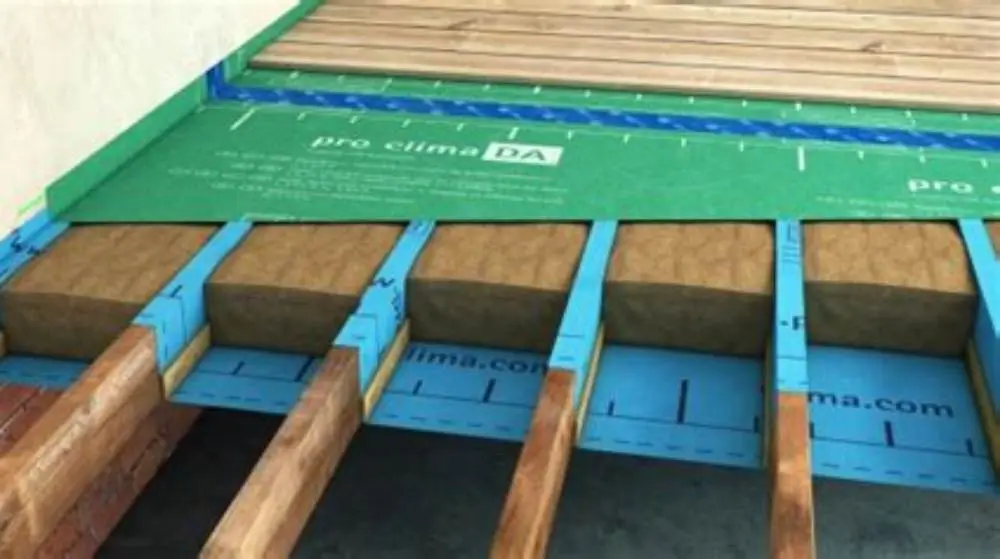
Part of our guide on how to insulate a suspended timber floor
Quick facts
- Typical lifespan
- 20-30 years
- Common wear causes
- moisture, settling
- Thermal resistance loss
- 10-50% when damaged
- Replacement trigger
- R-value drop
- Most affected material
- loose-fill cellulose
Quick recap
- Insulation usually lasts 20-30 years but varies by type and environment.
- Settling and moisture are primary causes of insulation wear and loss.
- Testing involves thermal imaging, R-value measurement, and moisture checks.
- Replace insulation when R-value falls below recommended levels or damage is evident.
- Regular inspections help detect wear before bills and drafts increase.
Does insulation degrade or settle over time
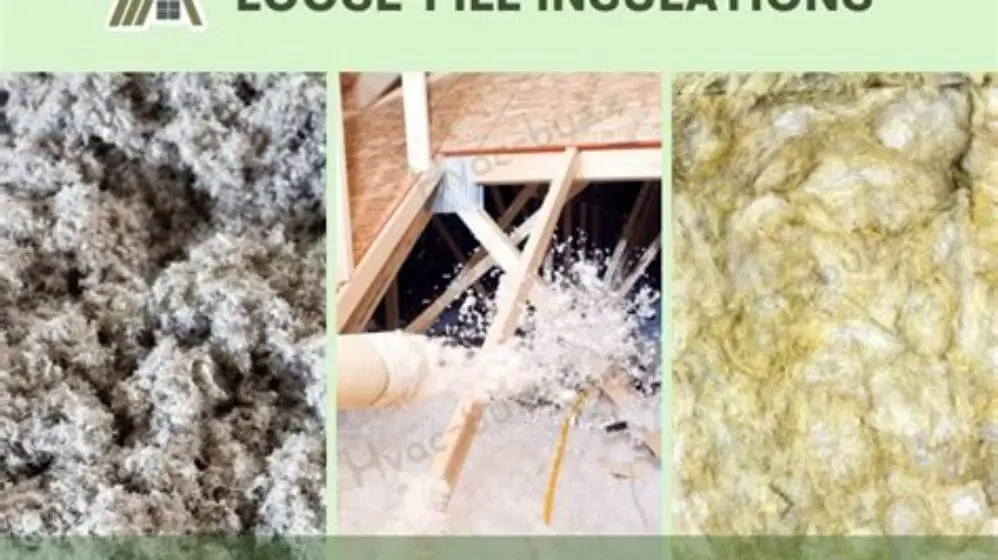
Building insulation generally degrades with age, often over a 20-30 year period. Materials like fiberglass batts, cellulose loose-fill, and spray foam all have different durability levels influenced by installation quality and environmental exposure.
Settling is common in loose-fill insulation, where the material compresses or shifts downward, leaving gaps that reduce thermal resistance by up to 30-50%. Moisture intrusion accelerates degradation by breaking down fibers or promoting mold growth, which damages insulation and framing.
Certain materials like closed-cell spray foam resist moisture and settling much better, retaining near full R-value for decades if properly installed. However, poorly ventilated spaces or roof leaks can still cause wear.
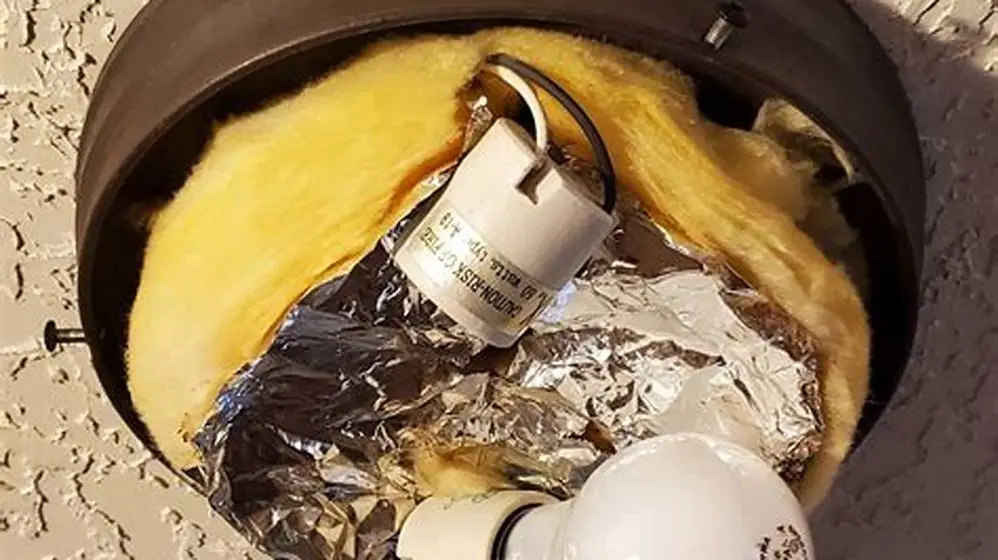
The effective lifespan depends on climate, installation, and maintenance. A humid or leaky attic shortens insulation’s performance drastically. Conversely, dry, stable conditions help preserve it longer. It helps to understand preventing fixture fire hazards before going further.
- Loose-fill cellulose: prone to settling and moisture damage
- Fiberglass batts: can compress or sag, losing insulating power
- Spray foam: durable but vulnerable to installation flaws
- Environmental factors: humidity, leaks speed up wear
How to test if insulation is still effective
Testing insulation effectiveness requires measuring its thermal resistance, or R-value, which indicates how well it slows heat flow. A decrease in R-value signals wear or damage.
Three practical tests help assess insulation condition: thermal imaging, depth measurement, and moisture detection. Thermal imaging cameras reveal heat loss visually, showing cold or hot spots where insulation performance is compromised.
Measuring insulation thickness compares existing depth against original specifications; reductions suggest settling or compression. Moisture meters detect damp areas that degrade material and promote mold. If that sounds like your situation, read up on when to upgrade insulation next.
Professional energy audits combine these methods with blower door tests to find leaks and quantify heat loss, providing a comprehensive evaluation.
An additional simple test involves checking indoor temperatures compared to outdoor conditions during extreme weather. If rooms feel noticeably colder in winter or hotter in summer than expected, it may indicate insulation loss. For example, a well-insulated wall should prevent indoor temperatures from dropping more than about 5°F below the thermostat setting during a cold snap. Larger discrepancies suggest insulation wear or air leaks.
In some cases, homeowners use handheld infrared thermometers to spot surface temperature differences on walls and ceilings. A reading variation exceeding 10°F between insulated and non-insulated sections often signals compromised insulation. Consistent readings over time help track degradation progression. Combining these simple measurements with visual inspections provides a practical, low-cost method to monitor insulation health. Before you commit to anything, it is worth looking at correct disposal methods.
- Thermal imaging: reveals insulation gaps or cold spots
- Depth measurement: compares current vs. original thickness
- Moisture meter: detects areas compromising insulation integrity
- Blower door: locates drafts and air leaks reducing effectiveness

AccuMEMS GT14S Thermal Imaging Camera
Resolution not stated, so cannot confirm it meets the 320x240 pixels minimum for insulation inspection.
When replacement is necessary versus repair
Replacement becomes necessary when insulation’s R-value falls below local building code requirements or manufacturer specifications. Damage such as mold contamination, severe compression, or extensive settling usually triggers replacement.
If only small areas are affected by moisture or pests, spot repairs or adding new insulation over existing layers may suffice, provided it does not cause moisture traps or reduce ventilation.
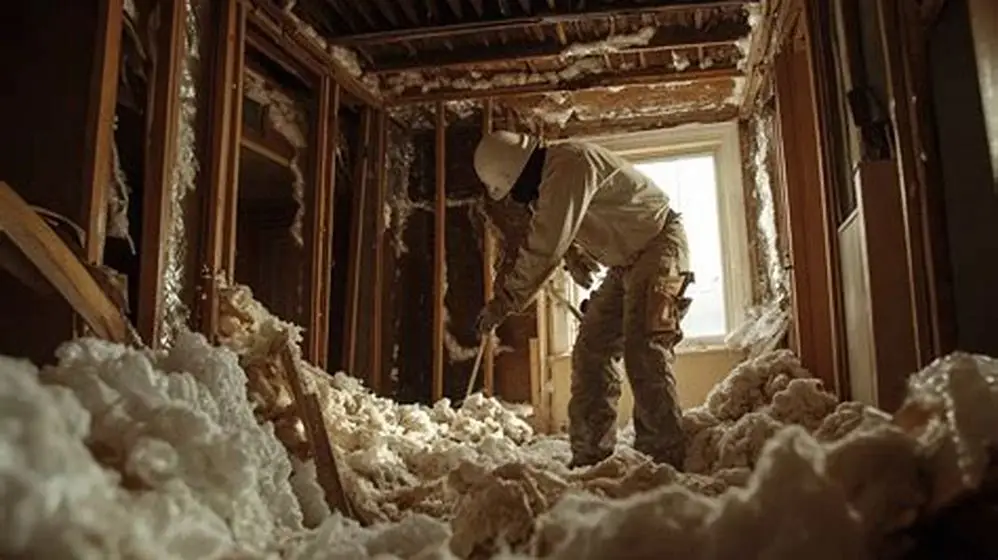
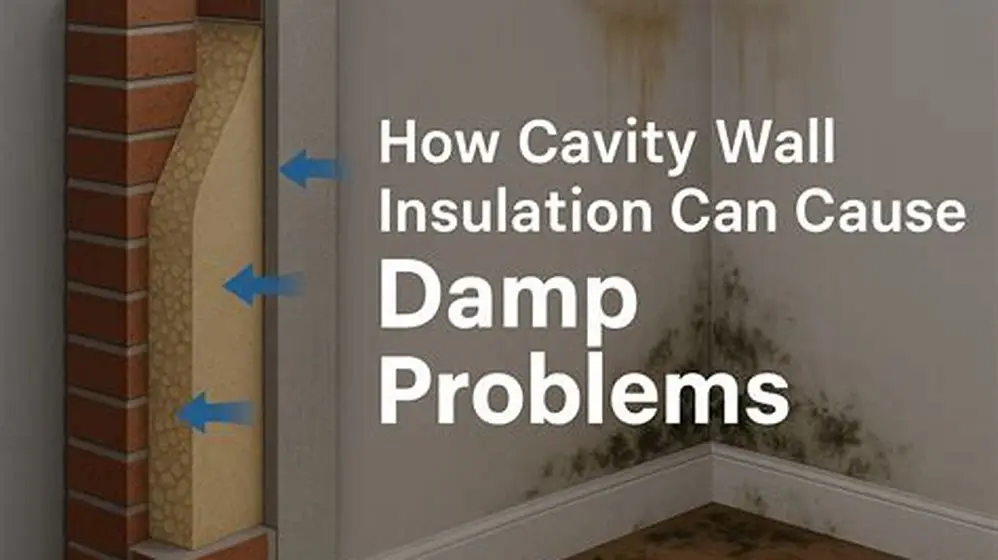
Insulation older than 30 years, especially loose-fill types, tends to require full replacement because of cumulative settling and degradation. Spray foam and rigid board may last longer but must be inspected for cracks or gaps around edges. Before you commit to anything, it is worth looking at damp caused by cavity wall insulation.
Replacing insulation improves comfort and cuts energy bills more effectively than patching worn areas, though cost and access constraints influence the decision.
- Replace when R-value is significantly below code or specs
- Repair small localized damage, avoid moisture traps
- Older than 30 years often means full replacement
- Spray foam requires inspection for gaps or shrinkage
Does building insulation wear out and have to be replaced
Building insulation does wear out and in many cases must be replaced to maintain energy efficiency and comfort. Its effectiveness declines mainly due to compression, settling, moisture damage, or pest infestation.
However, not all insulation failures demand full replacement. Regular inspections and partial repairs can extend life, especially if damage is localized. For instance, topping up settled loose-fill insulation or sealing air leaks can restore performance without removing old material. For the detail, see our notes on cellulose loose fill settling rate.
Still, if tests show a persistent low R-value or widespread damage, replacement is the only reliable option. Modern insulation materials or improved installation methods may also offer better durability and thermal performance.
Deciding when to replace depends on your home’s energy goals, budget, and the insulation’s current state. Ignoring wear leads to higher bills, drafts, and discomfort.
In rare cases, insulation may appear intact visually but fail due to hidden factors like chemical breakdown or off-gassing, which reduce thermal resistance without obvious signs. For example, older foam insulations sometimes release gases that lower their insulating value. Detecting this requires professional testing, such as laboratory analysis or specialized equipment.
Another factor influencing replacement is changes in energy codes or homeowner goals. Increasing insulation standards or pursuing net-zero energy homes often necessitate upgrading insulation even if existing material functions adequately. In these scenarios, replacement aligns with achieving improved energy performance rather than just fixing wear.
An example confirming the need for replacement is when a blower door test reveals excessive air infiltration despite adequate insulation depth. This mismatch indicates that gaps or compression diminish effectiveness, and simply patching is insufficient. Replacing the insulation with newer, more resilient materials restores both air tightness and thermal resistance.
| Insulation Type | Common Wear Mode | Typical Lifespan (years) | Replacement Threshold |
|---|---|---|---|
| Loose-fill cellulose | Settling, moisture | 15-30 | R-value loss >20%, dampness |
| Fiberglass batts | Compression, sagging | 20-30 | Visible gaps, R-value loss >15% |
| Spray foam | Cracking, shrinkage | 30-40+ | Cracks or gaps detected |
| Rigid foam board | Warping, moisture | 30-40+ | Warping or mold growth |
How to check insulation condition yourself
You can conduct basic insulation checks with simple tools during routine home maintenance. First, visually inspect accessible areas like the attic, crawlspaces, and walls for compression, wet spots, or pest damage.
Measure insulation thickness in several places and compare to original installation specs or standard R-values for your region. Use a moisture meter to detect hidden dampness.
Feel for drafts near insulation or use a candle or smoke stick to detect air movement indicating leaks. If you have access, a handheld thermal camera or infrared thermometer can reveal temperature inconsistencies.
Keep records of your inspections and note any changes over time to decide if professional testing or replacement is due.
- Inspect visual condition for compression, gaps, or wetness.
- Measure insulation depth against standard or original values.
- Use moisture meter to find damp areas affecting insulation.
- Check for drafts or air leaks near insulated sections.
- Consider using thermal imaging or infrared thermometers.
Preventing insulation wear and extending its life
Preventing insulation wear starts with controlling moisture and air leaks. Proper roof and wall maintenance stops water infiltration that deteriorates materials.
Ensure adequate ventilation in attics and crawlspaces to reduce humidity. Seal gaps to prevent pest entry that can damage insulation.
Use vapor barriers and consider higher-grade insulation materials like closed-cell spray foam or rigid boards in vulnerable areas for longer-lasting performance.
Routine inspections every 5 years catch problems early, allowing repairs that delay costly replacement.
- Moisture control: fix leaks, add vapor barriers
- Ventilation: maintain airflow in attics and crawlspaces
- Air sealing: block drafts and pest entry points
- Material choice: opt for durable insulation types where possible
Quick questions
How quickly does insulation settle after installation?
Loose-fill insulation can settle up to 20-30% in the first few years, reducing thickness and R-value. This settling slows over time but rarely stops completely.
Can wet insulation dry out and regain R-value?
Wet insulation loses effectiveness immediately. Some materials like fiberglass may dry and partially recover, but cellulose and spray foam damage is often permanent and replacement is needed.
Is it possible to add insulation over old, worn insulation?
Yes, adding insulation over settled or degraded material can improve performance if the old insulation is dry and mold-free. However, this depends on moisture control and ventilation.
Does insulation degradation affect indoor air quality?
Damaged insulation that harbors mold or pests can reduce indoor air quality. Also, gaps and settling may increase drafts, making homes less comfortable.
How often should insulation be inspected?
A thorough inspection every 5 to 10 years is advisable, or immediately after events like roof leaks, pest infestations, or flooding.