Confirm your hybrid heat pump and gas boiler system fits by checking four key compatibility factors before installation.
To confirm a hybrid heat pump and gas boiler system fits your home, check four key factors: boiler type compatibility, system controls integration, heating circuit suitability, and existing boiler condition. Each factor affects performance and safety.
On this page
- Key takeaways
- How hybrid heat pump and gas boiler systems work together
- Key compatibility factors for a hybrid heat pump and gas boiler system
- What to check on your existing gas boiler for hybrid compatibility
- How to assess system controls and integration for hybrid operation
- Four-step checklist to confirm your hybrid heat pump and gas boiler system fits
- Grant schemes and cost considerations for hybrid heat pump and gas boiler systems
- Questions people still ask
Part of the guide: Hybrid heat pump system: how it works and when a thermal store tank is needed
Confirm your hybrid heat pump and gas boiler system fits by checking four technical compatibility factors vital for performance and efficiency.
| Boiler type compatible | combi/system boiler |
|---|---|
| Heat pump flow temp | usually ≤55°C |
| Typical boiler lifespan | 10-15 years |
| Control system | hybrid compatible |
| Grant eligibility | depends on EPC and system |
Key takeaways
- Hybrid systems need compatible boiler types, typically combi or system boilers.
- System controls must be able to manage both heat pump and boiler operations.
- Heating system must support flow temperatures optimal for heat pumps, usually below 55°C.
- Boiler condition affects integration; older units may require upgrade or replacement.
How hybrid heat pump and gas boiler systems work together
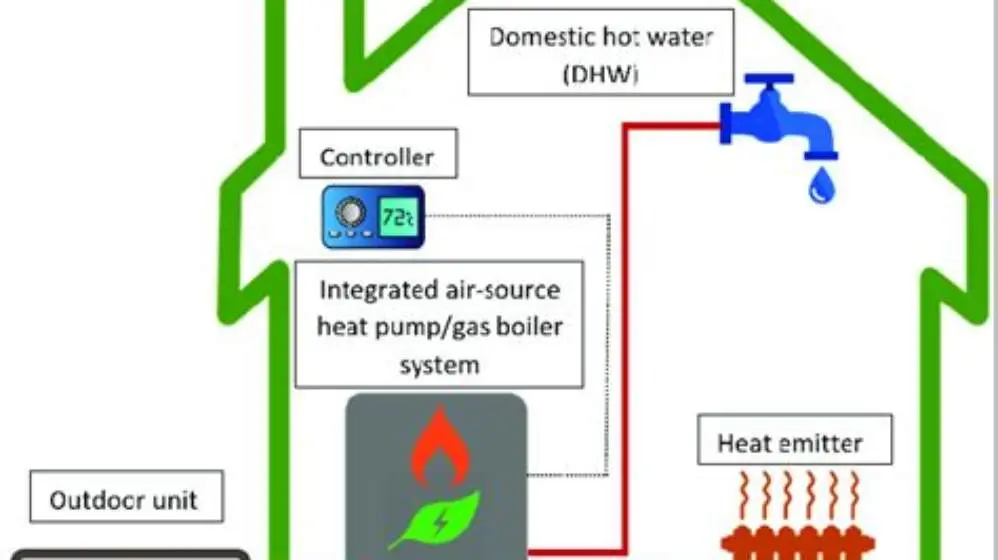
A hybrid heat pump and gas boiler system combines an electric heat pump with a gas boiler to provide heating and hot water efficiently. The heat pump handles low-temperature heating, while the gas boiler activates during peak demands or very cold weather.
Typically, the heat pump supplies water at temperatures between 35-55°C, which suits underfloor heating or oversized radiators. When outside temperatures fall or higher heat is required, the boiler produces water at 70-80°C to maintain comfort.
Operation is managed by a control system that switches between the heat pump and boiler based on outside temperature, internal demand, or efficiency. This synergy reduces gas consumption and lowers bills while ensuring consistent warmth.
In colder climates, the efficiency balance between the heat pump and gas boiler can shift, requiring adjustments in control strategies. For instance, when outdoor temperatures drop below -5°C, the heat pump’s coefficient of performance (COP) may fall below 2.5, making the gas boiler the more efficient heat source during these periods. This condition necessitates a responsive control system that can switch quickly to ensure energy efficiency while maintaining comfort. People in this spot often ask about fitting central heating system as well.
A practical example: if a heat pump provides water at 45°C with a COP of 3.0 under mild conditions, and the gas boiler provides 75°C water with near 90% efficiency, the system needs to decide dynamically which source to use. For instance, at 0°C outdoor temperature, the heat pump COP might drop to 2.0, so the system switches to the boiler to meet demand efficiently. This switching point is often programmable based on local climate data.
Key compatibility factors for a hybrid heat pump and gas boiler system
Confirm your gas boiler is a combi or system boiler since these types typically support hybrid operations better than older regular boilers. Compatibility depends on your boiler’s ability to modulate or cycle with an external control.
Your existing heating system must handle the lower flow temperatures the heat pump supplies without losing comfort. Radiators sized for 70-80°C may need upgrading or supplementing with underfloor heating. If that sounds like your situation, read up on estimating typical heating running costs next.
System controls must integrate both heat sources seamlessly. This includes a controller capable of temperature monitoring, switching between heat pump and boiler, and managing the heating curve.
Boiler age and condition influence suitability. Boilers over 12-15 years old or with signs of wear may not function optimally within a hybrid system and could increase maintenance costs.
Another compatibility factor often overlooked is the existing hot water storage. If your system includes a hot water cylinder, it must be compatible with the hybrid setup to efficiently store water heated by either the heat pump or boiler. The cylinder needs to be well-insulated and designed to handle variable temperature inputs without causing thermal stratification issues. Before you commit to anything, it is worth looking at choosing the best system for UK homes.
Pipework and system pressure ratings also affect compatibility. Heat pumps typically require larger flow volumes at lower temperatures, which can impact pump sizing and pipe diameters. Ensuring your current pipework can handle these changes without causing excessive pressure drops is essential for system efficiency and longevity.

Etekcity Infrared Thermometer Laser Temperature Gun 774
Checks your boiler flow temperature with accuracy ±1°C to verify hybrid system compatibility.
What to check on your existing gas boiler for hybrid compatibility
Identify your boiler type by checking the model number and manual—combi (instant hot water), system (with a hot water cylinder), or regular (with separate tanks). Hybrid systems mostly pair with combi or system boilers.
Inspect the boiler control interface: Does it support external control signals or smart thermostats? This is critical for coordinating with the heat pump controls. We cover key uk rules for heat pump permissions in its own article.
Assess boiler age and maintenance history. Boilers older than 12-15 years tend to be less efficient and less reliable in hybrid setups. Look for corrosion, leaks, or pressure issues.
Measure your boiler’s maximum flow temperature output using a digital thermometer or infrared gun during operation. It should meet or exceed the heat pump’s requirements, typically around 70°C for back-up heating.
Check not only the age but also the boiler’s modulation range. Boilers with a narrow modulation range may cycle on and off frequently when integrated into a hybrid system, which reduces efficiency and increases wear. For example, a modulating boiler that can adjust output from 20% to 100% load will perform better than one that cycles between full on and off. People in this spot often ask about biomass boiler grant UK as well.
Also, verify the boiler’s fault codes and diagnostic capabilities. Boilers that support advanced diagnostics and can communicate error states to the hybrid controller provide better safety and maintenance alerts, helping prevent system failures.
As a check, run the boiler at various output levels while measuring flow temperatures and responsiveness. If the boiler takes more than 5 minutes to reach set temperature or shows significant temperature overshoot, it may not be suitable for hybrid operation.
How to assess system controls and integration for hybrid operation
Hybrid systems require a control unit that communicates seamlessly with both the heat pump and the gas boiler. Check if your current thermostat or control panel supports external inputs or hybrid mode.
Look for smart or programmable thermostats compatible with OpenTherm or similar protocols. These enable efficient switching based on outside temperature or heating load.
Integration also means your control system can manage heating schedules, domestic hot water priority, and backup boiler activation logically. Without this, the boiler may run unnecessarily, reducing efficiency.
Test your existing controls by consulting your boiler control manual and thermostat specifications. If they lack hybrid features, adding a dedicated hybrid controller is usually necessary.
Integration extends beyond simple on-off control. Some hybrid systems employ weather compensation controls that adjust flow temperatures dynamically according to outdoor temperatures. Verify if your current controls can support or be upgraded to weather compensation, as this improves efficiency and comfort.
Testing the system integration can involve temporarily connecting the hybrid controller in a test mode to observe how it switches between heat pump and boiler. During this test, ensure that the boiler only activates when outdoor temperatures fall below the set threshold, and that the heat pump shuts down appropriately when the boiler operates.
If simultaneous operation occurs unexpectedly, it indicates a control mismatch that can cause energy waste and equipment stress. Monitoring system logs or installing energy meters on each heat source during the trial period can help validate proper control behavior.
Four-step checklist to confirm your hybrid heat pump and gas boiler system fits
Follow this sequence before installing a hybrid system: 1) Confirm your boiler type is combi or system with external control capability; 2) Measure boiler flow temperature output to ensure it can provide over 65°C; 3) Check your heating system (radiators or underfloor) supports lower flow temperatures from the heat pump; 4) Verify your control system supports hybrid operation or plan for an upgrade.
This checklist prevents costly mistakes such as poor heating performance or incompatible equipment. Each step is vital to ensure the hybrid system delivers savings and comfort.
If any factor fails, consider boiler replacement or additional controls. The investment may be worth it for long-term fuel savings and reduced emissions.
- Identify boiler type and check manual for hybrid compatibility.
- Measure boiler flow temperature during operation with an infrared thermometer.
- Assess heating system's suitability for lower temperatures (below 55°C).
- Verify or upgrade system controls for hybrid operation.
| Compatibility factor | What to check | Acceptable range or feature |
|---|---|---|
| Boiler type | Model and manual | Combi or system boiler with external control |
| Boiler flow temp | Infrared thermometer reading | ≥65°C output during operation |
| Heating system | Radiator size or underfloor | Supports ≤55°C flow temperature |
| Control system | Thermostat/controller specs | Hybrid-compatible or smart control |
Grant schemes and cost considerations for hybrid heat pump and gas boiler systems
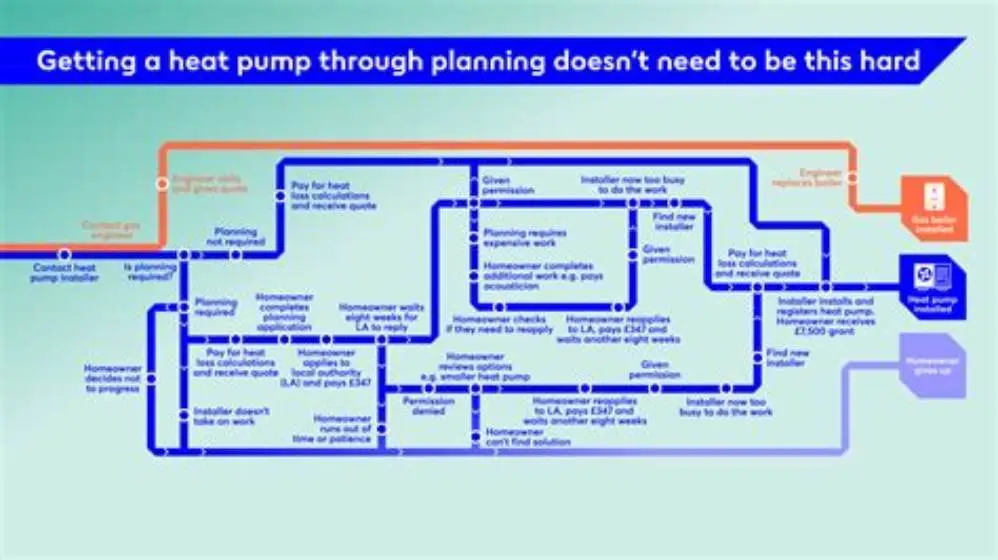
In the UK, hybrid systems may qualify for grants under schemes like the Boiler Upgrade Scheme (BUS) or ECO4 if combined with insulation improvements and meeting EPC criteria.
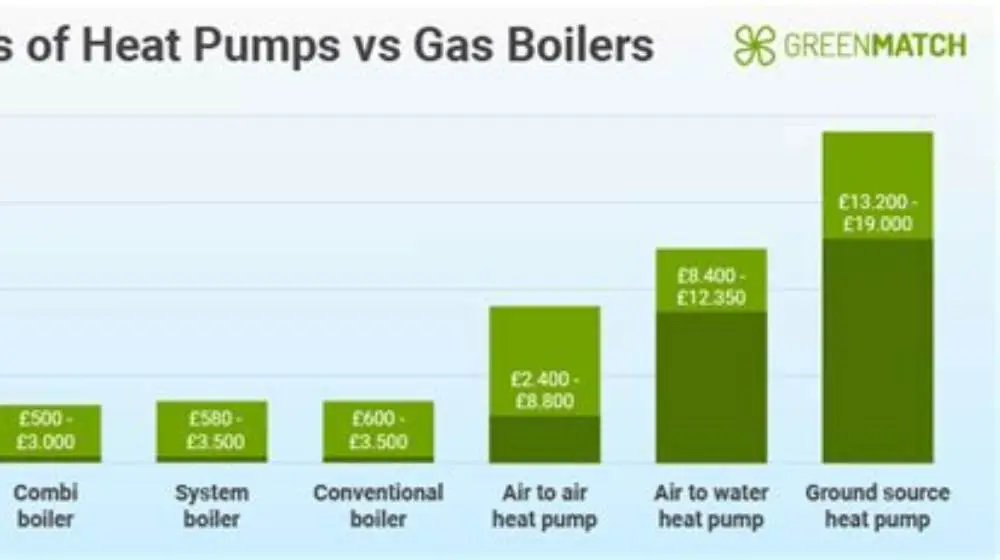
Typical installation costs range from £6,000 to £12,000, depending on system size, existing equipment condition, and control upgrades needed.
Upgrading an old boiler or controls to hybrid-compatible versions adds to costs but may be offset by grants and future savings on energy bills.
Ensure you confirm grant eligibility before purchase by checking current government guidance and your home's EPC rating. Installer quotes should detail what is eligible.
Running costs also depend heavily on fuel prices and local climate. For example, with a gas price of around 4p/kWh and electricity at 18p/kWh, the hybrid controls must prioritize gas boiler use when heat pump efficiency drops below a threshold to minimize costs. In contrast, if electricity prices fall (e.g., with solar PV generation), the heat pump can run more frequently to save money.
Installation complexity varies depending on existing infrastructure. For instance, if your home has old, undersized radiators, adding a heat pump might require radiator upgrades or supplementary heating circuits, increasing upfront costs. These factors should be included in any grant application and cost assessment.
Post-installation, maintenance costs typically decrease because the heat pump handles most of the load, reducing boiler runtime and wear. However, regular servicing of both heat pump and boiler remains essential to avoid breakdowns and maintain efficiency. Including maintenance contracts in cost planning is advisable.
Hybrid systems are smart but require precise checks; follow this guide to avoid mistakes and ensure savings.
Questions people still ask
Can any gas boiler work with a hybrid heat pump system?
No. Typically only combi or system boilers with compatible controls work well. Older regular boilers often lack necessary modulation and control capabilities.
How do I know if my heating system suits a heat pump’s lower temperature?
Radiators sized for high-temperature flow (70-80°C) may need replacement or supplementation with underfloor heating. Consult a heating engineer to assess or measure flow temperatures during operation.
What control system features are essential for hybrid operation?
A hybrid control must manage temperature sensing, switch between heat pump and boiler based on conditions, and avoid simultaneous operation. Compatibility with OpenTherm protocols is a common requirement.
Is it better to replace an old boiler before hybrid installation?
If your boiler is over 12-15 years old or shows signs of wear, replacement improves reliability and efficiency. This also makes integration simpler and may unlock grant eligibility.
Are hybrid systems eligible for UK government grants?
Yes, if installed alongside insulation improvements and meeting EPC criteria. Confirm eligibility with the Boiler Upgrade Scheme or ECO4 before purchase.