Running a heat pump in the UK typically costs 30-50% more annually than a gas boiler, depending on electricity and gas prices, heat pump efficiency (COP), and household size, with the average home spending £900-£1,300 versus £600-£900 for gas heating.
On this page
- Quick recap
- How much does running a heat pump cost annually in the UK
- How much does running a gas boiler cost annually in the UK
- Impact of electricity and gas prices on running costs
- Typical household heating demand assumptions used for comparison
- Influence of heat pump efficiency (COP) and boiler efficiency on costs
- Heat pump running costs vs gas boiler running costs UK
- Quick questions
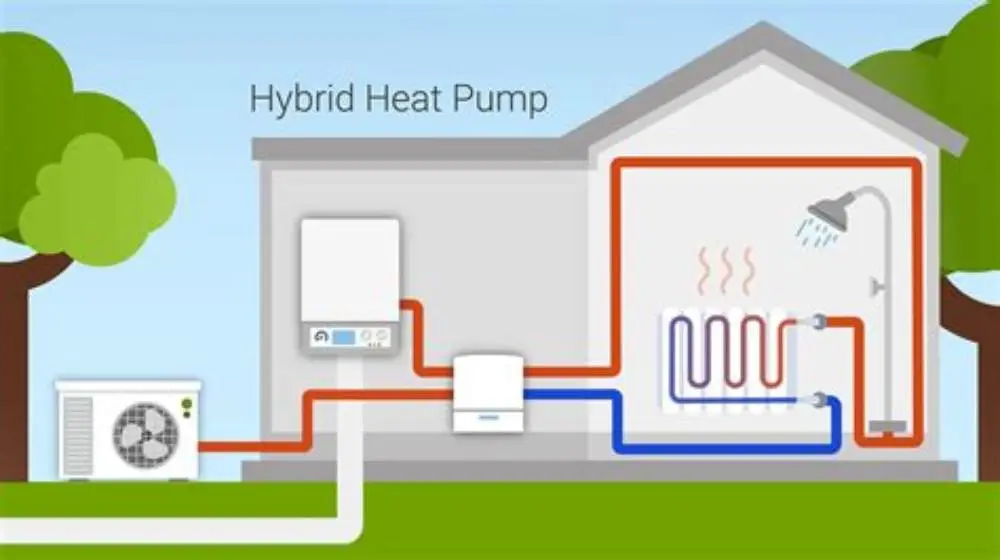
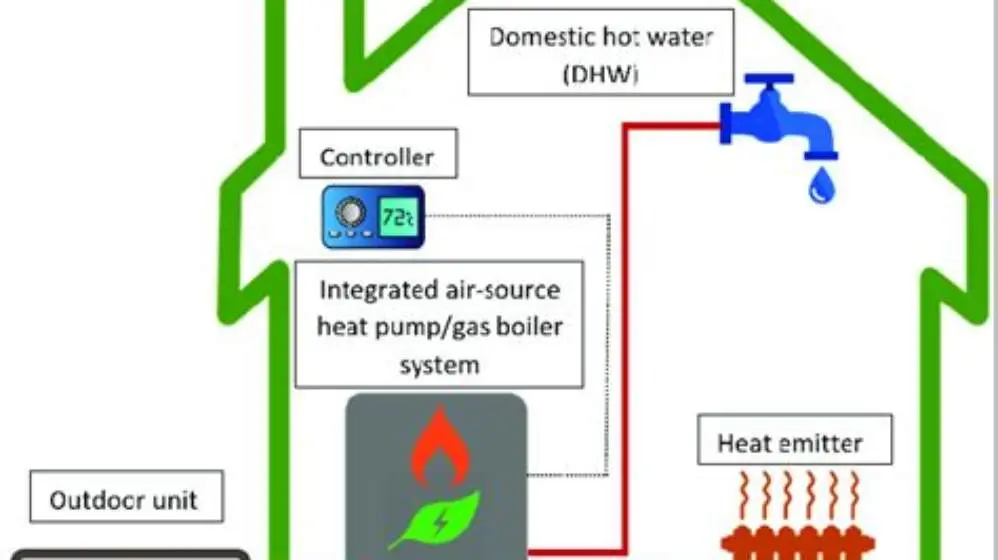
Part of our guide on what is a hybrid heat pump
Quick facts
- Average UK heating demand
- 8,000-12,000 kWh/year
- Heat pump COP range
- 2.5 to 4.0
- Gas boiler efficiency
- 85-95%
- Heat pump annual cost
- £900-£1,300
- Gas boiler annual cost
- £600-£900
- Electricity price (typical)
- 28-35 p/kWh
- Gas price (typical)
- 7-12 p/kWh
Quick recap
- Heat pump running costs depend heavily on electricity prices and COP values.
- Gas boilers generally have lower annual running costs but emit more carbon.
- Typical UK household heating demand ranges 8,000-12,000 kWh per year.
- Current energy tariffs strongly influence the relative costs.
- Grants and insulation improvements impact total running and installation expenses.
How much does running a heat pump cost annually in the UK
Typical UK households consume between 8,000 and 12,000 kilowatt-hours (kWh) of heat annually. Heat pumps operate at a coefficient of performance (COP) ranging roughly 2.5 to 4.0, depending on the model and outside temperature. With UK domestic electricity tariffs usually between 28 and 35 pence per kWh, running costs for heat pumps typically fall between £900 and £1,300 per year.
Heat pump efficiency is highest in well-insulated homes and milder climates, where the COP can reach 4.0. Colder weather drops COP closer to 2.5, raising running costs. The exact bill depends on your home's specific heat demand, electricity tariff, and heat pump sizing. For example, a home needing 10,000 kWh of heat yearly at a COP of 3.0 and paying 30p/kWh electricity would use about 3,300 kWh of electricity, costing roughly £990 annually. Before you commit to anything, it is worth looking at UK biomass boiler grant eligibility.
Heat pumps also incur variable running costs depending on the type of electricity tariff chosen. For example, households with time-of-use tariffs, such as Economy 7 or Economy 10, can benefit from cheaper night-time rates, reducing overall electricity spend. If a heat pump’s heat demand is partially shifted to these off-peak hours, running costs can fall by up to 15%. However, this requires a compatible control system and lifestyle pattern to maximize savings. Without this, consumers pay the standard rate all day, which limits cost reductions.
Another factor influencing annual running costs is the heat pump’s installation and maintenance quality. Poor installation can lead to suboptimal performance and lower COP, increasing electricity consumption by 10-20%. Regular servicing is recommended to keep the system running efficiently, although it adds a modest annual cost of around £100. Neglecting maintenance risks system breakdown, which can result in costly repairs and higher energy use due to inefficiency. Thus, proper installation and upkeep are crucial for controlling running costs. It helps to understand monthly cost drop heat pump before going further.
| COP | Electricity price (p/kWh) | Electricity use (kWh) | Annual cost (£) |
|---|---|---|---|
| 2.5 | 28 | 4,000 | 1,120 |
| 3.0 | 30 | 3,333 | 1,000 |
| 3.5 | 32 | 2,857 | 914 |
| 4.0 | 35 | 2,500 | 875 |
How much does running a gas boiler cost annually in the UK
Gas boilers typically have an efficiency of 85-95%, which means 85-95% of the gas energy converts to heat. UK gas tariffs range from 7 to 12 pence per kWh, with the average household consuming about 8,000 to 12,000 kWh of heat annually. This results in heating bills generally between £600 and £900 per year.
The exact cost depends on boiler efficiency and gas prices. For example, a 90% efficient boiler heating a 10,000 kWh demand home at 10p/kWh gas price uses about 11,100 kWh of gas energy, costing around £1,110 annually before efficiency is factored in, but since efficiency reduces delivered heat by 10%, actual gas consumption is higher, making the annual cost closer to £1,200. However, current UK tariff fluctuations affect these values greatly.
Gas boiler running costs can also be affected by the type of gas tariff and contract length. Fixed tariffs provide price stability, while variable tariffs can fluctuate with wholesale market changes. In recent years, gas prices have seen significant spikes, sometimes doubling within a year, which can push annual bills above £1,000 for typical households. Conversely, long-term fixed-rate contracts can lock in prices below the market average, saving up to £200 annually compared to variable rates. The other half of this decision is when to replace your boiler.
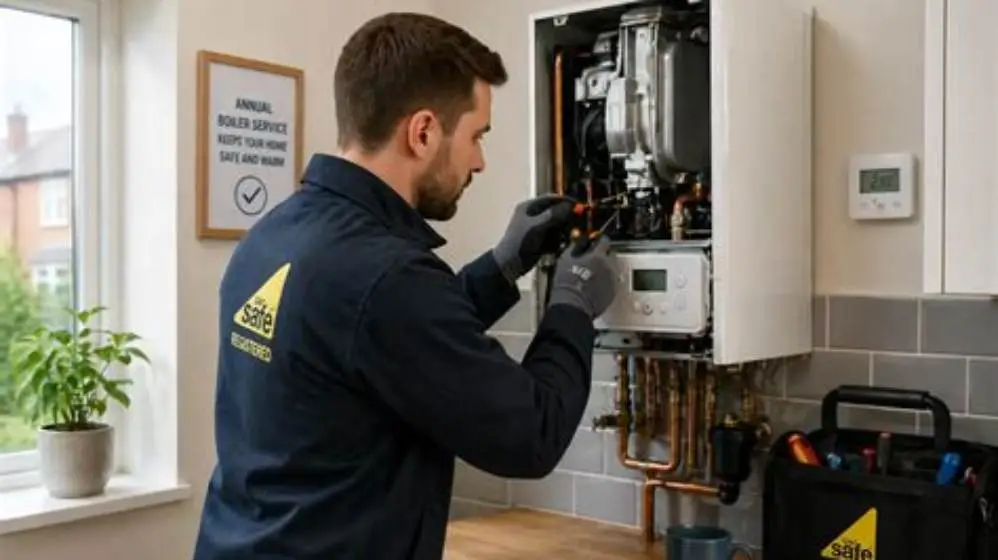
The condition and age of the boiler further influence costs. Older, less efficient boilers may consume significantly more gas, adding 10-20% to fuel bills. Poorly maintained boilers may lose efficiency through scale build-up or faulty components. Regular servicing, costing around £80-£120 annually, helps maintain efficiency and safety but also adds to the running cost. Ignoring maintenance can lead to increased fuel consumption and the risk of carbon monoxide leaks, underscoring the importance of upkeep.
| Efficiency (%) | Gas price (p/kWh) | Gas use (kWh) | Annual cost (£) |
|---|---|---|---|
| 85 | 7 | 11,765 | 823 |
| 90 | 10 | 11,111 | 1,111 |
| 95 | 12 | 10,526 | 1,263 |

Emporia Vue 3 Home Energy Monitor
Tracks your home's electricity usage in real time with 16 circuit sensors for detailed monitoring of power consumption.
Impact of electricity and gas prices on running costs
Electricity prices are historically higher and more volatile than gas prices in the UK, which makes heat pump running costs sensitive to electricity tariff changes. If electricity prices rise above 35p/kWh, heat pumps become notably more expensive to run. Gas prices, though lower, have also seen increases, but usually remain cheaper per kilowatt-hour than electricity.
The gap between electricity and gas costs strongly influences which heating system is cheaper to run. For example, if electricity tariffs drop due to renewable energy expansion or off-peak tariff adoption, heat pumps can become more competitive. Conversely, high gas prices might push heat pump running costs closer to or below gas boiler costs, despite their higher tariff per unit. For the detail, see our notes on uk installed cost of air source heat pumps.
Electricity and gas markets can be affected by government policies, renewable energy adoption, and geopolitical events, which in turn affect tariffs and running costs. For instance, increased renewable generation often lowers wholesale electricity prices during daylight hours, potentially reducing heat pump costs if paired with suitable tariffs. On the gas side, supply disruptions can cause price spikes, making gas boilers temporarily more expensive to run.
Seasonal price variations also impact running costs. Electricity prices tend to be higher in winter due to increased demand, which coincides with peak heating needs, potentially increasing heat pump bills. Gas prices may also rise in winter but often remain more stable. Consumers can mitigate these effects by opting for fixed-price energy contracts or installing smart meters to monitor and adjust usage in real time.
| Energy price | Heat pump cost (£) | Gas boiler cost (£) |
|---|---|---|
| Electricity 28p, Gas 7p | 933 | 778 |
| Electricity 35p, Gas 10p | 1,167 | 1,111 |
| Electricity 40p, Gas 12p | 1,333 | 1,263 |
Typical household heating demand assumptions used for comparison
Typical UK households require between 8,000 and 12,000 kWh of heat per year, depending on property size, insulation levels, and location. Smaller, well-insulated homes may use less than 8,000 kWh, while large or poorly insulated homes can exceed 12,000 kWh. These figures form the basis for running cost estimates and must be adjusted for your specific dwelling. We go through hybrid heat pump gas boiler system step by step elsewhere on the site.
Heating demand varies seasonally and with occupant behaviour. Reducing heat demand through insulation upgrades, draught-proofing, or lower thermostat settings can significantly reduce running costs, regardless of heating system. Accurate demand assessment requires an EPC (Energy Performance Certificate) or a professional heat loss survey.
- Small home: 6,000-8,000 kWh/year
- Average home: 8,000-12,000 kWh/year
- Large home: 12,000-16,000 kWh/year
- Better insulation: reduces demand 10-30%
Influence of heat pump efficiency (COP) and boiler efficiency on costs
Heat pump efficiency, expressed as COP, measures heat output per unit of electricity input. Typical air source heat pumps have COPs between 2.5 and 4.0, higher in mild climates or with ground source models. Higher COP means lower electricity consumption and running costs. Choosing a heat pump with a seasonal COP above 3.0 is critical to cost-effectiveness.
Gas boiler efficiency affects how much fuel is converted to usable heat. Modern condensing boilers reach 90-95% efficiency, while older models may be 70-80%. Lower efficiency means more gas burned for the same heat output, raising fuel costs and emissions. Upgrading an old boiler can reduce running costs substantially. The other half of this decision is heat pump hot water supply.
| Efficiency (%) or COP | Fuel input (kWh) | Running cost (£) |
|---|---|---|
| Heat pump COP 2.5 | 4,000 electricity | 1,120 |
| Heat pump COP 3.5 | 2,857 electricity | 800 |
| Gas boiler 85% | 11,765 gas | 823 |
| Gas boiler 95% | 10,526 gas | 736 |
Heat pump running costs vs gas boiler running costs UK
Comparing typical annual running costs in the UK shows gas boilers generally remain cheaper to run, mostly due to lower gas prices. For an average 10,000 kWh heating demand household, gas boiler costs range from £600 to £900 depending on efficiency and tariff, whereas heat pumps cost £900 to £1,300 depending on COP and electricity price.
However, this gap narrows if electricity tariffs are low, heat pumps have high COPs, or if gas prices rise significantly. Also, heat pumps reduce carbon emissions and can increase EPC ratings, impacting home value and grant eligibility. You must factor in your local energy tariffs, home insulation, and potential grants like the Boiler Upgrade Scheme when making a decision.
| System | Efficiency | Energy price (p/kWh) | Annual heat demand (kWh) | Annual cost (£) |
|---|---|---|---|---|
| Heat pump | COP 3.0 | Electricity 30p | 10,000 | 1,000 |
| Gas boiler | 90% | Gas 10p | 10,000 | 1,111 |
| Heat pump | COP 3.5 | Electricity 28p | 10,000 | 800 |
| Gas boiler | 85% | Gas 7p | 10,000 | 823 |
- Heat pumps reduce carbon emissions
- Grants available for heat pump installation
- Gas boilers cost less with current tariffs
- Heat pump electricity tariffs are higher
- Gas boilers emit more CO2
- Heat pumps need well-insulated homes for best efficiency
Quick questions
Can a heat pump run cheaper than a gas boiler in the UK?
A heat pump can run cheaper if electricity tariffs are low, the heat pump has a high COP (above 3.5), or if gas prices spike substantially. Well-insulated homes improve heat pump efficiency, further reducing costs.
How do grants affect the cost comparison?
Grants like the Boiler Upgrade Scheme reduce installation costs for heat pumps, improving overall affordability but do not directly reduce running costs.
Does home insulation affect running costs?
Yes, better insulation lowers heat demand, which cuts fuel consumption for both heat pumps and gas boilers, equally reducing running costs.
What is the typical lifespan running cost difference for heat pumps vs gas boilers?
Over 10-15 years, running costs for heat pumps can be 20-50% higher unless electricity prices drop or heat pump COPs improve significantly.
Are there seasonal differences in heat pump efficiency?
Yes, heat pump COP decreases in colder months, increasing electricity use and running costs, whereas gas boiler efficiency is more stable year-round.