Confirm if your old oil boiler is compatible as a heat pump backup by checking controls, pipework, and electrical interlock requirements.
Yes, an old oil boiler can work as a heat pump backup if it meets three key compatibility checks: control system integration, compatible pipework and pump arrangements, and proper electrical interlock to avoid running both systems simultaneously.
On this page
- The short version
- Can an oil boiler be used as a heat pump backup
- Key compatibility factors between heat pumps and oil boilers
- Practical installation considerations for hybrid systems with old oil boilers
- Will a heat pump work with my old oil boiler as backup
- Common hybrid control arrangements and switching strategies
- Electrical and piping considerations and when interlock is needed
- Questions people still ask
Part of our guide on thermal store tanks with hybrid heat pumps
Confirm your old oil boiler works with a heat pump backup by checking controls, pipework, and interlock needs to lower energy bills and qualify for UK grants.
| Backup use | Common |
|---|---|
| Switch temperature | Usually 5-10°C |
| Pipework types | Separate or combined |
| Electrical interlock | Often required |
| Control upgrade | May be needed |
The short version
- Use hybrid controls that switch between heat pump and boiler based on outdoor temperature or demand.
- Check pipework for separate or combined flow and return connections to allow smooth switching.
- Electrical interlock prevents the oil boiler and heat pump running together, protecting equipment.
- Older oil boilers often need an upgrade or adapter for digital controls compatible with heat pumps.
- Proper installation ensures eligibility for UK grants like the Boiler Upgrade Scheme.
Can an oil boiler be used as a heat pump backup
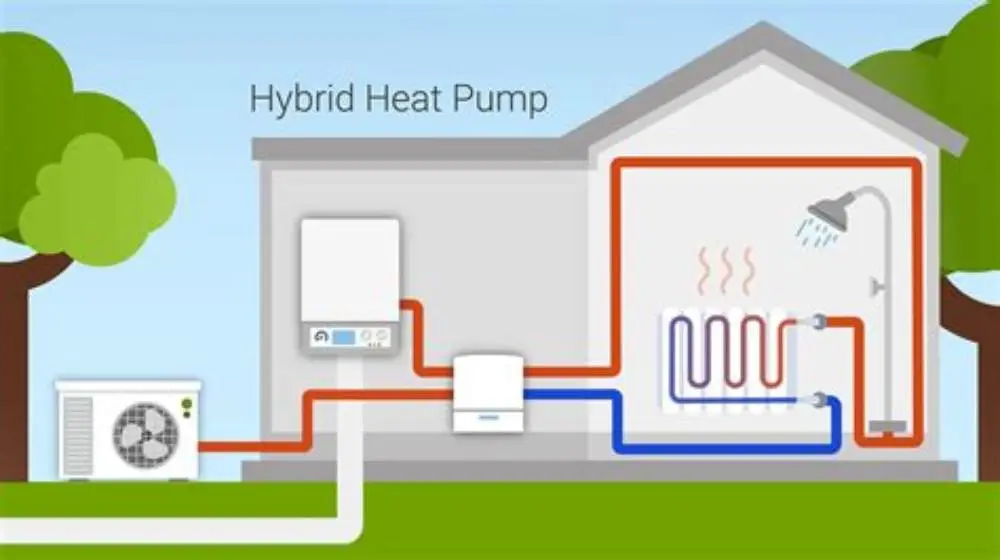
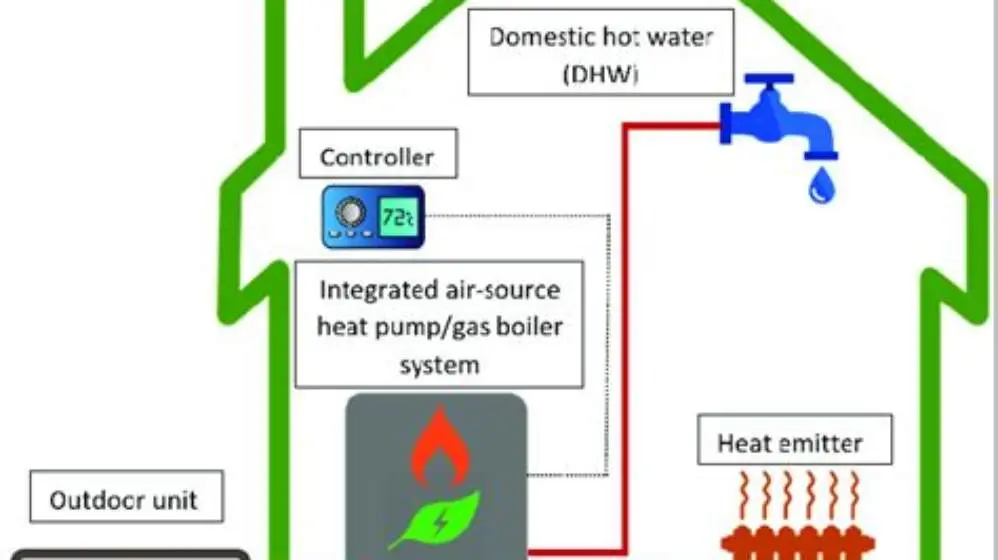
An old oil boiler can serve as an effective backup to a heat pump if properly integrated. Typically, the heat pump handles base load heat, while the boiler activates during very cold weather or peak demand. This hybrid arrangement reduces oil use and energy bills.
The boiler must reliably start and stop on demand, with controls that respond to the heat pump’s output and external temperature signals. Many existing oil boilers lack compatible controls, so an upgrade or interface module is often necessary.
Using an oil boiler as backup extends the heating season covered by renewable energy, but the boiler’s age and condition affect reliability. A service check confirming the boiler runs safely is essential before pairing it with a heat pump.
Key compatibility factors between heat pumps and oil boilers
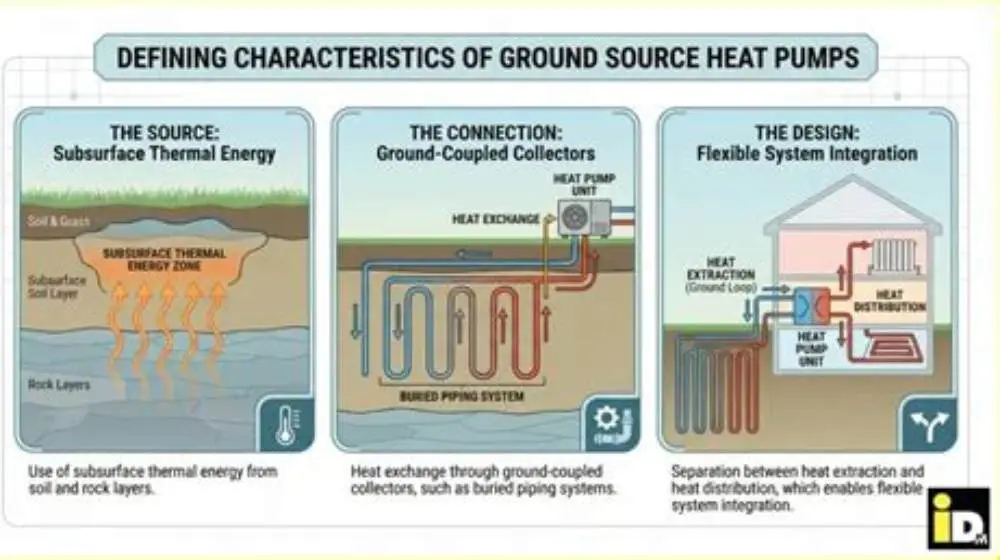
Three main compatibility factors determine if your oil boiler works smoothly with a heat pump: control system integration, pipework arrangement, and electrical interlock capability. We cover pipe lengths for ground source heat pumps in its own article.
The control system manages which heat source runs and when. A common strategy switches to the boiler at low outdoor temperatures, typically between 5°C and 10°C, to maintain comfort.
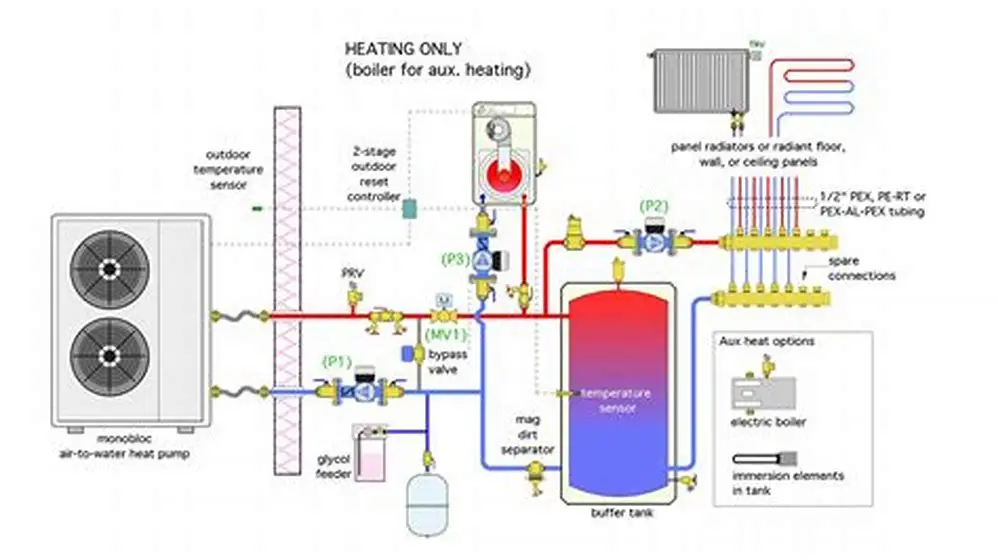
Pipework must allow hot water flow from either the heat pump or the boiler without causing pressure or temperature conflicts. Some setups use separate circuits and a hydraulic shunt; others combine flows with motorised valves.
Electrical interlock prevents the boiler and heat pump from running simultaneously, which can overload circuits or cause system inefficiencies. This is especially important for older oil boilers without built-in interlocks. The other half of this decision is hybrid heating installation tips.
| Aspect | Separate Circuits | Combined Circuit |
|---|---|---|
| Control Complexity | Higher (requires motorised valves) | Lower (simpler switching) |
| Installation Cost | Higher | Lower |
| Flexibility | Better for staged heating | Less adaptable |
| Risk of Temperature Mixing | Lower | Higher |
Practical installation considerations for hybrid systems with old oil boilers
Installing a heat pump with an old oil boiler backup requires careful planning. Existing pipework and controls often need adjustment or replacement to handle hybrid operation.
The control panel should include a thermostat with outdoor sensor input and switching logic to activate the boiler only below a set temperature. Modern hybrid controls can also integrate weather compensation and flow temperature adjustment.
Electric wiring may require new electrical interlocks or relays to ensure the boiler and heat pump do not operate simultaneously. This protects both equipment and avoids excessive electrical demand peaks. It helps to understand biomass boiler grant uk rules before going further.
In some cases, upgrading the oil boiler’s burner or control system is necessary. Some installers recommend fitting a digital controller interface compatible with heat pump signals.
Commissioning the system involves tests of piping flow, electrical interlocks, and control switching. A refrigerant leak detector and a manometer for flow pressure checks are helpful tools during setup.
- Survey existing pipework and measure flow and return pipe sizes and connections.
- Check boiler control compatibility or plan for an upgrade.
- Install hybrid control panel with outdoor temperature sensor.
- Wire electrical interlock between boiler and heat pump circuits.
- Test system operation at different outdoor temperatures to verify switching.
Will a heat pump work with my old oil boiler as backup
Your old oil boiler can work as a heat pump backup if it passes these three compatibility checks: hybrid controls that switch based on outdoor temperature, pipework that supports switching without pressure issues, and electrical interlocks that prevent simultaneous operation. There is more on check brine loop leaks without digging in a separate guide.
If your boiler lacks an electronic control interface or the pipework is inflexible (e.g., single combined loop without valves), retrofitting will be necessary.
Electrical interlock is often needed because running both systems together can trip fuses or damage equipment. This interlock can be a simple relay linked to the heat pump controller or a dedicated hybrid system control module.
Confirming these compatibility points allows you to benefit from reduced oil consumption and qualify for UK grants like the Boiler Upgrade Scheme. Ignoring them risks system reliability and increased costs.
Common hybrid control arrangements and switching strategies
Hybrid systems usually use one of two control strategies: outdoor temperature switching or demand-based switching.
Outdoor temperature switching turns on the oil boiler when outside drops below a threshold, often 5°C to 10°C, because heat pumps lose efficiency at low temperatures.
Demand-based switching activates the boiler when the heat pump cannot meet heating demand, indicated by flow temperature or thermostat signals.
Controls can be standalone hybrid controllers, heat pump manufacturers’ hybrid kits, or smart thermostats integrated with both heating systems.
Choosing the control strategy depends on your heating system layout, climate, and your oil boiler’s responsiveness.
| Feature | Outdoor Temperature Switch | Demand-Based Switch |
|---|---|---|
| Activation trigger | Outdoor sensor reading | Heating demand or flow temp |
| Installation complexity | Lower | Higher |
| Energy efficiency | Good | Better |
| User comfort | Adequate | Improved |
| Cost | Lower | Higher |
Electrical and piping considerations and when interlock is needed
Electric interlocks prevent simultaneous operation of the heat pump and oil boiler. This setup avoids overloading electrical circuits and prevents conflicting heat sources.
Interlock wiring usually connects to the heat pump controller and boiler relay, ensuring only one system runs at once. It is crucial for old oil boilers lacking built-in interlocks.
Piping must permit either source to deliver heat without backflow or pressure build-up. Motorised valves or hydraulic shunts are common solutions.
If the pipework runs a single loop serving the whole house, fitting a motorised valve is typically needed to isolate the active heat source.
Without proper interlock and pipework, running both simultaneously risks damage, poor temperature control, and excessive energy use.
Questions people still ask
Can I use my old oil boiler without upgrading controls?
Most old oil boilers lack hybrid-compatible controls, so upgrading or adding an interface is necessary for proper switching with a heat pump.
Does the pipe size affect compatibility?
Yes, pipe size and layout affect flow balancing. Separate flow/return circuits or motorised valves help avoid pressure conflicts between heat sources.
Is simultaneous operation ever beneficial?
Generally no; running both at once wastes energy and risks electrical overload. Interlocks prevent this to protect equipment and save costs.
Are there UK grants for hybrid heat pump and oil boiler systems?
Yes, the Boiler Upgrade Scheme and ECO4 may support hybrid systems if installation meets energy efficiency standards and eligibility criteria.
How do I test if my existing boiler is suitable as backup?
A service check to ensure the boiler starts/stops reliably, plus measuring pipework and inspecting control wiring, confirms suitability for backup use.