Ductless heat pumps and mini splits are essentially the same: both are air-source heat pumps without ductwork. The choice depends on your UK home's layout, insulation, and eligibility for grants like the Boiler Upgrade Scheme. Mini splits fit retrofit and new builds where ducts are impractical.
On this page
- Quick recap
- Are ductless heat pumps and mini splits the same or different?
- What installation types define ductless heat pumps and mini splits?
- Which system works better for UK retrofit and new builds?
- How do UK energy grants apply to ductless heat pumps and mini splits?
- How to decide between a ductless heat pump or mini split for your UK home
- What maintenance and performance factors affect ductless heat pumps and mini splits?
- Quick questions
Part of our guide on thermal store tanks with hybrid heat pumps
Quick facts
- System type
- Air-source heat pump
- Ductwork needed
- No
- Typical capacity
- 2-12 kW
- UK grants
- Boiler Upgrade Scheme
- Installation time
- 1-3 days
- EPC rating impact
- Improves rating
Quick recap
- Ductless heat pumps and mini splits refer to the same system type
- Installation depends on ductwork presence; ductless suits homes without ducts
- Mini splits suit UK retrofits better due to simpler installation
- UK grants like the Boiler Upgrade Scheme cover eligible heat pump installs
- System sizing must match your home's heat loss for efficiency
Are ductless heat pumps and mini splits the same or different?
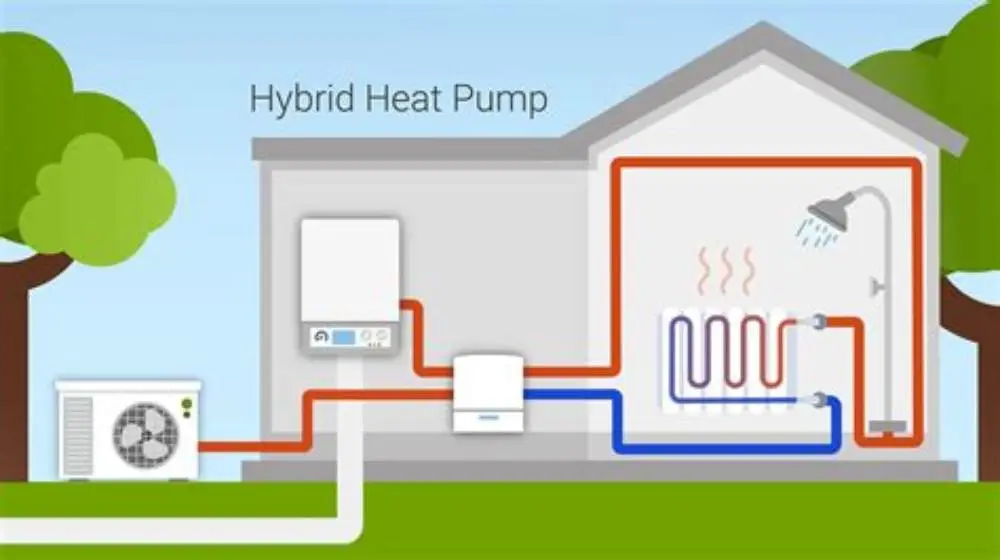
Ductless heat pumps and mini splits are different terms for the very same technology: air-source heat pumps that do not use ductwork to distribute air. Both systems consist of an outdoor compressor unit connected by refrigerant lines to one or more indoor wall-mounted units. These indoor units blow warm or cool air directly into rooms.
The confusion arises because 'mini split' describes the split-system layout (meaning outdoor and indoor units) while 'ductless heat pump' highlights that the system requires no ducts. In practice, when you see either term, expect a similar product with the same components and operation.
This interchangeability holds true widely, including the UK market, where the precise phrase can vary between manufacturers, installers, and consumers. If you want to know if a product labelled as either qualifies as a heat pump without ducts, it almost always does.
While the terms ductless heat pump and mini split are largely interchangeable, some manufacturers market their products with subtle differences in features or capacities under these names. For example, a mini split might be promoted as offering multiple indoor unit styles, such as ceiling cassette or floor console, whereas ductless heat pumps often emphasize their heating performance metrics. This nuance does not affect the fundamental technology but may influence your choice based on aesthetics or specific room configurations. The other half of this decision is factors limiting geothermal adoption.
Another condition to consider is the number of zones supported. Mini splits often imply multi-zone systems able to independently control temperature in several rooms, which can enhance energy savings. Ductless heat pumps can be single or multi-zone as well, but if your project requires many zones, verify the maximum number supported by the brand and model to avoid oversizing or complexity.
What installation types define ductless heat pumps and mini splits?
The defining installation feature is whether the system uses ducting to distribute conditioned air. Ductless heat pumps or mini splits install one or more indoor units on walls connected by refrigerant pipes to an outdoor unit. No ducts move air between rooms; each indoor unit conditions its own space.
In contrast, ducted heat pumps require a network of insulated ducts to deliver heated or cooled air through vents. The lack of ducts in ductless systems makes installation quicker and less intrusive: usually just one or two days in a typical UK home. We go through design factors for thermal store integration step by step elsewhere on the site.
A single-room mini split is suitable if you want to heat or cool one space, while multi-zone systems with several indoor units can cover several rooms independently. The refrigerant pipe length limits vary but typically max out around 15-30 metres depending on brand and model.
The length of refrigerant lines connecting outdoor and indoor units affects installation feasibility. Most manufacturers specify a maximum line length of around 15 to 30 metres, but some high-end models allow up to 50 metres. Exceeding these limits can reduce system efficiency or cause refrigerant issues, so installers must carefully measure and plan pipe routes.
Mini splits can also offer more flexibility in indoor unit placement compared to traditional ducted systems. For example, wall-mounted units can be installed high or low on walls, and some models allow ceiling-mounted or floor-mounted options. This flexibility can be crucial in UK homes with limited wall space or conservation restrictions, ensuring better integration with interior design. We cover flow temperature considerations for heat pumps in its own article.

BACOENG 3.6CFM 1/4HP AC Vacuum Pump and Gauge Set for R134a R22 R410a
Provides accurate pressure readings with a 3-way manifold gauge for refrigerants including R134a, R410a, and R22, essential for confirming correct refrigerant charge.
Which system works better for UK retrofit and new builds?
Mini splits fit UK retrofit projects better than ducted systems because older homes often lack existing ductwork. Adding ducts can cost £2,000-£5,000 and cause disruption, while mini splits install with minimal alteration.
For new builds with planned ducting or underfloor heating, a ducted heat pump may be preferred for whole-house climate control. However, if the design excludes ducts, ductless heat pumps provide efficient zoned heating with simpler installation.
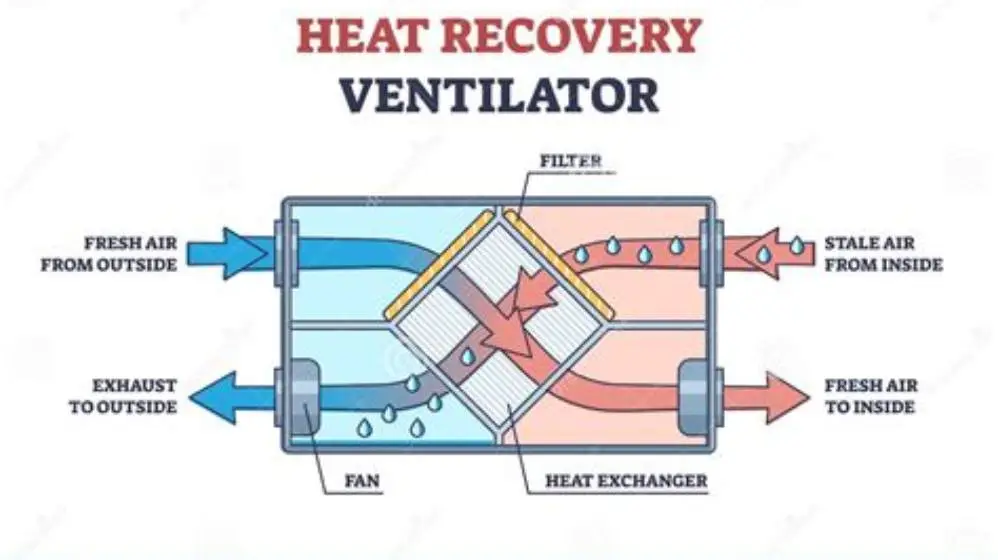
The overall system size depends on your home's heat loss, which you can estimate using the SAP (Standard Assessment Procedure) or a heat loss survey. In moderate UK climates, a 5kW to 8kW mini split usually heats a 70-100 square metre well-insulated house comfortably. We go through what is a heat recovery ventilator step by step elsewhere on the site.
How do UK energy grants apply to ductless heat pumps and mini splits?
In the UK, the Boiler Upgrade Scheme (BUS) offers grants of £5,000 towards installing heat pumps, including all ductless and mini split systems, as long as they meet the technical standards and replace fossil fuel heating.
The scheme requires installers to be MCS-certified and systems to have a seasonal coefficient of performance (SCOP) greater than 3.0 under UK climate conditions. Both ductless heat pumps and mini splits usually qualify if properly specified and installed.
Other schemes like ECO4 and the Warm Homes Plan focus on low-income households and may fund insulation together with heat pumps, but eligibility depends on household income and EPC rating. No scheme excludes ductless or mini splits specifically. People in this spot often ask about biomass boiler grant UK as well.
Grant eligibility depends on meeting specific technical criteria which can influence system choice. For instance, some ductless heat pumps or mini splits might not qualify if their Seasonal Coefficient of Performance (SCOP) falls below 3.0, especially older or budget models. Checking the product's official SAP rating or MCS certification before purchase is essential to secure the £5,000 Boiler Upgrade Scheme grant.
A worked example: a well-insulated UK home installs a 6kW mini split heat pump with a SCOP of 3.5. The £5,000 grant reduces installation costs from an estimated £6,500 to £1,500, dramatically improving the project's financial viability. Without this grant, payback times can lengthen beyond 10 years, but with the grant, energy savings and carbon reduction benefits become more attractive.
How to decide between a ductless heat pump or mini split for your UK home
Since ductless heat pumps and mini splits are the same technology, focus on your home's layout to decide if this system suits you. If your property lacks ducts and you want targeted heating in a few rooms with minimal disruption, a mini split is ideal.
Assess your home's insulation and EPC rating first. Poorly insulated homes get little benefit from any heat pump. Improving cavity wall or loft insulation before switch helps performance and grant eligibility.
Installation feasibility should be checked by a qualified MCS installer who can measure pipe runs, plan indoor unit locations, and perform a heat loss calculation. This step confirms if a mini split will provide sufficient capacity and efficiency for your home.
What maintenance and performance factors affect ductless heat pumps and mini splits?
Both systems require regular cleaning of indoor unit filters every 3-6 months to maintain airflow and efficiency. The outdoor unit should be clear of debris and leaves to ensure proper heat exchange.
Typical lifespan is 15-20 years with good maintenance. Seasonal servicing includes refrigerant level checks and testing electrical components, recommended every 2-3 years.
Performance depends heavily on correct sizing and installation quality; improper pipe insulation or refrigerant charge reduces efficiency and can trip warranties. Using a digital refrigerant gauge during installation confirms correct charging.
A common maintenance issue is dust accumulation on indoor unit filters, which can cause uneven airflow and reduced heating or cooling output. Homeowners should clean or replace filters regularly, typically every 3 months, especially in homes with pets or high dust levels.
Performance checks after installation include verifying refrigerant pressure with digital gauges and testing electrical connections to ensure safe operation. Incorrect refrigerant charge may cause the system to freeze up or short cycle, which quickly reduces efficiency and can void warranties. Professional servicing every 2-3 years helps detect and correct such faults early, prolonging system life.
Quick questions
Can a ductless heat pump or mini split heat a whole UK home?
They can heat multiple rooms if installed as a multi-zone system with several indoor units. However, whole-home coverage depends on system size and pipe length limits. Large homes may need several units or ducted alternatives.
Do ductless heat pumps or mini splits work efficiently in cold UK winters?
Modern models maintain efficiency down to -15°C. Performance depends on system quality and correct sizing. Backup heating might be needed in severe cold snaps for poorly insulated homes.
Are ductless heat pumps noisy inside the home?
Indoor units typically emit under 30-40 decibels, comparable to a quiet conversation. Noise varies by model and fan speed but is generally unobtrusive when properly mounted.
How much does installation cost for ductless heat pumps or mini splits in the UK?
Installation generally costs between £3,000 and £7,000 depending on system size, number of indoor units, and complexity. Grants like the Boiler Upgrade Scheme can reduce this by up to £5,000.
Is a permit required to install a ductless heat pump or mini split?
Planning permission is usually not required for heat pumps on domestic properties, but check local regulations. Installation must comply with UK building and electrical safety standards.