Explore typical UK home battery costs, grants, savings, and payback periods to decide if a battery is worth installing at your home.
A home battery is financially worth it in the UK if your household uses solar PV, has high evening electricity consumption above 3-5 kWh, and can claim grants like the Boiler Upgrade Scheme to cut initial costs. Payback usually spans 7-12 years.
On this page
Part of our guide on estimating daily kwh use
Compare UK home battery costs, grants, and savings to decide if installing one cuts your bills enough to justify the upfront investment.
| Average upfront cost | |
|---|---|
| Typical battery size | 6-10 kWh |
| Daily stored energy | 1-3 kWh |
| Payback period range | 7-12 years |
| Grants available | Boiler Upgrade Scheme |
Key takeaways
- Typical home battery costs range £4,000-£8,000 before grants.
- Grants like Boiler Upgrade Scheme reduce upfront price by up to £6,000.
- Savings depend on self-consumption, usually 1-3 kWh stored daily.
- Average payback period commonly 7-12 years, variable by usage.
- Battery size and installer choice critically affect cost-effectiveness.
Typical UK home battery costs
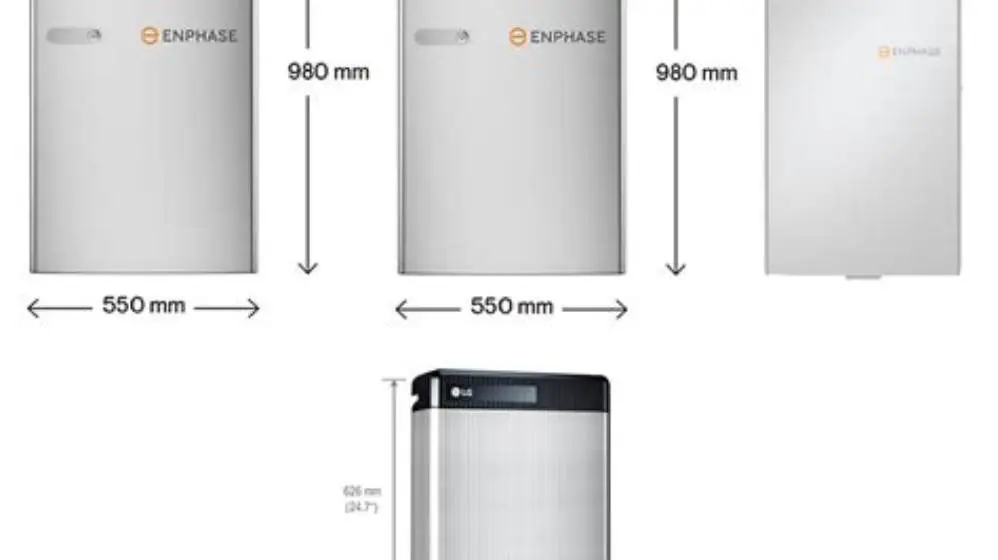
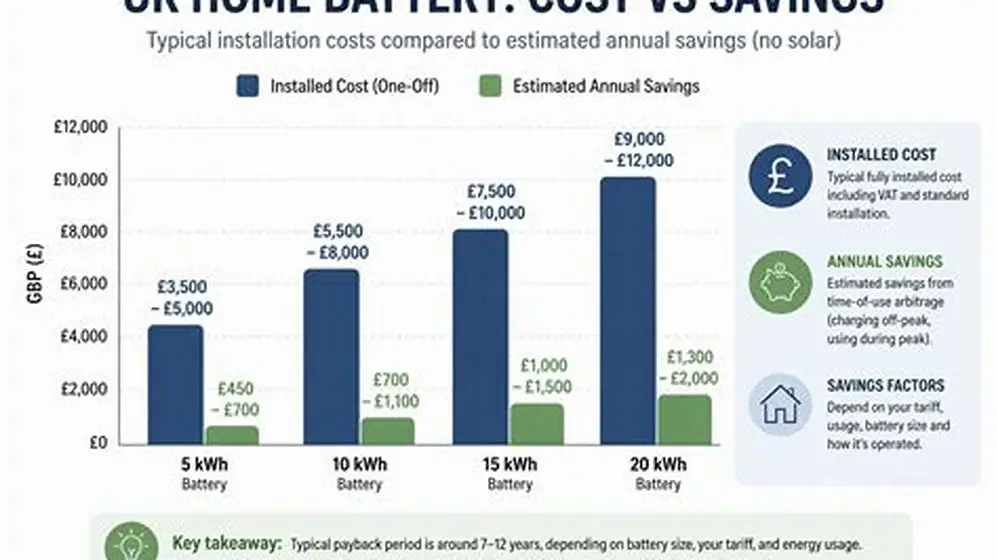
Typical UK home battery installations cost between £4,000 and £8,000 before grants. The final price depends on battery capacity (usually 6-10 kWh), brand, and installer fees. Larger batteries cost more upfront but offer greater storage and flexibility.
Installation complexity and integration with existing solar systems also influence cost. Older homes with limited electrical infrastructure may require additional work that raises expenses.
You should budget for a system sized to your household’s electricity use, typically storing 1-3 kWh daily, to optimise your savings. Over-sizing the battery wastes upfront investment without proportional returns.
Battery chemistry significantly affects cost and performance. Lithium-ion batteries dominate the UK market for home storage due to their energy density and lifespan, typically offering around 3,000 to 5,000 full charge cycles, which translates to about 10 to 15 years under normal use. Alternative chemistries like lead-acid or flow batteries are less common; they are cheaper upfront but have shorter lifetimes and lower depth of discharge, meaning usable capacity is less than nominal capacity. For example, a 7 kWh lithium-ion battery might cost £6,000 installed, while a similar lead-acid system could be £4,000 but only last 5-7 years. If that sounds like your situation, read up on solar panels cost uk 2026 for a 3 bed house next.
Available government grants and funding
The Boiler Upgrade Scheme currently offers up to £6,000 towards home battery installations when paired with heat pumps or solar PV, reducing your upfront cost significantly. This grant targets low-carbon home improvements.
Other schemes, such as ECO4 and Warm Homes Plan, focus more on insulation and heating upgrades, so grant availability for batteries alone is limited beyond the Boiler Upgrade Scheme.
To qualify, your home usually must have solar already installed or plan solar alongside the battery. Grants require application via accredited installers who handle paperwork and compliance. If that sounds like your situation, read up on home wind turbines uk worth it next.
The Smart Export Guarantee (SEG) scheme also indirectly supports batteries by paying households for excess solar electricity exported to the grid, typically at rates between 3p and 5p per kWh. If your battery reduces exports by storing solar power for self-use, you may earn less SEG income, so the trade-off is between immediate export payments and future savings from stored energy use. This balance influences financial viability depending on your solar generation profile and local SEG rates.
Average electricity savings and usage patterns
Savings from a home battery depend mainly on how much of your solar-generated electricity you store for later use. Typical self-consumption gains range between 10% and 30% of total solar output, translating to 1-3 kWh stored daily in average UK homes.
Households that use more electricity in the evening or night benefit more because they avoid higher grid tariffs by discharging their battery stored power during peak hours. The other half of this decision is solar battery setup steps.
If your home’s daytime electricity use is already high or you export most solar generation, battery savings diminish. In that case, the battery discharges less and pays back slowly.
An example household generates 4 kWh of solar energy midday. Without a battery, 2 kWh is consumed immediately, and 2 kWh is exported to the grid. With a 3 kWh battery, 1.5 kWh is stored and used in the evening, reducing grid import by that amount. If grid electricity costs 20p per kWh, the battery saves 30p daily. Over a year, that equals about £110, assuming consistent solar and usage patterns. This simplified calculation shows how savings depend on aligning battery capacity with evening consumption.
Payback period thresholds
The typical payback period for a home battery in the UK ranges 7 to 12 years, influenced by battery size, usage pattern, and system cost after grants. Smaller households with low evening use may see payback extend beyond 15 years. For the detail, see our notes on estimating battery capacity.
Your battery’s warranty and expected lifetime often span 10 to 15 years. Systems with payback beyond warranty risk poor financial return.
To shorten payback, optimise battery size and electricity use, and claim available grants. Also, consider time-of-use tariffs to maximise savings by discharging at peak price periods.
If your battery system costs £5,000 after grants and annual savings are £400, the payback period is 12.5 years. However, if battery degradation reduces capacity by 20% after 10 years, annual savings drop to £320, extending payback beyond 15 years. Monitoring degradation and adjusting usage accordingly can preserve savings. Choosing batteries with longer warranties or replacement options can mitigate this risk. We go through working of solar batteries step by step elsewhere on the site.
Practical considerations for UK homes
UK homes must have compatible solar PV systems and suitable electrical infrastructure for battery installation. Older properties might need panel upgrades or electrical rewiring.
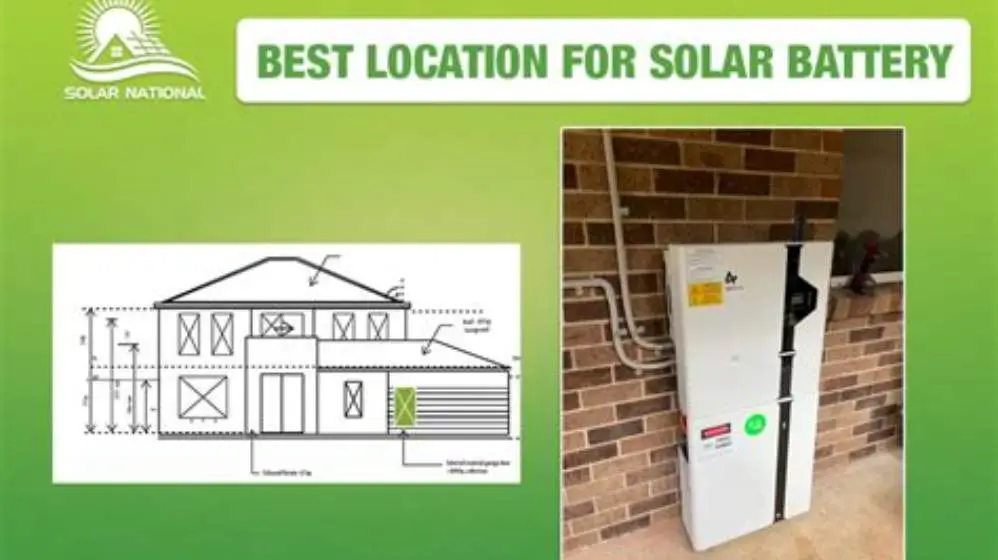
Space and placement matter: batteries require dry, ventilated locations indoors or within weatherproof enclosures outdoors. Noise and safety clearance must be assessed.
Installer expertise in UK regulations and standards is critical. Choose well-reviewed, MCS or RECC-accredited firms who can advise on system sizing and grant applications accurately.
Homes with solar panels facing north or shaded roofs may generate less solar energy, reducing the benefit of a battery. In contrast, south-facing roofs in southern England produce more solar power, increasing battery usefulness. The orientation and shading of solar arrays should be assessed before investing in storage to ensure the battery will have sufficient energy to store.
Older homes with limited space may consider hybrid inverter systems combining solar and battery management within a compact footprint. This integration can save installation space and cost but requires compatibility checks and may affect upgrade flexibility.
Is a home battery worth it in the UK
A home battery is worth it financially if you have solar PV, high evening electricity demand above 3-5 kWh, and can claim grants like the Boiler Upgrade Scheme to cut upfront cost to around £2,000-£4,000. Under these conditions, payback is typically 7-12 years.
If you lack solar or use electricity mostly during the day, batteries rarely pay back well without extra incentives or time-of-use tariffs.
You will need a battery sized to your actual daily stored energy needs (1-3 kWh is typical) to avoid overpaying for unused capacity.
The physical item you’ll want after deciding to install is a smart home energy monitor. It tracks solar generation and consumption patterns in real time to confirm your battery size and usage fit your lifestyle.
- reduces grid electricity bills
- improves solar self-consumption
- eligible for government grants
- high upfront cost
- long payback period
- requires compatible solar system
Home batteries can be financially worth it in the UK when properly sized, supported by solar PV, and combined with grants, but not for every home.
Questions people still ask
Can I install a home battery without solar panels?
Installing a battery without solar can still reduce peak grid electricity use if your tariff has time-of-use pricing. However, financial savings generally are lower since you do not store free solar energy, making payback longer.
How do I know what battery size I need?
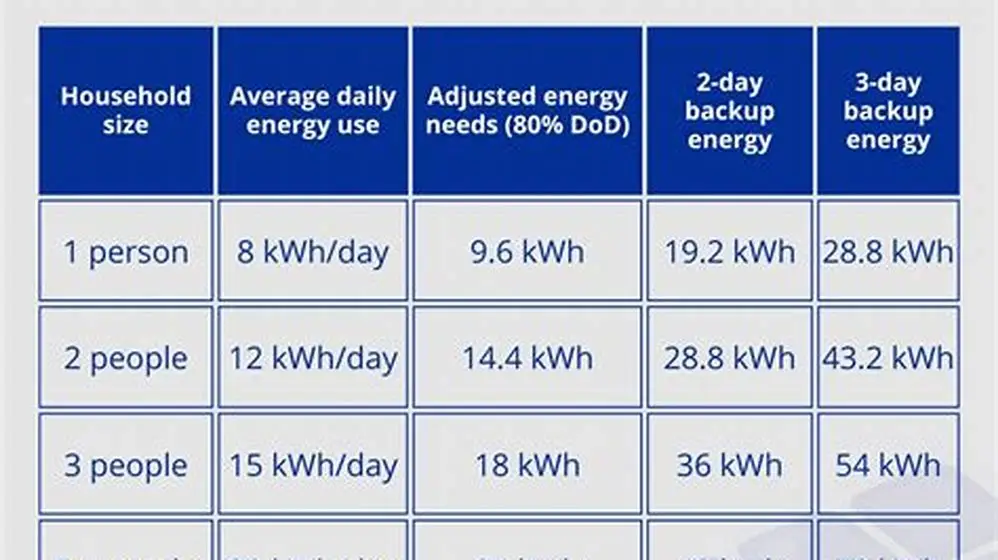
You need to measure your daily electricity use in the evening and night and how much solar you generate during the day. Aim for a battery capacity that stores 1-3 kWh daily based on these patterns to optimise cost-effectiveness.
Are there ongoing maintenance costs for home batteries?
Home batteries usually require minimal maintenance but expect occasional software updates and battery health checks. Replacement cells can cost thousands after warranty expires, so factor that into long-term costs.
What happens to stored electricity during grid outages?
Most UK home batteries only supply power to your home during outages if paired with special inverter systems and safety switches. Without this, the battery will not provide backup power.
Do all installers provide warranty on batteries?
Reputable installers offer warranties covering battery capacity (usually 60-70% retention over 10 years) and system parts. Verify warranty terms before purchase, as coverage varies considerably.