Estimate your home's daily electricity use in kWh from bills, then choose a solar battery sized to cover typical daily use or backup needs, commonly between 5 and 15 kWh for most homes.
On this page
- Quick recap
- How to estimate daily home electricity use in kWh
- How to match battery capacity to usage and backup needs
- Typical battery sizes for homes and what they cover
- How to relate solar panel size to battery capacity
- Steps to calculate your ideal solar battery size from your bills
- Why monitoring actual use and battery performance matters
- Quick questions
Part of our guide on blackout use with solar battery
Quick facts
- Average daily use
- 10-30 kWh
- Common battery sizes
- 5-15 kWh
- Backup coverage
- 4-12 hours typical
- Battery lifespan
- 5-15 years
- Panel to battery ratio
- 1:1 to 3:1 kW:kWh
Quick recap
- Estimate daily home electricity use from utility bills in kWh
- Match battery capacity to daily use or desired backup duration
- Typical home solar batteries range from 5 to 15 kWh capacity
- Oversizing wastes money; undersizing limits backup time
- Use a battery monitor to track real consumption and adjust
How to estimate daily home electricity use in kWh
Your daily electricity use in kilowatt-hours (kWh) is usually printed on your utility bill as a monthly total. To get a reliable daily figure, divide your last 12 months’ total kWh usage by 365 days. This smooths out seasonal peaks.
Daily electricity use depends on household size, appliances, and lifestyle. Most homes use between 10 and 30 kWh per day. Larger homes or those with electric heating often exceed this range, while smaller or energy-efficient homes use less.
For a more precise measure, consider installing an energy monitor on your main circuit. This device tracks actual kWh consumed each day and can reveal spikes or savings opportunities.
If your home uses electric heating or cooling, daily electricity consumption can jump significantly in extreme weather. For example, a household with an electric heat pump might see winter daily use rise to 40-50 kWh, well above average. In such cases, battery sizing must consider these peak demands to avoid undersizing. There is more on estimating battery capacity in a separate guide.
Another factor is appliance efficiency and behavior changes. Introducing energy-efficient LED lighting or smart thermostats can reduce usage, possibly lowering battery needs. Conversely, adding electric vehicles to your home charging can increase daily consumption by 10-30 kWh depending on mileage.
When using an energy monitor, compare readings across different seasons to identify peak and low usage periods. This helps in selecting a battery capacity that balances coverage between high-demand months and lower-use times, avoiding oversizing for rarely reached peaks.
- Utility bill method: total kWh ÷ days for average daily use
- Energy monitor: real-time, accurate daily consumption
- Seasonality: expect higher winter use for heating
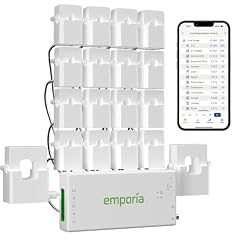
Emporia Vue 3 Home Energy Monitor
Provides real-time kWh measurement with ±2% accuracy using 16 circuit sensors for whole home monitoring.
How to match battery capacity to usage and backup needs
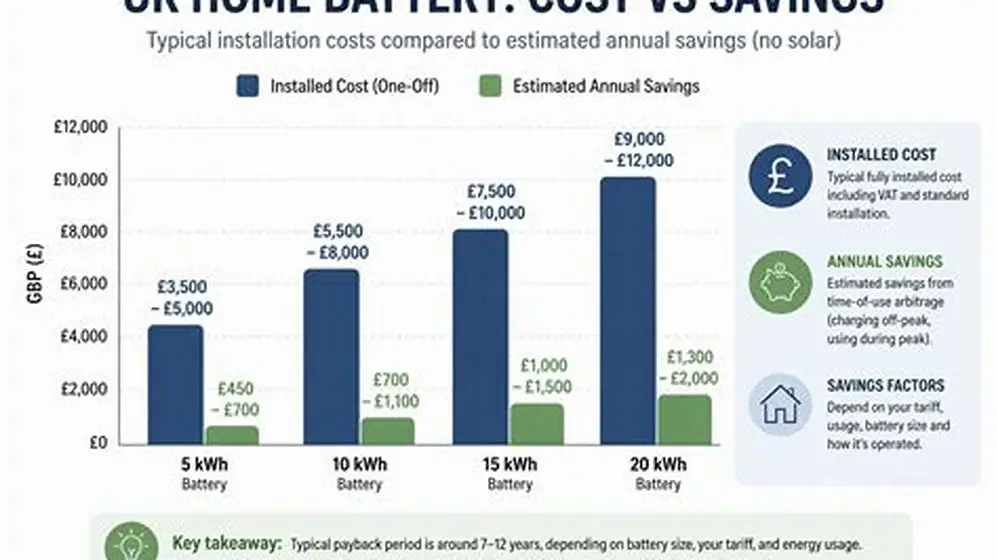
A solar battery should store enough energy to cover your typical daily electricity use or your desired backup duration during outages. If you want to power the whole home, match the battery capacity close to your average daily kWh use. There is more on is a home battery worth it in the uk in a separate guide.
Backup needs may require less capacity if you only want to run essentials like lights and fridge. For example, covering 4 hours of essential loads might need 3-5 kWh, while full-day autonomy could need 10-15 kWh or more.
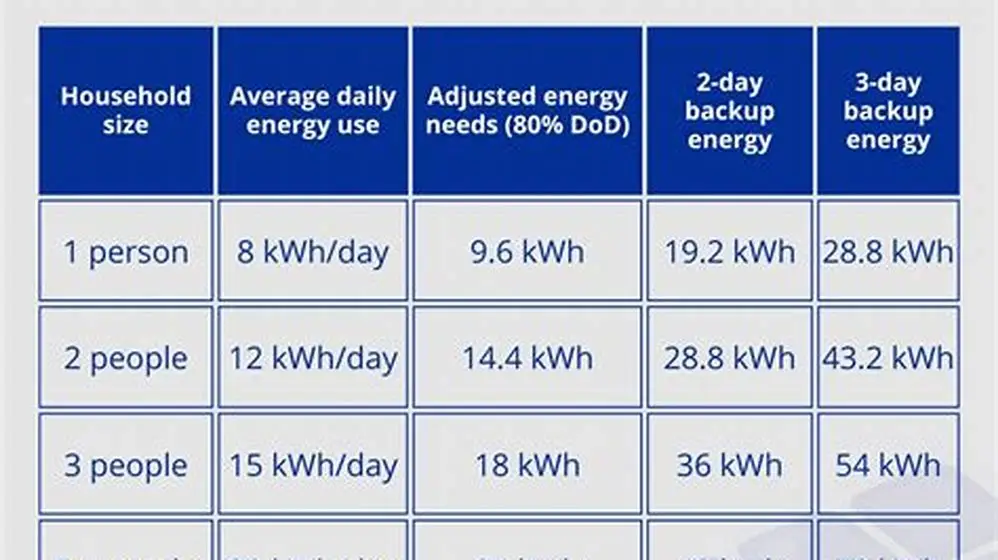
Battery capacity is often expressed in kWh. To find the right size, multiply your average daily kWh consumption by the fraction of the day you want covered. This lets you balance cost and reliability.
Battery depth of discharge (DoD) also affects usable capacity. A 10 kWh battery with 80% DoD provides 8 kWh usable energy. Designing battery capacity must factor in DoD to ensure sufficient effective storage. We go through powering cooling without swapping inverters step by step elsewhere on the site.
Efficiency losses occur when charging and discharging batteries, typically around 10-15%. This means that to cover a 10 kWh daily use, you might need a slightly larger battery to compensate for energy lost in conversion.
If your backup needs include powering sensitive electronics, consider the inverter’s continuous and surge power ratings alongside battery capacity. High starting loads, like for pumps or HVAC compressors, require adequate inverter sizing to prevent trips during outages.
- Full daily coverage: battery capacity ≈ daily use in kWh
- Partial backup: capacity based on essential load and hours desired
- Consider inverter size: battery must support peak power demand
Typical battery sizes for homes and what they cover
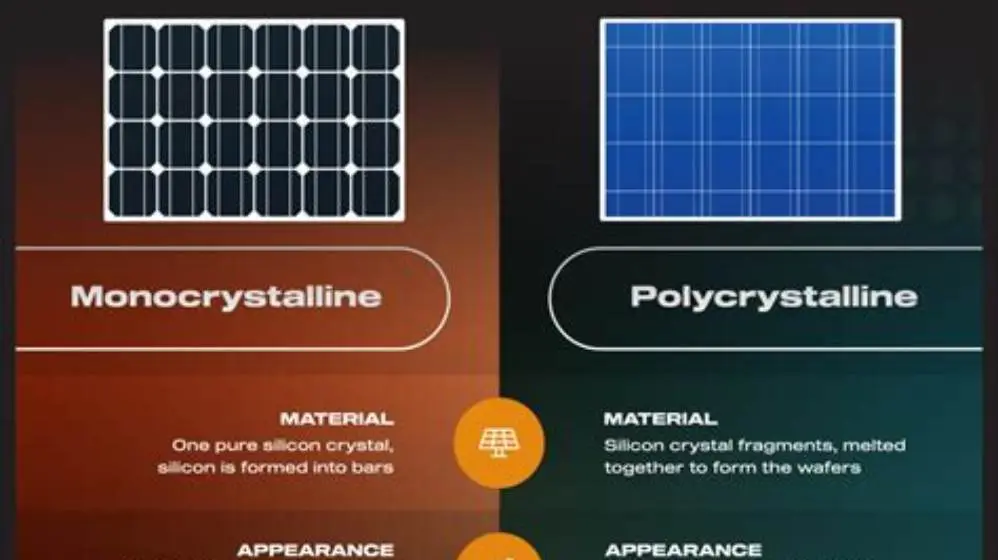
Common residential solar batteries come in sizes from about 5 kWh to 15 kWh capacity. A 5 kWh battery usually covers about half a day’s average electricity use for a small household or several hours of essential loads during an outage. People in this spot often ask about monocrystalline versus polycrystalline solar panels as well.
A 10 kWh battery can cover a full day for many medium-sized homes. Larger households or those aiming for longer backup can opt for 15 kWh or combine multiple batteries.
The choice depends on your daily consumption, panel capacity, and budget. Oversized batteries add expense and rarely get fully used, while undersized ones limit benefits.
For example, a 7 kWh battery might keep a small home’s essential loads (like lighting, refrigerator, and Wi-Fi) running for up to 6 hours, depending on consumption rates. This could be sufficient for short outages. We go through solar farm battery needs step by step elsewhere on the site.
A 12 kWh battery could allow a medium household to operate all normal appliances for about 12 hours without grid power, covering an overnight blackout comfortably. Larger batteries of 15 kWh or more might sustain power for a full 24-hour period in most cases.
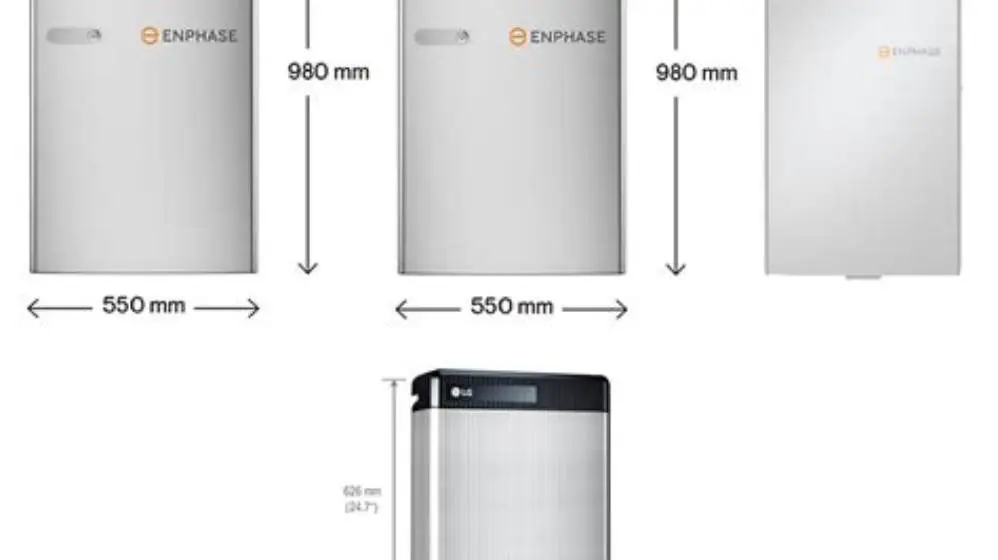
Stacking multiple battery units is common to scale capacity. Some homeowners start with a 5 kWh unit and add more over time. This modular approach spreads costs and allows for tailored backup based on evolving needs.
| Battery Capacity (kWh) | Typical Coverage | Suitable Household Size |
|---|---|---|
| 5 | 4-6 hours essentials | Small (1-2 people) |
| 10 | Full day average use | Medium (3-4 people) |
| 15 | Full day + partial next day | Large (4+ people) |
How to relate solar panel size to battery capacity
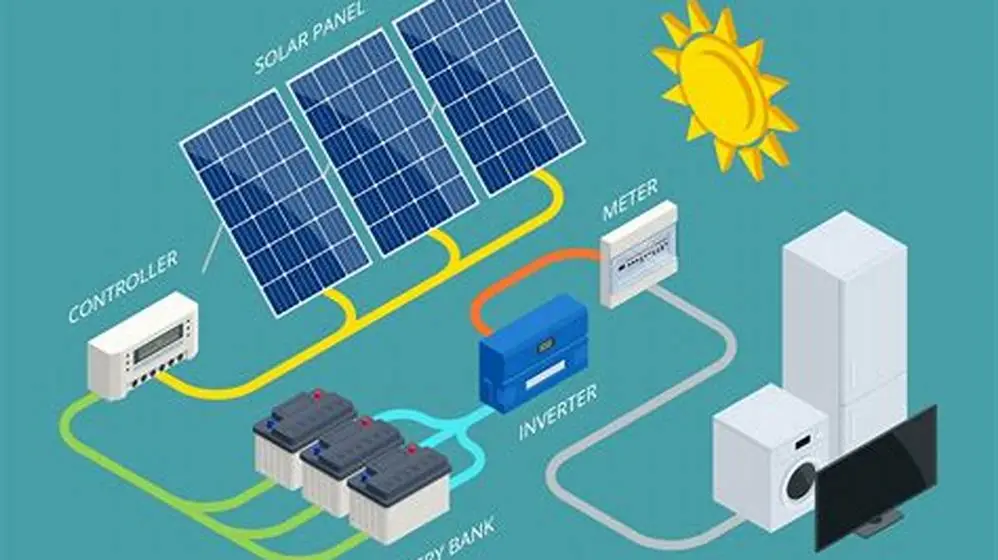
Solar panel systems are rated in kilowatts (kW), while batteries are rated in kilowatt-hours (kWh). A typical ratio is between 1:1 and 3:1 kW of panels to kWh of battery capacity depending on your consumption and solar patterns.
For example, a 5 kW panel system might pair well with about 5 to 15 kWh of battery storage. More panels generate more electricity, enabling faster battery recharge and greater self-consumption.
Panels produce energy during daylight; batteries store excess for night use. Matching sizes so batteries can store surplus rather than waste it maximizes returns.
Consider the solar generation profile: a 4 kW system in a sunny climate might produce around 16 kWh daily, enough to fully charge an 8-10 kWh battery if consumption matches. In contrast, the same system in a cloudy region might produce only 8-10 kWh, limiting battery recharge.
If your panels produce significantly more energy than your home consumes, a larger battery can store surplus for nighttime use, increasing self-consumption and reducing grid reliance.
An undersized battery relative to panel size means excess solar energy may be exported to the grid or wasted, reducing financial savings. Conversely, too large a battery with small panel output can lead to slow recharge and limited daily cycling.
| Panel Size (kW) | Battery Capacity (kWh) | Notes |
|---|---|---|
| 3 | 3-9 | Smaller system, limited excess energy |
| 5 | 5-15 | Common domestic scale, balanced storage |
| 7 | 7-21 | Larger capacity, more storage and flexibility |
Steps to calculate your ideal solar battery size from your bills
- Gather your electricity bills from the past year and find total kWh used.
- Divide the annual kWh by 365 days to get average daily consumption.
- Decide how many hours or what fraction of your daily use you want covered by battery backup.
- Multiply the daily kWh by this fraction to get battery capacity in kWh.
- Check your solar panel size and ensure battery capacity aligns with typical daily surplus.
- Adjust capacity for budget constraints or plans to expand later.
Why monitoring actual use and battery performance matters
Estimating battery size is only the first step. Regularly monitoring your home's actual energy use helps verify if the battery size meets your needs.
Energy monitors or battery management systems track daily kWh and state of charge, indicating if you need to upgrade or can downsize your battery later.
Monitoring prevents overspending on oversized batteries and ensures you’re maximizing solar self-consumption and backup reliability.
Unexpected spikes in household energy use (such as hosting guests or running power tools) can deplete battery reserves faster than estimated. Monitoring usage trends helps anticipate these events and plan accordingly.
Battery state of health (SoH) degrades over time, reducing capacity. Tracking performance metrics helps determine when replacement or expansion is needed to maintain backup reliability.
Advanced monitoring can also alert to faults or inefficiencies, such as inverter malfunctions or battery imbalance, which if unaddressed reduce system effectiveness and lifespan. Prompt maintenance ensures continuous operation as sized.
Quick questions
Can I rely only on a small battery for backup during power outages?
Small batteries (around 5 kWh) can power essential devices for a few hours but usually won’t cover a whole day or heavy loads. For longer outages or full home coverage, larger capacity is necessary.
How do solar panel output fluctuations affect battery sizing?
Variable solar output means your battery should be sized not just for average daily use but also to buffer cloudy days. Oversizing battery slightly or having a hybrid grid-tied system helps manage variability.
Is it better to oversize or undersize a solar battery?
Oversizing can waste money on unused capacity, while undersizing reduces backup duration and self-consumption benefits. Aim for a balanced size matching your daily usage and backup goals.
Do battery warranties affect how big a system I should buy?
Warranty lengths and cycle ratings indicate how long a battery will perform well. Buying a battery sized for your use but with a good warranty can minimize replacement costs.
Can I expand my battery capacity later if my initial size is too small?
Yes, many battery systems are modular and allow additional units to be added. Planning for expansion can reduce upfront costs while giving flexibility.