In 2026, installing solar panels on a typical UK 3-bedroom house usually costs between £5,000 and £8,000 for a 3 to 4 kW system, after available government subsidies and grants.
On this page
Part of our guide on what happens when installing solar battery
Quick facts
- Typical system size
- 3-4 kW
- Cost range
- £5,000-£8,000
- Payback period
- 8-12 years
- Grant impact
- Up to £6,000
- Average house size
- 3-bedroom UK home
Quick recap
- A 3-bedroom home typically needs 3-4 kW solar system capacity.
- Installation costs range from £5,000 to £8,000 in 2026 after subsidies.
- UK grants like the Boiler Upgrade Scheme can reduce upfront costs.
- Typical payback periods range between 8 and 12 years depending on usage.
- Getting multiple installer quotes is vital to find the best deal.
Typical system size for 3-bedroom homes
A 3-bedroom house in the UK usually requires a solar panel system sized between 3 and 4 kilowatts (kW). This range depends largely on the household’s average electricity consumption, roof orientation, and available sunlight hours.
The typical electricity demand for such homes is around 3,000 to 4,500 kWh annually. A 3-4 kW system under standard UK conditions (approximately 850-1,100 kWh generated per kW per year) can cover 70-90% of this consumption if optimally installed.
System size varies with roof space and shading. Many 3-bedroom homes have 15-25 square metres of usable roof, enough for about 10-14 panels rated at 300-400 watts each. The exact number depends on panel efficiency and layout restrictions.

FastCap ProCarpenter True32 Metric Reverse Measuring Tape
Measures roof area in metric units with a 4.9 m tape length, suitable for precise roof measurements.
Total installation cost range in 2026
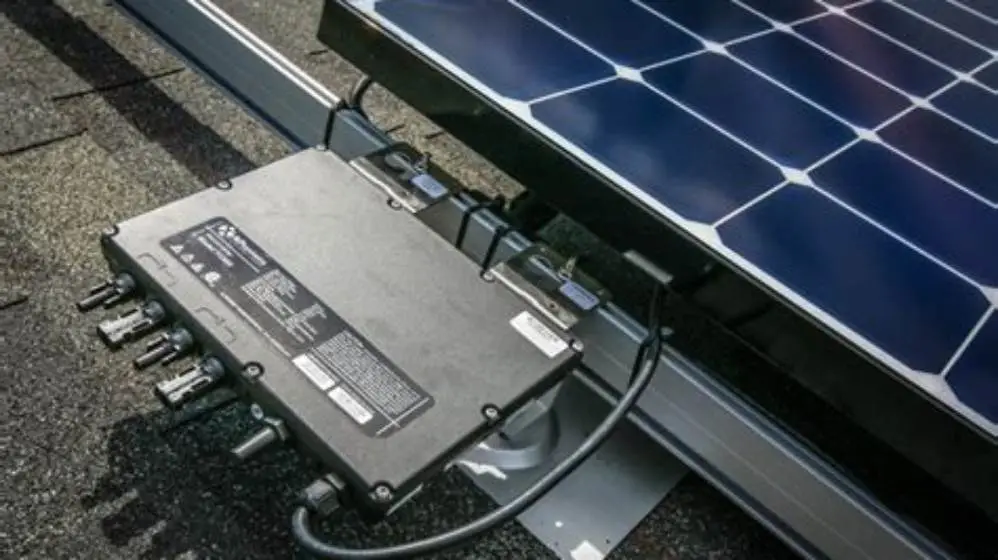
A typical 3–4 kW solar PV system for a 3‑bed house in the UK in 2026 commonly lists between £6,000 and £9,000 before any support. That range covers standard microgeneration packages: modules, inverter, mounting, cabling and labour. These figures align with current market summaries and price guides (see Energy Saving Trust and recent industry reports) rather than a single fixed quote; always treat the range as indicative (Energy Saving Trust, gov.uk, Ofgem). For the detail, see our notes on solar panel microinverters explained.
Costs vary by product choice and installation complexity. Premium panels or higher-capacity inverters raise component bills, while straightforward, south‑facing roofs with good access reduce time on site and therefore labour charges. If you must reinforce a roof, install on a tiled roof with scaffolding, or add a bespoke mounting system for dormers, expect labour and scaffold costs to increase by around 10–20% compared with a simple fit on a conventional pitched roof (Industry installer guidance; Energy Saving Trust).
Regional labour rates and supply-chain conditions also affect final price. For example, installers in high‑demand urban areas frequently charge more for call‑out and scheduling; conversely, local installers with spare capacity may offer lower quotes. The table below breaks down typical component ranges used to build the total figure; use it only as a planning tool, not a firm offer.
The net cost after subsidies depends on which schemes you can access, whether you add storage, and the timing of purchase. The worksheet figures above assume a stand‑alone PV install without battery; adding a battery typically increases the package by several thousand pounds depending on capacity and manufacturer warranty. Confirm all cost elements and warranties in writing before accepting an installation contract. The other half of this decision is tesla powerwall payback in uk house with 3 bed solar.
| Component | Cost Range (£) |
|---|---|
| Solar panels | £2,500 - £3,500 |
| Inverter | £700 - £1,200 |
| Installation and labour | £1,500 - £2,500 |
| Mounting and wiring | £800 - £1,200 |
| Total before grants | £6,000 - £9,000 |
Impact of UK subsidies and grants
Subsidy availability and value in 2026 are variable; do not treat any single figure as guaranteed. Several UK support routes may reduce the upfront cost, but eligibility and amounts change by scheme and over time. Before you commit, check official sources such as gov.uk for current grant pages, the Energy Saving Trust for consumer guidance, and Ofgem for regulatory updates (gov.uk; Energy Saving Trust; Ofgem).
Common routes that homeowners reference include local council low‑carbon grants, the Boiler Upgrade Scheme (BUS) when used in combination with heat technologies, and targeted energy‑efficiency programmes for low‑income households. Where programmes apply to PV, they typically reduce the effective outlay by several hundred to a few thousand pounds for eligible applicants. For planning purposes many homeowners find a conditional reduction estimate of £500–£3,000 useful, but actual awards depend on scheme rules, means‑testing, property type and whether battery storage or heat technologies are part of the same package (see gov.uk guidance and local authority pages).
Do not assume every homeowner qualifies. Some schemes require specific installer accreditation, a particular tariff or product spec, or that the household meet income or tenancy criteria. Local grants vary hugely between councils; one authority may offer a small grant while a neighbouring one offers none. For the Boiler Upgrade Scheme and ECO‑type programmes, check the latest eligibility lists and approved supplier information on gov.uk to confirm whether PV, batteries or combined systems are eligible in your case (gov.uk Boiler Upgrade Scheme; gov.uk ECO guidance). We go through is a home battery worth it in the uk step by step elsewhere on the site.
When calculating net cost and payback, treat subsidy figures as conditional inputs. Ask any installer to itemise the base price and the expected subsidy reduction separately in their quotation. Keep proof of eligibility and written confirmation of any grant award; installers sometimes include claimable amounts in a quote that are conditional on later approval. For up‑to‑date, authoritative detail on available schemes and exact amounts always consult the official government pages and your local authority website before making financial decisions.
Average payback period for solar panels in 2026
Payback periods for solar panel installations on 3-bedroom UK homes typically range between 8 and 12 years, depending on electricity usage, system size, and subsidies received.
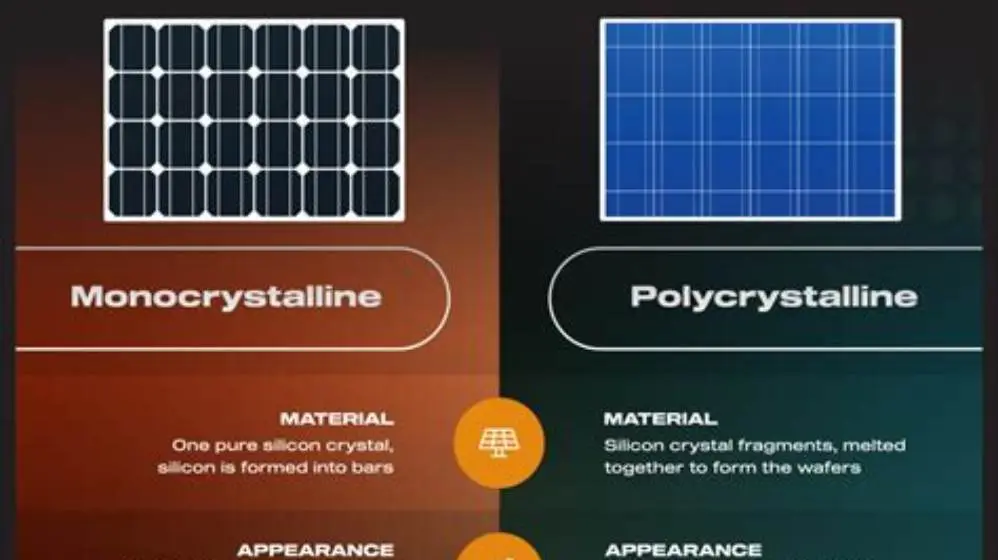
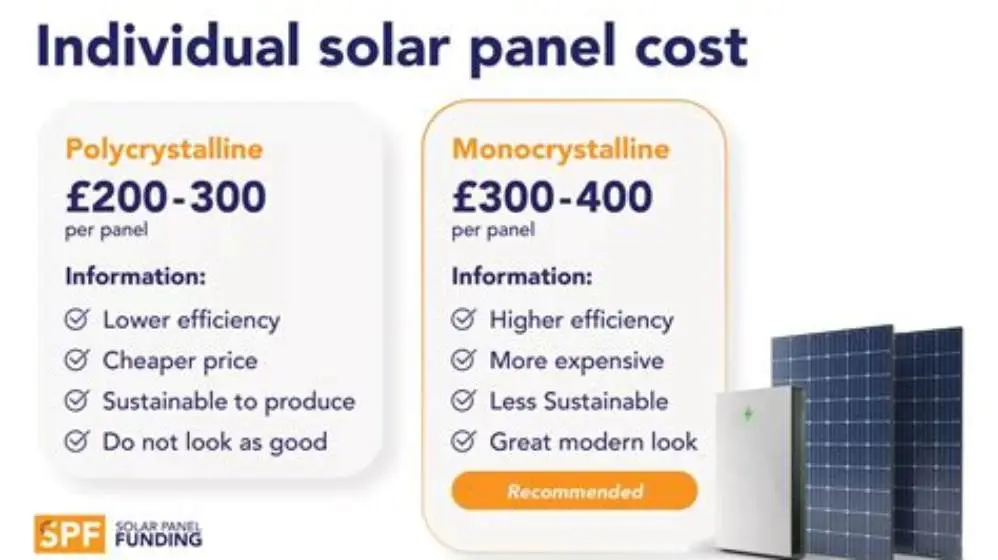
Homes with high daytime electricity consumption or ability to use solar energy directly reduce grid purchases significantly, shortening payback. Export tariffs remain low, so self-consumption matters most. People in this spot often ask about monocrystalline versus polycrystalline solar panels as well.
Factors like rising electricity prices and inflation affect savings. Solar panels commonly last 25 years or more, meaning substantial savings after payback, but panels degrade about 0.5-1% annually.
The payback period also depends on changes in household energy consumption patterns. For instance, families who shift more electricity use to daytime hours (when solar panels generate most) can reduce grid imports further. If a 3-bedroom household uses 4,000 kWh per year and manages to consume 60% of its solar output directly, payback may shorten by 1-2 years compared to households exporting most power.
Seasonal variations affect solar generation; winter months yield less output, extending payback slightly if consumption remains constant. Monitoring system performance and adjusting usage habits can help optimise savings. A simple check after installation is to compare monthly electricity bills before and after solar activation, ensuring expected savings align with quoted estimates. We go through roof leaks and solar panels step by step elsewhere on the site.
How to get multiple quotes for solar installation
Obtaining multiple quotes helps identify competitive pricing and suitable system options tailored to your 3-bedroom house. Aim to approach at least three installers who are MCS-certified (Microgeneration Certification Scheme).
Provide clear details about your roof orientation, shading, and electricity usage to each installer for accurate quotes. Some may offer free home surveys to assess feasibility.
Ask about included warranties, panel brand options, expected output estimates, and post-installation support. Confirm that the quote includes VAT and any paperwork needed for grants.
When gathering quotes, enquire if installers offer performance guarantees, which promise a minimum energy output over a set period. This can protect against underperformance and is a useful check of installer confidence.
Some companies provide online quote tools requiring only roof dimensions and postcode, giving quick ballpark figures. However, these should be followed with in-person surveys for accuracy. Comparing quotes on a like-for-like basis is critical; ensure all include VAT, installation costs, inverter warranties, and any potential extra charges for scaffolding or electrical upgrades.
Ask if the installer manages grant applications as part of their service. This can simplify the process and ensure you receive maximum funding without delays or paperwork errors.
- Identify MCS-certified local installers online or via trade bodies.
- Contact and request detailed quotes mentioning your house specifics.
- Schedule on-site assessments if required.
- Compare offers based on price, equipment, and installer credentials.
- Check references or reviews before deciding.
Solar panels cost uk 2026 for a 3 bed house
Summarising, the total cost for solar panels on a 3-bedroom UK house in 2026 typically ranges from £5,000 to £8,000 after subsidies for a 3 to 4 kW system. This fits most energy use profiles and roof sizes.
While upfront costs remain significant, combining grants and smart self-consumption practices trims payback to under 10 years for many households. Panels remain productive for 25 years and improve a home's EPC rating.
To confirm exact figures, measure your roof, assess your electricity consumption, and get at least three installer quotes including grant application support. This approach ensures accurate budgeting and maximises financial benefit.
Quick questions
How much roof space is needed for 3-4 kW solar panels?
About 15 to 25 square metres of unshaded, south-facing roof space is needed. This accommodates roughly 10 to 14 panels rated between 300 and 400 watts each.
Can renters or landlords claim subsidies for solar panels?
Landlords may qualify for some grants under schemes like ECO4 if they improve EPC ratings. Renters typically cannot claim subsidies unless the landlord installs panels.
Do solar panels increase property value in the UK?
They often improve EPC ratings, which can make homes more attractive to buyers and potentially increase value, though exact uplift varies by location and buyer preferences.
Are solar batteries necessary with solar panels?
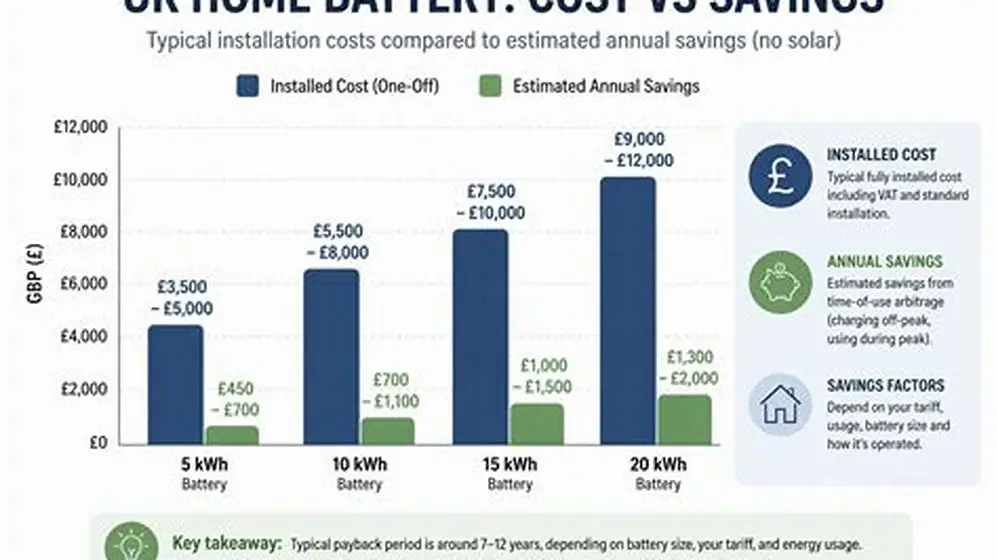
Not essential but help store excess generation for use during evenings or outages. Including a battery raises installation costs by £4,000 to £6,000, impacting payback times.
What happens if my roof is partly shaded?
Shading reduces system efficiency and yield. Installers may suggest panel layouts or microinverters to mitigate this, but output typically falls, affecting savings and payback.