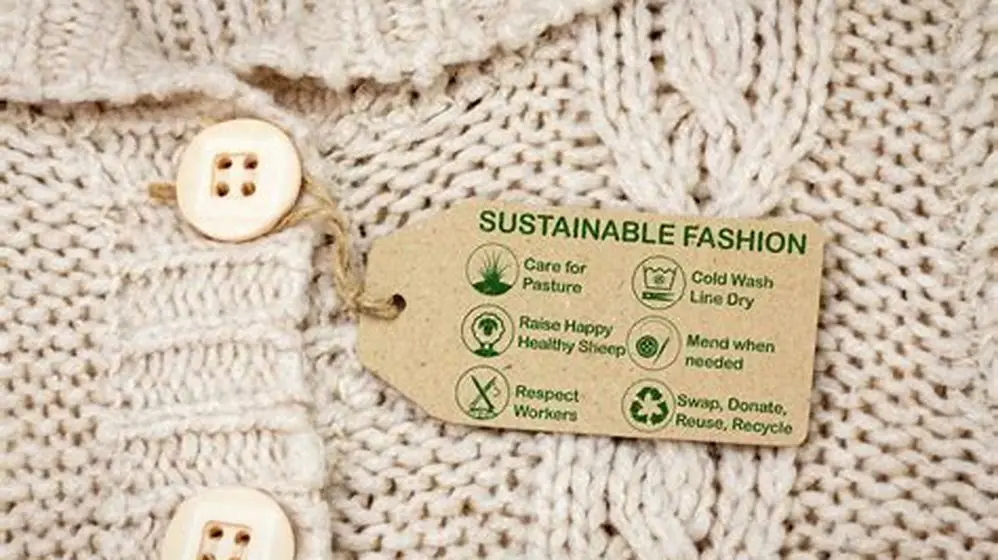
Wool insulation offers a lower environmental impact and good thermal performance that can justify extra cost, especially in cold climates.
Wool is a sustainable product when sourced responsibly, with a carbon footprint often lower than synthetic insulation. Its insulation value justifies extra cost in cold climates, and pairing it with hempcrete enhances sustainability further.
On this page
- The short version
- Is wool a sustainable product
- Wool insulation value versus its cost
- Is wool insulation worth extra cost for cold climate
- Why is hempcrete a sustainable material
- How to choose sustainable insulation combining wool and hempcrete
- Environmental and cost trade-offs of wool versus synthetic insulation
- Questions people still ask
Part of our guide on natural insulation low carbon
Wool insulation balances natural sustainability with strong thermal performance, especially in cold climates, while pairing with hempcrete delivers a low-carbon building solution.
| Wool R-value | R3.5–4 per inch |
|---|---|
| Typical wool carbon footprint | 10–30 kg CO2e/m² |
| Wool cost premium | 20-50% higher |
| Wool lifespan | 30+ years |
| Hempcrete carbon impact | Net negative |
| Common wool insulation thickness | 100–150 mm |
The short version
- Wool insulation's embodied carbon is lower than many alternatives when responsibly sourced
- Its thermal resistance ranges from R3.5 to R4 per inch, efficient for cold climates
- Wool costs 20-50% more than fiberglass but lasts longer and requires less energy to produce
- Hempcrete is highly sustainable due to carbon sequestration and low embodied energy
- Choosing wool plus hempcrete reduces overall environmental impact and improves indoor air quality
Is wool a sustainable product
Wool insulation's sustainability depends on several factors: the wool's source, production processes, and end-of-life disposal. Sheep's wool has a variable carbon footprint, often in the range of 10 to 30 kilograms of CO2 equivalent per square meter of installed insulation. This footprint depends heavily on farming practices, such as feed type and land use, as well as transportation distance.
Its natural biodegradability and renewable nature are key sustainability advantages over synthetic insulations made from petrochemicals. Wool is often harvested as a byproduct of meat production, reducing waste. It also requires lower energy input during processing compared to fiberglass or foam insulations. However, the exact sustainability varies widely between producers and regions.
Responsibly sourced wool, ideally with transparent supply chains and certifications showing low-impact farming and processing, offers the best sustainability profile. Without such measures, wool’s environmental benefits can be compromised by intensive sheep farming or long-haul transportation.
Wool’s sustainability also hinges on animal welfare practices. Sheep raised in intensive farming systems may face environmental degradation and ethical concerns, which detract from wool’s green credentials. Conversely, pasture-raised sheep contribute to ecosystem health through natural grazing and soil fertilization, improving carbon sequestration in soils. There is more on choosing cheap eco materials in a separate guide.
Sheep breeds and shearing frequency influence wool yield and quality, affecting the efficiency of insulation production. For example, Merino sheep produce finer wool with better thermal properties but require more care, while coarse wool from other breeds might need more processing energy. Balancing these factors is essential to optimize sustainability outcomes.
Wool insulation value versus its cost
Wool's thermal resistance, or R-value, generally ranges from R3.5 to R4 per inch, making it competitive with fiberglass and mineral wool. This R-value can vary with density and moisture content because wool absorbs and releases moisture without losing insulating properties. This makes wool particularly valuable in damp or variable climates.
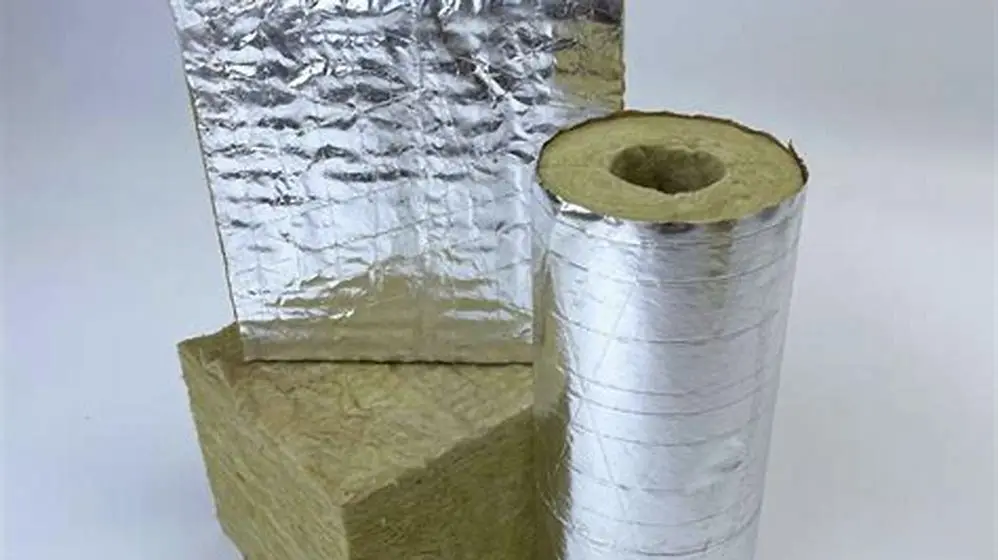
Cost-wise, wool insulation usually costs 20% to 50% more than fiberglass or mineral wool alternatives. This premium reflects the natural material, lower production volumes, and often more involved processing. However, wool lasts longer, typically over 30 years, and needs less energy to manufacture, which offsets some upfront cost over time. It helps to understand thermal benefits of rockwool before going further.
In cold climates, wool’s better moisture management and thermal stability mean you can maintain performance without additional vapor barriers, saving on installation complexity. This can justify the higher initial cost. In milder climates, the cost premium may not deliver proportional benefits.
| Insulation Type | R-value per inch | Cost Premium vs Fiberglass | Lifespan (years) |
|---|---|---|---|
| Wool | 3.5–4 | 20–50% | 30+ |
| Fiberglass | 2.9–3.8 | Base | 15–20 |
| Mineral wool | 3.0–3.3 | 10–20% | 30 |
| Polyurethane foam | 6.0–7.0 | 60–100% | 25+ |
Is wool insulation worth extra cost for cold climate
In cold climates, wool insulation’s benefits are more pronounced. Its moisture-regulating properties reduce condensation risk inside walls, maintaining R-value when humidity fluctuates. This leads to better comfort and lower heating demand compared to conventional insulation that can lose effectiveness when damp.
Because wool's thermal resistance holds steady with moisture content changes, it can outperform fiberglass in real-world cold and damp settings where moisture is unavoidable. This makes wool worth the extra cost if you live in regions with high humidity and significant seasonal temperature swings. The other half of this decision is eco-friendly building finishes.
For such climates, the recommended wool insulation thickness ranges between 100 to 150 millimeters to achieve an effective thermal barrier. Maintaining this thickness ensures meeting or exceeding local building insulation regulations.
A practical example illustrates wool’s advantage in cold climates: for a wall insulated with 120mm of wool at R4 per inch, the total R-value is approximately R19.2. In contrast, fiberglass of the same thickness at R3.2 per inch provides only about R15.4. This difference means better heat retention and energy savings over a heating season. Monitoring energy bills before and after installation can confirm these savings, showing a reduction consistent with improved insulation performance.
Potential issues arise if wool insulation is installed without proper ventilation; excessive moisture accumulation could encourage mold growth, compromising both insulation and indoor air quality. To prevent this, builders often include vapor-permeable membranes enabling moisture diffusion. Identifying mold or musty odors early signals poor moisture management, prompting corrective measures to maintain wool’s benefits. This check ensures long-term performance and healthy indoor environments.
Why is hempcrete a sustainable material
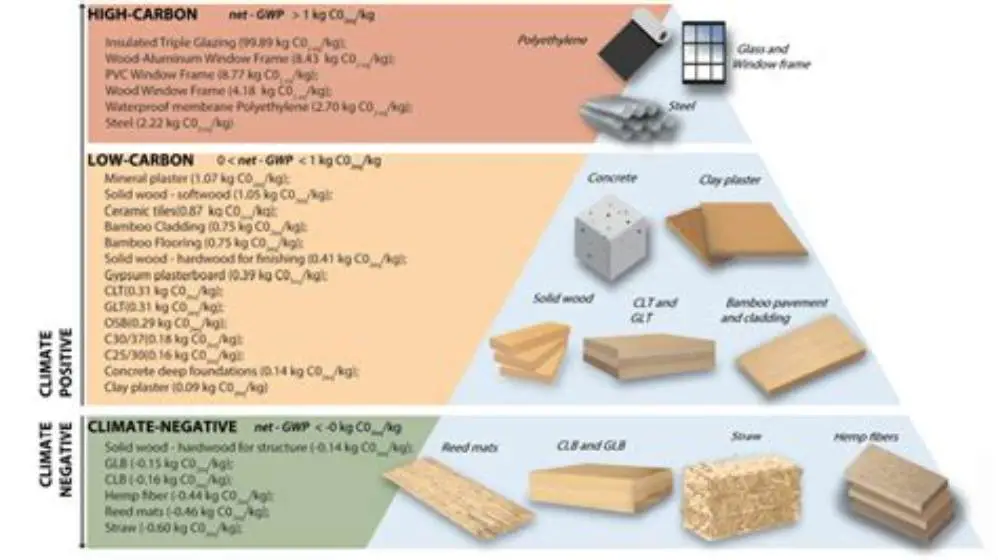
Hempcrete is sustainable primarily because of its carbon-negative potential during growth and manufacture. Hemp plants absorb around 9 to 12 tonnes of CO2 per hectare annually. When used as insulation material, hempcrete locks this carbon within the structure for decades or longer.
Its low embodied energy compared to cement-based materials further lowers environmental impact. Hempcrete is also breathable, reducing moisture accumulation in walls and improving indoor air quality. This reduces mold risk and enhances occupant health.
Though not a direct thermal barrier like wool, hempcrete’s thermal mass moderates temperature swings, complementing wool insulation’s performance. Combining both can optimize a home's environmental footprint and indoor comfort.
How to choose sustainable insulation combining wool and hempcrete
Selecting insulation that balances cost, performance, and environmental impact requires considering local climate, building use, and budget. Wool insulation excels at moisture control and thermal resistance in cold, humid climates but comes at a higher initial cost.
Hempcrete's carbon capture and breathability complement wool's strengths, so using hempcrete for external wall infill and wool insulation internally is an effective strategy for eco-conscious buildings.
Ensure wool insulation meets at least R3.5 per inch and is certified for responsible sourcing. Hempcrete mixes should have low lime content to reduce embodied energy but still provide sufficient strength and durability.
A common approach is a 120mm wool insulation layer inside timber-framed walls combined with a 150mm hempcrete external infill. This pairing achieves substantial heating energy savings and a low carbon footprint.
- Assess your local climate’s temperature and humidity profiles
- Confirm building regulations for required R-values
- Select wool insulation certified for sustainability and suitable thickness
- Specify hempcrete with documented low embodied energy and good structural properties
- Coordinate installation to maintain continuous thermal and moisture barriers
Environmental and cost trade-offs of wool versus synthetic insulation
Synthetic insulation like polyurethane foam offers higher R-values per inch (up to R7), but production relies heavily on fossil fuels and releases significantly more greenhouse gases. Disposal issues and off-gassing risks also reduce their sustainability credentials.
Wool’s natural origin and biodegradability reduce its overall environmental impact despite lower R-values per unit thickness. The longer lifespan and moisture resilience further extend its value over time.
Choosing wool involves accepting higher initial cost and slightly thicker walls. You gain improved indoor air quality, easier disposal, and support for more sustainable farming practices.
This trade-off suits homeowners prioritizing long-term ecological impact and health benefits over lowest upfront cost.
| Factor | Wool insulation | Polyurethane foam |
|---|---|---|
| R-value per inch | 3.5–4 | 6–7 |
| Embodied carbon | Low (10–30 kg CO2e/m²) | High (50–100+ kg CO2e/m²) |
| Cost premium | 20–50% | 60–100% |
| Lifespan | 30+ years | 25+ years |
| End-of-life disposal | Biodegradable | Challenging |
| Moisture resilience | High | Low |
- Renewable and biodegradable
- Moisture-regulating properties
- Long lifespan
- Lower embodied carbon
- Higher upfront cost
- Lower R-value per inch
- Requires thicker wall assemblies
- Sourcing transparency varies
Wool is sustainably sound and worth the extra cost in cold, humid climates when paired with hempcrete.
Questions people still ask
Can wool insulation be recycled or composted at the end of its life?
Yes, wool insulation is biodegradable and can be composted if free from chemical treatments. Recycling depends on local facilities but natural wool decomposes safely unlike synthetic insulations.
How does wool insulation handle moisture compared to fiberglass?
Wool absorbs and releases moisture without losing insulation performance, unlike fiberglass which loses R-value when wet. This makes wool better in high humidity or condensation-prone areas.
Is hempcrete suitable as a standalone insulation material?
Hempcrete provides thermal mass and breathability but lower R-value than dedicated insulation. It's best combined with materials like wool for effective thermal resistance.
Does using wool insulation reduce heating costs significantly?
In cold, damp climates, wool’s stable R-value and moisture control can reduce heating demands noticeably compared to less resilient insulations.
What certifications ensure wool insulation is sustainably sourced?
Look for labels like Global Organic Textile Standard (GOTS) or Responsible Wool Standard (RWS) which verify ethical farming and processing practices.