Learn which sustainable materials for tiny homes combine low upfront cost with long-term savings and local availability.
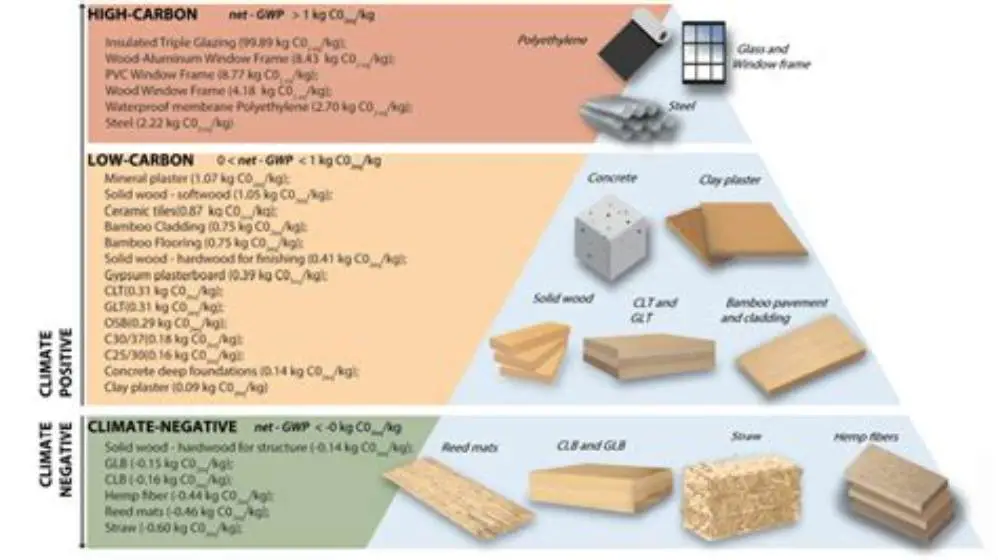
For tight budgets, prioritise sustainably sourced wood, recycled steel for selective supports, and natural or recycled insulations; these typically lower embodied carbon and reduce operating costs, but verify local prices and EPDs before committing.
On this page
- Key takeaways
- Budget-first choices: which sustainable materials to pick first
- How to prioritize materials within a tight budget
- Trade-offs between sustainability and cost for tiny homes
- Local sourcing tips to reduce expenses
- Sustainable materials for tiny homes with tight budget
- Long term savings and embodied carbon impact
- Questions people still ask
Part of our guide on sustainable insulation materials with low embodied carbon
Rank low-cost sustainable tiny home materials by upfront price and local availability to cut costs and carbon footprint effectively.
| Wood upfront cost | Lowest to mid range |
|---|---|
| Steel recycled cost | Mid to high range |
| Cellulose insulation cost | Low to mid range |
| Embodied carbon reduction | 20-60% lower typical |
| Typical tiny home size | 100-400 sq ft |
Key takeaways
- Locally sourced wood often offers the best upfront cost and sustainability balance.
- Recycled steel costs more than wood but lowers maintenance and increases durability.
- Cellulose insulation delivers low embodied carbon and high thermal efficiency at modest prices.
- Trade-offs include durability vs. initial price—choose materials that last to save over time.
- Prioritize materials by structural need, then finish and insulation within your budget.
Budget-first choices: which sustainable materials to pick first
The query “sustainable materials for tiny homes with tight budget” should guide every early choice: start by naming the single constraint you cannot exceed, then choose materials that lower embodied carbon, cut operating energy, and fit your local market. For a tight budget, prioritise locally available sustainably sourced wood for primary structure, recycled steel for selective high-load elements, and natural or recycled insulations to balance upfront cost and performance. Confirm all prices and environmental data with local suppliers; the values below are approximate estimates and will vary with region, season, and supply chains.
Use this section as an actionable filter: first eliminate any material without a credible Environmental Product Declaration (EPD) or equivalent data if embodied carbon matters; second, prefer products with clear provenance and short transport distances; third, favour high-performance insulation and airtightness measures because they lower operating costs quickly. Locally harvested softwoods often deliver the best cost-to-carbon ratio when certified (FSC/PEFC) or when traceable to a nearby mill. Reclaimed timber can be very cheap but demands careful structural inspection and, sometimes, added labour for preparation.
Numbers below come from public cost compendia, manufacturer data sheets, and LCA databases (EC3, Inventory of Carbon and Energy). Expect framing and labour cost swings of about ±30% between regions; reclaimed or recycled components may save material cost but increase labour. When I state lifespan ranges, those are typical service lives under normal maintenance, not guaranteed. Before ordering, get at least three local quotes, ask for EPDs or manufacturer LCA statements, and budget a contingency for waste and on-site adjustments.
| Material | Estimated Upfront Cost (installed) per sq ft | Representative Embodied Carbon note | Durability / Typical lifespan |
|---|---|---|---|
| Locally sourced softwood framing (FSC/PEFC option) | Approx. $6–12 (installed framing portion; highly variable) | Lower embodied carbon if regional harvest and short transport; check EPD/EC3 entries | 30–60 years (species and treatment dependent) |
| Recycled steel supports (selective use for posts/beams) | Approx. $12–25 (installed for selective elements) | Steel with high recycled content can reduce embodied carbon vs virgin steel (see EPDs, EC3) | 50+ years |
| Cellulose or recycled-fiber insulation (installed) | Approx. $1.5–4 per sq ft (depends on density and labour rates) | Low embodied carbon relative to petrochemical foams when locally manufactured; consult product EPD | 30–50 years |
| Natural clay plaster (DIY or contractor) | Approx. $3–8 per sq ft (labour-intensive; DIY lowers cost) | Low-VOC, low embodied energy if local clay used; verify source | 15–40 years |
| Mineral paint / low-VOC finishes | Approx. $1–3 per sq ft (material + labour) | Minimal embodied carbon change; improves indoor air quality if low-VOC | 10–20 years |
How to prioritize materials within a tight budget
Start by allocating most of your budget to structural materials, as these have the highest embodied carbon and replacement cost. Locally sourced wood for framing and cladding offers the best upfront cost and sustainability synergy. People in this spot often ask about how can a building be sustainable as well.
Next, focus on insulation. Choosing cellulose or sheep’s wool insulation balances cost with thermal performance to reduce long-term energy bills. This upfront investment pays back steadily through lowered heating and cooling loads.
Finish materials like paints and sealants matter less for structural impact but affect indoor air quality and maintenance. Pick low-VOC, natural finishes where possible without overspending. Basic options can be surprisingly eco-friendly.
Avoid spending too much on luxury or imported materials early. Local availability heavily influences cost, so source what’s common nearby before considering specialty sustainable products. This keeps transport carbon and costs low. We cover embodied carbon of brick in its own article.
- Determine your total budget for building materials.
- Allocate 50-60% to structural components (framing, sheathing).
- Reserve 20-30% for insulation and air sealing.
- Set aside 10-20% for finishes and fixtures.
- Adjust based on local prices and material availability.
Trade-offs between sustainability and cost for tiny homes
Choosing cheaper materials usually means compromises in durability, lifespan, or embodied carbon. For example, untreated wood may cost less upfront but requires maintenance or replacement sooner, increasing total environmental impact over decades.
Conversely, materials like recycled steel or engineered timber cost more initially but extend building life and reduce repair needs. This lowers embodied carbon and running costs long-term but can exceed tight budgets.
A common trade-off is between embodied carbon and operational energy savings. High-performance insulation might raise upfront cost by 20-40% but slash heating bills by 30-50%, paying back within 5-10 years depending on climate.
Sometimes local availability forces compromises. Imported natural materials may be sustainable in theory but generate high transport emissions and costs, reducing overall savings. Local sourcing often trumps theoretical sustainability.
- Lower upfront cost saves immediate budget
- Durable materials reduce long-term expenses
- Sustainable materials cut carbon footprint
- Local sourcing minimizes transport impact
- Cheaper materials may degrade faster
- Durable options often cost more initially
- Some eco materials less available locally
- Balancing cost and sustainability is complex
Local sourcing tips to reduce expenses
Identify local sawmills, reclamation yards, and building reuse centers that supply wood and other materials with low transport cost and carbon. Their prices usually beat big-box stores on sustainable options.
Contact local farmers or demolition contractors for scrap wood, metal, and stone. These materials often need reprocessing but can be very cheap or even free if you arrange pickup.
Check the quality and specifications carefully: locally sourced materials vary widely in grade and condition. You want framing timber rated for structural use or insulation with documented performance.
Use local online marketplaces or community groups to find building material swaps or sales. This can stretch your budget while reducing waste and embodied carbon.
Consider hiring a professional to assess and certify reused materials for safety and longevity, especially for critical structural parts.
- Local sawmills: often cheaper and fresher wood
- Reclamation centers: sources for reclaimed wood and steel
- Farmers/demolition: occasional free or low-cost materials
- Online groups: swaps and sales for leftover materials
- Professional checks: ensure safety of reused items
Sustainable materials for tiny homes with tight budget
Combining all factors, the best sustainable materials for tiny homes on a tight budget are locally sourced softwood framing, recycled steel for selected supports if affordable, and cellulose insulation for thermal efficiency. These choices balance upfront cost, embodied carbon, and durability.
Softwood framing costs $4-$8 per square foot of wall area, varying by region, with untreated pine or fir being cheapest. Cellulose insulation installed typically ranges $0.50-$1.00 per square foot, significantly less than spray foam or fiberglass.
Recycled steel framing or cladding costs roughly 1.5 to 2 times more than wood but lasts decades and resists pests and fire, protecting your investment. Use steel selectively where budget allows.
Finishes such as natural clay plaster or low-VOC mineral paint add negligible upfront cost when chosen locally and applied yourself, improving indoor air and reducing toxins.
This mix achieves a tiny home embodied carbon reduction of 40-60% compared to conventional building and cuts heating bills by up to 50% thanks to effective insulation.
| Material | Upfront Cost per sq ft | Typical Embodied Carbon Reduction | Durability (years) |
|---|---|---|---|
| Softwood framing | $4-$8 | 40-60% | 30-50 |
| Recycled steel support | $7-$15 | 50% | 50-80 |
| Cellulose insulation | $0.50-$1.00 | 40% | 30-40 |
| Clay plaster finish | $1-$2 | Low VOC | 15-30 |
| Mineral paint | $0.80-$1.50 | Low VOC | 10-20 |
Long term savings and embodied carbon impact
Materials that last reduce total embodied carbon by lowering the frequency of repairs and replacements. For tiny homes, this effect is amplified since construction scale keeps embodied carbon more concentrated in major components.
A well-insulated tiny home built with sustainable materials can reduce heating and cooling energy use by 30-50%, saving hundreds of dollars annually depending on local energy prices and climate. Cellulose insulation’s R-value typically ranges 3.5-3.8 per inch.
Installing airtight membranes and vapor barriers alongside these materials is critical to prevent moisture damage that shortens lifespan and inflates maintenance costs. These add modest upfront cost but protect your investment.
Over 10-20 years, choosing durable, low-carbon materials combined with effective insulation often recovers twice the initial material investment in energy savings alone.
To verify insulation performance, a handheld thermal hygrometer or blower door test kit can measure airtightness and detect leaks. These tools cost $100-$300 and help ensure your tiny home performs as intended.
Questions people still ask
Are recycled materials always cheaper for tiny homes?
Not always. Recycled steel may have higher upfront cost but offers durability and lower maintenance. Reclaimed wood can be cheaper if sourced locally and certified safe. Costs vary by location and material condition.
How much can tight budgets affect sustainability choices?
Tight budgets often force trade-offs with durability or embodied carbon. Prioritizing structure and insulation helps maintain sustainability goals despite cost constraints.
What insulation is best for tiny homes on a budget?
Cellulose insulation is affordable, eco-friendly, and performs well thermally. It typically costs less than spray foam or fiberglass while lowering embodied carbon.
Can I use local soil for building materials in tiny homes?
Yes, if local soil is suitable, rammed earth or cob can be low-cost sustainable options. However, labor intensity and soil testing are needed to ensure durability.
How can I check if reclaimed wood is safe for structural use?
Have it inspected by a qualified professional or engineer for rot, pests, and strength. Certification or grading is essential before use in framing.