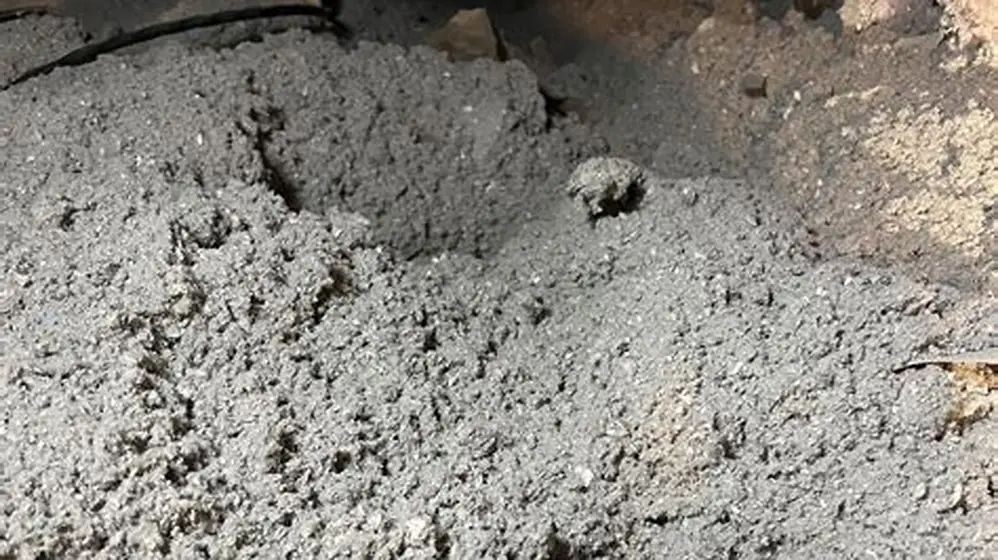
Learn how to check cellulose insulation settling in old lofts, what rates are reported in guidance and studies, how environmental factors influence settling, and when depth loss indicates
In many old lofts cellulose commonly loses 10–20% of its installed depth over decades under typical dry, well‑ventilated conditions; losses are larger with moisture exposure or low initial density. Measure by comparing current depth to the original installed depth.
On this page
- The short version
- Why you should not rely on a single 'typical' settling percentage
- What published guidance and manufacturers say (examples and references)
- How to measure cellulose insulation depth correctly
- Depth thresholds, R-value and standards: what to compare against
- How moisture and ventilation affect settling (what is known and what remains variable)
- Practical remediation, labour scope and regional cost guidance
- Deciding whether to top up or replace: a practical checklist
- Questions people still ask
Part of our guide on choosing sustainable materials
Get measured, referenced guidance on cellulose settling so you can decide whether your old loft needs topping up or a full replacement — with practical measurement steps and sources to check.
| Reported settling behaviour | Varies widely; guidance documents and manufacturers provide ranges — measure to assess your loft |
|---|---|
| Recommended target thickness (example) | UK guidance commonly cites ≈270 mm total loft insulation for current standards — verify locally |
| Measurement tool | rigid probe or telescopic loft ruler (300–500 mm or longer as required) |
| Topping-up addition (typical guidance) | Common practical topping-up layers are 50–100 mm depending on deficit and product guidance |
| Inspection interval | Check every 5–10 years, sooner if you suspect moisture or pest problems |
The short version
- Settling of loose-fill cellulose varies widely; guidance and manufacturer data give ranges rather than a single figure
- Measure settled depth at multiple points with a rigid probe and compare to known or recommended target thickness to assess need for topping up
- Moisture and poor ventilation can accelerate compression and compaction; available published data are qualitative or show wide variability
- Current building/energy guidance typically targets a settled loft insulation thickness (e.g., ~270 mm used in UK guidance for loft insulation levels): check local codes and manufacturer instructions
- Labour and costs for topping up vary considerably by country, accessibility and scope; request local quotes and use published cost guides for regional estimates
Why you should not rely on a single 'typical' settling percentage
Published guidance, manufacturer technical sheets and independent studies do not agree on one single settling percentage because behaviour depends on installation density (mass per unit volume), initial compaction at installation, product formulation and binder, moisture exposure, air movement in the loft, and any mechanical disturbance (walking, storage, vermin). For example, manufacturer literature and building science summaries will often provide expected settled densities and advise minimum settled thicknesses rather than a single universal percentage of depth loss.
Because of this variability, the practical approach is to measure the settled thickness in your loft, compare it to the original installed thickness if known (or to the current recommended minimum for your jurisdiction), and judge the need for topping up from that comparison. Authoritative sources that discuss settling and settled density include Building Science Corporation and several product technical data sheets (see References).
- Settling is influenced by: initial installation density, airflow, moisture cycles, and mechanical disturbance
- Manufacturers and building science resources give ranges or recommend settled thicknesses rather than a single percent
- Measure the settled thickness: that is the reliable basis for deciding action
What published guidance and manufacturers say (examples and references)
Different organisations emphasise settled thickness targets and densities. For example, UK energy-efficiency guidance and retrofit documents commonly reference a total loft insulation depth target in the region of 270 mm for mineral wool and similar loose-fill insulation to meet current thermal performance expectations: this is used as a design/retrofitting benchmark in government and industry guidance (see gov.uk / energy efficiency guidance and related retrofit guides). Manufacturer datasheets and installation instructions (e.g., GreenFiber, Nu-Wool, or local cellulose suppliers) give recommended installed densities and minimum settled thicknesses; these documents also warn that loose, under-densified installations are more liable to higher initial settling. Building science resources (e.g., Building Science Corporation) discuss mechanisms (compaction, creep, moisture effects) without promising a fixed percent for every case.
Because specific numbers depend on the product and installation, consult the technical datasheet for the cellulose product you have or plan to use, and the national/regional building guidance on target loft insulation depth. Several useful starting sources are: U.S. Department of Energy: Insulation (overview of insulation types and recommended levels), Building Science Corporation articles on cellulose and loose-fill products, and manufacturer technical datasheets (search for “cellulose insulation technical data sheet” plus the brand). These sources are linked in the References section at the end. If that sounds like your situation, read up on eco benefits of wool insulation next.
- Consult manufacturer technical data sheets for expected installed density and settled thickness
- Check national/local building guidance for recommended loft insulation thickness targets
- Building science summaries explain mechanisms and caution that quantitative rates vary
How to measure cellulose insulation depth correctly
Accurate measurement is essential because every recommendation depends on current settled depth. Use a rigid, non-flexible probe (or telescopic loft ruler if available) long enough to reach from the top of the insulation to the joist/under-side of the loft floor without bending: 300–500 mm is typical, but use a longer probe if your insulation is thicker.
Take multiple readings across the loft: near the access hatch, at edges near eaves, mid-span and in any spots where you suspect compression or drafts. A minimum of 5–10 evenly-spaced readings gives a more reliable average; more readings are needed in larger lofts or where conditions vary. Record results and calculate the mean and the minimum (worst spot).
Insert the probe gently: do not push and compress the material as you measure. If you’re unsure about compressing the fill, make a small folded card or spacer to ensure consistent insertion depth for each reading. If you do not know the original installed depth, use a recommended target thickness from local guidance or the product TDS as the baseline for deciding if topping up is needed. There is more on typical settling within six months in a separate guide.
- Use a rigid probe or telescopic loft ruler long enough for your insulation depth
- Take 5–10 or more readings, including edges and centre
- Avoid compressing the insulation when measuring
- Compare average and minimum depths to recommended settled thickness or original depth records
Depth thresholds, R-value and standards: what to compare against
Rather than relying on an invented ‘20% rule’ as an absolute, compare measured settled depth to the recommended settled thickness for your region or product. For example, UK retrofit guidance commonly references circa 270 mm total loft insulation as meeting modern recommended levels for thermal performance (this is an example of a common target: local codes and eligibility criteria for grants can differ). Manufacturer and product technical documents normally provide an expected R-value per unit thickness which lets you translate thickness loss into R-value loss (R ∝ thickness for homogeneous loose-fill materials).
If the settled depth is significantly below the recommended target for your region or the original installed depth, then topping up is usually required. Where guidance is silent, ask the product manufacturer or a qualified installer for their minimum acceptable settled thickness and the target settled density. Building regulations and energy-efficiency programmes (e.g., those that fund or require retrofit work) will often specify minimum insulation targets you must meet to comply or qualify for support.
- Compare measured settled depth to local/regional recommended settled thickness (e.g., many UK sources use ≈270 mm as a benchmark)
- Use product R-value per mm from the TDS to calculate performance loss
- When in doubt, follow the manufacturer or a qualified installer’s minimum settled thickness and density requirements
| Measured settled depth (mm) | Example action |
|---|---|
| >= recommended target (e.g., 270 mm) | No topping-up required — inspect periodically |
| ['Recommended target minus 50–100 mm'] | Consider topping up 50–100 mm per product guidance; ensure matched density |
| ['Significantly below recommended target or patchy (<150 mm)'] | Professional inspection; likely topping-up or replacement, especially if moist or contaminated |
How moisture and ventilation affect settling (what is known and what remains variable)
Moisture and ventilation are important drivers of how cellulose behaves over time, but quantitative field-wide settling rates due solely to moisture are not universally specified in guidance because real roofs experience highly variable RH cycles, leaks and ventilation patterns. For the detail, see our notes on thermal performance of insulation materials.
Mechanisms: transient or chronic moisture exposure can cause fibres to clump, stick and settle (increasing local density) and can also promote biological growth that degrades loft structure. Repeated wetting/drying cycles can cause progressive compaction because fibres settle into a more compact state when wetted and then remain in that configuration when they dry. Increased indoor loft airflow also moves fines and lightweight fibres into lower spots and around obstacles, increasing local variability.
Published building science resources and manufacturer notes (see References) describe these mechanisms and recommend keeping lofts dry and ventilated to limit moisture-driven compaction. Some laboratory and product tests show measurable changes in density after wetting cycles, but the magnitude depends on product binder, initial density and the severity/extent of moisture exposure: therefore quantitative rates are best sourced from product test data or project-specific assessments rather than quoted as a universal number.
- Moisture (leaks, high RH) can accelerate local compaction and permanent settling
- Repeated wet/dry cycles tend to increase compression compared with dry, stable conditions
- Good ventilation reduces prolonged elevated humidity but can increase convective movement if vents are incorrectly located or obstructed
Practical remediation, labour scope and regional cost guidance
Options are generally: (1) do nothing if settled depth meets targets and insulation is dry and uncontaminated; (2) spot topping-up where small localized deficits exist; (3) whole-roof topping-up to restore target depth; (4) full removal and replacement where contamination or moisture damage is present. For the detail, see our notes on sustainable materials for tiny homes with tight budget.
Labour scope: topping-up typically involves clearing obstructions, moving stored items, inspecting ventilation and loft fabric for leaks, applying additional loose-fill (typically with a blower for speed and evenness), and re-checking settled depth. Full replacement adds removal, cleaning and disposal work and may require temporary coverings or checks for mould remediation.
Regional labour and total costs vary widely. Example published ranges (use as starting points only; get local quotes): UK - simple topping-up for a small/medium accessible loft might commonly cost in the low hundreds of pounds (£150–£600) for labour and material, while full replacement for a larger or contaminated loft can run into the high hundreds or low thousands (prices depend on access, area, and disposal). US: homeowner-reported and market sites (e.g., HomeAdvisor) show loose-fill insulation jobs can range from roughly $0.50 to $2.00+ per square foot installed (material plus labour) depending on region and accessibility; whole-house replacement is proportionally more. These are indicative ranges: local installers, accessibility, wages, waste disposal and any remedial repairs (roof, joists) significantly affect final cost.
Because labour rates and market conditions change, obtain at least two competitive local quotes and ask for a breakdown (labour hours, blower hire, material quantity, disposal). For projects seeking grant funding or to meet building-regulatory upgrades, check the scheme’s eligible cost guidance as it may specify approved installers or cost caps. There is more on low voc paint definition in a separate guide.
- Topping-up labour: move stored items, inspect, apply loose-fill with blower, check depth: typically a few hours for a medium loft
- Full replacement: removal, cleaning, drying (if needed), install new fill: typically longer and more expensive
- Costs vary by country, loft size, access and whether moisture/contamination remediation is needed
| Option | Typical labour tasks | Typical time (typical small/medium loft) |
|---|---|---|
| Spot topping-up | Access, local blowing, depth checks | 1–3 hours |
| Full topping-up | Move items, inspect vents, blower install, depth check | 4–8 hours |
| Full replacement | Remove old, clean/repair, new install, disposal | 1–2 days+ |
Deciding whether to top up or replace: a practical checklist
1) Measure depth (multiple points): if average and worst spots meet your regional/recommended target and the material is dry and uncontaminated, you likely need only periodic inspection.
2) Inspect for moisture, staining, odour, mould or rodent contamination: any of these usually mean removal and replacement, not topping up.
3) Check ventilation and roof integrity: fix leaks and ensure vents are correctly sized/clear before reinstalling insulation. People in this spot often ask about clay render cracks on lime plaster as well.
4) Match density and treatment: if topping up, use the same or manufacturer-recommended product and target settled density so that new material integrates with the old without creating pockets that perform poorly.
5) Obtain local quotes and request technical compliance: ask installers to state the expected settled thickness/density after work and to provide a post-installation measurement report.
- Measure settled depth at multiple points
- Inspect for moisture, mould or contamination
- Repair leaks and confirm ventilation
- Decide topping-up vs replacement based on depth, contamination and product guidance
- Hire professional installer or follow product TDS for DIY, and verify post-work depth
Questions people still ask
How often should I check settled cellulose insulation depth?
Check every 5–10 years as a general rule, sooner if you know the loft has had leaks, high humidity, pest problems, or if you stored heavy items or frequently walk in the loft.
Can I top up cellulose insulation myself?
DIY topping-up is possible for experienced DIYers using the correct blower and PPE, following the product technical data sheet and safety guidance. Professional installers provide consistent density, matched materials and compliance documentation: obtain quotes and ask for references.
What if my cellulose insulation is damp or mouldy?
Damp or mouldy cellulose should usually be removed and replaced. Topping up over compromised material may conceal problems and pose health or structural risks. Consult product guidance and a qualified contractor; see manufacturer and health authority notes in References.
Does cellulose settling affect fire safety?
Proper density and fire-retardant treatment are part of product compliance. Settling that creates voids or very low-density pockets can change the way insulation performs in a fire scenario; always follow manufacturer fire-safety guidance and local regulations.
How do I find the original thickness if there are no records?
Ask previous owners or installers, check any pre-retrofit photos, refer to typical practice for the installation period, or use current regional recommended target thickness as the practical baseline for remediation.