For 50mm retrofit gaps, natural insulation options like sheep wool, cork board, hempcrete, and wood fibre batts offer R-values of about 1.2-2.2 per inch. Embodied carbon typically ranges from 0.1 to 0.7 kgCO2e/kg, with most materials tolerating moderate humidity but needing moisture management.
On this page
- Quick recap
- Natural insulating materials for 50mm retrofit gaps
- Low embodied carbon insulation options for retrofit walls
- How humidity impacts natural insulation performance and durability
- Comparing natural insulation materials by insulation value and embodied carbon
- Installation considerations for sustainable natural insulation in retrofit walls
- Natural insulation materials with low embodied carbon
- Quick questions
Part of our guide on linoleum flooring for kitchen spill resistance and low voc
Quick facts
- R-value range
- 1.2–2.2 per inch
- Embodied carbon
- 0.1–0.7 kgCO2e/kg
- Typical retrofit gap
- 50 mm
- Humidity tolerance
- Moderate to high
- Material lifespan
- 20+ years
Quick recap
- Natural insulation fits 50mm gaps with R-values from 1.2 to 2.2 per inch.
- Embodied carbon varies widely, from 0.1 to 0.7 kgCO2e/kg depending on source and processing.
- Humidity tolerance is critical: wool and cork handle moisture better than some wood fibres.
- Low embodied carbon often means accepting slightly lower R-values compared to synthetic options.
- Proper installation and moisture control preserve insulation performance and durability.
Natural insulating materials for 50mm retrofit gaps
When retrofitting existing walls with only 50mm gaps available for insulation, your choices narrow. Natural materials like sheep wool batts, cork boards, hempcrete panels, and wood fibre batts can fit into this thickness range effectively. Their R-values range roughly from 1.2 to 2.2 per inch, depending on density and composition.
Sheep wool typically offers around 1.2 to 1.4 per inch, cork boards around 2.0 to 2.2, hempcrete about 1.4 to 1.6, and wood fibre batts 1.3 to 1.7 per inch. Each material’s thermal resistance depends on density and moisture content at the time of measurement.
Natural boards and batts can be cut or trimmed to fit snugly in shallow retrofit cavities, but you must confirm the exact gap size on site. Compression reduces R-value, so avoid forcing thicker batts into 50mm gaps.
| Material | R-value per inch (m²·K/W) | Typical density (kg/m³) | Humidity tolerance |
|---|---|---|---|
| Sheep wool | 1.2–1.4 | 30–50 | High; naturally moisture regulating |
| Cork board | 2.0–2.2 | 100–140 | Moderate; resists moisture but can degrade if wet long-term |
| Hempcrete | 1.4–1.6 | 100–150 | Moderate; requires dry environment or good vapour control |
| Wood fibre batts | 1.3–1.7 | 40–70 | Low to moderate; sensitive to prolonged moisture |
Low embodied carbon insulation options for retrofit walls
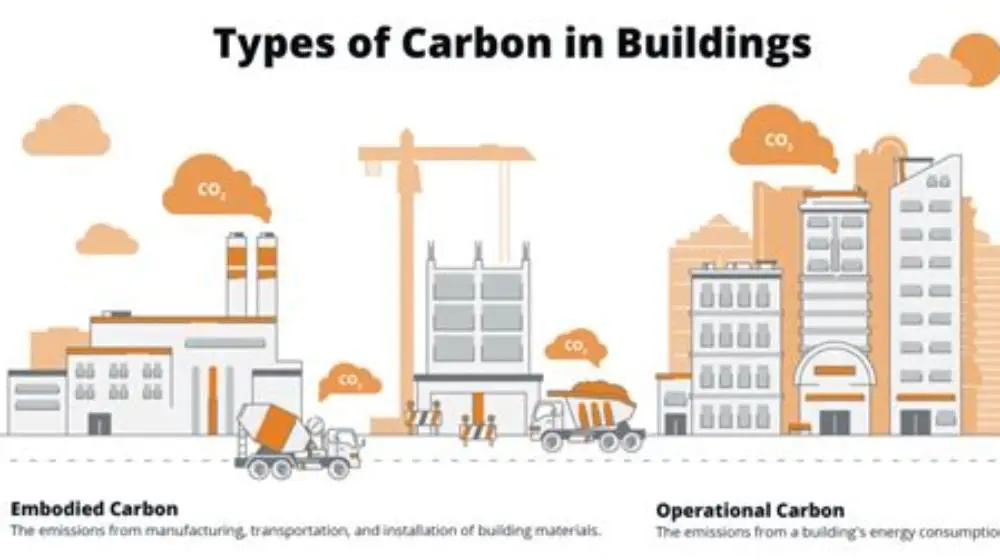
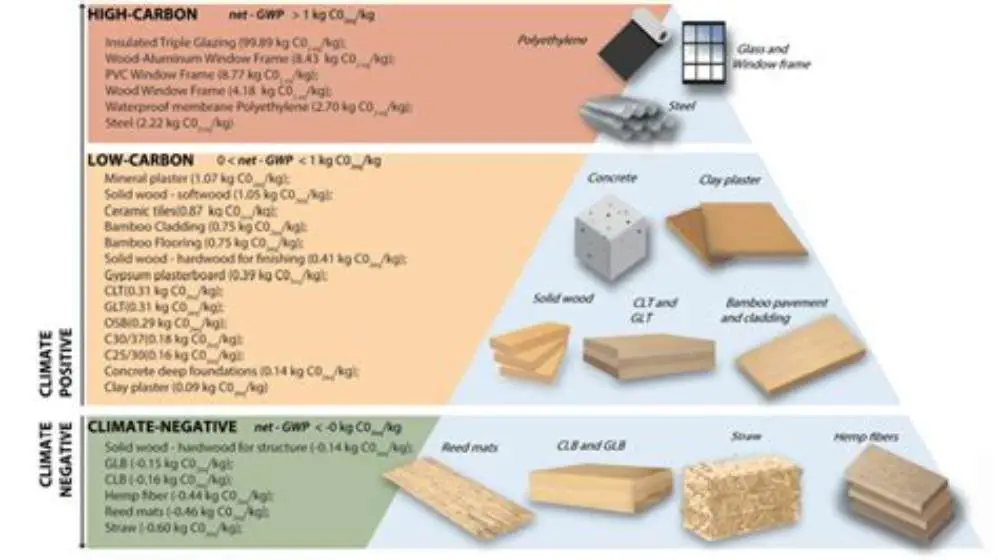
Embodied carbon is the greenhouse gas emitted to produce, transport, and install insulation. Natural materials generally have lower embodied carbon than synthetic foams due to renewable sources and minimal chemical processing. It helps to understand is brick a sustainable building material before going further.
Typical embodied carbon values for natural insulations vary with raw material origin and manufacturing. Sheep wool ranges about 0.2–0.5 kgCO2e/kg, cork boards 0.1–0.3, hempcrete 0.1–0.4, and wood fibre around 0.3–0.7. These figures depend heavily on transport distances and processing energy.
Materials like cork and hempcrete often score best since cork is harvested sustainably from cork oak bark without tree felling, and hemp requires little fertilizer or pesticides. Wood fibre’s carbon footprint increases if sourced from slow-growing or non-local timber.
Choosing local suppliers reduces transport emissions, crucial since embodied carbon can double if material ships far. Check Environmental Product Declarations (EPDs) to compare precisely, especially if a product’s origin is unclear. People in this spot often ask about embodied carbon in materials as well.
| Material | Embodied carbon (kgCO2e/kg) | Source impact notes |
|---|---|---|
| Sheep wool | 0.2–0.5 | Depends on farming practices and transport |
| Cork board | 0.1–0.3 | Sustainable harvest with bark regeneration |
| Hempcrete | 0.1–0.4 | Low inputs; varies by processing |
| Wood fibre batts | 0.3–0.7 | Higher if non-local or slow-grown timber |
How humidity impacts natural insulation performance and durability
Natural insulation materials are generally more hygroscopic than synthetic foams, meaning they absorb and release moisture. This property helps regulate indoor humidity but risks reduced thermal performance if materials stay damp.
Sheep wool is highly moisture tolerant and can absorb up to 30% of its weight in water vapor without losing insulation ability or degrading quickly. Cork is similarly resilient against moisture but can suffer long-term damage if continually wet.
Wood fibre batts and hempcrete absorb moisture readily but are more vulnerable to mold and rot unless protected by vapour barriers or well-ventilated assemblies. Their R-value can fall by 10-30% if moisture content rises above about 20%. For the detail, see our notes on thermal performance of insulation materials.
Designing for moisture management is essential. Use breathable membranes and ensure external wall repairs prevent water ingress. Ventilation also reduces trapped moisture and preserves insulation integrity.
- Sheep wool: excels at moisture buffering without damage
- Cork: resists moisture but requires drying if soaked
- Wood fibre: needs vapour control to avoid rot
- Hempcrete: performs best in dry or well-ventilated walls
Comparing natural insulation materials by insulation value and embodied carbon
Balancing thermal performance with low embodied carbon often requires compromise. Materials with the lowest carbon footprint sometimes deliver slightly lower R-values per inch, meaning thicker layers may be needed to reach the same insulation level.
Cork offers the highest R-value per inch among common natural insulations, approximately 2.0 to 2.2, combined with low embodied carbon if locally sourced. Wood fibre and hempcrete have moderate R-values but can require thicker layers, less suitable for narrow 50mm gaps. For the detail, see our notes on sustainable materials for tiny homes with tight budget.
Sheep wool has relatively low R-value per inch but excels in moisture regulation and durability. For retrofit walls with space limits, cork and sheep wool are often best combined with other strategies.
Synthetic foams outperform all in thermal resistance and thickness but come with embodied carbon values often 5-10 times higher, negating retrofit carbon savings.
| Material | R-value per inch (m²·K/W) | Embodied carbon (kgCO2e/kg) | Best for |
|---|---|---|---|
| Cork board | 2.0–2.2 | 0.1–0.3 | Narrow gaps needing high R-value |
| Sheep wool | 1.2–1.4 | 0.2–0.5 | Moisture-prone areas, durability |
| Hempcrete | 1.4–1.6 | 0.1–0.4 | Dry, breathable walls |
| Wood fibre batts | 1.3–1.7 | 0.3–0.7 | Moderate humidity, thicker gaps |
Installation considerations for sustainable natural insulation in retrofit walls
Installing natural insulation in retrofit walls with only 50mm depth demands skill and care. The material must fit snugly without compression, which ruins R-value. Pre-cut boards or batts sized specifically for retrofit cavities reduce waste and installation time. People in this spot often ask about wool insulation sustainability as well.
Ensuring continuous insulation coverage without gaps or voids is vital. Small gaps cause thermal bridging, undermining carbon savings. Fill irregularities with flexible sheep wool or hemp mats that adapt to cavity shapes.
Vapour control layers must allow drying to avoid trapping moisture inside walls. Use breathable membranes if insulating solid masonry walls to avoid interstitial condensation.
Protecting insulation from wind and rain during installation preserves embodied carbon benefits; wet insulation loses performance and can breed mold. It helps to understand what are low voc materials before going further.
- Measure the wall cavity thickness precisely.
- Select insulation sized or trimmed to fit 50mm gaps without compression.
- Install a vapour-permeable membrane on the warm side if walls are solid masonry.
- Place insulation snugly to avoid gaps; use flexible wool for odd shapes.
- Seal edges around window and door reveals properly.
- Ensure wall cavity is dry before closing up.
Natural insulation materials with low embodied carbon
The phrase ‘sustainable insulation materials with low embodied carbon’ means choosing insulation that reduces greenhouse gas emissions from production and supports environmental health. Cork, hempcrete, sheep wool, and wood fibre stand out as the main options suitable for retrofit gaps of 50mm.
Cork’s bark harvesting allows regrowth, so embodied carbon is low and renewable status high. Hempcrete uses fast-growing hemp plants absorbing CO2, sometimes even sequestering more carbon than emitted in production. Sheep wool is renewable and biodegradable, though farming methods affect carbon impact.
Wood fibre's sustainability varies with timber source; FSC-certified timber is preferable. Each material’s embodied carbon depends heavily on transport distance and processing energy, so local sourcing reduces impact further.
The best low-carbon insulation depends on your project priorities: maximize R-value per inch, handle moisture, or use the most renewable source. Most homeowners benefit from a combination matching retrofit constraints.
Quick questions
Can natural insulation materials fit in retrofit gaps thinner than 50mm?
Materials like cork and sheep wool can be trimmed to fit gaps slightly below 50mm but compressing them reduces thermal performance. Below 40mm, insulation effectiveness often drops too much to justify the retrofit.
How do I check the actual embodied carbon of a specific insulation product?
Check for Environmental Product Declarations (EPDs) or Life Cycle Assessments (LCAs) provided by the manufacturer. These documents detail the carbon footprint based on production, transport, and installation.
Is moisture always harmful to natural insulation?
Not always. Some, like sheep wool, buffer humidity well without damage. Others, like wood fibre or hempcrete, can degrade if moisture is constant or high. Good moisture management is crucial.
What is the lifespan of natural insulation materials in retrofit walls?
Most natural insulations last 20-50 years if kept dry and installed correctly. Moisture damage or pest infestation can shorten this considerably.
Are there synthetic insulation alternatives with comparable embodied carbon?
Synthetic insulations generally have higher embodied carbon, often several times that of natural materials. Some newer bio-based foams aim to reduce this but are not yet widely available.