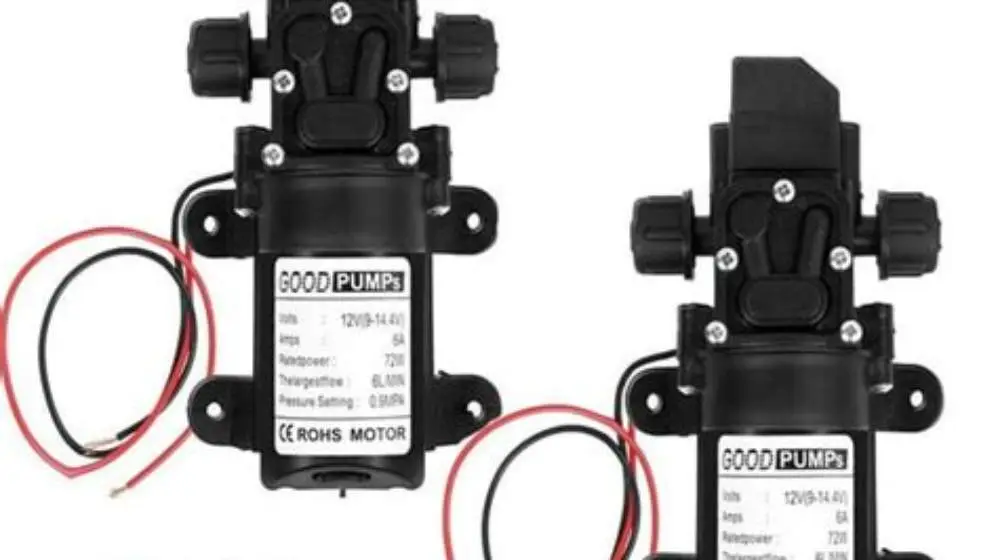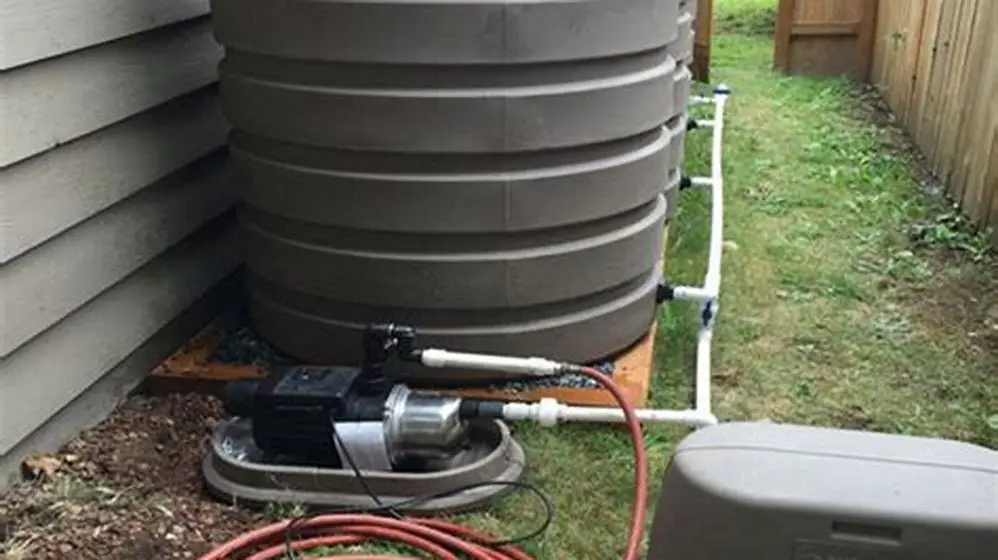
Learn how to test float switches and controllers to stop nonstop rainwater pump running and fix noise caused by pump operation.
A rainwater pump not switching off usually means a fault with the float switch, pressure controller, or wiring. Testing the float switch with a multimeter and confirming controller settings helps identify the problem. Temporary fixes include manually switching off the pump or adjusting float position.
On this page
- The short version
- Why rainwater pump won’t switch off when tank full
- How to bench test a float switch for failure
- Common float switch and controller faults causing nonstop pump running
- Temporary fixes to stop nonstop pump running
- Why is the rainwater tank making noise after the pump starts
- How to keep collected rainwater moving efficiently
- Questions people still ask
Part of our guide on low flow high pressure pump
| Float switch voltage | 12-24 volts typical |
|---|---|
| Pump shutoff pressure | 20-40 psi range |
| Test float switch | Open/closed circuit |
| Pump noise trigger | Air in line |
| Water movement frequency | Daily recommended |
The short version
- Pump nonstop running often starts with a faulty float switch or pressure controller.
- Use a multimeter to bench-test float switches for open/closed circuit states.
- Temporary fixes include physically lifting or lowering the float or cutting power.
- Noisy pumps after startup often indicate air in pipes or pressure issues.
- Regular moving of rainwater prevents stagnation and pump strain.
Why rainwater pump won’t switch off when tank full
The most common cause of a rainwater pump not switching off once the tank is full is a failure of the float switch or the pressure controller that signals the pump to stop. The float switch is designed to open its circuit when water reaches a set level, cutting power to the pump. Over time, mechanical sticking, wiring faults, or debris can cause the float switch contacts to remain closed, tricking the pump into thinking the tank is not full.
Pressure controllers, which sense system pressure to control pump operation, can also fail or drift out of adjustment. A controller stuck in the 'on' position or incorrect pressure set points can cause the pump to run continuously despite a full tank. Wiring faults such as corroded connectors or shorts can falsely keep the pump powered.
Sometimes, the float switch may be installed or adjusted incorrectly, with the float not reaching the cut-off level. This leads to the pump running past full level and potentially overflowing. Understanding these potential failure points is the first step toward effective diagnosis and repair.
How to bench test a float switch for failure
Testing the float switch involves removing it from the tank and checking its electrical contacts with a multimeter set to continuity. The float switch usually works as a simple on/off switch: when the float rises to the ‘full’ position, the circuit opens, cutting power. Before you commit to anything, it is worth looking at low pressure pump for garden.
To bench test, set the multimeter to read continuity or resistance. When the float is down (tank empty), the circuit should be closed (low resistance, near zero ohms). When the float is raised to simulate a full tank, the circuit should open (infinite resistance). If the switch shows closed circuit regardless of float position, or no change at all, it is faulty.
This test depends on correctly identifying the float switch wiring and having safe access. A digital multimeter costing around $15–30 is the tool you need here. Testing your float switch confirms if it needs replacing or if wiring faults are to blame.
- Disconnect power to the pump and isolate the float switch wiring.
- Remove the float switch from the tank carefully.
- Set a multimeter to continuity mode.
- Move the float to the lowest position and check for continuity (should read closed).
- Raise the float to the highest position and check for continuity (should read open).
- If readings do not change, the float switch is faulty.
Common float switch and controller faults causing nonstop pump running
Float switches can fail mechanically if debris or algae buildup prevents proper float movement. Corrosion on electrical contacts inside the switch can cause the circuit to remain closed even when the water level is high. Wiring connections outdoors are prone to water ingress and corrosion, causing false signals to the pump. If that sounds like your situation, read up on reusing grey water effectively next.
Pressure controllers rely on pressure sensors and electronic relays that can fail or drift. A controller stuck in the closed position will keep the pump running. Incorrect pressure settings beyond typical cut-off pressures (usually 20-40 psi) cause the pump to run longer than needed.
In some cases, the pump’s control wiring is incorrectly installed or damaged. This can cause the pump to receive a continuous ‘on’ signal regardless of float or pressure status. Identifying whether the fault lies in the float, controller, or wiring is critical to avoid costly replacements.
- Mechanical sticking - float jams due to debris
- Corrosion - contacts and wiring degrade outdoors
- Controller relay failure - pump kept on
- Incorrect pressure set points - extended running
- Wiring faults - shorts or open circuits
Temporary fixes to stop nonstop pump running
If you cannot immediately replace a faulty float switch or pressure controller, temporary fixes help prevent continuous pump operation and potential damage. The simplest temporary fix is manually switching off the pump at the electrical supply or isolating the pump circuit.
Another temporary workaround is physically adjusting or tying off the float to the 'off' position, simulating a full tank. This demands caution and should only be done for short periods since it disables the automatic cutoff and risks overflows if left unattended.
Cleaning the float switch and wiring connections can sometimes restore proper function temporarily. Removing debris and drying contacts can help restore breaking action until a replacement is installed. These fixes reduce running costs and noise while you source parts.
- Manually isolate pump power at the circuit breaker
- Tie off or reposition float switch to ‘off’ position temporarily
- Clean float switch contacts and wiring terminals
- Use this only as a short-term measure to avoid damage or overflow
Why is the rainwater tank making noise after the pump starts
Noisy operation after pump start-up often signals air trapped in the pipes or pressure fluctuations. Air pockets cause vibrations and hammering sounds as water flow pushes against trapped air. This is common if the system has leaks, suction pipe issues, or the tank inlet is improperly vented.
Pressure surges from the pump starting suddenly can cause noise in the piping or at the tank outlet. Incorrect pump sizing or pressure settings also lead to irregular operation noises. Regularly moving collected rainwater and checking pipe integrity helps reduce noise and wear.
Adding an air chamber or pressure tank can smooth pressure changes and reduce noise. Checking for leaks and ensuring vents are clear prevents air trapping. Fixing noise issues improves pump longevity and user comfort.
- Air trapped in pipes causes vibrations and hammering
- Pressure surges from pump start cause noise
- Leaks and poor venting increase air presence
- Air chambers or pressure tanks reduce noise
How to keep collected rainwater moving efficiently
Stagnant rainwater encourages algae growth and mosquito breeding, and can degrade pump function. Regularly moving water through the system prevents stagnation. Running the pump daily or cycling it with a timer ensures water circulation and maintains quality.
If your system lacks an automatic controller, consider installing one that cycles the pump at set intervals to keep water fresh. Flushing out the tank occasionally by partially emptying it helps remove sediment build-up. Aeration devices can also improve water quality.
Good maintenance and water movement reduce demand on the pump by preventing blockages and keeping float switches operating smoothly. This also lowers running costs and drainage problems caused by stagnant water.
- Run pump daily or with timer to circulate water
- Flush tank occasionally to remove sediments
- Use aerators to improve water quality
- Maintains pump efficiency and reduces repair needs
Questions people still ask
Can I replace a float switch myself?
Yes, replacing a float switch is straightforward for most homeowners with basic tools. Ensure power is off and choose a compatible switch rated for your system voltage and application.
What causes a pressure controller to fail?
Pressure controllers can fail due to electrical relay wear, sensor faults, or moisture ingress. Drifted settings can also cause the pump to run improperly.
How often should I test my float switch?
Annual testing is recommended to catch faults early and avoid pump damage or water overflow.
Is pump noise a sign of damage?
Persistent noise often indicates air in pipes or pressure issues but can lead to damage if unresolved.
What is the risk of tying off the float switch?
Tying off disables automatic shutoff, risking tank overflow and pump dry running if not monitored.