Find out how monocrystalline and polycrystalline solar panels differ for small roofs in efficiency, size, cost, and practical use.
Monocrystalline panels typically offer 17-22% efficiency, producing more power per square meter than polycrystalline's 15-17%, making them better for small roofs where space limits output. Higher efficiency panels are crucial if roof area is below about 15-20 m².
On this page
- The short version
- How panel efficiency impacts energy on small roofs
- Size per watt: how panel dimensions affect small roof installations
- Cost difference relevant to limited space
- Aesthetic and durability considerations affecting roof use
- When polycrystalline might still be preferable on a small roof
- Monocrystalline vs polycrystalline on small roof: final comparison
- Questions people still ask
Part of our guide on blackout use with solar battery
Choosing the right solar panel type for a small roof hinges on efficiency and space trade-offs often overlooked in general guides.
| Monocrystalline efficiency | 17-22% |
|---|---|
| Polycrystalline efficiency | 15-17% |
| Typical panel size | 1.6-1.7 m² |
| Energy per m² | 150-220 W |
| Roof area critical point | 15-20 m² |
The short version
- Monocrystalline panels are more efficient and compact for limited roof space.
- Polycrystalline panels usually cost less but require more roof area for the same output.
- Efficiency gains matter most on roofs smaller than approximately 15-20 square meters.
- Durability and aesthetics differ, influencing choice beyond efficiency and cost.
- Polycrystalline can still suit larger small roofs where upfront cost is a priority.
How panel efficiency impacts energy on small roofs
Panel efficiency measures how much sunlight panels convert into electricity. Monocrystalline panels generally convert between 17 and 22 percent of sunlight, while polycrystalline panels convert about 15 to 17 percent under standard test conditions (STC). This difference means monocrystalline panels generate more power per square meter of roof.
When your roof space is limited, this efficiency gap directly affects the total energy you can capture. For roofs under about 15 to 20 square meters, monocrystalline panels can often deliver 10 to 30 percent more electricity than polycrystalline panels of the same size, which might justify their higher upfront price.
If your roof is larger or not fully usable due to shading or obstructions, the efficiency advantage may be less critical because you can simply add more polycrystalline panels to achieve your desired output. However, on very small roofs, maximizing watts per square meter is essential.
| Panel Type | Typical Efficiency (%) | Power Output per Panel (W) | Typical Size (m²) |
|---|---|---|---|
| Monocrystalline | 17-22 | 320-400 | 1.6-1.7 |
| Polycrystalline | 15-17 | 280-350 | 1.6-1.7 |

Laser Tape Measure 2-in-1
Accuracy not stated; only tape length 4.9 m and laser distance 197 ft published
Size per watt: how panel dimensions affect small roof installations
Most solar panels have dimensions between about 1.6 and 1.7 square meters, but the power output per panel varies mainly by cell efficiency. Monocrystalline panels pack more watts into the same area, effectively reducing the roof space needed for a given wattage. People in this spot often ask about solar panels and roof protection as well.
On small roofs, where every fraction of a square meter counts, this means you can fit fewer monocrystalline panels to hit your target system size, which simplifies installation and often reduces ancillary costs like mounting hardware and wiring.
Polycrystalline panels demand more roof area or a compromise in system size if roof space is fixed. This trade-off might mean lower upfront panel costs but potentially lower total energy generation if physical space caps the number of panels.
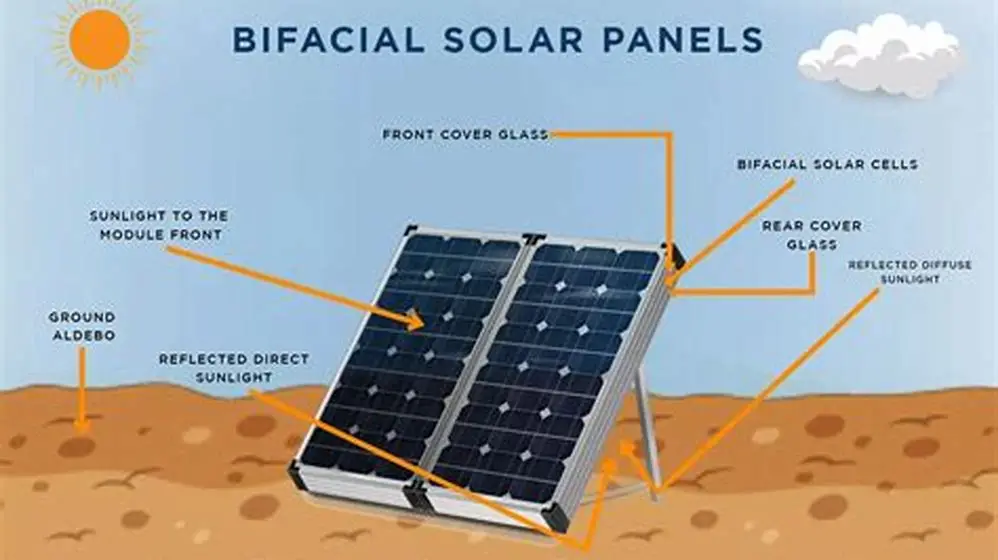
Panel thickness and weight can also influence installation on small roofs. Monocrystalline panels tend to be slightly thinner and lighter due to their manufacturing process, which may ease mounting on lightweight or older roof structures where load capacity is a concern. For example, a typical monocrystalline panel weighs around 18 to 20 kg, while polycrystalline panels may weigh 1 to 2 kg more on average, which can add up with multiple panels. It helps to understand benefits of bifacial panels before going further.
The orientation and tilt of the roof also interact with panel dimensions and efficiency. Small roofs with limited tilt angles or non-ideal azimuth may benefit more from monocrystalline panels because their higher efficiency compensates for suboptimal sun exposure. For instance, on a north-facing roof in the northern hemisphere, a monocrystalline panel might outperform a polycrystalline panel by 15 to 25% in annual energy production due to better cell performance at low light levels.
Cost difference relevant to limited space
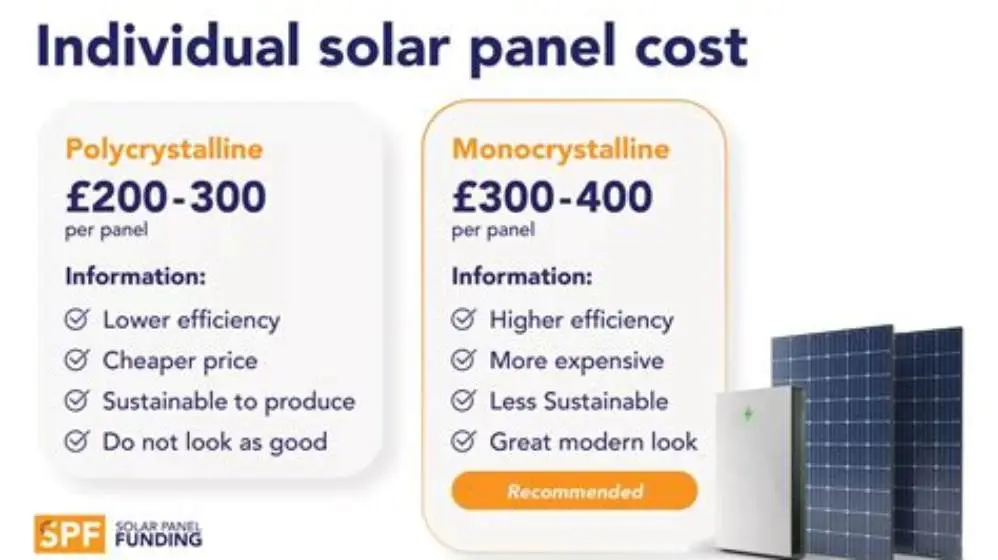
Monocrystalline panels generally cost about 10-30% more per watt than polycrystalline panels. The exact price difference depends on brand, quality, and market conditions but rarely drops below this range.
On a small roof, the higher efficiency of monocrystalline panels means you may need fewer panels overall, reducing installation costs for racking, wiring, and labor. This can sometimes offset panel price differences, making monocrystalline a better value on tiny roofs. It helps to understand solar panels cost uk 2026 for a 3 bed house before going further.
If roof space is not a tight constraint and upfront cost is the primary concern, polycrystalline panels may still be preferable, especially if you can install a larger array to compensate for lower efficiency.
You should get multiple quotes from local installers comparing total installed cost, not just panel price, for your specific roof size and shading conditions.
Cost differences can become more nuanced when considering long-term value rather than just upfront price. Monocrystalline panels often come with longer warranties, typically 25 years for performance guarantees compared to 20 years for many polycrystalline models. This longer warranty can reflect higher confidence in durability, potentially reducing replacement or repair costs over the system lifespan. There is more on solar battery size for homes in a separate guide.
Installation cost savings on small roofs extend beyond panel count. Fewer panels mean fewer electrical connections, reducing potential points of failure and lowering maintenance complexity. For example, a 3 kW monocrystalline system might require 9 panels, while a polycrystalline system of the same size might need 11 panels, increasing wiring and labor by approximately 15-20%.
Aesthetic and durability considerations affecting roof use
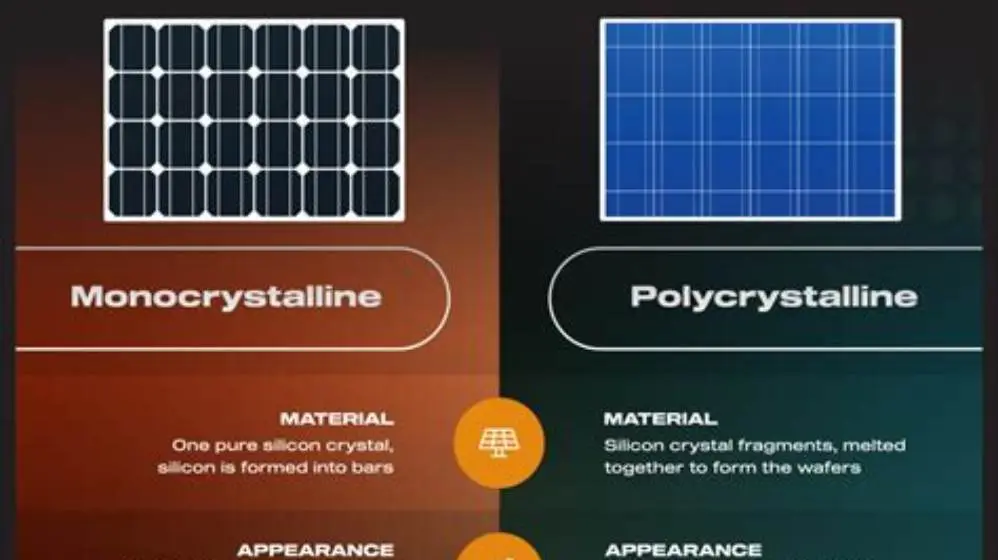
Monocrystalline panels have a uniform black appearance due to their single-crystal structure, which many homeowners find more visually appealing, especially on darker roofs or where aesthetics matter for resale value.
Polycrystalline panels exhibit a blueish, speckled appearance caused by their multi-crystal structure. This can contrast with roof tiles and may be less desirable where appearance is a priority. Before you commit to anything, it is worth looking at advantages of panel-level inverters.
Regarding durability, both panel types use tempered glass and similar frames, so lifespan and resistance to weather are comparable, generally lasting 25 years or more with minimal efficiency loss.
If your roof has complex geometry or visible from the street, aesthetics could tip the balance towards monocrystalline panels despite the higher cost.
When polycrystalline might still be preferable on a small roof
If your small roof is still sufficiently large (closer to or above 20 square meters) and budget constraints dominate, polycrystalline panels may deliver better value.
Homes with less critical space constraints but tight budgets can benefit from the lower price per panel and accept the need for slightly more roof area or a smaller system size.
Polycrystalline panels are sometimes more readily available locally and may have shorter delivery times, which matters if you want to start savings sooner.
If visual appearance or marginal efficiency is less important than upfront cost, polycrystalline remains a practical option for many small roof installations.
In some cases, local climate conditions can make polycrystalline panels more suitable even on small roofs. Polycrystalline cells typically have a slightly better temperature coefficient, meaning their performance degrades less as temperatures rise. In very hot climates where roof temperatures regularly exceed 40°C, this can translate to a 2-4% relative performance advantage during peak heat periods.
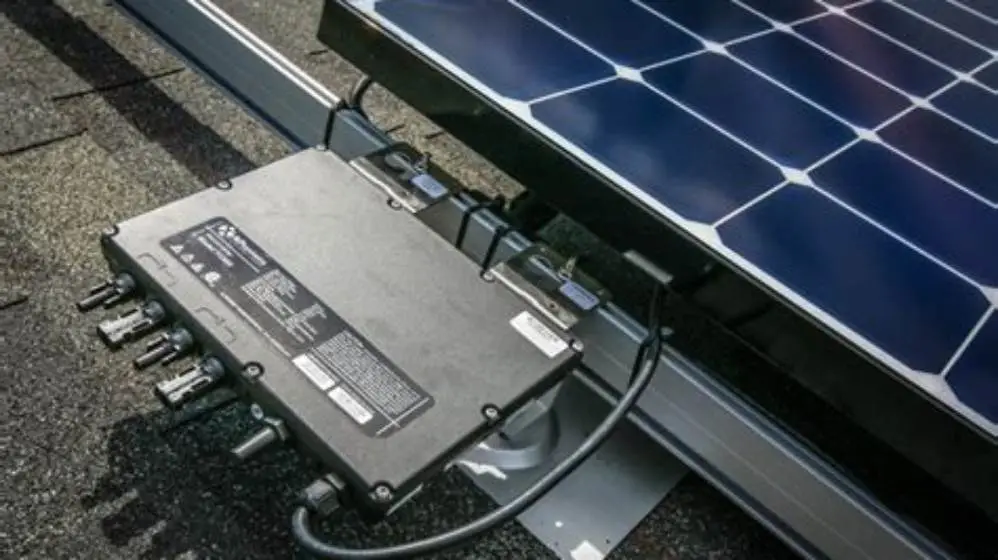
If your small roof has shading issues that cannot be mitigated, polycrystalline panels combined with microinverters or power optimizers might offer cost-effective flexibility. Since polycrystalline panels are often cheaper per unit, it may be feasible to use more shading-tolerant setups without significantly increasing the budget, thus maximizing energy harvested despite partial shading.
- generally lower panel cost
- adequate performance on moderate small roofs
- more availability in some markets
- lower efficiency per area
- less sleek appearance
- may require more roof space
Monocrystalline vs polycrystalline on small roof: final comparison
The decision comes down to balancing efficiency, cost, roof size, and aesthetic priorities. Monocrystalline offers about 10-20% more efficiency, which means fewer panels and less roof space for the same wattage.
Polycrystalline panels cost less upfront but need more area or compromise system size. If your roof area is tight, this trade-off often favors monocrystalline.
Table below summarizes key differences to help you request quotes and compare systems based on your specific roof size and budget.
Measuring your roof carefully and consulting with installers who offer both panel types will provide the most accurate comparison tailored to your property.
| Attribute | Monocrystalline | Polycrystalline |
|---|---|---|
| Efficiency | 17-22% | 15-17% |
| Typical panel cost (relative) | Higher | Lower |
| Roof space needed | Less | More |
| Appearance | Uniform black | Blue speckled |
| Durability | Comparable (25+ years) | Comparable (25+ years) |
| Suitability for <20 m² | Preferable | Possible if budget limited |
- higher efficiency saves roof space
- better aesthetics
- often better long-term value on small roofs
- higher upfront cost
- may not matter on larger small roofs
Monocrystalline panels usually deliver better value on small roofs due to their higher efficiency, despite higher upfront costs.
Questions people still ask
How do I measure if my roof is too small for polycrystalline panels?
Measure the usable roof area free of shading and obstructions. If you have less than about 15 to 20 m², polycrystalline panels may limit system size or energy output. Use a tape measure and sketch the layout, or ask an installer for a site survey.
Are there quality differences beyond efficiency between the two panel types?
Both types use similar materials and manufacturing standards. Quality depends more on brand and warranty than the cell type. Durability and degradation rates are comparable, typically guaranteeing 80-90% output after 25 years.
Can mixed systems of both panel types work on one roof?
Yes, but it may reduce overall system efficiency and complicate inverter setup. Mixing panel types requires careful electrical design to avoid mismatches causing power losses.
Does panel efficiency affect shading sensitivity on a small roof?
Higher efficiency panels like monocrystalline may suffer more noticeable output drops from partial shading because each cell contributes more power. Shade-tolerant microinverters or optimizers can mitigate this.
How do I find installers that can advise on small roof solar panel types?
Look for local solar installers with good reviews and ask specifically if they have experience with small roof projects using both monocrystalline and polycrystalline panels. Request detailed quotes comparing both options.