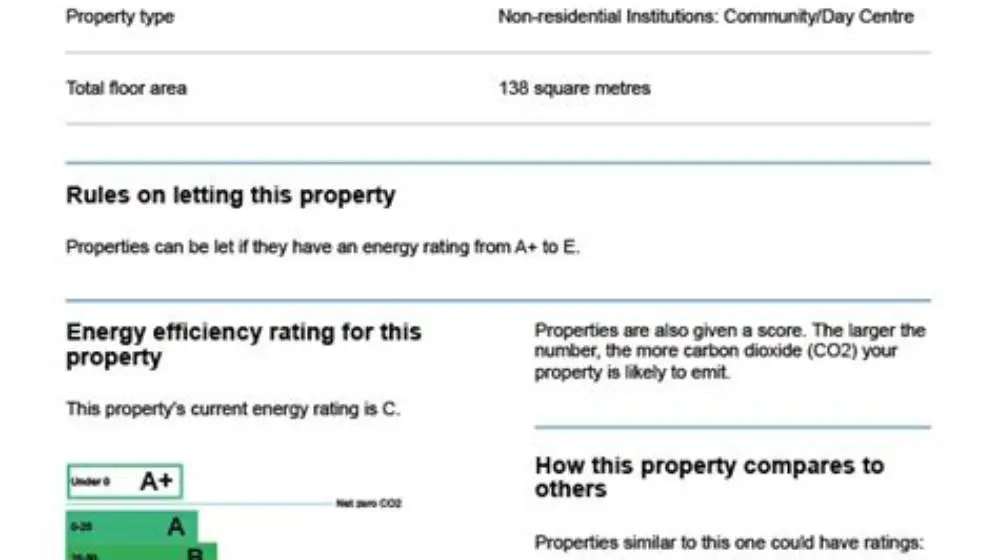
An Energy Performance Certificate (EPC) rates a property's energy efficiency from A to G and is valid for 10 years in the UK. It must be checked online through official registers to confirm its current, valid status before sale or rent.
On this page
Part of our guide on government grants for green homes
Quick facts
- EPC validity
- 10 years
- Energy rating scale
- A to G
- Required for sale
- Yes
- Required for rent
- Yes
- Scotland register
- Separate
- Online checking
- Government sites
Quick recap
- EPC rates energy efficiency on a scale A-G, with A being best.
- An EPC is valid for 10 years from issue in England, Wales and Northern Ireland.
- Scotland uses a similar system but with separate registers and some procedural differences.
- Checking EPC validity online is crucial before buying, selling, or renting property.
- An expired or missing EPC can mean legal penalties and complicate transactions.
What an Energy Performance Certificate is
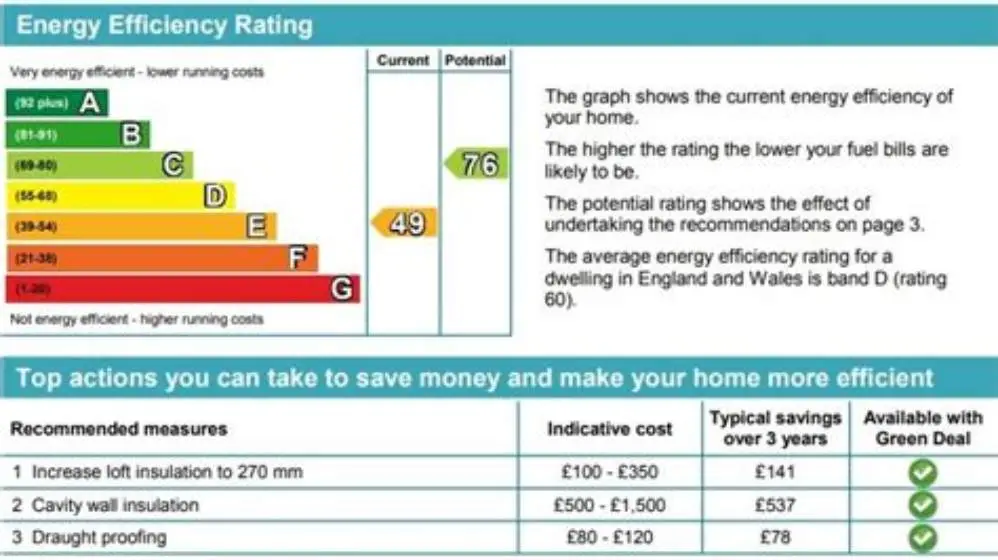
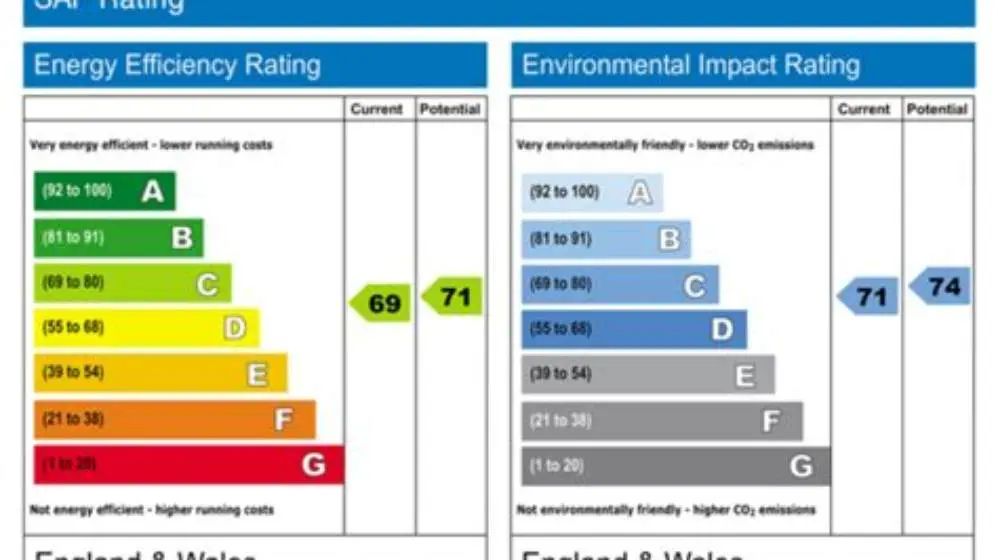
An Energy Performance Certificate (EPC) assesses the energy efficiency of a residential or commercial property. It provides a rating from A (most efficient) to G (least efficient) based on standardized calculations of heat loss, fuel consumption, and insulation.
The EPC includes recommendations for improving the property’s energy performance to reduce bills and carbon emissions. It is prepared by a qualified energy assessor who inspects the building fabric, heating system, and lighting.
The certificate shows the current energy use and environmental impact, making it easier for buyers, tenants, and landlords to understand expected energy costs and potential for savings.
By law, an EPC must be obtained before marketing a property for sale or rent in the UK, except in very limited cases such as certain listed buildings. We go through verifying green energy tariffs step by step elsewhere on the site.
How long an EPC is valid in the UK
An EPC remains valid for 10 years from the date it is issued across England, Wales, and Northern Ireland. This means you can use the same certificate for multiple property transactions within that decade.
However, if the property undergoes major renovations or upgrades that improve energy efficiency, getting a new EPC is advisable to reflect the changes and potentially improve the property's rating.
In Scotland, the EPC validity is also 10 years, but the process for obtaining and recording the certificate differs slightly because of a separate energy performance register. The other half of this decision is actions if no EPC found.
Ignoring an expired EPC can cause legal problems, such as fines up to several hundred pounds, and can delay or halt the sale or rental process.
In some cases, properties that have been vacant for a long period may require a new EPC even if the original certificate is still within its 10-year validity period. This is because changes in the building fabric or deterioration can affect the energy efficiency, and assessors may detect discrepancies when carrying out new inspections.
It is also important to note that changes in legislation or updates to the assessment methodology can affect EPC validity or the accuracy of older certificates. For example, a property with a certificate issued early in the 10-year period might have a less accurate rating if the EPC calculation standards have been updated since then. In such cases, obtaining a new EPC can provide a more reliable reflection of current energy performance. It helps to understand sap energy efficiency rating before going further.
A worked example can illustrate this: Suppose a property was issued an EPC in 2015 with a rating of D, but since then, the building regulations and EPC methodology improved in 2017, and the property underwent loft insulation upgrades. The original EPC remains valid until 2025, but the owner chooses to get a new EPC in 2023. The updated certificate shows a rating improved to C, which can positively influence buyer perception and eligibility for certain grants.
How to find or check an EPC online in the UK
To verify an EPC’s validity, you must use official government websites. In England, Wales, and Northern Ireland, the EPC register at https://www.gov.uk/find-energy-certificate provides free access to valid certificates by entering the property’s address or certificate number.
The online system shows the EPC’s issue date, energy rating, assessor details, and recommendations. This lets buyers or tenants confirm the certificate is genuine and current before proceeding. If that sounds like your situation, read up on building regulations replacement next.
In Scotland, a separate website run by the Scottish government hosts EPCs and must be checked independently. It operates similarly but uses a different database.
If you cannot find the EPC online or it shows expired, request a new one from a registered assessor before selling or letting the property.
- Go to the appropriate government EPC register website.
- Enter the property address or EPC certificate number.
- Review the certificate details, especially issue date and rating.
- Confirm the certificate is still valid (within 10 years).
- If invalid or missing, arrange for a new EPC assessment.
Differences in EPCs for Scotland
Scotland uses an EPC system similar to the rest of the UK but maintains its own separate register and regulations. The energy rating scale and assessment process are mostly the same, maintaining consistency. Before you commit to anything, it is worth looking at differences in prefabricated housing.
Unlike England and Wales, Scottish EPCs are hosted on the Energy Performance of Buildings Register for Scotland, accessed at https://www.scottishepcregister.org.uk/.
Scotland’s regulations require submitting the EPC to the register within 7 days of completion and before marketing the property.
Scottish EPCs often come with slightly different recommendation formats and may include more detail on ventilation and airtightness reflecting Scottish building regulations. The other half of this decision is what is leed certification.
Another notable difference in Scotland is the emphasis on ventilation requirements due to the country's climate. Scottish EPCs often include specific guidance on mechanical ventilation and heat recovery systems which are less detailed in other UK EPCs. This reflects stricter building standards aimed at balancing airtightness with indoor air quality.
Scotland also enforces submission timelines more strictly. Failure to lodge the EPC within 7 days before marketing the property can result in enforcement notices and fines, which can delay sales or lettings. This contrasts with England and Wales, where no such strict submission deadline exists, although an EPC must still be obtained beforehand.
A quick verification step for Scottish property sellers is to check the Energy Performance of Buildings Register for Scotland after lodging to confirm the EPC is live and accessible. This ensures compliance and avoids last-minute issues. For example, a seller who submits an EPC on the sixth day before marketing can verify online that it is recorded correctly and avoid penalties.
What an EPC rating means for your home and costs
The EPC rating, from A to G, reflects estimated annual energy costs and carbon dioxide emissions. For example, an A-rated home typically uses less than half the energy of a G-rated property of similar size and type.
Improving your EPC rating can lower energy bills and increase property value, but costs for upgrades vary widely depending on measures like insulation, windows, or heating system replacement.
The EPC provides tailored recommendations with estimated savings and costs, helping you prioritise actions that deliver the best return on investment.
Certain government grants and funding schemes, such as the Boiler Upgrade Scheme and ECO4, require a current EPC to qualify and to set eligibility thresholds.
| Rating | Estimated Energy Use (%) | Relative Energy Cost | CO2 Emissions |
|---|---|---|---|
| A | < 50% | Lowest | Lowest emissions |
| C | 70-90% | Moderate | Moderate emissions |
| G | > 150% | Highest | Highest emissions |
How to ensure your EPC is valid and useful when selling or renting
Before putting a property on the market, check the existing EPC’s issue date and validity through the official register to avoid delays or legal issues.
If the EPC is near expiry or outdated due to energy improvements, commission a new assessment from a certified domestic energy assessor registered with an approved scheme.
Keep a digital and physical copy of the current EPC to present to buyers or tenants and provide it within the first viewing if possible, which can improve transparency and trust.
Include any recommended improvements in marketing or negotiation to potentially increase sale or rental value.
If you are a landlord, failure to provide a valid EPC can result in fines from £500 to £5,000 depending on the property and local authority enforcement.
Quick questions
Can I use an EPC from a previous owner when I bought my house?
Yes, if the EPC is still valid within its 10-year life span and accurately reflects the property’s current condition. If major upgrades have been made since, a new EPC is advisable.
What happens if I don’t have an EPC when selling or renting?
You can be fined between £500 and £5,000 depending on property type and local authority enforcement. It can also delay or prevent legal completion or tenancy agreements.
Are there different EPC requirements for flats compared to houses?
No, all residential properties require an EPC before sale or letting, though the assessment process may differ slightly for flats due to shared elements.
How often should I renew my EPC if I make energy improvements?
While EPCs last 10 years, renew after any significant energy efficiency upgrades to ensure the certificate is accurate and captures potential rating improvements.
Is an EPC needed if I only rent out part of my home?
Yes, any rented self-contained unit requires an EPC before tenancy starts, regardless of whether the whole property is owner-occupied.