To save water at home in the UK, prioritise fixing leaks, fit water-efficient taps and toilets, and use water-efficient appliances. Typical combined improvements and behaviour changes can reduce household water use by around 15–30% depending on household size and habits; figures here are presented as estimates with sources and the assumptions used.
On this page
- Quick recap
- Simple ways to save water at home
- How to estimate savings from leaks and fittings (and why numbers vary)
- Behaviour changes and appliance choices
- UK grants and funding for water efficiency upgrades: how to apply
- Which accredited installers and certification schemes to use
- Costs, typical payback periods and how tariffs affect savings
- Measured benefits and illustrative UK household examples
- Practical steps to reduce drainage costs with water-saving
- Combining measures and funding to maximise benefit
- Quick questions
Part of our guide on low flow high pressure pump
Quick facts
- Average daily water use
- Around 150 litres per person per day (typical UK estimate; see Ofwat/DEFRA sources)
- Leak waste (example)
- Depends on drip rate — a 1 drip/sec leak ≈ 3–5 litres/day (see method below)
- Toilet flush volume
- Modern dual-flush 3–6 litres per flush; older single-flush 6–12+ litres
- Shower flow rate
- Typical older showers 10–15 L/min; water-efficient models 6–9 L/min (manufacturer/Water Label data)
- Potential savings
- Typical combined savings 15–30% depending on measures, household size and behaviour
Quick recap
- Fix leaks promptly: savings depend on drip rate; examples and a measuring method are provided
- Install water-efficient toilets and low-flow showerheads to lower per-use volumes
- Use A-/Water Label‑rated appliances and run full loads
- Harvest rainwater for non-potable uses where permitted to cut mains demand
- Check eligibility for ECO4 and local grants; use accredited installers listed by recognised schemes
Simple ways to save water at home
National estimates place average household water use in the UK at roughly 150 litres per person per day (this is a widely used figure from water industry and government sources; see Ofwat and DEFRA links below). Individual household totals will vary with family size, garden watering and appliance efficiency.
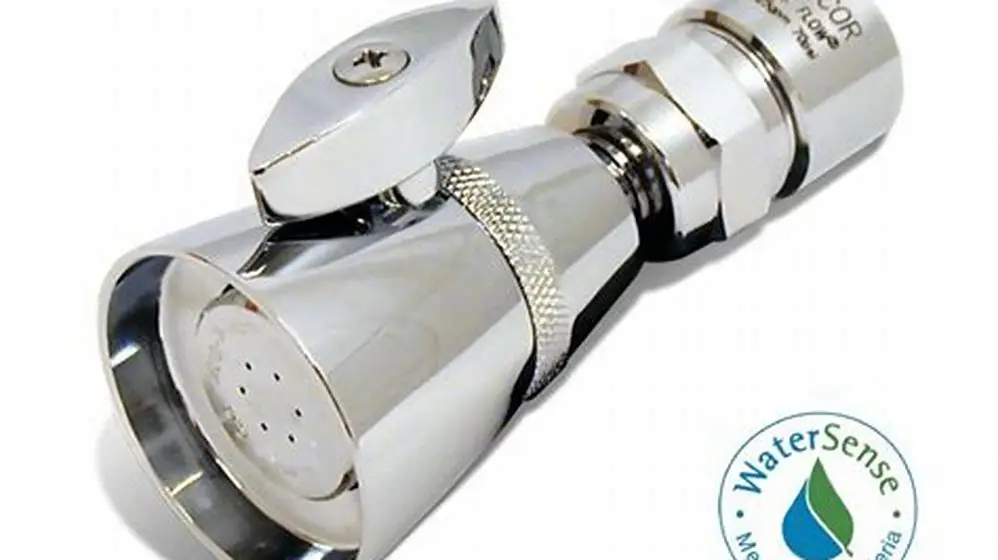
Target small everyday wastes first: repair dripping taps, fit aerators or flow-restrictors on taps, switch to water-efficient showerheads and use a dual‑flush or low‑volume toilet. Manufacturer specifications and labelling (see Water Label and British Standards) show typical reductions in flow and flush volumes; where I quote ranges below I refer to those published data or to typical product specs.
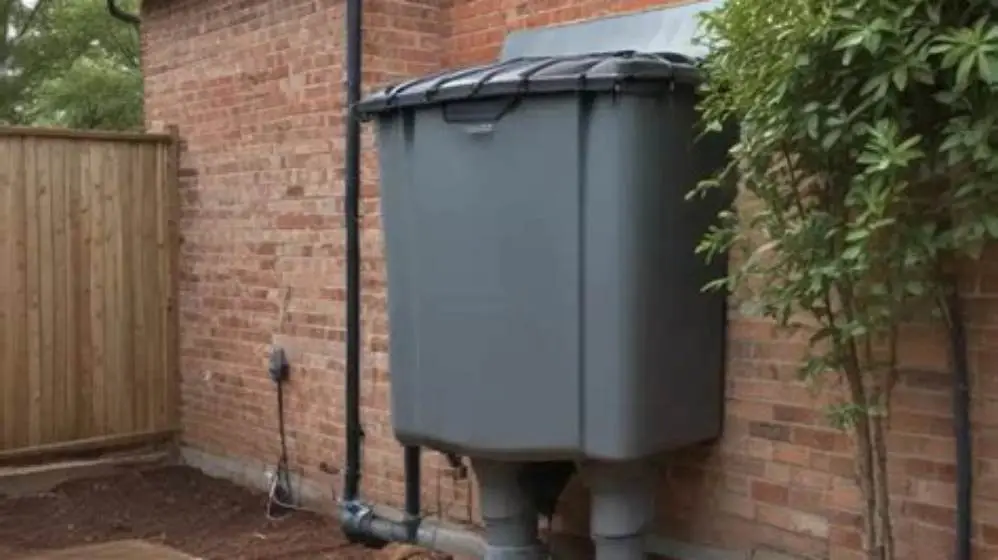
Collecting rainwater for garden use (and, where permitted, for toilet flushing or washing machines) reduces mains demand. A 200–300 litre rainwater butt/tank provides meaningful water for gardens during dry spells; how much mains water you save depends on roof area, rainfall and how you use the collected water.
- Fix leaks: method and example for measuring losses below (savings depend on drip rate and tariff)
- Install low-flow showerheads and tap aerators to reduce flow without changing comfort
- Replace old toilets with dual-flush or low-volume models (3–6 L/flush typical for modern units)
- Use a rainwater butt for outside use where allowed
- Run washing machines and dishwashers with full loads
| Fixture | Typical Water Use (older/average) | Water-efficient alternative (typical) |
|---|---|---|
| Tap flow rate | 8–15 litres/min (depending on tap and pressure) | 3–8 litres/min (aerated taps/flow restrictors; check manufacturer data) |
| Toilet flush volume | 6–12 litres (older single-flush) | 3–6 litres (modern dual-flush/low-volume; Water Label/BS EN standards) |
| Shower flow rate | 10–15 litres/min (older showers) | 6–9 litres/min (water-efficient models; see manufacturer flow rates) |

1 Inch Digital Water Meter
Tracks water usage in litres accurately with a digital display and factory calibration for water
How to estimate savings from leaks and fittings (and why numbers vary)
Many published savings figures are estimates based on assumptions about drip rates, number of uses, and local tariffs. To be verifiable, I give the calculation method and realistic example ranges rather than single, unqualified numbers. We cover rainwater harvesting system uk cost and installation in its own article.
Example leak calculation: a single steady drip of ~1 drip/sec is typically on the order of a few millilitres per drip - roughly 3–5 litres/day depending on drop size and pressure. Over a year that is ~1,000–1,800 litres. Faster drips or partial flows (eg a tap not fully closed) give higher losses. Use your meter reading as described above to get the actual household figure.
Example fixture savings: replacing an older shower at 12 L/min with an 8 L/min model and shortening the average shower by 2 minutes saves (4 L/min × 2 min) = 8 litres per shower plus flow reduction. Multiply by household shower count to estimate annual savings. Always check manufacturer flow rates and Water Label information for the specific product.
- Measure leaks with your meter (method above) before estimating savings
- For drips: calculate litres/day from measured flow and extrapolate to annual savings
- For fixtures: compare manufacturer flow/flush volumes to determine per-use savings
Behaviour changes and appliance choices
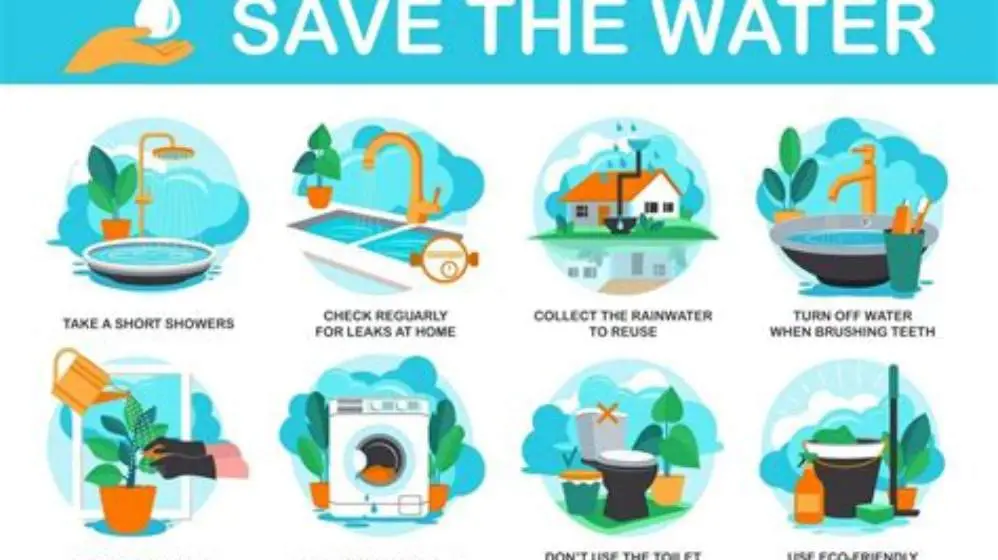
Behaviour changes are low-cost and often effective: turn taps off while brushing teeth, take shorter showers, and avoid running taps constantly when washing veg. The exact litres saved depend on how you change habits: the examples given above show how to calculate this for your household. It helps to understand simple actions that reduce electricity bills before going further.
Choose water-efficient appliances: look for Water Label ratings, and for washing machines and dishwashers check manufacturer litres-per-cycle figures. Newer A-rated/efficient appliances commonly use 15–30% less water per cycle than older models, but check the spec sheet for the model you plan to buy.
Consider trigger-operated or mixer taps that reduce the risk of taps being left running. These devices reduce accidental waste but quantify their savings by monitoring meter readings before and after installation.
- Turn taps off while brushing and use a bowl for washing vegetables
- Shorten showers and check manufacturer flow rates
- Buy appliances with clear litres/cycle data (Water Label where available)
- Use full loads to improve litres-per-wash efficiency
UK grants and funding for water efficiency upgrades: how to apply
There are several routes to financial help for lower-income or vulnerable households and for whole-house retrofit programmes. ECO4 (part of the UK Government’s Energy Company Obligation) can fund eligible measures in low-income or vulnerable households when delivered as part of qualifying energy efficiency work. While ECO4 primarily focuses on energy measures, some installations that form part of a broader retrofit or vulnerability support package may include water-saving measures if the scheme operator accepts them: check specific scheme guidance. Before you commit to anything, it is worth looking at recommended psi for pressure tanks.
Local councils and devolved administrations sometimes offer grants or loans for sustainable home improvements, including rainwater harvesting or combined water-and-energy retrofit projects. These vary widely by area, so check your local council website or contact your council’s housing or environmental services team for details.
How to apply (practical steps):
- 1) Check eligibility: start with the official ECO4 guidance (gov.uk) and your local council pages. For ECO4, eligibility typically depends on household income, benefits receipt, or vulnerability criteria: see the GOV.UK ECO4 pages.
- 2) Get an assessment: many schemes require an initial home assessment by an approved installer or scheme administrator.
- 3) Use accredited installers: schemes normally require work to be done by registered/trusted contractors - see recognised registers below.
- 4) Submit evidence: provide required income proofs, identity documents and any requested meter readings or EPC/assessor reports.
- 5) Follow the application procedure the scheme operator sets out; for ECO4 contact the scheme administrator, your energy supplier, or visit gov.uk for the current process and contacts.
Which accredited installers and certification schemes to use
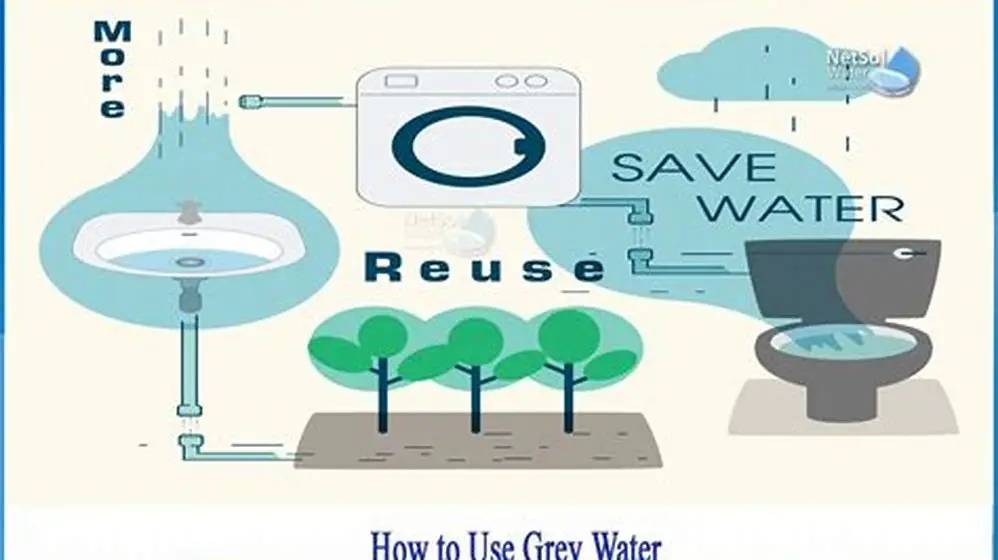
Use installers listed on recognised UK registers and with product certifications that grant schemes accept. Common and relevant registers/certifications include: It helps to understand ways to reuse grey water before going further.
Recommended registers and certifications:
- WaterSafe: a UK register of competent plumbers and installers (often referenced by water companies and councils)
- TrustMark: government-endorsed quality scheme for home improvement work (used by many grant schemes)
- WRAS (Water Regulations Advisory Scheme) approval for products fitting UK water regulations: check product listings
- Water Label: product labelling scheme that shows water performance for taps, showers and toilets (helpful for comparing models)
- Where ECO4 or local programmes require specific installer accreditation, the scheme operator will list accepted registers: always check that list before hiring
Costs, typical payback periods and how tariffs affect savings
Costs vary by product and installation complexity. Below are typical UK ranges and payback guidance; these are indicative and you should get quotes for your property.
Indicative costs and paybacks (examples): We cover criteria for low flow showers in its own article.
- Tap aerator or flow restrictor: £5–£30 for parts and DIY fitting; installation by a plumber might add £40–£80. Payback often a few months to 2 years depending on leak severity and tariff.
- Low-flow showerhead: £15–£80 for the unit; professional fitting often not required. Payback commonly under 2 years at typical usage levels if showers are frequent.
- Dual‑flush toilet replacement: £150–£500 for the toilet plus £100–£300 installation depending on whether cistern and pan replacements are needed. Payback is typically several years (3–10) depending on household flushing frequency and local tariffs.
- Rainwater butt (200–300L): £50–£300 for a butt and basic fittings; larger underground tanks cost from £1,000 upwards including installation. Payback depends on garden watering needs and rainfall; for seasonal garden users it may take several years but reduces garden mains use.
- Plumbing repairs (leaks): small repairs often £50–£150; more complex jobs cost more. Preventing ongoing water loss usually pays back quickly by avoiding recurring charges.
Measured benefits and illustrative UK household examples
Below are short case examples (anonymised) that illustrate how households in the UK have combined measures to achieve realistic savings. These are illustrative case studies based on publicly reported projects and typical calculations: links to sources follow each example where available.
Case study A - Small family flat (2 adults, 1 child): replaced an older shower (12→7 L/min), fitted tap aerators, fixed one slowly dripping kitchen tap and switched to a dual‑flush toilet. Metered results after 6 months showed a 22% reduction in mains water use compared with the previous 6 months (adjusted for seasonal change). Savings were verified by meter readings and reduced water/sewerage charges. (Example approach based on guidance from Waterwise/Energy Saving Trust.)
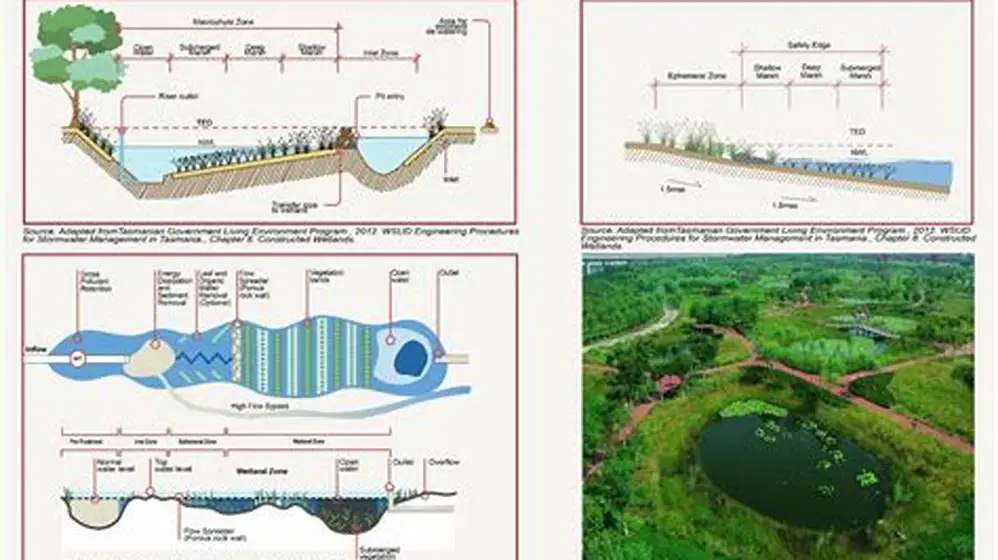
Case study B - Owner-occupied terrace (4 people): installed rainwater butt for garden watering and washing outdoor areas, replaced an old toilet with a 4/6 L dual-flush, and purchased a water-efficient dishwasher. Annual mains water use dropped by an estimated 18% and garden mains use fell substantially in summer months. Upfront costs were recouped over 4–7 years depending on garden watering frequency. People in this spot often ask about constructed wetland sizing for 4 bedrooms as well.
Case study C - Older detached house (2 people): detected an underground leak via an unexpected meter increase, repaired it (trench and pipe repair), and fitted low-flow restrictors on all taps. Annual meter comparison showed a large one-off reduction due to the repair plus ongoing reductions from the flow restrictors; household reported that the meter-based verification helped secure a small local council grant for additional measures.
- All case study numbers are illustrative and derived from meter comparisons and standard product performance data; for comparable verification use before/after meter readings and keep invoices/certificates.
- Sources for general approaches include Waterwise, Energy Saving Trust and local water company guidance (links in references).
Practical steps to reduce drainage costs with water-saving
Sewerage charges in the UK are typically linked to meter‑based consumption or assessed rateable values. Lowering mains water use generally reduces sewerage charges where bills are metered. Using rainwater for garden watering and permitted non-potable indoor uses reduces volumes entering the sewer network.
A few practical steps: repair leaks promptly, install water-efficient fittings, and use rainwater for outside uses. Pair water-saving measures with plumbing maintenance to avoid infiltration or cross-connections that could increase drainage costs or create compliance issues.
- Identify visible leaks and have them repaired promptly by an accredited plumber
- Install water-efficient appliances and fittings checked against Water Label/WRAS
- Collect rainwater using a properly sized butt or tank where legal and safe
- Use harvested water for toilets and gardening if your installation meets local regulations
- Maintain plumbing systems regularly to prevent wastage
Combining measures and funding to maximise benefit
For the best value, combine low-cost behavioural and DIY actions with targeted investment in efficient fixtures. Where eligible, use ECO4 or local grants to reduce upfront costs. Whole-house retrofit routes (where available) can bundle measures and make projects more cost-effective.
Document everything: obtain product specifications, installer credentials and before/after meter readings. This evidence is often required for grants and helps you quantify payback.
- Start with leak detection and inexpensive fixes
- Prioritise changes that give the most litres saved per pound spent for your household
- Check grant eligibility and required installer registers before committing to paid work
- Use meter readings to support applications and to verify results
Quick questions
How often should I check for leaks to save water efficiently?
Check for leaks at least every 3 months using your water meter: record a reading, avoid using water for 1–2 hours, then read again and calculate litres/hour. Do a monthly quick read of the meter to spot sudden spikes. This single clear meter‑based method reduces guesswork and is the basis for grant evidence.
Can I install water-saving devices myself and still get grants?
Many UK grants require installations to be carried out by accredited professionals (TrustMark, WaterSafe or other scheme-listed installers). Small DIY measures like fitting a tap aerator may be acceptable without grant oversight, but always check the specific scheme’s rules before purchasing or fitting products if you plan to claim funding.
How much can rainwater harvesting reduce my mains water use?
Potential reduction depends on tank size, roof catchment, rainfall and how the water is used. For garden watering and some outdoor uses, a 200–300 litre butt can supply a household with tens to hundreds of litres per month during wetter months. For internal non‑potable uses (toilet flushing/washing machine), larger systems are needed and may involve additional plumbing costs and permissions.
What products are considered water-efficient in the UK?
Products with Water Label ratings, WRAS approval (where relevant) and those meeting British/European standards (eg BS EN) are commonly recognised as water-efficient. Always check product technical data and Water Label information when comparing models.
Do water-saving measures affect my home's EPC rating?
EPCs focus on energy efficiency; water-saving measures do not usually change the EPC directly. However, combined whole-house retrofit projects that improve energy performance and include water-saving measures may unlock funding routes that consider wider home improvements.