For a 1500 square foot house, a heat pump typically needs about 4 to 6 kW heat output (1.2 to 1.8 tonnes), depending on insulation and climate. Compatibility with radiators or cylinders depends on their size and flow temperature, often requiring some adjustments.
On this page
- Quick recap
- What size heat pump fits 1500 square foot house
- Factors that derate the heat pump load requirement
- Will a heat pump work with my radiators
- Do heat pumps need underfloor heating
- Can I use a heat pump with existing hot water cylinder
- Will a heat pump fit my radiators without changing pipes
- Quick questions
Part of our guide on thermal store tanks with hybrid heat pumps
Quick facts
- Heat output needed
- 4-6 kW
- House size
- 1500 sq ft
- Typical capacity
- 1.2-1.8 tonnes
- Insulation effect
- 10-30% load reduction
- Radiator upgrade
- Often required
- Cylinder compatibility
- Usually yes
Quick recap
- Heat pumps for 1500 sq ft homes usually need 4-6 kW or 1.2-1.8 tonnes capacity.
- Good insulation and airtightness can reduce the required heat output by 10-30%.
- Low-temperature heat pumps may need larger radiators or underfloor heating for efficiency.
- Existing hot water cylinders often work but check for compatibility with heat pump flow temperatures.
- A professional heat load calculation is essential for precise sizing and retrofit success.
What size heat pump fits 1500 square foot house
A general rule of thumb for sizing heat pumps is approximately 25 to 40 watts per square foot, depending on insulation and climate. For a 1500 square foot home, that equates to roughly 4 to 6 kW of heating capacity needed, or about 1.2 to 1.8 tonnes in refrigeration terms. These figures depend strongly on your home's insulation, airtightness, window quality, and local climate.
A well-insulated home or one in a milder climate can lean toward the lower end, around 4 kW, while a poorly insulated or colder-area home might need closer to 6 kW or more. Oversizing is common but inefficient; undersizing leaves you cold. You should always arrange a detailed heat load calculation to determine exact needs.
Heat load calculations involve measuring heat loss factors such as walls, windows, roof, ventilation, and infiltration. This will guide your choice between a 4 kW and 6 kW unit or if a larger or variable-capacity heat pump suits better.
Factors that derate the heat pump load requirement
Several factors reduce the heating load your heat pump must cover. Good insulation, airtight windows, and sealing gaps can reduce heat loss by 10-30%. For example, adding cavity wall insulation or triple glazing shifts your load downward. It helps to understand do heat pumps provide hot water before going further.
Milder winters also cut demand. If the coldest day averages above -5°C, your heat pump can be smaller than one sized for harsher conditions. Conversely, exposure to wind or cold drafts increases load.
Solar gains through south-facing windows lower heating needs during daytime hours. Using curtains and shading also affects heat retention.
People often overlook ventilation losses. Mechanical ventilation with heat recovery (MVHR) can reduce load by exchanging stale indoor air for fresh air while conserving heat. Lack of it means higher heating needs. The other half of this decision is choosing buffer tanks for radiator systems.
If you plan to use supplementary heating during peak cold, you might choose a heat pump sized slightly smaller, accepting some electric backup use.
Humidity levels inside the house also affect the heat pump load. Dry air feels colder, so in areas with low indoor humidity, occupants may feel the need for higher temperatures, increasing load. Conversely, higher humidity can make lower temperatures feel more comfortable, slightly reducing heating requirements. For example, raising indoor humidity from 30% to 50% can reduce perceived cold and thus the effective heating load by a few percent.
House orientation influences solar gain and wind exposure significantly. A south-facing home in the northern hemisphere benefits from more passive solar heating during winter, reducing heat pump demand by up to 15%. On the other hand, homes exposed to strong prevailing winds or located on hilltops may suffer greater heat loss, increasing the heat pump size needed by a similar margin. We cover flow temperature considerations for heat pumps in its own article.
Temporary factors like occupancy patterns and internal heat gains from appliances and lighting also derate load requirements. A home occupied mostly during the day with active cooking and electronics can reduce heating demand by 5–10% compared to a similar unoccupied house, as internal gains supplement heating. These details refine the heat load calculation beyond floor area alone.
| Factor | Typical Load Reduction |
|---|---|
| Wall cavity insulation | 10-15% |
| Double or triple glazing | 10-20% |
| Airtightness improvements | 5-10% |
| MVHR ventilation | 10-15% |
Will a heat pump work with my radiators
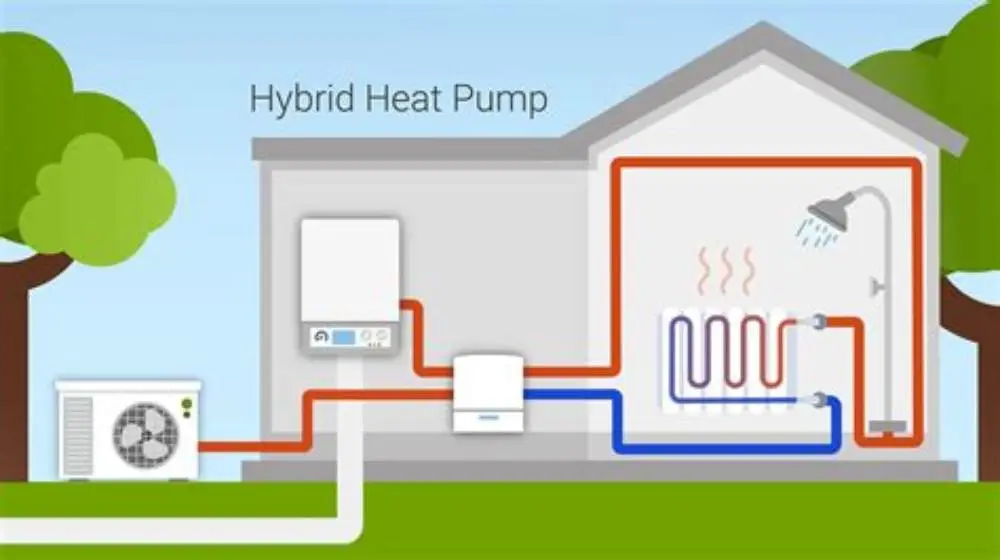
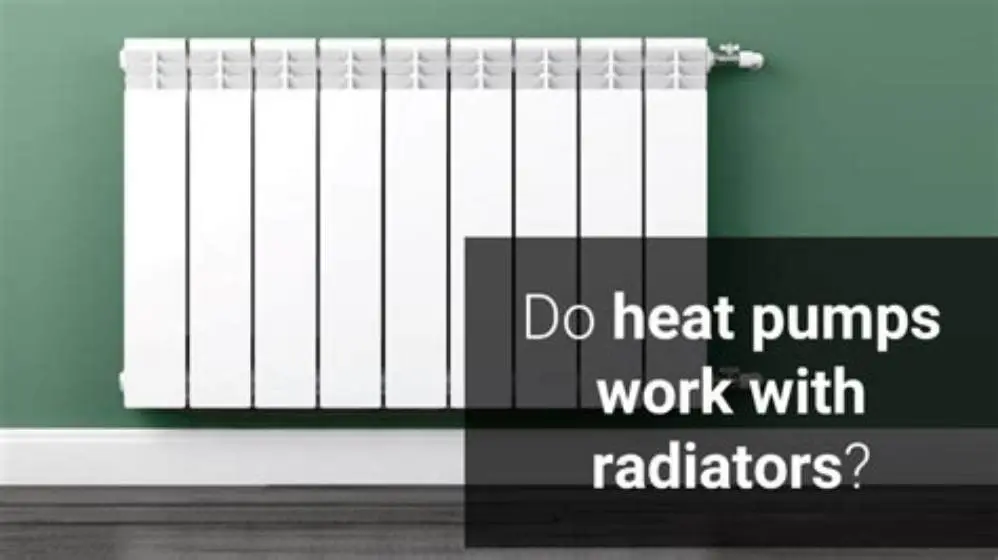
Standard radiators designed for high-temperature gas boilers (often running at 70-80°C) will not efficiently transfer heat from a heat pump, which usually runs at 35-55°C flow temperature. That means your existing radiators may not deliver enough warmth if left unchanged.
You can use a heat pump with your radiators if they are sufficiently large or if you can upgrade them to larger panels or add more units. Increasing radiator surface area compensates for the lower water temperature. There is more on how to fit central heating system in a separate guide.
Alternatively, underfloor heating or specially designed low-temperature radiators are better matches for heat pumps. These options operate efficiently at flow temperatures as low as 30-40°C.
Retaining existing radiators without changes often forces the heat pump to work harder or rely on electric backup, raising bills and wear. Pipework itself rarely restricts compatibility but check flow rates and pump capacity.
A heat pump working with oversized radiators or low-temperature emitters offers the best efficiency and comfort balance. People in this spot often ask about ground probe loop size for 3 bedroom semi as well.
| Radiator Type | Typical Flow Temp (°C) | Compatibility with Heat Pump |
|---|---|---|
| Standard gas boiler radiators | 70-80 | Poor unless upsized |
| Larger panel radiators | 45-55 | Good with upsizing |
| Low temp radiators | 30-40 | Excellent |
| Underfloor heating | 30-40 | Ideal |
Do heat pumps need underfloor heating
Heat pumps do not strictly need underfloor heating but it is often the most efficient emitter system for them. Underfloor heating typically operates at water temperatures of 30-40°C, matching well with the heat pump’s efficient output range.
Homes with underfloor heating avoid the need for oversized radiators and can achieve lower running costs. The large surface area of underfloor heating provides comfortable warmth without hot spots.
If you have existing radiators designed for high temperatures, retrofitting underfloor heating can be an expensive and disruptive option. It is not always essential if your radiators are large enough or upgraded.
Choosing underfloor heating relies on your home’s layout, floor construction, and budget. It is a common retrofit for low-carbon heat pump systems but not mandatory.
If retrofitting, make sure your floors can house the piping and insulation required for efficient heat distribution.
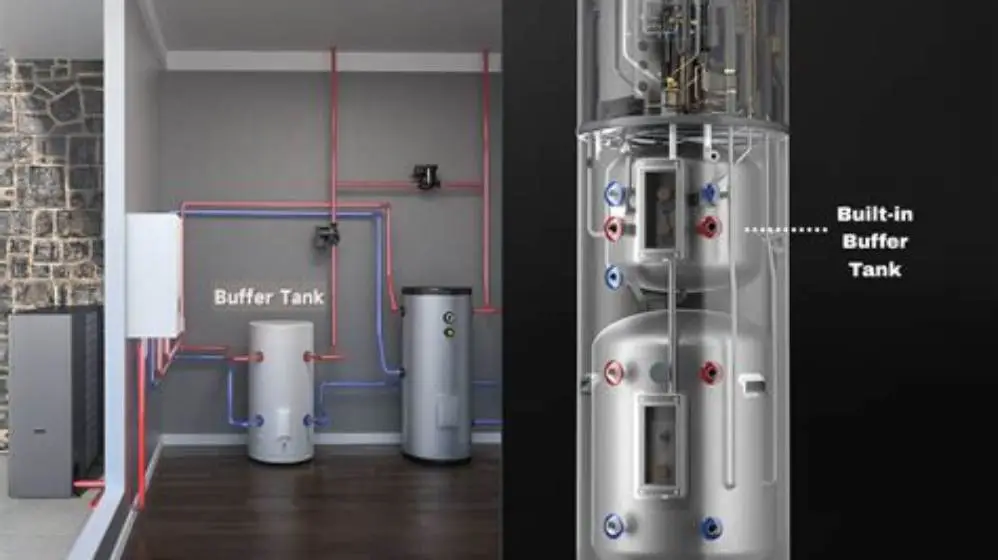
If you have an existing underfloor heating system designed for electric or gas boilers, confirm its operating temperature range before connecting a heat pump. Some older systems require modifications to maintain adequate flow temperature and avoid condensation or damage. For example, mixing valves or buffer tanks can help regulate temperatures to match the heat pump’s output.
Underfloor heating systems also vary by floor construction. Wet screed floors have a slower response time but better heat retention, while dry systems respond faster but lose heat more quickly. These factors influence how well the heat pump modulates output and affects occupant comfort, particularly in retrofit scenarios.
Installing underfloor heating alongside radiators is sometimes practical. You can designate underfloor heating for main living areas and keep radiators in bedrooms or upstairs rooms. This hybrid approach reduces upfront costs and accommodates existing infrastructure while still enjoying heat pump efficiency advantages.
- Efficient low-temp heating
- Even heat distribution
- Comfortable warmth
- Retrofit cost and disruption
- Floor height increase
- Not needed with large radiators
Can I use a heat pump with existing hot water cylinder
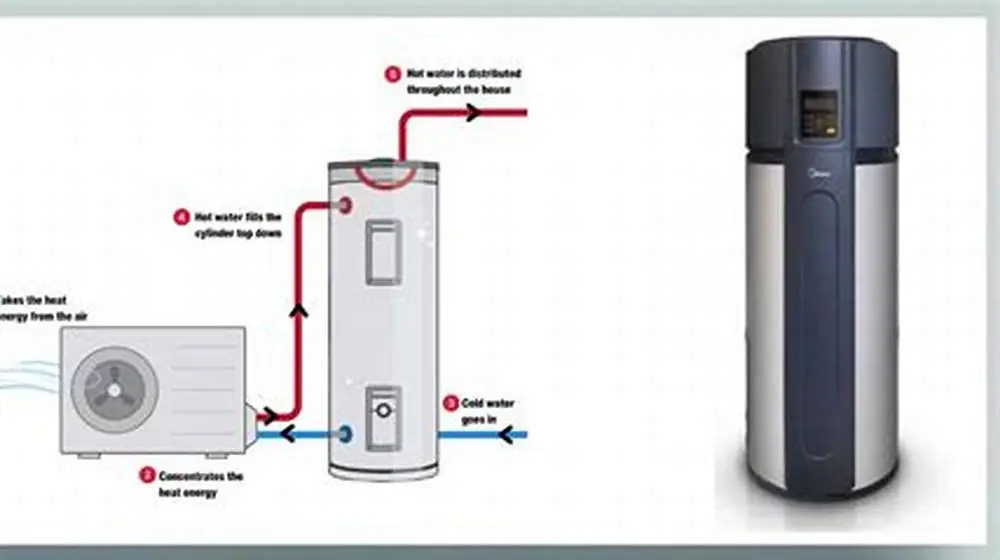
Most homes with an existing hot water cylinder can use it with a heat pump, but compatibility depends on cylinder type and temperature rating. Heat pumps usually heat water at 50-60°C, lower than conventional boilers, so cylinders must be suitable.
Modern unvented cylinders with good insulation are best matched to heat pumps. Older vented cylinders or uninsulated tanks may lose too much heat, reducing efficiency.
You may need to add an immersion heater backup or a heat pump-specific coil in the cylinder to achieve hot enough water, especially for hygiene (legionella) requirements.
If your cylinder is very old or poorly insulated, consider upgrading to a heat pump-compatible model to get full benefits and avoid cold water supply issues.
Check cylinder volume: heat pumps deliver heat more slowly, so a larger cylinder can ensure sufficient hot water storage.
Heat pumps generally operate at lower water temperatures than conventional boilers, so the cylinder’s thermostat and control system may require adjustment. Setting the cylinder thermostat too high can cause the heat pump to work harder and reduce efficiency, while too low risks insufficient hot water supply.
Some heat pump systems incorporate a thermal store or buffer tank alongside the hot water cylinder to stabilize temperature and supply rates. This setup prevents rapid cycling of the heat pump and ensures a steady flow of hot water, especially in homes with variable demand or multiple bathrooms.
Legionella prevention is critical with lower-temperature hot water. Heat pumps typically use temperatures around 50-55°C, but periodic boosting to 60°C or higher may be needed. This can be achieved with an electric immersion heater or via heat pump settings to maintain hygiene without sacrificing efficiency.
Will a heat pump fit my radiators without changing pipes
In most cases, existing central heating pipework does not restrict fitting a heat pump. Pipes sized for standard boilers generally handle heat pump flow rates, although the flow temperature is lower.
You should check pipe diameter and pump capacity to ensure the heat pump's lower flow temperature doesn't produce insufficient circulation. Sometimes upgrading the circulation pump is needed.
If your system uses old or undersized pipes, flow rates may be inadequate for heat pump efficiency, causing longer runtimes or inconsistent heat delivery.
Adding thermostatic radiator valves (TRVs) can improve balancing and comfort without pipe replacement.
Consult your installer to assess pipe condition and flow rate capacity. Flow meters or system pressure gauges help diagnose potential issues.
Quick questions
Can I oversize a heat pump for my 1500 sq ft home?
Oversizing wastes money and reduces efficiency as the heat pump cycles on and off more frequently. It is better to size correctly or slightly undersize with backup heat.
How does insulation affect the size of heat pump I need?
Better insulation reduces heat loss, enabling a smaller heat pump. Poor insulation demands higher capacity, increasing costs and running expenses.
What if my radiators are too small for the heat pump?
You can replace or add radiators with larger surface area or switch to underfloor heating for efficient low-temperature operation.
Are there government grants for installing heat pumps?
Grants vary locally and change periodically. Check current government or utility schemes to reduce installation costs.
How do I know if my hot water cylinder is compatible?
Check the cylinder's insulation and maximum water temperature rating. A professional can test or suggest upgrading if needed.