Heat pumps that produce hot water are mainly air-to-water and ground-to-water types, delivering around 50-60°C water. Air-to-air heat pumps generally do not provide hot water. Residential heat pumps last typically 15-20 years with proper maintenance.
On this page
Part of our guide on thermal store tanks with hybrid heat pumps
Quick facts
- Typical water temp
- 50-60°C
- Heat pump lifespan
- 15-20 years
- Heat pump types
- Air-to-water, Ground-to-water
- On-demand hot water
- Usually sufficient
- Air-to-air hot water
- Rarely provided
Quick recap
- Air-to-water and ground-to-water heat pumps provide hot water at 50-60°C
- Air-to-air heat pumps rarely heat water effectively
- Heat pumps can supply enough hot water for daily needs but may need larger tanks
- Residential heat pump lifespan averages 15-20 years
- Proper sizing and maintenance directly affect hot water availability and lifespan
How does a heat pump function
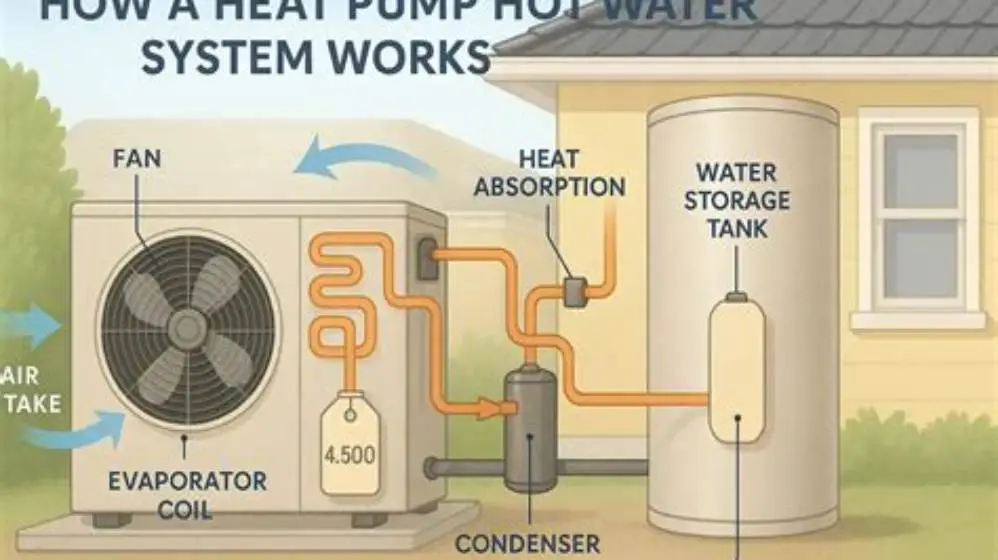
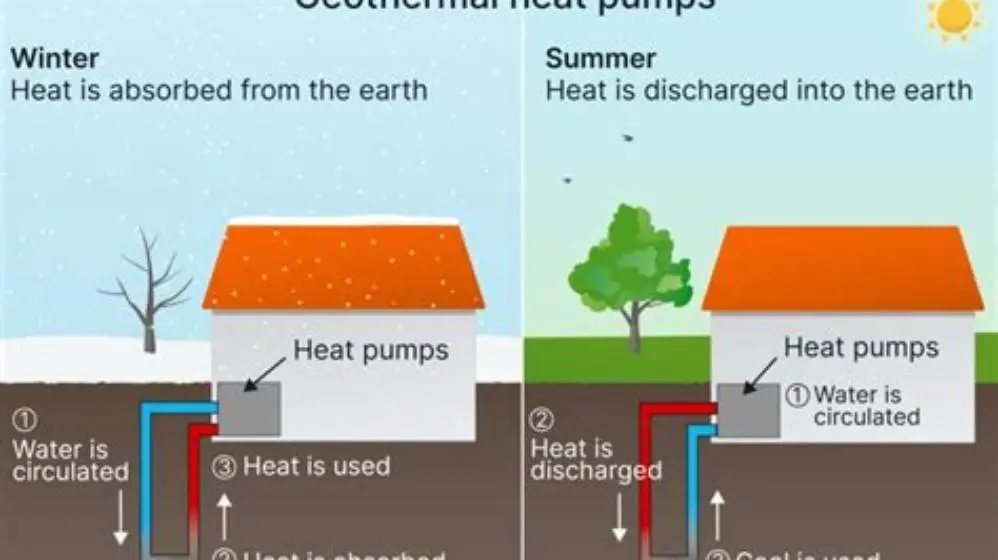
A heat pump transfers heat from a low-temperature source to a higher-temperature sink using refrigeration principles. It extracts thermal energy from outside air, ground, or water and delivers it inside for space heating or hot water.
The core components include an evaporator, compressor, condenser, and expansion valve. The refrigerant absorbs heat at low temperature, compresses it to raise temperature, and then releases heat into the home system.
Heat pumps offer about 3-4 units of heat output per unit of electricity used, making them energy efficient compared to direct electric heaters. Their performance depends on source temperature and system design.
Do heat pumps provide hot water
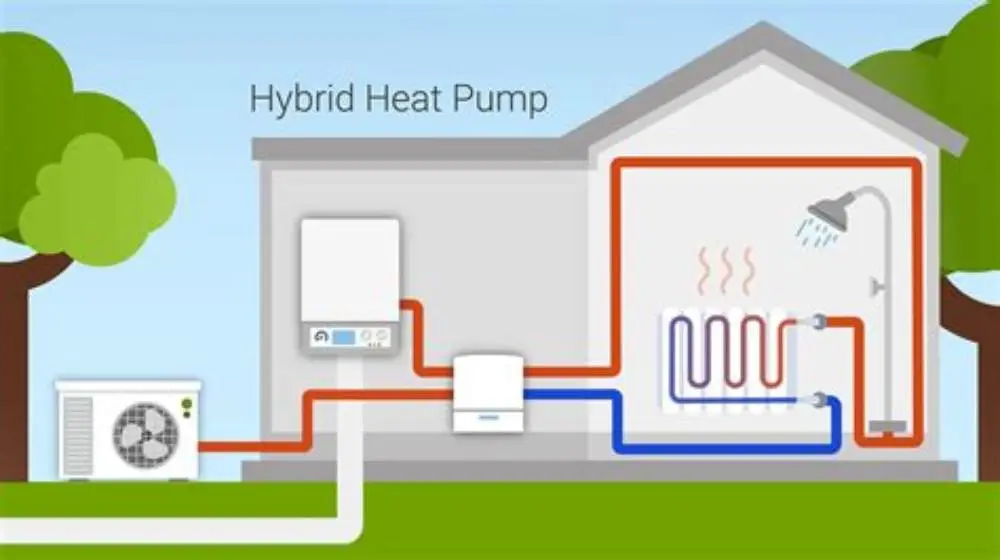
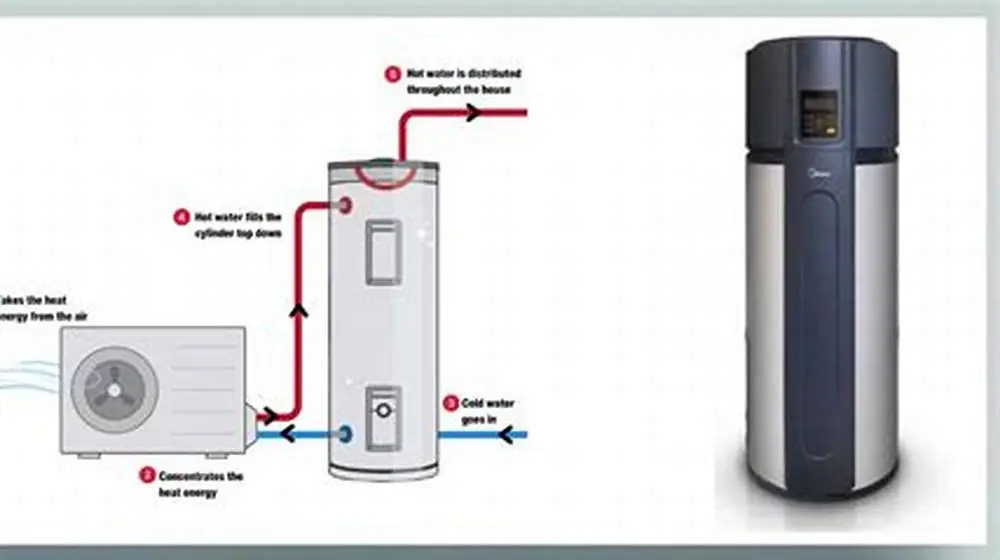
Air-to-water and ground-to-water heat pumps routinely provide hot water suitable for residential use, typically between 50°C and 60°C. This water is heated either directly by the heat pump or indirectly through a heat exchanger into a hot water tank. There is more on explaining heat transfer in heat pumps in a separate guide.
Air-to-air heat pumps, in contrast, mainly provide warm air for space heating and rarely supply hot water directly. If hot water is needed, an additional water heating appliance is required.
The capacity of heat pumps to supply hot water on demand depends on their size and storage tank volume. Larger tanks or supplementary heaters are necessary for peak demand periods like mornings or evenings.
A correctly sized air-to-water heat pump system can meet most household hot water needs without additional heating, but in colder climates, supplementary backup heating might be advisable. If that sounds like your situation, read up on heat pumps for medium houses next.
| Heat Pump Type | Hot Water Provided | Typical Water Temperature | On-Demand Capacity |
|---|---|---|---|
| Air-to-Water | Yes | 50-60°C | Usually sufficient with tank |
| Ground-to-Water | Yes | 50-60°C | Usually sufficient with tank |
| Air-to-Air | No | N/A | Not provided, needs backup |
How long do residential heat pumps last with typical use
Residential heat pumps commonly last between 15 and 20 years under typical use, assuming regular maintenance. Components like compressors and fans are subject to wear but generally have this lifespan.
Lifespan depends on factors such as installation quality, operating conditions, and maintenance frequency. Poor maintenance or harsh environments can shorten life to under 10 years.
Heat pump performance typically degrades gradually rather than failing suddenly. Efficiency drops may signal the need for repair or replacement. There is more on buffer tank sizing for 8kw air to water heat pump in a separate guide.
Replacement or major servicing is usually needed near the end of this lifespan to maintain reliable hot water and heating supply.
Heat pumps installed in areas with moderate climates tend to reach the upper end of the lifespan range, often exceeding 20 years. For example, units in coastal regions with less extreme temperatures and humidity experience less strain, prolonging component life. Conversely, units in very cold or corrosive environments may see lifespan closer to 10-15 years.
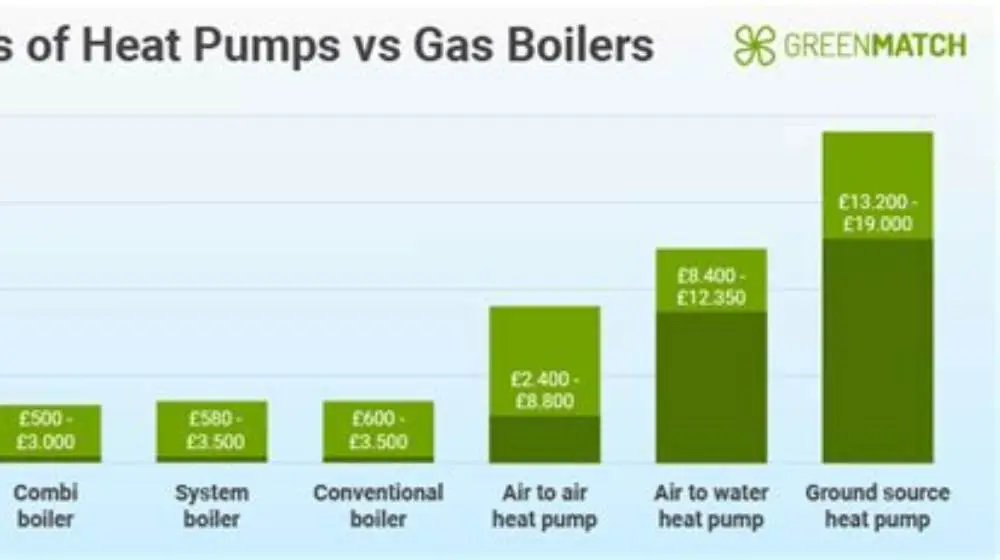
A practical check on the condition of a heat pump nearing the end of its expected life involves monitoring its coefficient of performance (COP). If the COP falls below 2.5 consistently, this indicates declining efficiency, often signalling the need for service or replacement. Regular performance logging can help anticipate end-of-life before failure occurs. It helps to understand cost differences between heat pumps and boilers before going further.
Sizing heat pumps for hot water needs
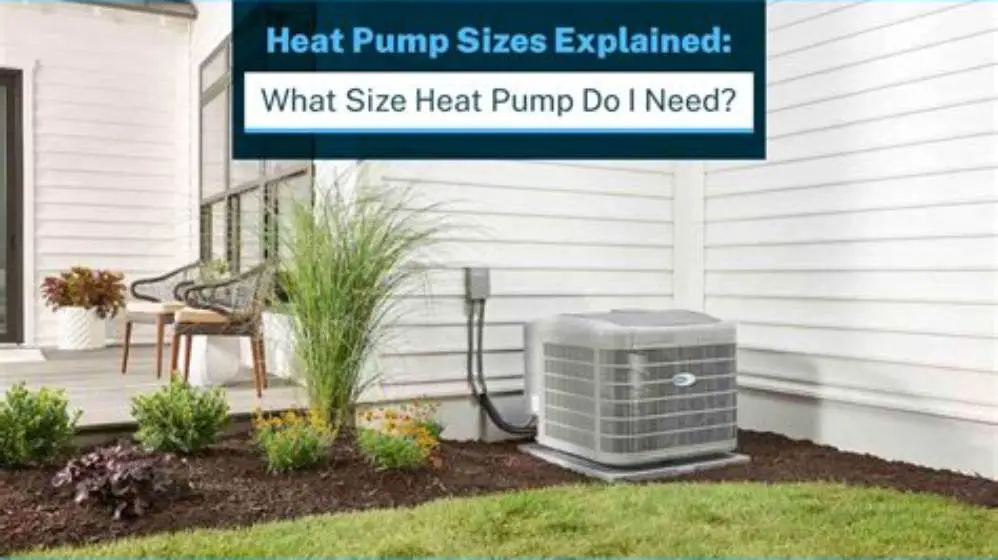
Selecting the correct heat pump size is critical to ensure adequate hot water supply. Systems are rated in kilowatts (kW) for heating capacity; typical domestic units range from 6 to 16 kW.
Too small a unit will struggle to meet peak hot water demand, causing insufficient supply or longer recovery times. Oversizing wastes energy and increases upfront costs.
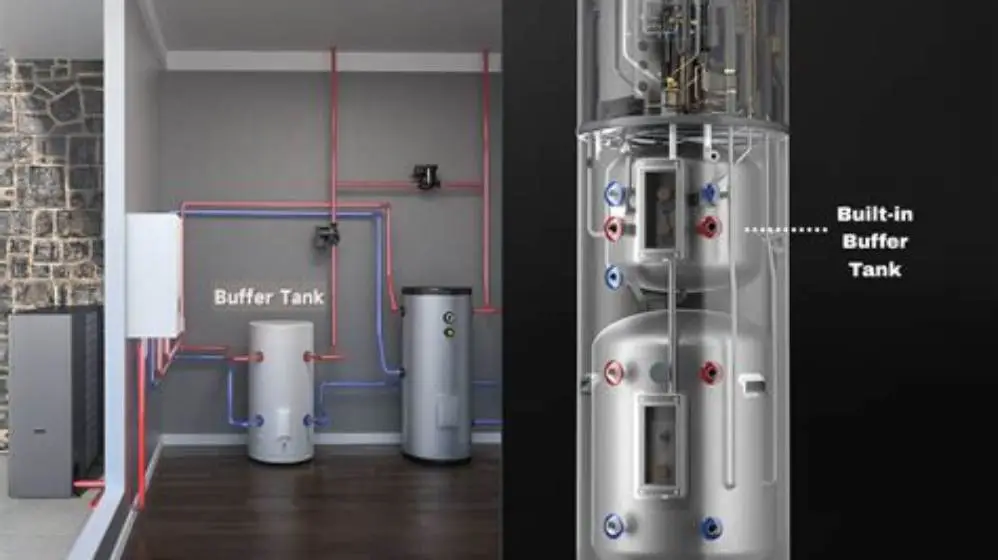
The target hot water storage tank capacity varies but often lies between 150 and 300 liters for an average household. Larger tanks buffer demand and reduce compressor cycling. For the detail, see our notes on why aren't geothermal heat pumps more common.
Consulting a heating engineer can help match the heat pump size and tank volume to your household’s daily hot water usage and climate conditions.
A worked example: a family of four typically uses about 200 liters of hot water daily. To maintain a comfortable supply, a 200-liter hot water tank paired with a 10 kW heat pump is often adequate. The heat pump can replenish the tank within 2-3 hours, assuming average inlet water temperatures and typical usage patterns.
In climates with significant temperature variation, sizing must also consider winter low source temperatures which reduce heat pump output. For instance, an air-to-water pump rated at 10 kW at 7°C source air temperature may only deliver 6-7 kW at -5°C, extending recovery times. Hence, larger tanks or supplementary heating help maintain supply during cold spells.
- Calculate average daily hot water usage in liters.
- Assess peak demand times to size storage tank accordingly.
- Choose heat pump capacity aligned to heating load and desired water temperature.
- Factor in climate impact on heat pump efficiency and output.
- Confirm installer provides detailed sizing rationale.
Costs and grants affecting heat pumps that provide hot water
Heat pumps with hot water capability usually cost between several thousand to over ten thousand dollars, depending on type, brand, and installation complexity.
Installation costs include the unit, hot water cylinder, plumbing, and sometimes electrical upgrades. Air-to-water systems tend to be less costly than ground-to-water due to simpler installation.
Government grants or incentives are often available to reduce the upfront cost for heat pump installations, especially those providing both heating and hot water.
Checking eligibility and application deadlines for such grants in your area can significantly offset expenses and improve payback time on your investment.
Operational costs are influenced by electricity prices and heat pump efficiency (COP). For example, a heat pump with a COP of 3 consuming 3 kWh of electricity produces 9 kWh heat. If electricity costs 15 cents per kWh, the heat cost is 5 cents per kWh, significantly lower than direct electric resistance heating.
Some regions offer grants covering up to 30% of total installation costs for heat pumps with hot water capability, sometimes capped at specific amounts like $3000. Eligibility often depends on replacing fossil fuel systems or installing high-efficiency models, encouraging adoption of renewable heating technology.
Do heat pumps provide hot water
Heat pumps do provide hot water if they are the air-to-water or ground-to-water type, producing 50-60°C water suitable for domestic use. Air-to-air heat pumps generally do not provide hot water at all.
For continuous or peak demand, these heat pumps rely on correctly sized storage tanks. Without adequate storage, there may be delays or shortages in hot water supply.
If your goal is efficient, low-carbon hot water heating alongside space heating, an air-to-water heat pump with an insulated tank is usually the right choice.
For hot water monitoring, a simple hot water temperature gauge or digital tank thermometer can help track system performance and detect problems early.
Air-to-water and ground-to-water heat pumps reliably provide domestic hot water and last 15-20 years when maintained; air-to-air types generally do not.
Quick questions
Can an air-to-air heat pump be modified to provide hot water?
Typically, no. Air-to-air heat pumps transfer heat as warm air and lack components or connections for heating water. Adding hot water capability usually requires separate equipment.
What maintenance extends heat pump lifespan?
Regular cleaning of filters, checking refrigerant levels, inspecting for leaks, and ensuring electrical components are sound help keep heat pumps efficient and lasting 15-20 years.
How does climate affect heat pump hot water production?
Colder climates reduce heat pump efficiency and output temperature, which may require larger tanks or backup heating to maintain consistent hot water supply.
Is it better to size the heat pump or the hot water tank larger for peak demand?
Usually, a larger storage tank is more cost-effective than oversizing the heat pump. It stores more hot water to meet peaks without needing a bigger heat pump running constantly.
Are grants available for installing heat pumps with hot water capability?
Many local and national programs offer grants or rebates for heat pumps, especially those replacing fossil fuel systems and providing combined space and water heating.