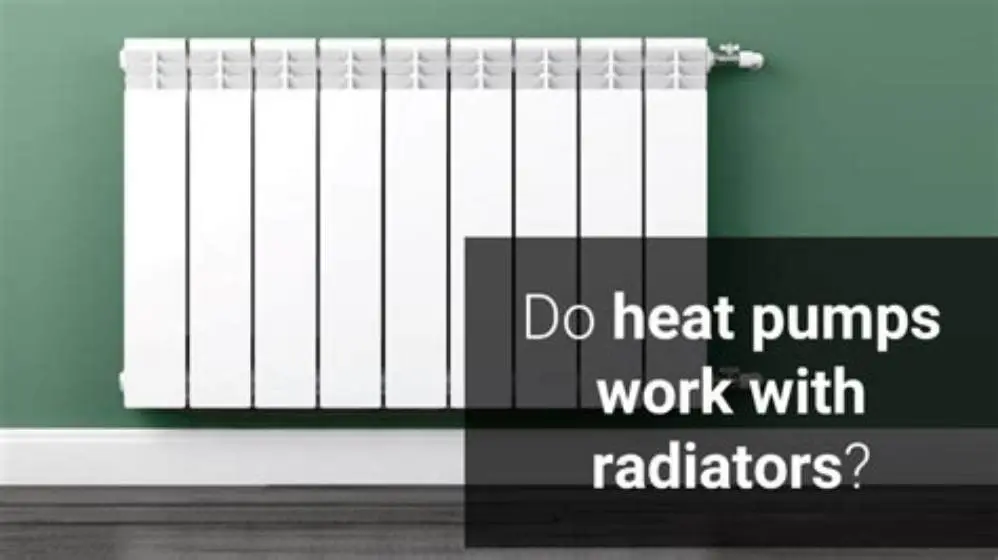
Check your old radiators’ flow temperature and heat output to decide if a heat pump fits your home or if upgrades are required.
Old radiators usually deliver 70-80°C flow temperature but need 45-55°C from heat pumps. You must check radiator size and output; often larger radiators or lower flow settings are needed for compatibility.
On this page
- The short version
- What flow temperature old radiators typically achieve
- How radiator output affects heat pump efficiency
- Measurements or tests to confirm compatibility
- Possible radiator upgrades needed for heat pump fit
- Will a heat pump fit my house with old radiators
- How to use grants and funding to upgrade radiators and install heat pumps
- Questions people still ask
Part of our guide on optimizing home heating costs
Check your old radiators’ flow temperature and heat output to see if a heat pump will keep your home warm and efficient.
| Old radiator flow temp | 70-80°C |
|---|---|
| Heat pump flow temp | 45-55°C |
| Radiator size increase | 10-40% typical |
| Minimum output per radiator | depends on room size |
| Check with heat meter | recommended |
The short version
- Old radiators often run at 70-80°C flow temperature.
- Heat pumps require lower flow temperatures, around 45-55°C.
- Radiator output must match heat pump capacity to maintain warmth.
- Larger or additional radiators may be needed to compensate.
- Measuring flow temperature and heat output determines fit.
What flow temperature old radiators typically achieve
Most old radiators in UK homes operate with flow temperatures between 70 and 80 degrees Celsius. This high temperature suits traditional gas boilers but not heat pumps designed for lower temperatures.
The flow temperature depends on the boiler type, pipe layout, and thermostat settings. Cast iron radiators and steel panel radiators often rely on these higher temperatures to emit enough heat.
Heat pumps usually deliver water at 45 to 55 degrees Celsius for optimal efficiency. Old radiators designed for 75°C flow may not provide enough warmth at these lower temperatures.
You can measure your radiator’s flow temperature with an infrared thermometer or thermal imaging camera during heating operation. This measurement helps to assess compatibility. We go through selecting heat pump for 1500 square feet step by step elsewhere on the site.
Older radiator systems often operate on a design temperature difference (ΔT) of about 50°C between flow and return water, such as 75°C flow and 25°C return. Heat pumps usually produce a smaller ΔT of 30°C or less, for example, 45°C flow and 15°C return. This means the radiators get less hot water, which reduces their heat output.
Some old radiator setups include oversized radiators that can partially compensate for lower flow temperatures. For example, a large cast iron radiator designed for 75°C flow may still provide reasonable heat at 55°C, but the room temperature will likely drop by 1-2°C unless the radiator is bigger or more radiators are added.

Etekcity Infrared Thermometer Laser Temperature Gun 774
Measures surface temperature from -58°F to 842°F with accuracy suitable for checking radiator flow temperature within ±1°C.
How radiator output affects heat pump efficiency
Radiator output is measured in watts and depends on size, type, and design temperature difference between water and room air. Old radiators sized for 75°C flow produce less heat when fed with 45-55°C from a heat pump. Before you commit to anything, it is worth looking at water pump high pressure low flow.
Lower flow temperatures reduce heat output by up to 40%, forcing the heat pump to work harder or the home to feel cooler. This reduces the system's overall efficiency and comfort.
To maintain efficiency, radiator output must meet or exceed the heat loss of the room at the heat pump’s flow temperature. Otherwise, the heat pump will cycle more or supplement with electric heating.
Testing radiator output involves measuring its surface area, then using manufacturer data or heat output calculators tailored to flow and return temperatures. There is more on gas boiler and hybrid heat pump in a separate guide.
Radiator output falls roughly linearly with flow temperature. For example, a radiator producing 2000W at 75°C flow might deliver only 1200W at 50°C flow: about 40% less heat. This drop forces either a bigger radiator or a heat pump running at higher power.
Heat pumps achieve their best efficiency at lower flow temperatures, around 35-45°C. If radiators require 55°C or more to keep rooms warm, the heat pump uses more electricity. The efficiency drop can increase running costs by 10-20%.
If radiators cannot match the heat loss of the room at the heat pump’s flow temperature, the system may cycle frequently or use electric resistance heaters as backup. Frequent cycling wears equipment faster and raises bills. For the detail, see our notes on heat pump with old oil boiler backup.
Measurements or tests to confirm compatibility
Confirm compatibility by measuring your radiators’ heat output at lower flow temperatures. Use a heat meter or calculate heat output from flow rate and temperature difference across the radiator.
You need these measurements: radiator surface area, flow and return water temperatures, and room size heat loss. Combining these lets you estimate if the radiator will work with a heat pump.
Perform a simple test: measure inlet and outlet water temperatures on a radiator and the water flow volume. Calculate heat output in watts using this formula: output (W) = flow (kg/s) × specific heat capacity × temperature difference (°C). We go through installing heating controls step by step elsewhere on the site.
If output is insufficient, note that upgrading or replacing radiators is necessary to keep your home warm with a heat pump.
A practical test is to run the heating system at the heat pump’s target flow temperature, say 50°C, and measure room temperature stability. If rooms fail to reach comfortable levels or take too long to warm, radiators may be undersized.
You can also measure the radiator surface temperature during operation. Surface temps below 40°C often indicate low heat output or poor flow, signaling a need for radiator upgrade. People in this spot often ask about heat pump starts and stops frequently as well.
Another useful check is the room's heat loss calculation, which considers walls, windows, and insulation. Compare this to the radiator’s calculated output at heat pump temperatures. If the radiator output is less, the room won’t reach the desired temperature effectively.
- Use a flow meter or estimate flow rate of water through radiator.
- Measure radiator inlet and outlet temperatures with a thermometer.
- Calculate temperature difference (ΔT) between inlet and outlet.
- Compute heat output using formula: output = flow × 4.18 kJ/kg°C × ΔT × 1000 (to watts).
- Compare output to room heat loss to check sufficiency.
Possible radiator upgrades needed for heat pump fit
If your old radiators cannot provide enough heat at 45-55°C, they must be upgraded. Common upgrades include installing larger panels, adding convector fins, or fitting additional radiators.
Increasing radiator size by 10-40% compensates for lower flow temperatures. This upgrade maintains room warmth and improves heat pump efficiency.
Replacing cast iron radiators with modern aluminium or steel panel radiators can improve heat transfer. These often have higher outputs at lower temperatures.
Consider adding thermostatic radiator valves to control heat delivery better, reducing wasted energy and improving comfort.
These upgrades usually justify the cost by enabling a more efficient heat pump operation and qualifying for grants like the Boiler Upgrade Scheme.
Adding convector fins to old panel radiators can increase heat output by 15-25% without replacing the entire unit. This option suits homes with limited space or heritage radiators.
In some cases, installing underfloor heating alongside existing radiators provides a low-temperature heat source that complements the heat pump. Underfloor heating can run at 35-40°C, improving comfort and efficiency.
For very old or inefficient radiators, replacing them entirely with larger modern panels designed for low-temperature operation can increase output by up to 50%, enabling full heat pump integration without extra electric heating.
Will a heat pump fit my house with old radiators
Old radiators often need checking to confirm fit with heat pumps. The key is whether they can provide enough heat at the heat pump's lower flow temperature, usually 45-55°C.
If your radiators are small or designed exclusively for 70+°C flow, they likely won't warm the home adequately without upgrades.
Measuring your radiators’ heat output at typical heat pump flow temperatures decides fit. Insufficient output means upsizing radiators or adding more is necessary.
You also need to check your home's insulation and heat loss profile. Poorly insulated homes may require larger radiators or supplementary heating to make a heat pump viable.
In many UK homes, retrofitting with larger or more efficient radiators is the trade-off accepted for lower energy bills and better EPC ratings from heat pumps.
Homes with solid wall construction or poor insulation may not suit heat pumps with old radiators without significant upgrades. For example, a 1920s brick house with single glazing often loses over 150 W/m², requiring much larger radiators or insulation improvements.
If you find your radiators only produce 800W at heat pump temperatures but the room heat loss is 1200W, the radiator is too small. You’d need a radiator 50% larger or supplementary heating to avoid discomfort.
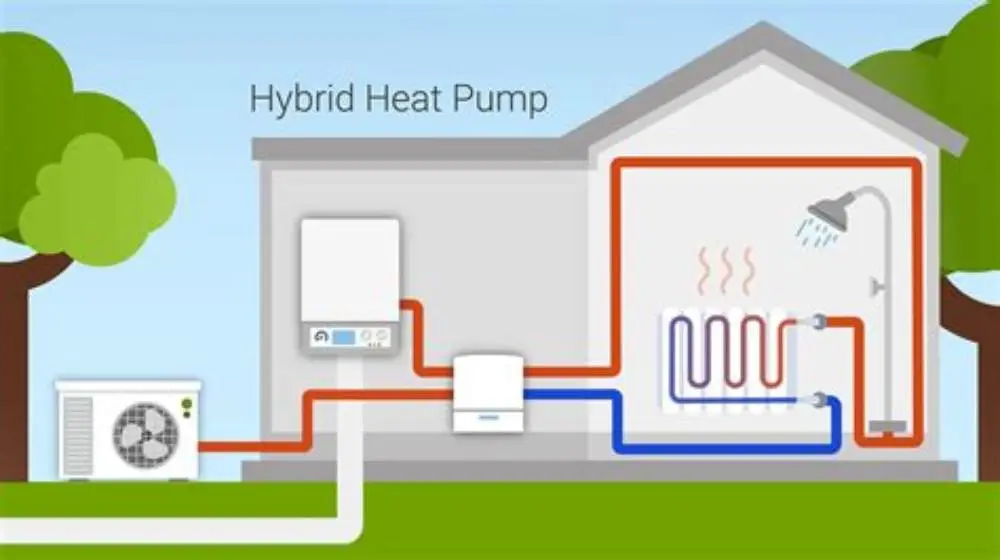
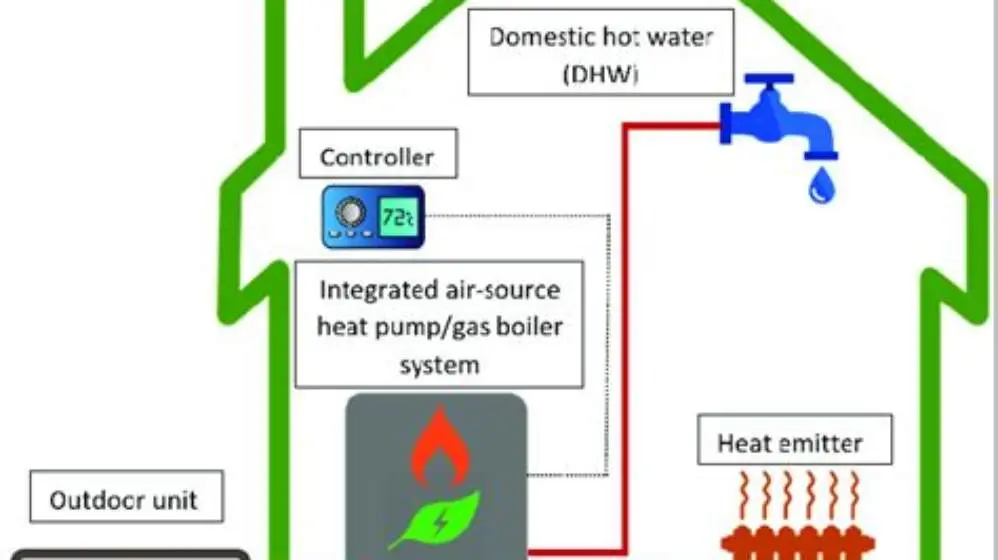
Heat pump suppliers sometimes offer hybrid systems, combining heat pumps with gas boilers, to cover peak heating demand when radiators can’t keep up. This compromises carbon savings but maintains comfort.
How to use grants and funding to upgrade radiators and install heat pumps
UK schemes like the Boiler Upgrade Scheme and ECO4 offer grants that can help cover heat pump installation and radiator upgrades.
Eligibility depends on EPC ratings, income level, and property type. Upgrading to heat pumps with appropriate radiator sizing often improves EPCs.
Typical grants offset 20-35% of installation costs, easing the financial burden of buying new radiators or more powerful heat pumps.
Check your eligibility through official government portals and consult accredited installers who can provide quotes aligning with grant requirements.
Planning upgrades with grants in mind ensures you don't miss savings and that your system is efficient and compliant with green home targets.
Some grants require upgrading radiators to low-temperature types before funding heat pump installation. For instance, the Boiler Upgrade Scheme expects the overall heating system to be efficient, which includes radiator suitability.
When applying for grants, provide detailed heat loss assessments and radiator output calculations. This documentation supports your case and avoids delays or rejection.
The timing of radiator upgrades matters. Coordinating radiator replacement with heat pump installation reduces labor costs and allows installers to optimize pipework for lower flow temperatures.
- Boiler Upgrade Scheme: grants for heat pump and heating system upgrades.
- ECO4: targets low-income homes for insulation and heating improvements.
- Warm Homes Plan: supports energy efficiency and fuel poverty reduction.
- Check your EPC rating to see grant eligibility thresholds.
Old radiators often need upgrades to fit heat pumps, but measuring flow temperatures and output reveals if you can avoid costly replacements.
Questions people still ask
Can old radiators work efficiently with modern heat pumps?
Usually not without modification. Old radiators designed for 70-80°C flow deliver less heat at heat pump temperatures (45-55°C). Upgrading size or type is often needed.
How do I measure if my radiator suits a heat pump?
Measure flow and return water temperatures and water flow through the radiator. Calculate heat output and compare with room heat loss.
What happens if radiators are too small for a heat pump?
The home feels cold, and the heat pump runs inefficiently or supplements with electric heating, increasing bills.
Are there grants to help upgrade radiators for heat pumps?
Yes, UK schemes like the Boiler Upgrade Scheme and ECO4 can fund installation and radiator upgrades when eligibility criteria are met.
What type of radiator suits low-temperature heat pumps best?
Modern aluminium or steel panel radiators with convector fins perform better at lower temperatures and are often recommended.