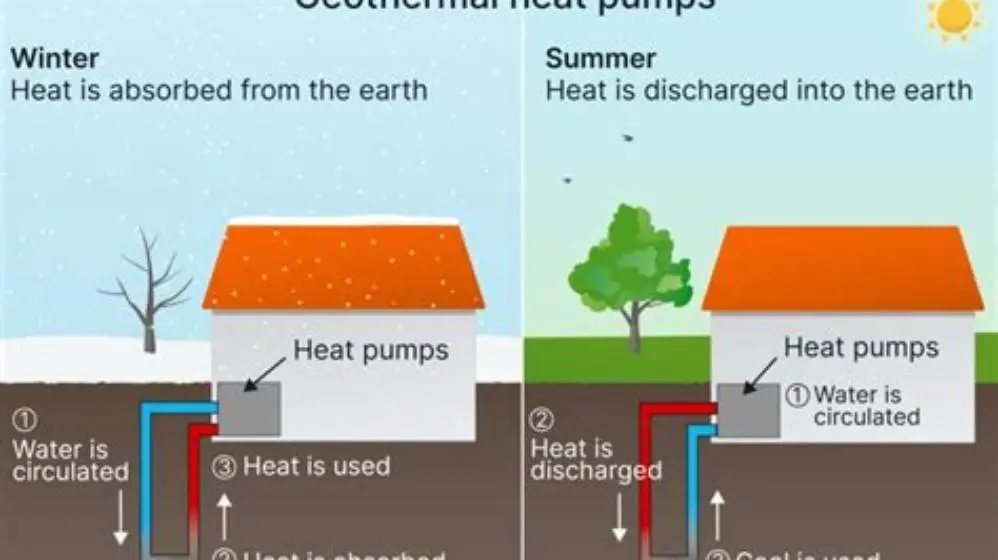
Explore the three concrete barriers—cost, site constraints, and installation complexity—that limit geothermal heat pump adoption in homes.
Geothermal heat pumps remain uncommon mainly because they cost 30-50% more upfront than air-source pumps, require suitable land and soil to install underground loops, and involve complex, disruptive installations that many homeowners avoid.
On this page
- Key takeaways
- Why geothermal heat pumps cost more than alternatives
- How site and soil conditions limit geothermal heat pump suitability
- Installation complexity and disruption from geothermal heat pumps
- Why aren’t geothermal heat pumps more common
- What grants and incentives apply to geothermal heat pumps
- How to decide if a geothermal heat pump fits your home
- Questions people still ask
Part of our guide on optimizing home heating costs
| Typical cost premium | 30-50% higher |
|---|---|
| Loop trench length | 100-400 meters |
| Suitable soil type | loam, sand preferred |
| Installation disruption | weeks to a month |
| Typical system lifespan | 20-25 years |
Key takeaways
- Initial cost often exceeds alternatives by 30-50%
- Requires sufficient outdoor space with suitable soil
- Installation is disruptive and needs specialized contractors
- Site testing is essential before considering installation
- Grants can reduce cost but don’t remove site challenges
Why geothermal heat pumps cost more than alternatives
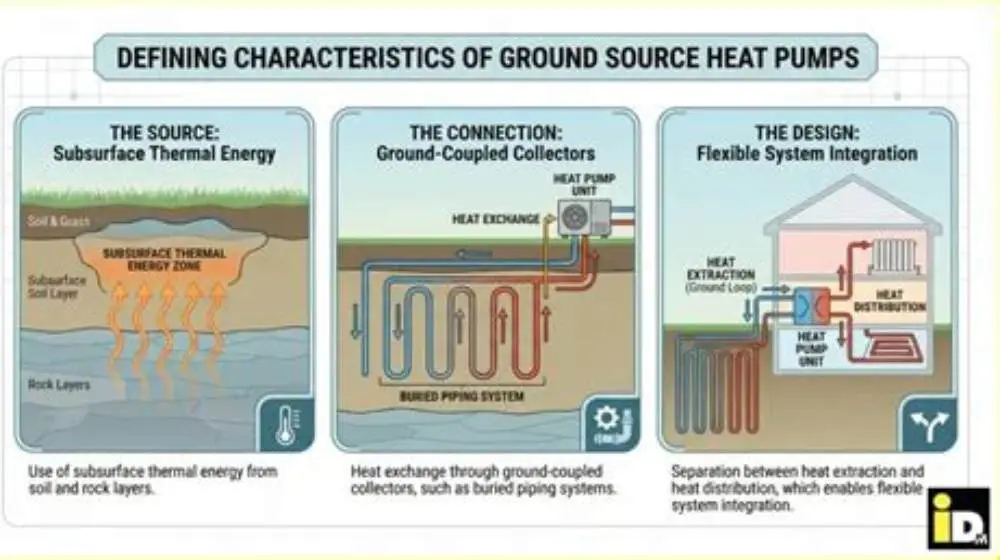
Geothermal heat pumps typically cost 30-50% more upfront compared to air-source heat pumps or conventional boilers. This premium largely stems from the expensive ground loop system that must be installed underground. Depending on the size of your home and climate, you might need 100-400 meters of pipe buried horizontally or a deep borehole drilled vertically. Both options involve costly excavation or drilling work.
Besides groundworks, the heat pump unit itself is similar in price to an air-source type. The main cost driver is the ground loop installation, which requires specialized contractors and equipment. Longer loops needed for larger homes or poorer soils push costs higher. You also need to factor in site preparation and restoration after underground work.
The higher upfront cost delays payback despite geothermal’s lower running costs. However, grants and incentives sometimes reduce initial expenses, but availability varies by location and often has strict eligibility criteria.
- lower running costs
- long system lifespan
- high upfront cost
- specialized installation required
How site and soil conditions limit geothermal heat pump suitability
Not every property can accommodate the underground loop essential to geothermal heat pumps. Horizontal loops usually require at least 200-400 square meters of open outdoor space with soil types like sand or loam for good heat transfer. Rocky, clay-heavy, or very dry soils reduce efficiency or increase installation cost. We cover how deep ground source heat pump in its own article.
Vertical borehole loops need far less surface area but require drilling 50-150 meters deep per borehole, which is not feasible in dense urban areas or where underground obstacles like utilities exist. You must also consider local planning regulations and protected land restrictions.
To verify site suitability, a soil thermal conductivity test and a ground survey should be done by a specialist. These tests measure the soil’s heat transfer capability and check physical space constraints. Without this, installation risks underperformance or costly redesign later.
Beyond soil and space constraints, groundwater levels can also affect geothermal heat pump installation. High water tables may complicate horizontal loop installation by increasing excavation difficulty and risk of flooding during works, while very dry soils reduce heat transfer efficiency and may require longer loops to compensate. For example, a site with sandy loam soil and a stable water table at 1.5 meters depth typically offers optimal conditions, whereas clay soils with fluctuating water tables can raise installation costs by 10-20%. People in this spot often ask about ductless heat pump vs mini split as well.
Seasonal temperature variations in the ground also influence system efficiency. In colder climates, soils can freeze near the surface, which limits heat extraction during winter months and might necessitate deeper boreholes of 100-150 meters or more. Conversely, mild climates with consistently warm ground temperatures allow shallower loops, reducing drilling depth and costs. Thermal conductivity values for soils vary from about 0.5 to 3.5 W/mK, with higher values indicating better heat transfer potential.
- highly efficient if site suitable
- quiet operation
- large land area often needed
- unsuitable in rocky or urban sites
Installation complexity and disruption from geothermal heat pumps
Installing a geothermal heat pump is significantly more complex and disruptive than fitting an air-source heat pump or boiler. Excavation for horizontal loops disturbs gardens and landscaping for weeks, while borehole drilling requires heavy machinery and specialist crews.
The project usually takes several days to weeks, depending on site size and method. Planning and coordinating access for equipment add to delays. Post-installation, the ground must be restored, which may require replanting and landscaping. People in this spot often ask about heat pumps providing hot water as well.
If your home is retrofitted, integrating the geothermal system with existing heating circuits and controls can be tricky. This requires experienced installers to avoid performance issues. In short, installation complexity often deters homeowners unwilling to tolerate disruption or high contractor fees.
Installation complexity is compounded by the need to carefully plan loop layout to optimize heat exchange and avoid damaging underground utilities or structures. Surveying for hidden pipes, cables, or septic tanks is essential before excavation to prevent costly accidents and delays. In urban or older neighborhoods, this can mean extensive pre-installation investigation and coordination with utility companies.
Unexpected site conditions can cause additional disruption and expense during installation. For instance, hitting bedrock or encountering groundwater while drilling vertical boreholes may require change of plans or specialized drilling techniques, pushing timelines from a few days to multiple weeks. These issues often only become apparent after work begins, adding uncertainty and risk for homeowners. We cover apply for biomass boiler grant in its own article.
- stable heating source
- low maintenance once installed
- disruptive installation
- requires specialist skills
Why aren’t geothermal heat pumps more common
The three main barriers—cost, site suitability, and installation complexity—combine to limit geothermal heat pump adoption in homes. Most homeowners find the initial 30-50% cost premium prohibitive without strong grants. Many properties simply lack the outdoor space or suitable soil for loops. Finally, the disruption and specialized work involved discourage casual buyers.
Air-source heat pumps meet many homeowners' needs at lower upfront cost, with simpler installation and fewer site constraints. Though geothermal offers better long-term efficiency and lower running costs, the barriers prevent widespread use.
If you want a geothermal heat pump, start by assessing your site with a soil conductivity test and consult installers about expected costs and disruption. This upfront research is crucial before committing to a system that might not fit your home.
Perception also plays a role in geothermal heat pump adoption rates. Many homeowners are unfamiliar with the technology and hesitate to invest in systems they see as complex or unproven locally. This lack of awareness means fewer recommendations from neighbors or local installers, perpetuating low demand and limited market growth.
Additionally, upfront cost concerns are magnified by the longer payback period compared to air-source heat pumps. For example, while a geothermal system may save 30-60% on heating bills, the initial investment can take 10-15 years to recoup depending on energy prices and system efficiency. This payback timeline is longer than many homeowners are willing to accept, especially when moving or selling the property within a shorter timeframe.
| Aspect | Geothermal Heat Pump | Air-Source Heat Pump |
|---|---|---|
| Upfront cost | 30-50% higher | Lower |
| Installation complexity | High (groundworks needed) | Low (mount on wall) |
| Site requirements | Large land or drilling needed | Minimal |
| Running cost efficiency | Higher | Moderate |
| Installation disruption | Weeks of excavation | Days or less |
What grants and incentives apply to geothermal heat pumps
Many governments and local authorities offer grants to reduce the upfront cost of geothermal heat pumps. These incentives can cover 20-40% of installation expenses but often require meeting energy efficiency standards and using certified installers.
The availability and size of grants vary by region and change frequently. You should check your local energy authority or government websites for current schemes. Combining grants with financing options can make geothermal pumps more affordable but doesn’t eliminate site and installation barriers.
Also, some grants require pre-installation energy audits or paperwork that adds to the process. Ensure you understand eligibility and conditions beforehand to avoid surprises.
How to decide if a geothermal heat pump fits your home
Follow this sequence to determine geothermal suitability: 1) Evaluate your outdoor space for loop installation—do you have at least 200 square meters of suitable soil? 2) Arrange a soil thermal conductivity test via a qualified company to confirm heat transfer capability. 3) Obtain multiple quotes including groundworks and installation from specialist contractors.
Consider the disruption: will you accept weeks of garden excavation? 4) Check available grants and financial incentives to offset the higher upfront cost. 5) Assess your current heating system—geothermal pairs best with low-temperature heating like underfloor heating.
Only if these steps confirm cost-effective installation and acceptable disruption should you proceed. Otherwise, an air-source heat pump might be a better fit.
- Measure your available outdoor space and soil type.
- Commission a soil thermal conductivity test.
- Solicit detailed quotes including ground loop installation.
- Investigate local grants and financial incentives.
- Review your home's heating system compatibility.
Questions people still ask
Can geothermal heat pumps work in small urban gardens?
Small gardens usually lack enough space for horizontal loops. Vertical boreholes might be possible but depend on drilling feasibility and local regulations.
How long does it take to install a geothermal heat pump?
Installation typically takes several days to weeks, depending on site conditions and loop type, with additional time to restore landscaping.
Are geothermal heat pumps suitable for retrofit homes?
They can be but require professional integration with existing heating systems and acceptance of substantial installation disruption.
Do grants cover the entire cost of geothermal heat pumps?
Grants usually cover a portion, often 20-40%, but not the full cost. Eligibility criteria and paperwork also apply.
What maintenance do geothermal heat pumps need?
They generally need low maintenance, mostly checking fluid levels and periodic system inspections every few years.