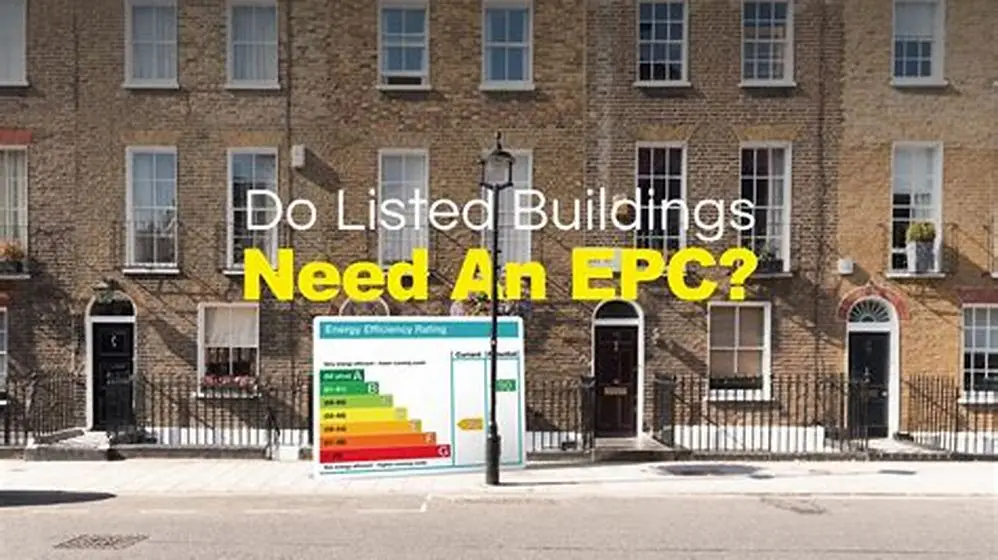
This page states clearly if listed buildings must have an EPC and how to check their exemption status legally.
Listed buildings are usually exempt from needing an EPC if the improvements required would harm their character. This exemption depends on planning authority approval and a formal assessment.
On this page
- The short version
- Do listed buildings need an EPC
- Are listed buildings exempt from EPC
- How to check if a listed building qualifies for EPC exemption
- What types of works affect listed building EPC exemption
- The impact of EPC exemption on green grants and funding
- Are listed buildings exempt from EPC rating
- Questions people still ask
Part of our guide on raise EPC rating to C
Clarify when listed buildings must have an EPC and how to confirm exemptions under UK heritage and energy laws.
| EPC exemption | Conditional |
|---|---|
| Exemption basis | Harm to heritage |
| Check exemption | Local authority |
| EPC required if | No character harm |
| EPC validity | 10 years |
The short version
- Listed buildings can be exempt from EPC if works harm historic character
- Exemption requires confirmation from the local planning authority
- You must check the EPC exemption register to confirm status
- EPCs remain required if no harm to heritage fabric is found
- Knowing exemption status affects eligibility for energy-saving grants
Do listed buildings need an EPC
Most buildings in the UK require an Energy Performance Certificate (EPC) when sold or rented. This includes many residential and commercial properties. However, listed buildings face special rules due to their historic or architectural importance.
Listed buildings need an EPC unless they qualify for an exemption. This exemption applies when recommended energy works would damage the building's special historic or architectural features. The assessment balances energy efficiency gains against preserving heritage.
When an EPC is required, it remains valid for 10 years and influences buyers or tenants. For listed buildings, the EPC may recommend fewer or no upgrades if they would harm the building's character. This affects planning and grant eligibility.
Are listed buildings exempt from EPC
Listed buildings are exempt from EPC requirements if the energy improvement works required would unacceptably alter or damage their character. This exemption is defined in UK regulations and applies only after expert evaluation. Before you commit to anything, it is worth looking at step-by-step EPC check.
The exemption does not apply automatically. It depends on whether recommended works affect the building's special features. If the improvements can be made without significant harm, an EPC must be provided.
Local planning authorities and heritage experts assess whether the exemption applies. They consider the building's listed grade, fabric condition, and potential impacts of energy upgrades like insulation or double glazing.

World Heritage and Climate Change: Impacts and Adaptation
No evaluation of impact on historic fabric published to support exemption applications
How to check if a listed building qualifies for EPC exemption
To confirm if a listed building is exempt from EPC, start by contacting the local planning authority. They hold records on the building’s status and any exemptions granted. The other half of this decision is what defines good EPC rating.
You can also check the EPC exemption register online, which lists buildings and premises exempt from EPC requirements along with the legal basis for exemptions.
If the exemption is unclear, a heritage or energy consultant can assess the building and recommend whether EPC works harm its character. This report supports applications for exemption.
Obtaining formal confirmation in writing from the planning authority is critical to avoid legal penalties. Without this, you must provide an EPC when selling or renting. Before you commit to anything, it is worth looking at landlord rules for EPC C.
- Contact your local planning authority to ask about your building’s EPC exemption status
- Search the EPC exemption register on the government website for your property
- Get a heritage or energy consultant’s assessment if necessary
- Request formal exemption confirmation in writing from the local authority
What types of works affect listed building EPC exemption
Key works that impact exemption status include installing cavity wall insulation, external wall insulation, replacement windows, and loft insulation. These can alter original materials or appearance.
If energy upgrades can be done internally without affecting historic fabric, the building may still require an EPC. The crux is whether the work harms protected features.
Some traditional materials like lime plaster or single-glazed timber windows must be preserved. Replacing these with modern alternatives might trigger the need for an EPC or block exemption. We cover does a heat pump improve your epc rating in its own article.
Balancing energy efficiency with heritage protection requires specialist advice. Incorrect upgrades can lead to denial of exemptions or expensive remediation later.
- Cavity wall insulation: likely impacts, may cause exemption
- External wall insulation: usually harms heritage features
- Window replacement: risks altering character and exemption
- Loft insulation: less invasive, may still affect exemption
The impact of EPC exemption on green grants and funding
EPC exemptions for listed buildings affect eligibility for energy-saving grants like ECO4 or Boiler Upgrade Scheme. Many schemes require a valid EPC or minimum EPC rating.
If a listed building is exempt, it may miss out on these grants or need alternative assessment routes. Some programmes allow heritage-friendly measures based on specialist surveys instead of EPC scores.
Understanding exemption status early helps you plan retrofit works or claim grants. Applying without an EPC or exemption confirmation risks rejection or delays.
Grant advisors and heritage consultants can clarify your options based on exemption status and conservation rules.
Are listed buildings exempt from EPC rating
The short answer is: listed buildings can be exempt from EPC rating if the energy improvements recommended would damage their historic or architectural character. This exemption is legal and conditional.
The requirement to produce an EPC depends on whether the recommended improvements harm protected building fabric. If harm is likely, exemption applies and no EPC rating is issued.
Verifying exemption involves contacting the local planning authority, checking the EPC exemption register, and possibly commissioning a heritage impact assessment.
If no exemption applies, the listed building must have an EPC before sale or letting, just like non-listed properties.
| Condition | Exemption applies if… | EPC required if… |
|---|---|---|
| Energy works harm character | Yes | No |
| Energy works preserve character | No | Yes |
| Formal exemption confirmed | Yes | No |
| No exemption confirmation | No | Yes |
Questions people still ask
Can a listed building owner be fined for not having an EPC?
Yes, if the building requires an EPC and does not have one when sold or rented, the owner can face fines. An exemption must be formally confirmed to avoid penalties.
Does EPC exemption mean no energy improvements should be done?
Not necessarily. It means recommended improvements that would harm the building's character are exempt, but some internal or sympathetic upgrades may still be possible.
How long does an EPC last if required for a listed building?
An EPC lasts for 10 years from issue, the same as for other buildings, unless major renovations require a new assessment.
Who issues the EPC for a listed building if not exempt?
A qualified Domestic Energy Assessor or Non-Domestic Energy Assessor produces the EPC, following standard procedures regardless of listing status.
Can I challenge a refusal of EPC exemption for my listed building?
Yes, you can appeal the decision through local authority channels or seek a specialist heritage assessment to support your case.