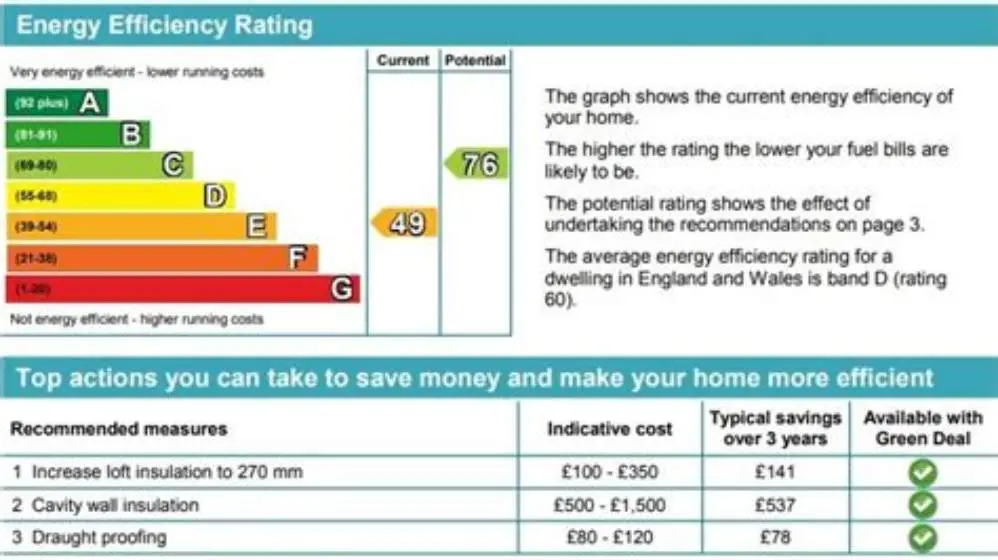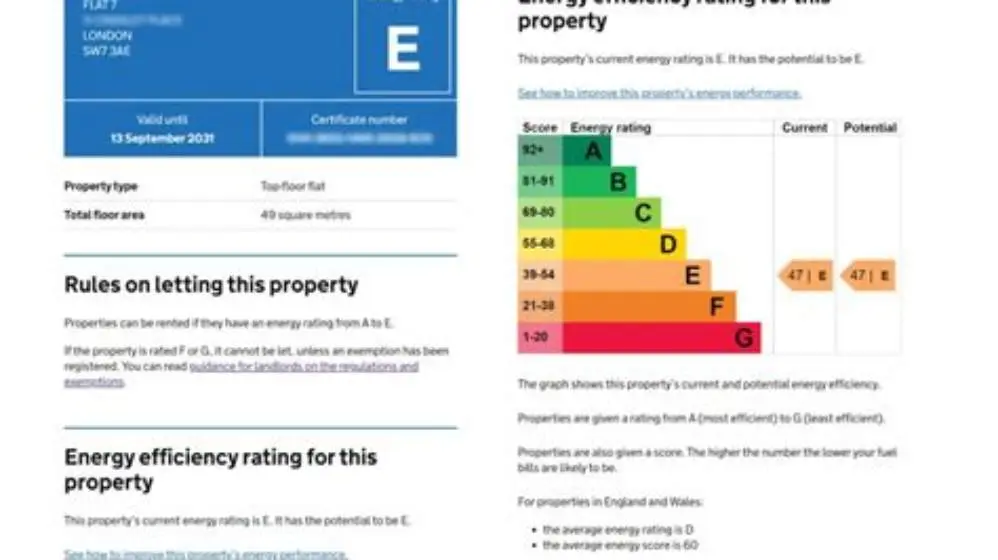
A new-build EPC is a SAP model, not a meter reading from your home. The result depends on the inputs submitted by the assessor, including insulation, air permeability, heat pump data, controls and hot-water equipment. Check the evidence behind those entries before accepting a low rating.
On this page
- Quick recap
- How the EPC and SAP calculation work
- Check the exact lines behind the score
- Why a heat pump can receive a lower SAP result
- Check the heat-pump inputs in the SAP worksheet
- Check the SAP version before comparing values
- Send the assessor an ordered correction request
- Email template for the assessor
- Who can amend an as-built EPC
- Check grants, mortgage effects and EPC band boundaries
- What to do before you list or complete
- Quick questions
Part of our guide on how epc ratings are calculated
Quick facts
- EPC bands
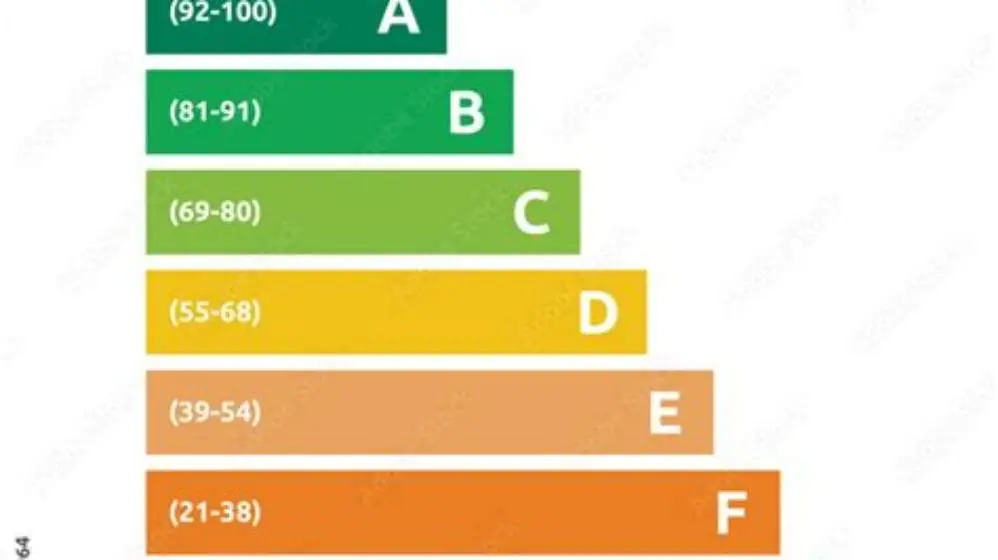
- Check the current official band boundaries for your country and assessment date.
- SAP version
- Find the version and national variant in the EPC or full SAP calculation.
- Heat pump efficiency
- Compare the SAP input with the installed unit's declared seasonal performance.
- Air permeability
- Compare the SAP entry with the final pressure-test certificate.
- Reassessment cost
- Get written quotes. Price depends on location, property size and site-visit requirements.
- Grant support
- Check current government scheme pages for amounts, eligibility and application rules.
- Public EPC data
- The register shows the certificate summary, not usually the complete SAP worksheet.
Quick recap
- Your EPC records a modelled energy assessment, not your home's measured running performance.
- Check the SAP version, national variant, air-permeability result, heat pump SCOP, design flow temperature and heating controls.
- Ask for the full as-built SAP worksheet, not just the public EPC summary.
- Send the assessor documented corrections and request a sensitivity re-calculation for each one.
- The developer or accredited assessor must usually handle an amended as-built EPC. Confirm the process with the scheme administrator or official EPC guidance.
How the EPC and SAP calculation work
The as-built EPC comes from the Standard Assessment Procedure, known as SAP in England and Wales. Scotland and Northern Ireland use their own arrangements, so the national variant matters. Your certificate or supporting calculation should identify the software, SAP edition and assessment date.
An assessor enters the home's construction, insulation, windows, ventilation, heating, hot water and renewables. SAP then applies standard assumptions and produces an energy score, emissions result and EPC band. It does not use your electricity meter, room temperature or actual heat-pump performance.
That distinction matters. A well-performing home can receive a weaker rating if the worksheet contains missing, generic or conservative inputs. The public EPC register gives you the certificate details and recommendations, but the full input worksheet usually comes from the developer or assessor.
Check the exact lines behind the score
Ask for the full as-built SAP calculation and look for labels such as air permeability, ventilation, space-heating system, heat-source type, seasonal efficiency or SCOP, design flow temperature, emitter type, heating controls, cylinder loss and photovoltaic generation. For the detail, see our notes on epc change after adding insulated hot water tank.
Check the construction entries too. Look for wall, roof and floor U-values, window U-values, thermal bridges and heated floor area. Compare those lines with the plans, specification and product certificates.
The wording and codes vary between SAP software packages. Quote the exact field name, value and unit from your worksheet. Do not rely on a general EPC recommendation page.
Why a heat pump can receive a lower SAP result
SAP uses standard inputs where evidence is absent or the selected software does not accept a more detailed value. That does not prove the installed system performs poorly. It means the calculation used the information available to the assessor. For the detail, see our notes on heat pump epc rating improvement.
Air permeability is one example. SAP guidance includes default untested values, and those values can be higher than a good measured pressure-test result. Check the exact air-permeability value used in your worksheet, then compare it with the final test certificate. Do not assume a particular default applies to every dwelling or SAP edition.
Heat-pump efficiency can also use a default value. SAP defaults may be conservative and lower than the manufacturer's declared seasonal performance for the installed unit. Ask the assessor whether the worksheet used the unit's declared SCOP, an approved product entry or a default. Check the SAP version because it controls permitted input values and product data.
Flow temperature, emitters and controls affect the result together. A design with underfloor heating or suitably sized radiators can support a lower flow temperature than a boiler-sized radiator layout. Weather compensation, room thermostats and zoning may also affect the control entry. There is more on epc effect of replacing oil boiler with lpg in a separate guide.
Hot water equipment adds another input. Check the cylinder type, insulation, standing loss, immersion-heater arrangement and location. Compare those entries with the cylinder label, datasheet and installation specification.
- Air permeability: compare the worksheet value with the final pressure-test certificate.
- SCOP: compare the SAP entry with the manufacturer's declared seasonal performance for the installed model.
- SAP version: check whether the software permits the product data you supplied.
- Flow temperature: compare the design entry with the emitter and heat-loss design.
- Controls: check weather compensation, thermostats, zoning and time controls.
- Hot water: check the cylinder model, standing loss and installation location.
Check the heat-pump inputs in the SAP worksheet
Find the section for space heating or main heating system. Record the manufacturer, model, heat-source type, heat-distribution system, design flow temperature and efficiency value. Take a screenshot or copy the complete line into your email.
Find the manufacturer's technical data for the exact installed model. Look for declared seasonal efficiency or SCOP, the test conditions, climate reference and flow-temperature conditions. A headline figure from a sales brochure may not match the value SAP accepts. We go through how to check the epc rating of a property step by step elsewhere on the site.
Ask the assessor to explain any difference in writing. The assessor may need an approved product reference, a manufacturer certificate or evidence accepted by the current SAP guidance. The installer can help identify the correct model, but the accredited assessor remains responsible for the EPC entry.
Check the controls section separately. Ask whether weather compensation, load compensation, smart controls, room thermostats and separate hot-water controls were recorded. Supply the installation or commissioning sheet rather than relying on a verbal description.
| SAP field or item | What to compare | Useful evidence |
|---|---|---|
| Air permeability | Worksheet value and test status | Final pressure-test certificate |
| Heat pump | Manufacturer, model and heat-source entry | Commissioning sheet and unit label |
| Seasonal efficiency or SCOP | Value, test condition and permitted input route | Manufacturer technical datasheet |
| Design flow temperature | Temperature used in the calculation | Heat-loss design and emitter schedule |
| Heating controls | Control type and zoning | Controls specification and commissioning record |
| Hot water cylinder | Model, standing loss and location | Cylinder datasheet and installation photographs |
Check the SAP version before comparing values
The correct comparison depends on the SAP edition, software release and national variant. Find these details on the EPC, calculation printout or assessor's software report. The assessment date also matters because guidance and approved product databases change. There is more on which epc bands qualify for support in a separate guide.
Ask the assessor which guidance table or product database supplied each disputed value. A value accepted in one SAP edition may not be accepted in another. The current government SAP pages or national EPC guidance should settle which rules apply.
Send the assessor an ordered correction request
Gather the EPC certificate, full SAP worksheet, as-built specification, pressure-test certificate, heat-pump datasheet, commissioning sheet and controls schedule. Mark each disputed line with its page number, field name, current value and proposed evidence.
Ask for a sensitivity re-calculation rather than a promised points increase. The assessor should show the score and band using the original inputs, then show the result after each documented correction. Request the output in writing, even if the correction does not change the band.
Use this checklist in your email:
- Confirm the EPC certificate number, assessment date, SAP edition, software version and national variant.
- Quote the worksheet's air-permeability value and attach the final pressure-test certificate.
- Quote the heat-pump manufacturer, model, efficiency or SCOP value and design flow temperature.
- Attach the manufacturer's declared seasonal-performance data for the installed unit.
- Confirm the emitter type, heating controls, weather compensation and zoning entries.
- Check the cylinder model, standing loss and location against the installation documents.
- Ask which inputs came from defaults, and request the reason for each default.
- Request a written sensitivity re-calculation for each correction separately and together.
- Ask who will submit any amended EPC and when the revised certificate will appear on the register.
Email template for the assessor
Subject: Request to review as-built EPC inputs for [address]
Please review certificate [number] and provide the full as-built SAP worksheet, including the SAP edition, software version and national variant. The worksheet appears to contain the following entries: air permeability [value], heat-pump efficiency or SCOP [value], design flow temperature [value], controls [value] and cylinder data [value].
I attach the pressure-test certificate, heat-pump technical data, commissioning record, controls schedule and cylinder information. Please confirm which evidence SAP accepts, identify any default values used, and explain why they were selected.
Please run a sensitivity re-calculation for each documented correction and provide the revised score, band and input list in writing. If the EPC needs amendment, please confirm who is authorised to submit it and what evidence or formal lodgement process is required. Please also provide a written quote before any chargeable visit or reassessment.
Who can amend an as-built EPC
The developer normally holds the design and as-built SAP files for a new home. Ask the developer to correct construction or product information supplied in the original submission. The accredited energy assessor who lodged the EPC may be able to correct an error or issue a replacement certificate.
An independent accredited assessor can review the evidence and prepare a new assessment, but they cannot simply overwrite another assessor's certificate without following the register's rules. A site visit may be required, especially if the assessor cannot verify the dwelling or documents.
Ask the assessor or developer which formal route applies. Keep the original certificate, revised worksheet, evidence and correspondence. If the dispute remains unresolved, contact the official EPC register or accreditation scheme named in the certificate and ask about complaints, audit or certificate-replacement procedures.
Check grants, mortgage effects and EPC band boundaries
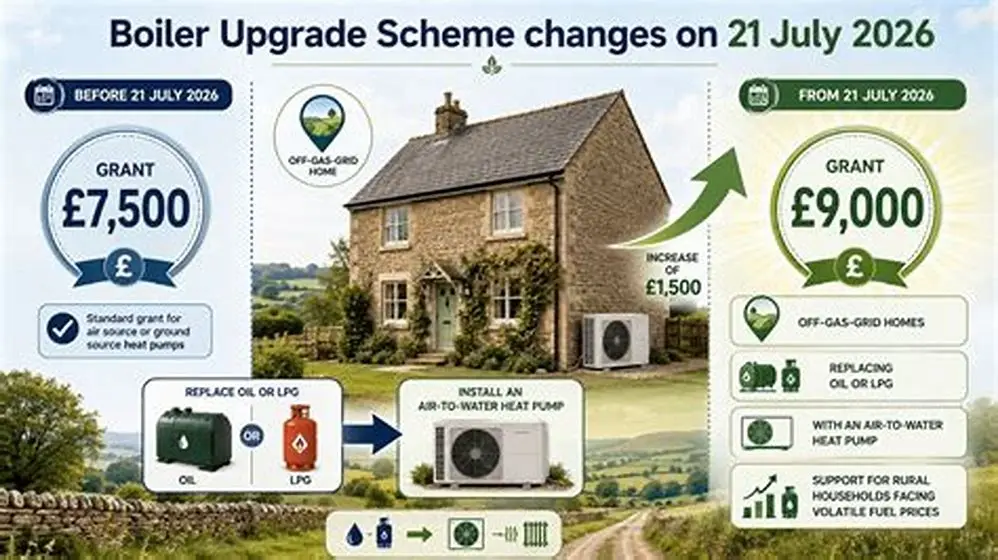
Grant rules change. Check the current government page for the Boiler Upgrade Scheme or any other scheme before relying on an amount, property condition or eligibility rule. A heat pump's EPC band is not a substitute for checking the scheme's current requirements.
ECO schemes have their own eligibility tests, which can include income, tenure, property type and EPC information. Do not treat a band alone as proof of eligibility.
EPC band boundaries can differ by jurisdiction and guidance date. Check the official EPC guidance for England, Wales, Scotland or Northern Ireland rather than relying on figures copied from an older article. Keep the assessment date with your records.
A lender or buyer may ask why a new home has a weak rating. A clear correction trail helps. Provide the original EPC, revised certificate, SAP worksheet and supporting documents together.
What to do before you list or complete
Ask for corrections while the developer and original assessor still hold the project file. Get the revised certificate or written explanation before marketing the property. If no correction is supported, explain the design and documents clearly to your broker, buyer or solicitor.
Quick questions
My new build has a heat pump but the EPC is lower than expected. Can that be right?
Yes. The rating comes from SAP inputs, not your meter reading. Check the air-permeability result, heat-pump efficiency entry, flow temperature, controls and SAP version before judging the system.
Can I replace a default SCOP with the manufacturer's figure?
Ask the assessor to check the declared seasonal performance for the exact installed model. The SAP edition and approved input rules decide which value can be used.
Who should correct a new-build EPC?
Start with the developer and the assessor who lodged the certificate. An independent accredited assessor can review the evidence, but any replacement must follow the official register and accreditation process.
Will a reassessment improve the score?
Only documented input corrections can change it. Request a sensitivity re-calculation showing the result for each correction before paying for a new assessment.
What can I see on the EPC register?
You can usually see the certificate summary, rating, recommendations, dates and assessor details. The full SAP worksheet, product evidence and calculation assumptions normally come from the developer or assessor.
Does a low EPC affect a grant or mortgage?
It can affect how a lender or scheme administrator reviews the property, but rules vary. Check the current official scheme and lender requirements rather than relying on an old band or grant figure.