Get clear on energy ratings for double glazed windows, typical U-values, and how these affect your home's energy performance and EPC rating.
Double glazed windows in the UK typically have U-values between 1.2 and 1.6 W/m²K, with A-rated windows having U-values below 1.4 W/m²K. The energy rating depends on glass, frame, and spacer quality, affecting your home's EPC score.
On this page
- The short version
- What energy ratings apply to double glazed windows in the UK
- Typical U-values for double glazed windows and their meaning
- How to identify A-rated double glazed windows
- Comparison of double glazing ratings with single and triple glazing
- Why energy ratings for double glazed windows affect your home's EPC score
- How to verify and measure double glazed window energy ratings yourself
- Questions people still ask
Part of our guide on how to improve epc rating from d to c
Learn the exact U-values and energy ratings double glazed windows need to cut heat loss and improve your home's EPC performance.
| Typical double glazing U-value | 1.2-1.6 W/m²K |
|---|---|
| A-rated window U-value | <1.4 W/m²K |
| Single glazing U-value | 5.0-6.0 W/m²K |
| Triple glazing U-value | 0.8-1.1 W/m²K |
| UK Window Energy Rating | A++ to E scale |
The short version
- Double glazing U-values range 1.2 to 1.6 W/m²K, lower values mean better insulation.
- A-rated double glazed windows usually have U-values below 1.4 W/m²K.
- Energy ratings are set by the Window Energy Rating scheme (WER).
- Triple glazing improves insulation but costs more and is heavier.
- Check official WER labels to verify energy rating on your windows.
What energy ratings apply to double glazed windows in the UK
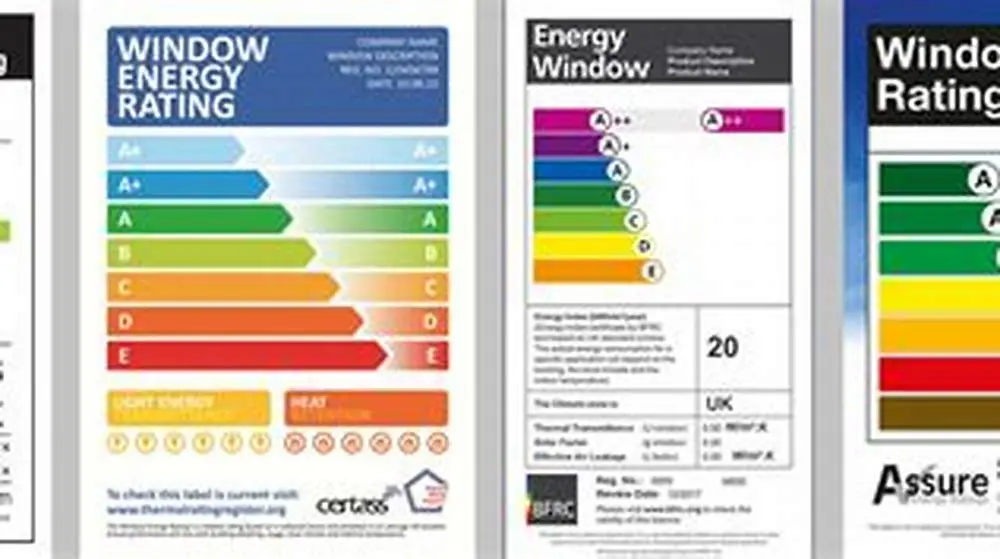
Double glazed windows in the UK are rated under the Window Energy Rating (WER) scheme. This scheme assigns a rating from A++ to E, based on a window’s thermal performance and solar gain.
The WER rating considers the U-value, solar heat gain coefficient (SHGC), and visible light transmittance. Lower U-values mean less heat loss, improving energy efficiency and EPC scores.
Double glazed windows typically achieve ratings between A and C. To qualify for grants or meet building regulations, windows usually need at least a C rating or better.
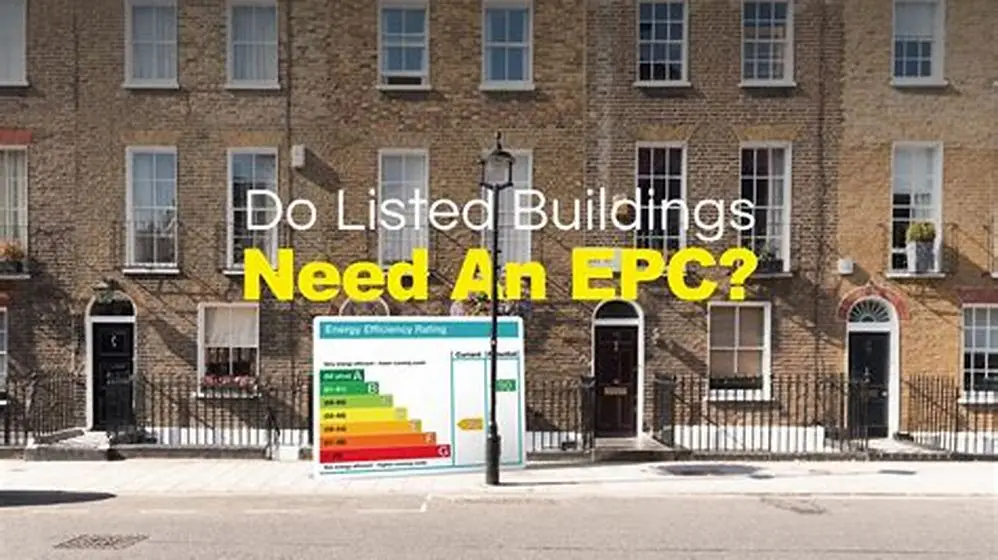
Energy ratings also factor in window airtightness and frame insulation quality, which can vary even among similarly rated double glazing. A window with a high-quality frame and seals will retain heat better and block drafts, improving comfort and lowering energy bills. Ratings assume standard installation; poor fitting can reduce effective performance. Before you commit to anything, it is worth looking at epc rating exemption for listed buildings.
Solar gain plays a key role in the rating. Windows with higher solar heat gain coefficients let more sunlight warm your home naturally, reducing heating needs in winter but possibly increasing cooling costs in summer. Choose ratings based on your home's orientation and local climate to balance these effects.
| Rating | U-value range (W/m²K) | General performance |
|---|---|---|
| A++ | <1.2 | Excellent insulation and solar gain |
| A | 1.2-1.4 | Very good insulation |
| B | 1.4-1.6 | Moderate insulation |
| C | 1.6-1.8 | Acceptable under some regulations |
| D to E | >1.8 | Poor thermal performance |
Typical U-values for double glazed windows and their meaning
U-values measure heat loss through the window and are expressed in watts per square metre kelvin (W/m²K). Double glazed windows typically have U-values from 1.2 to 1.6 W/m²K.
Lower U-values mean better insulation and less heat loss. For example, a window with a U-value of 1.2 W/m²K loses roughly 1.2 watts of heat per square metre for each degree difference between inside and outside temperatures. For the detail, see our notes on triple glazing and overheating reduction.
Building regulations in England require replacement windows to have a U-value no higher than 1.6 W/m²K in most cases. For new builds, a stricter target of 1.4 W/m²K or lower usually applies.
- U-value range: double glazing usually 1.2 to 1.6 W/m²K
- Lower U-value: better heat retention and energy saving
- Regulations: max 1.6 W/m²K for replacement windows
- New builds target: under 1.4 W/m²K for best efficiency
How to identify A-rated double glazed windows
A-rated double glazed windows come with a Window Energy Rating label that shows the A to E rating, U-value, and solar gain figures. These labels are mandatory for new and replacement windows in the UK.
You can identify an A-rated window by checking the label affixed to the frame or by requesting a product datasheet from the supplier. The datasheet details energy performance metrics tested under BS EN ISO standards. There is more on good EPC rating for house in a separate guide.
Look for a U-value below 1.4 W/m²K as a key indicator of an A-rated window. Also confirm the whole window system, including frame and spacer bars, meets these standards, as poor components can lower the overall rating.
Sometimes, the rating label is missing or unclear on installed windows. You can check the manufacturer's website using the window model number, or ask the installer for documentation. Beware of windows labeled with outdated standards; only those tested under current UK or European norms guarantee accurate ratings.
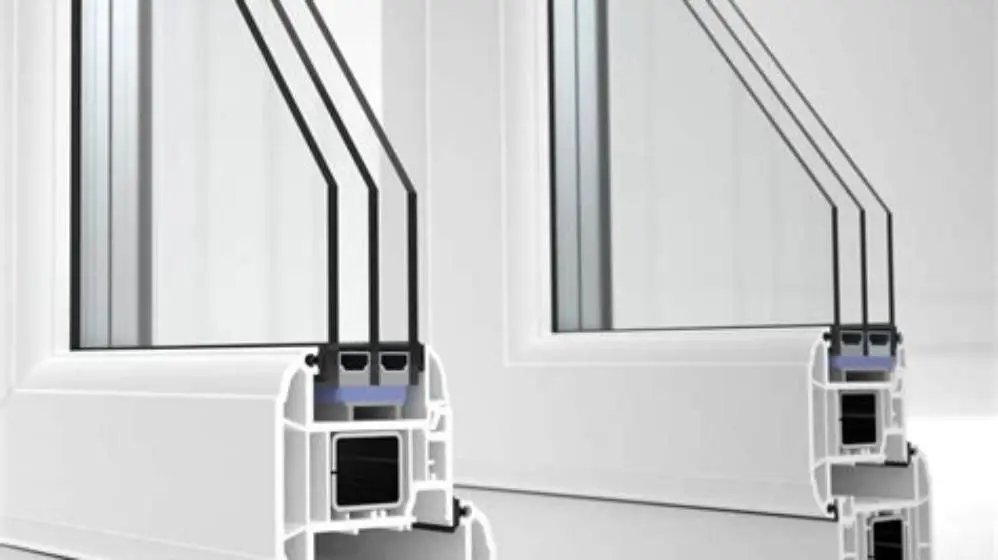
Besides U-value, the spacer bar and gas fill between panes influence the rating. Warm edge spacers and inert gas fills like argon improve insulation, helping the window meet A ratings. If these components are low quality, the overall window rating could drop despite good glass performance. We cover heat pump effect on epc in its own article.
Double glazed windows with A ratings often feature low-emissivity (low-E) glass coatings. These thin metallic layers reflect heat back indoors while allowing light through. Make sure the low-E coating is on the correct pane side, or you'll lose efficiency. Confirm this in product specs or datasheets.
- Find the WER label on the window frame or packaging.
- Check the rating letter; A or better means high energy efficiency.
- Confirm the U-value is under 1.4 W/m²K on the label or datasheet.
- Ask if the rating covers the entire window system, not just the glass.
Comparison of double glazing ratings with single and triple glazing
Single glazed windows have U-values between 5.0 and 6.0 W/m²K, allowing far more heat loss than double glazing. They have very poor energy ratings, typically D or E.
Triple glazed windows can achieve U-values as low as 0.8 to 1.1 W/m²K. They score A++ to A ratings but come at higher cost and weight. If that sounds like your situation, read up on how to check the epc rating of a property next.
Double glazing strikes a balance between cost and efficiency, with typical U-values of 1.2 to 1.6 W/m²K and A to C ratings. This makes it the most common upgrade for improving home energy.
The table below compares typical U-values and ratings to clarify these performance differences.
| Glazing Type | U-value range (W/m²K) | Typical Energy Rating | Cost impact |
|---|---|---|---|
| Single glazing | 5.0-6.0 | D to E | Lowest |
| Double glazing | 1.2-1.6 | A to C | Moderate |
| Triple glazing | 0.8-1.1 | A++ to A | Highest |
Why energy ratings for double glazed windows affect your home's EPC score
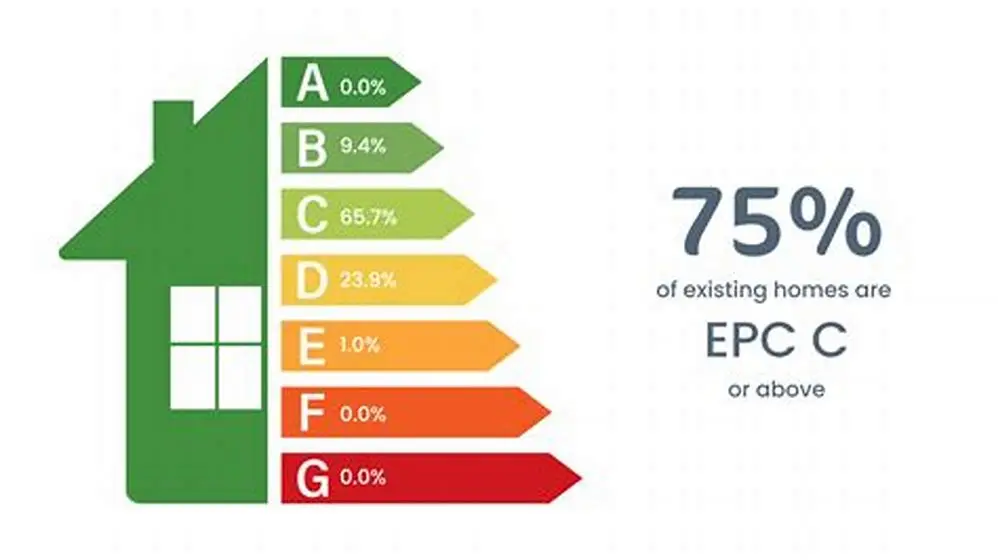
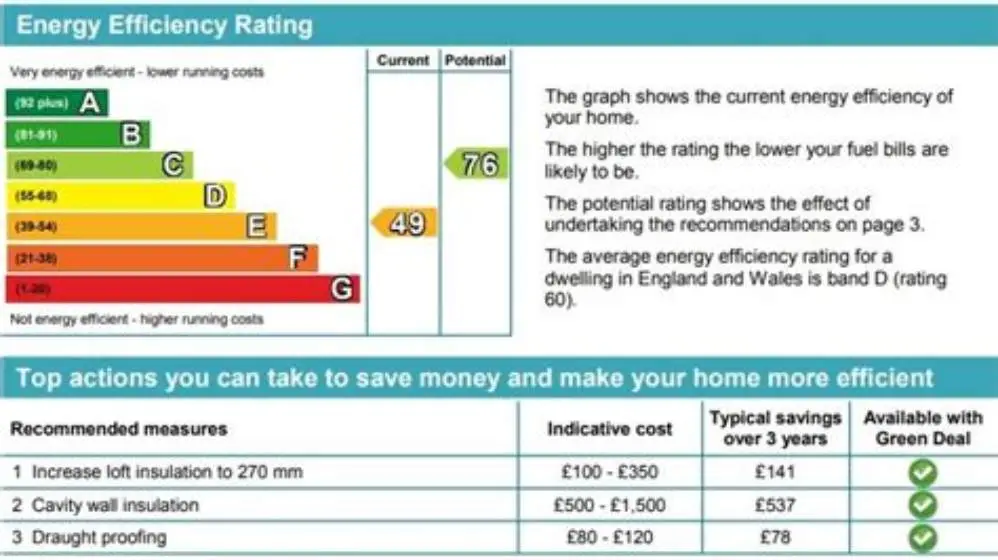
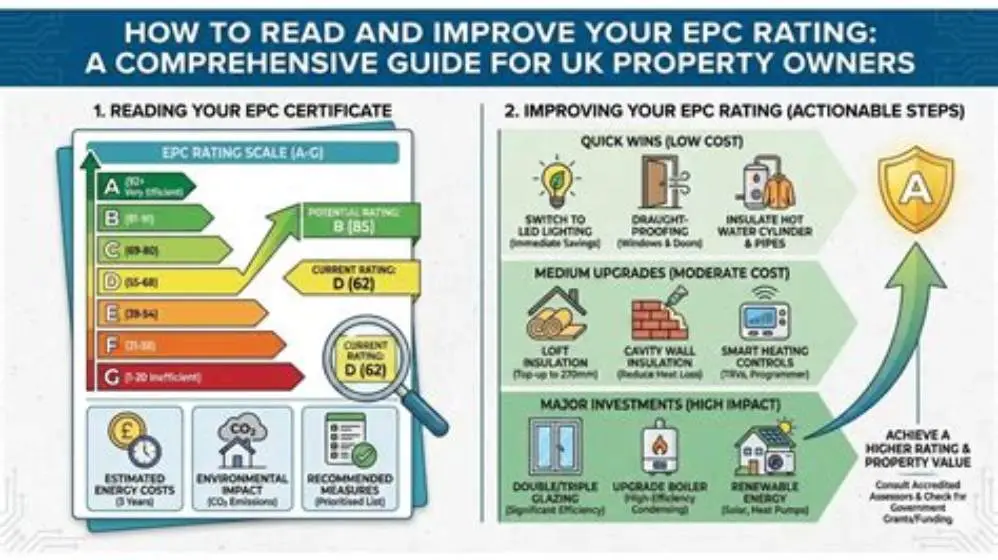
Energy Performance Certificates (EPCs) rate the overall energy efficiency of your home using a scale from A to G. Windows play a significant role in this rating. We go through epc rating c for rental properties landlord rules step by step elsewhere on the site.
Installing double glazed windows with low U-values and high energy ratings lowers heat loss, reducing heating costs. This improvement can raise your EPC by one or two bands.
To benefit fully, the windows must meet or exceed the current minimum U-values specified in building regulations. Using outdated or poor-quality double glazing may not improve your EPC, or could even lower it if frames are inefficient.
Consider having a professional EPC survey before and after window installation to see the precise impact on your home's rating.
How to verify and measure double glazed window energy ratings yourself
You can verify a double glazed window's energy rating by inspecting its Window Energy Rating label. This label shows the rating, U-value, solar gain, and light transmittance.
If you want to measure the U-value yourself, a heat flux meter can provide readings but is costly and requires professional handling to avoid errors.
A practical option is a thermal imaging camera, which highlights heat loss areas through windows but does not give exact U-values. It helps identify poor insulation spots but cannot replace formal ratings.
For most homeowners, checking WER labels and datasheets is the best way to confirm energy ratings before purchase.
A-rated double glazed windows with U-values under 1.4 W/m²K offer solid insulation and value for most UK homes.
Questions people still ask
What is the difference between U-value and energy rating for windows?
U-value measures heat loss through the window in W/m²K, while the energy rating (A++ to E) combines U-value with solar gain and light transmission to show overall performance.
Can I improve my EPC rating by replacing windows alone?
Replacing windows with A-rated double glazing can raise your EPC by one or two bands, but full improvement depends on your home's overall insulation and heating system.
Are triple glazed windows always better than double glazed?
Triple glazed windows have lower U-values and better ratings but cost more and add weight. Double glazing often offers the best cost-to-benefit ratio for typical UK homes.
How do frame materials affect the energy rating of double glazed windows?
Frames made from wood or uPVC with thermal breaks improve overall window insulation, lowering U-values and boosting energy ratings compared to aluminium without breaks.
Do all double glazed windows come with a WER label?
New or replacement windows sold in the UK must have a WER label displaying energy ratings. Older or uncertified windows may lack this label.