For rubble-filled cavity walls, use injection foam or mineral wool designed for irregular cavities, or internal insulation boards. Avoid cavity foam beads or standard granular fills that settle or trap moisture. Proper preparation and moisture control are crucial.
On this page
- Quick recap
- Which insulation materials suit rubble-filled cavities
- Risks of using common cavity insulations with rubble
- How to prepare and install insulation in rubble-filled cavities
- Moisture and settling considerations specific to rubble cavities
- Best insulation for cavity walls filled with rubble
- Reducing bills and drafts with the right insulation and plan
- Quick questions
Part of our guide on suspended timber floor insulation guide
Quick facts
- Typical cavity width
- 50-100 mm
- Recommended insulation types
- Injection foam, mineral wool
- Moisture risk
- High with rubble
- Settling risk
- High with beads/granules
- Internal insulation U-value
- 0.25-0.3 W/m²K
Quick recap
- Rubble cavities require flexible, moisture-resistant insulation like injection foam or mineral wool.
- Avoid granular fills and standard beads, which settle and may trap moisture, risking damp.
- Internal insulation is often safest when cavities are unstable or too moist for fills.
- Proper cavity inspection and moisture testing prevent costly failures.
- Professional installation or detailed DIY plans reduce risks of incomplete fill or damage.
Which insulation materials suit rubble-filled cavities
Rubble-filled cavities are irregular and often contain loose, damp debris. This makes many common cavity insulation types unsuitable. Injection foams formulated for irregular cavities and mineral wool batts designed for cavity fill are the safest choices. These materials can conform to uneven surfaces and resist moisture better than beads or loose granules.
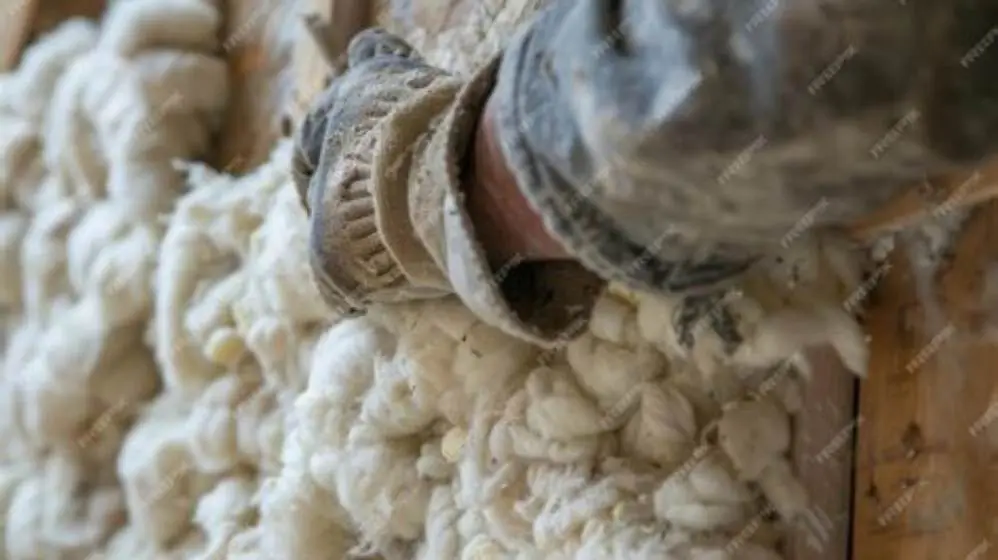
Mineral wool fills typically have a density range around 20-50 kg/m³, which helps reduce settling in rubble. Injection foam can expand to fill voids but must be specifically rated for damp conditions. Both options provide thermal resistance values around 0.035-0.04 W/m·K, suitable for improving wall performance significantly.
Internal insulation boards are also viable if the cavity is unstable or too damp. They avoid filling the cavity altogether, reducing moisture risks inside the wall structure. Rigid boards with a vapour control layer can achieve U-values around 0.25-0.3 W/m²K.
Some specialized injection foams contain fungicides and water-repellent additives that improve their performance in damp rubble cavities. These formulations can reduce the risk of mould growth and water retention, which are critical in rubble-filled walls where moisture is common. The effectiveness of these additives varies, so selecting products certified for damp environments is essential. There is more on choosing solid wall insulation type in a separate guide.
In certain cases, combining insulation methods can be effective. For example, a partial cavity fill with mineral wool followed by an internal insulation board can optimize thermal performance while managing moisture risks. This hybrid approach also allows for easier inspection and maintenance access compared to full cavity fills.
Risks of using common cavity insulations with rubble
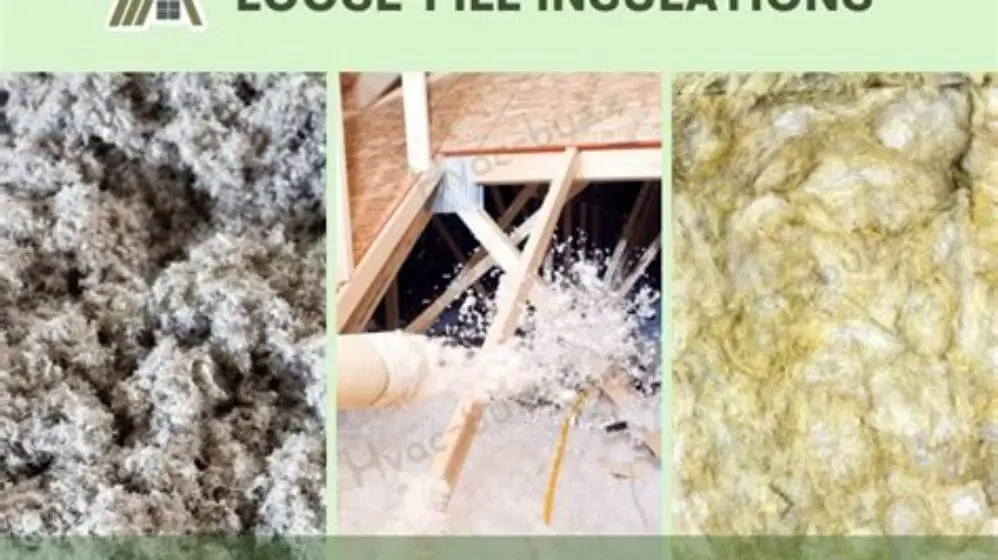
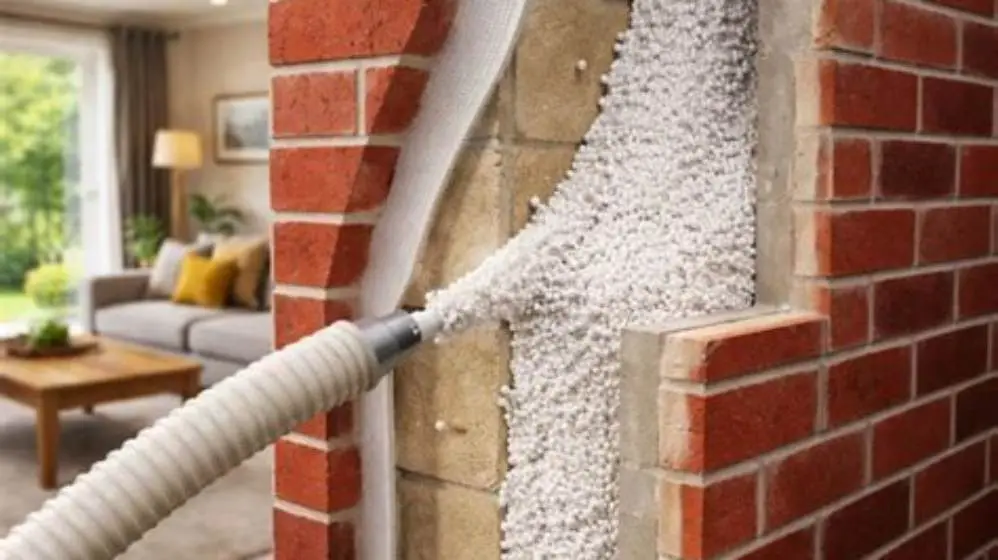
Common cavity fills like polystyrene beads or loose mineral granules tend to settle heavily in rubble-filled walls. The rubble’s uneven surface and loose material create voids where insulation falls away, leaving cold spots and drafts. Settling can reach over 20% volume loss within a year, worsening thermal performance.
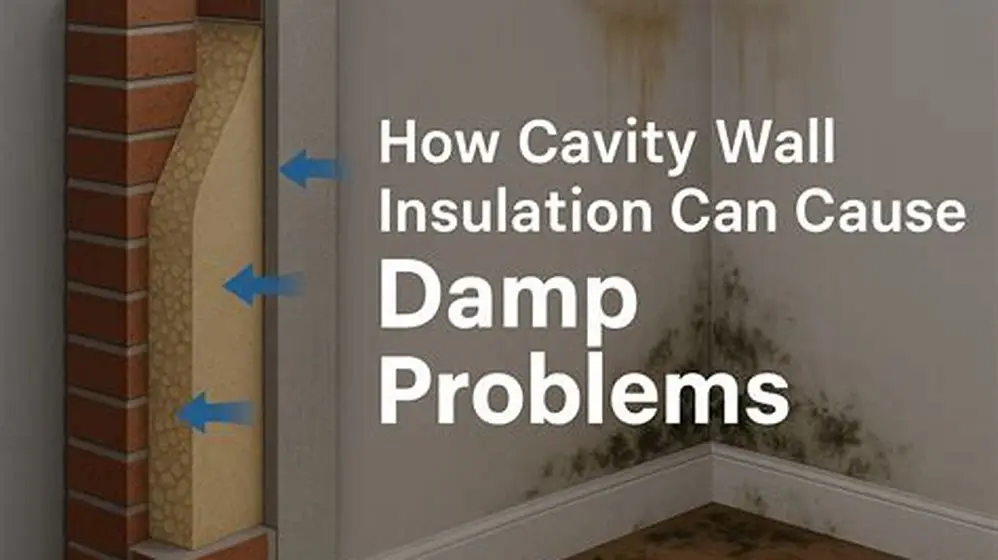
Moisture is another serious issue. Rubble hollows trap moisture from rain penetration or rising damp. Non-breathable bead fills can hold water, increasing damp risk inside the wall and on internal finishes. This leads to mould, decay, and structural damage over time. We cover cavity wall insulation moisture problems in its own article.
Rigid boards installed internally avoid these risks but require careful installation, including a vapour barrier. Without it, moisture can condense behind the boards, harming the structure. The trade-off is less cavity ventilation and slightly reduced wall thickness.
In some rubble-filled cavities, the presence of older lime mortar can compound moisture problems when common insulations are used. Lime mortar is more permeable than modern cement, so moisture can pass through more easily, making non-breathable insulation fills even less suitable. This can lead to prolonged damp conditions and increased risk of freeze-thaw damage.
Another risk involves incorrect installation pressure during injection foam application. Excessive pressure can dislodge or damage loose rubble, creating new voids or structural cracks. This issue often manifests as cracks in brickwork or bulging walls months after installation, revealing the importance of using qualified installers with experience in rubble cavities. We go through cellulose loose fill settling rate after installation step by step elsewhere on the site.

General Tools MMD4E Moisture Meter for Wood
Gives moisture readings for wood and building materials with a range from 1.5% to 50% moisture content, helping you assess cavity dampness accurately within ±2% RH.
How to prepare and install insulation in rubble-filled cavities
Begin with a thorough cavity inspection using a bore scope or endoscope camera. Look for excessive rubble loose material, moisture, or signs of water ingress. Measure cavity widths; ideally, cavities should be at least 50 mm wide to inject foam or mineral wool.
Clear vegetation, debris, and any loose rubble that could block insulation flow. Installing dpc (damp proof course) repairs may be necessary if rising damp has been detected. Moisture tests using a hygrometer or moisture meter should guide suitability.
For injection foam, drill holes at regular intervals (around 500 mm apart) aligned between brick courses. Inject foam slowly to fill voids without over-pressurizing the wall, which can cause damage. Mineral wool requires careful blowing or hand-fitting, ensuring full fill and no gaps. For the detail, see our notes on rain exposed wall insulation.
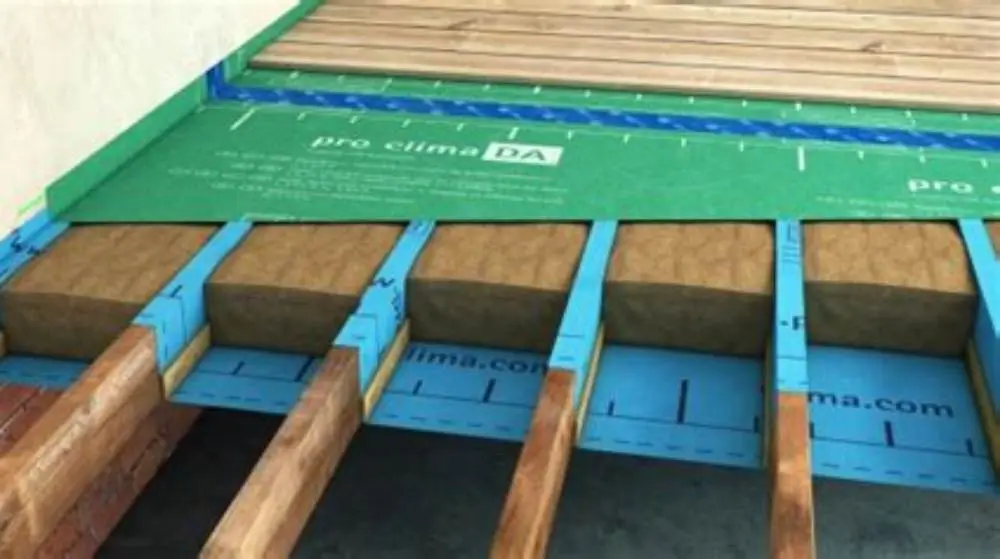
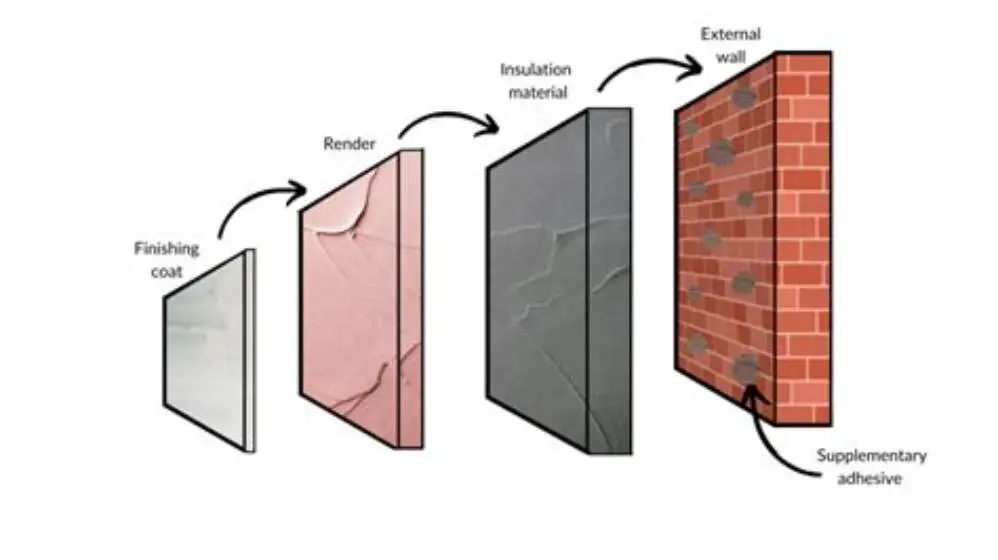
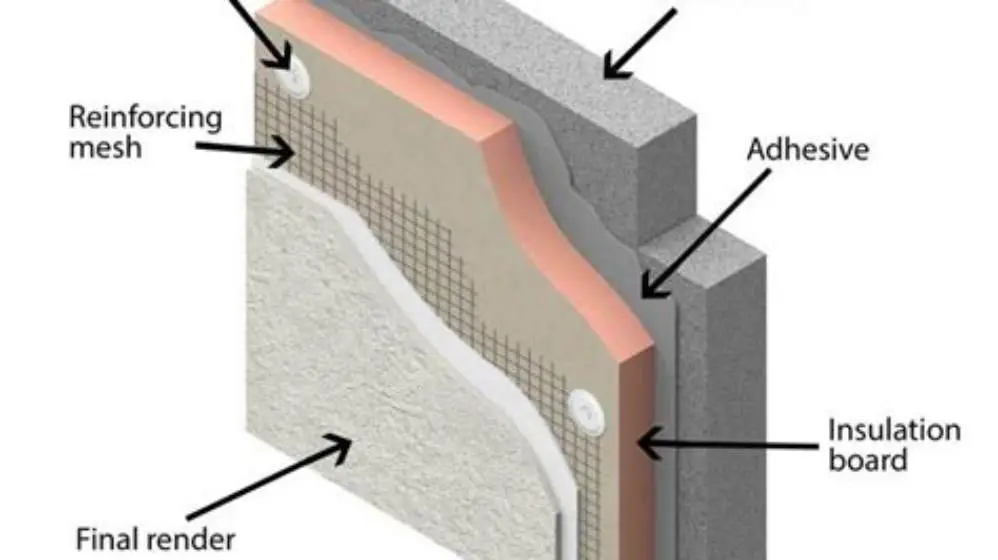
When using internal insulation boards, prepare the wall surface by cleaning and fixing battens if needed. Install vapour control layers on the warm side to prevent condensation, then fix insulation boards with mechanical fixings or adhesive. Finish with plasterboard for protection.
An example preparation for a rubble cavity wall 75 mm wide involved drilling injection holes spaced at 450 mm intervals horizontally and vertically. After clearing loose debris and confirming dry conditions with a hygrometer reading below 20%, polyurethane foam was slowly injected in small batches. The installer monitored pressure carefully to avoid wall damage. The process took about 4 hours for a 100 m² wall area, demonstrating the care and time needed.
Post-installation, a thermal imaging camera scan revealed uniform heat retention across the treated wall, confirming effective cavity fill without cold spots. This check is crucial in rubble cavities, as undetected voids or settling can negate insulation benefits and lead to moisture accumulation. People in this spot often ask about moisture durability of insulation as well.
- Inspect cavity with endoscope and moisture meter
- Clear loose rubble and debris
- Repair damp proof course if necessary
- Drill injection holes at 500 mm spacing
- Inject foam or blow mineral wool to fill cavity
- Install internal insulation boards with vapour barrier if chosen
Moisture and settling considerations specific to rubble cavities
Rubble-filled cavities often retain moisture longer than clean, clear cavities. The rubble itself is porous and can absorb water, causing slow drying. Moisture trapped against the inner or outer wall leaf can cause freeze-thaw damage and efflorescence.
Settling of insulation is accelerated by rubble cavity irregularities and vibration from nearby traffic or building movement. Loose fills like beads can settle by 10-20% within months, losing thermal continuity.
Combining a vapour-permeable insulation material with a clear cavity or drainage path helps manage moisture. Injection foam with closed cells may block moisture movement, possibly trapping damp in rubble. Mineral wool is more breathable but susceptible to water absorption unless treated.
Regular cavity inspections after installation are recommended, particularly in older buildings, to spot any signs of moisture ingress or insulation collapse.
Monitoring moisture levels after cavity insulation is vital as rubble cavities can retain damp longer than clean ones. For example, a hygrometer reading taken six months after mineral wool injection in a 60 mm cavity showed moisture levels slowly dropping from 18% to 12%, indicating gradual drying but ongoing moisture presence.
Settling can be visually detected via small gaps or bulges in internal plaster, or by thermal imaging showing cold spots. If settling exceeds 15%, supplementary insulation or remedial work may be necessary. This is why installers recommend inspections at 6 months and 1 year after filling rubble cavities.
Best insulation for cavity walls filled with rubble
The best insulation for rubble-filled cavity walls is injection polyurethane or mineral wool designed for irregular, damp cavities. Injection foams expand to fill irregular voids and provide good thermal resistance around 0.035 W/m·K. Mineral wool offers breathability and moderate moisture resistance if treated.
If the cavity is too damp or unstable for filling, internal insulation boards with an effective vapour control layer provide a reliable alternative. This method also preserves the cavity ventilation and structural integrity.
Avoid granular or bead fillings, which settle and trap moisture, and traditional cavity batts which are difficult to fit properly around rubble. Your choice depends on cavity width, moisture level, and structural soundness.
Consult a specialist installer for complex cases. DIY solutions are high risk without inspection and moisture testing tools.
Polyurethane injection foam with closed-cell structure typically has a thermal conductivity (λ) of about 0.028 to 0.035 W/m·K, offering slightly better insulation than mineral wool but less breathability. Mineral wool's thermal conductivity ranges from approximately 0.035 to 0.045 W/m·K depending on density and treatment. These values guide choosing the right material based on thermal needs and moisture management.
Internal insulation boards such as phenolic foam or PIR (polyisocyanurate) can achieve U-values as low as 0.18 W/m²K when installed with airtight vapour control layers. This is significantly better than cavity fills alone but reduces wall thickness by 20-50 mm, which may affect door and window reveals.
| Material | Thermal Conductivity (W/m·K) | Moisture Resistance | Settling Risk | Installation Complexity |
|---|---|---|---|---|
| Injection Polyurethane Foam | 0.035-0.038 | Good (closed cell) | Low | Professional recommended |
| Mineral Wool Loose Fill | 0.035-0.04 | Moderate (treated) | Medium | DIY or professional |
| Internal Insulation Boards | 0.025-0.035 | Dependent on vapour barrier | N/A | Moderate DIY |
| Polystyrene Beads | 0.035-0.04 | Poor | High | Easy but risky |
- Injection foam fills irregular spaces completely
- Mineral wool is breathable and safer with moisture
- Internal boards control condensation with vapour barrier
- Injection foam needs professional installation
- Mineral wool may absorb moisture if untreated
- Internal boards reduce wall thickness and ventilation
Reducing bills and drafts with the right insulation and plan
Choosing the right insulation material for rubble-filled cavities can reduce heating bills by up to 20-30% depending on existing insulation and wall condition. Eliminating drafts is equally important, which means ensuring full cavity fill or tight internal insulation.
A contractor plan should include cavity inspection, moisture testing, choosing a compatible insulation type, and ensuring airtightness in internal insulation. Poor workmanship or incorrect material choice wastes money and can damage the building fabric.
Thermal bridging at wall junctions and around openings must be addressed alongside cavity insulation to maximize savings. Combine insulation upgrades with draught proofing and improved ventilation for healthier indoor air.
DIY installers should invest in the right tools: moisture meters, inspection cameras, and the appropriate installation equipment for the chosen insulation.
In practice, a homeowner replacing no insulation or failed bead fill with polyurethane foam injection reported a 25% reduction in year-round heating bills, confirmed by comparing gas meter readings before and after installation over two heating seasons. This illustrates the potential savings when rubble-filled cavities are properly insulated.
Draft reduction also depends on sealing around openings and ensuring internal insulation boards are fitted tightly with sealed joints. Without this, cold air bypasses insulation, reducing comfort and increasing energy use. Combining insulation upgrades with draught-proofing measures like brush seals and weatherstripping amplifies benefits significantly.
- Inspection and moisture testing before work
- Select foam or mineral wool suitable for rubble cavities
- Use internal boards if cavity fill is unsuitable
- Seal gaps and draughts throughout the wall
- Address thermal bridging around openings
Quick questions
Can I install bead insulation in rubble-filled cavities?
Bead insulation tends to settle excessively in rubble-filled cavities due to the irregular voids and loose rubble. This creates gaps and reduces thermal performance, so it is not recommended for rubble cavities.
Is internal insulation always better for rubble-filled walls?
Internal insulation is often safer when cavities are very damp or unstable, but it reduces wall thickness and requires a vapour barrier to prevent condensation. It is not always better but a reliable alternative.
How do I test if my cavity wall is damp before insulating?
Use a moisture meter to measure dampness at multiple cavity points, ideally combined with an inspection camera to assess rubble condition and cavity width.
Will injection foam damage my rubble-filled cavity walls?
Professional installation prevents damage by controlling pressure and quantity during injection. Uncontrolled foaming can exert pressure and cause brick or mortar cracks.
What maintenance is required after insulating rubble-filled cavities?
Regular inspections for moisture, settling, or voids are important. Check internal walls for damp patches or cold spots and consider a professional cavity check every 5 years.