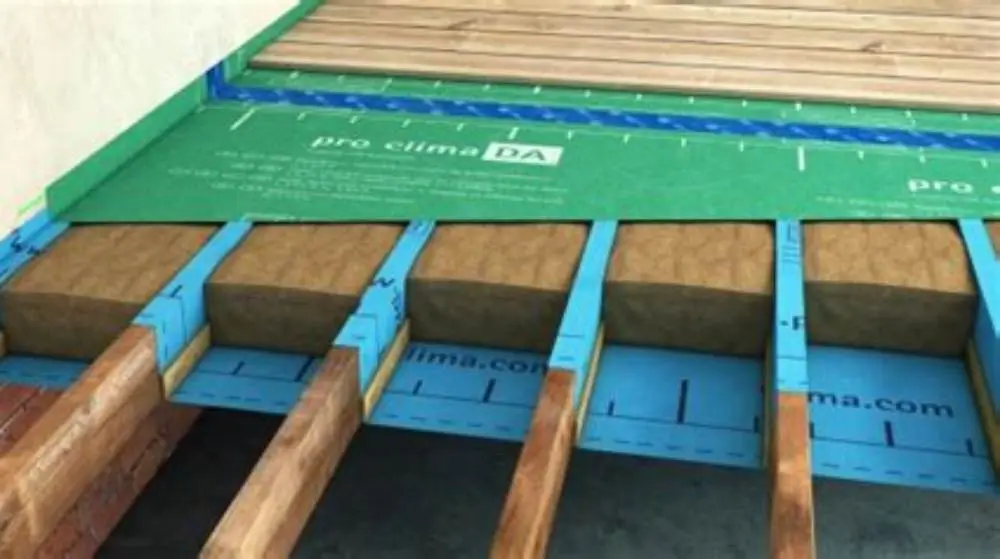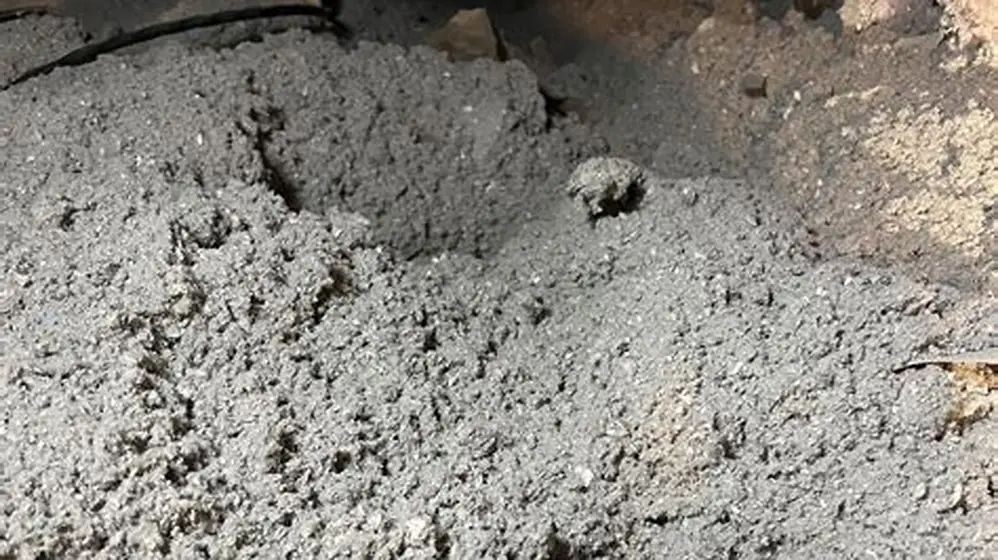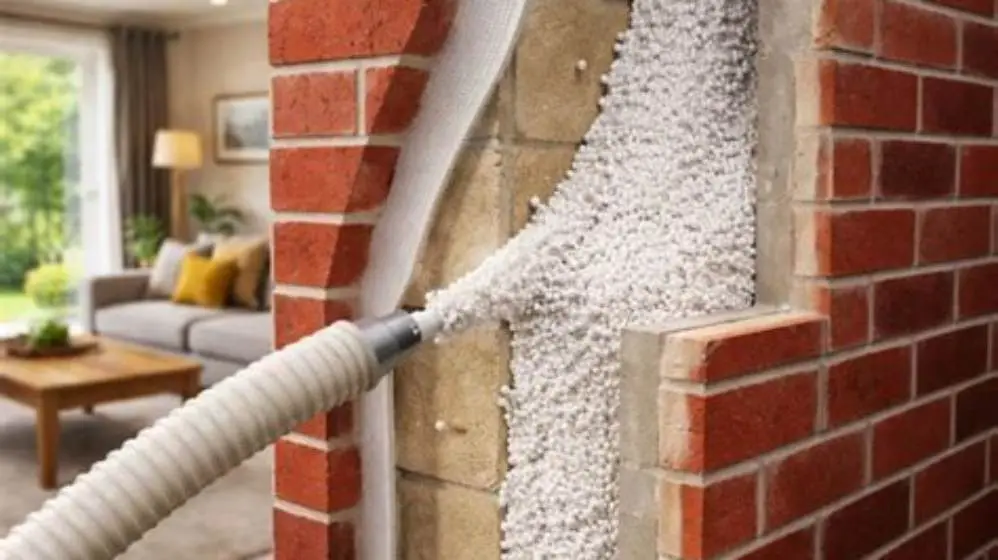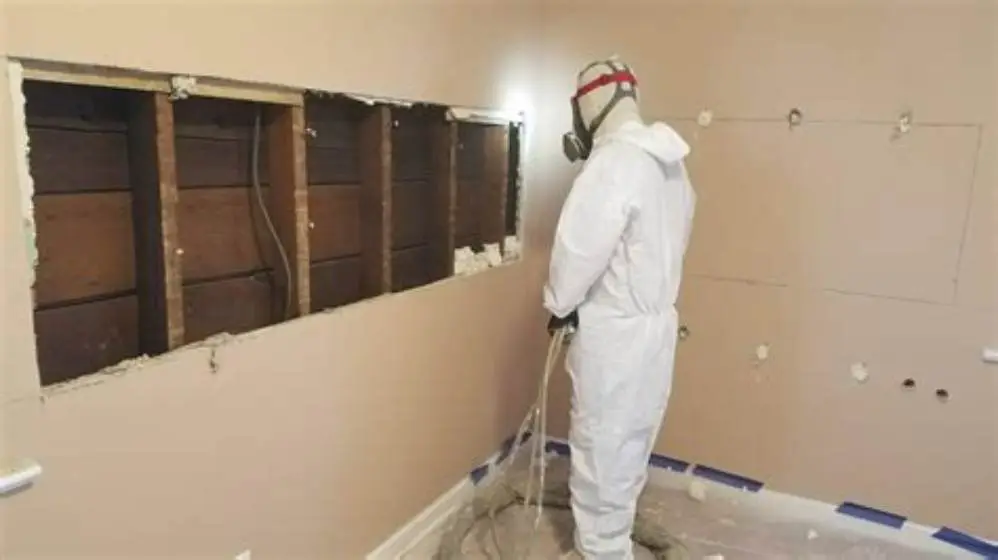
Cellulose loose fill typically settles 15-25% of its original installed thickness over the first 6 months, depending on installation density and moisture. Checking coverage involves simple depth measurements and visual inspection; top-ups may be necessary if settled depth falls below specification.
On this page
- Quick recap
- What percent of cellulose loose fill settles after installation
- Over what time period settling usually occurs
- How to measure or check settling in place
- Typical top up intervals and how to plan for them
- Factors influencing cellulose settling rates
- Cellulose loose fill settling rate after installation: practical measurement and maintenance
- Quick questions
Part of our guide on suspended timber floor insulation guide
Quick facts
- Typical settling
- 15-25% by 6 months
- Settling period
- Mostly within 6 months
- Measurement tool
- Depth gauge or ruler
- Top-up interval
- Within 6-12 months
- Coverage check
- Visual and depth measurement
Quick recap
- Expect 15-25% settling by 6 months in cellulose loose fill
- Settling depends on installation technique, moisture, and initial density
- Measure settled depth against original installed depth to check coverage
- Top up cellulose insulation when settled depth is 10-15% less than target
- Use a depth gauge or ruler for accurate post-install checks
What percent of cellulose loose fill settles after installation
Cellulose loose fill insulation typically settles between 15% and 25% of its initial installed depth within the first six months. This means if you install a 10-inch layer, you can expect it to settle down to roughly 7.5 to 8.5 inches under typical conditions. The exact settling depends largely on the density at installation, moisture content, and the method used to apply the cellulose.
Loose fill cellulose is made from recycled paper treated with fire retardants. Its fluffy form traps air, but over time, vibration, gravity, and minor compaction cause the fibers to pack more tightly. If installed too loosely, more settling occurs. Conversely, denser installation reduces settling but raises material costs and installation effort.
Environmental factors such as humidity can temporarily affect volume but usually have less impact on long-term settling after moisture dissipates. New installations may also settle differently in warmer or cooler climates.
Over what time period settling usually occurs
Most cellulose settling happens within the first six months after installation. The rate is faster initially, with about 10-15% settling in the first 1-2 months, then slowing as the material compacts and stabilizes. Beyond six months, additional settling is usually minimal but can continue gradually over several years if disturbed or if moisture cycles occur. Before you commit to anything, it is worth looking at applying spray foam on roofs.
Installers commonly advise homeowners to wait at least six months before performing any coverage checks or considering top-ups. This timeline allows the insulation to stabilize under typical conditions and avoids unnecessary early additions that may compact the existing material further.
After six months, it is a good practice to evaluate how much settling occurred and whether it has compromised the thermal resistance or created gaps that allow drafts. If large gaps or insufficient depths exist, top-ups can restore performance.
How to measure or check settling in place
You can measure cellulose settling by comparing the current insulation depth against the original installed depth specified in your insulation plan. A simple depth gauge or even a ruler can be inserted vertically into the insulation to record the settled thickness. Take multiple measurements across the insulated area to account for uneven settling. For the detail, see our notes on checking insulation depth loss.
Visual inspection is also important. Look for exposed roof boards, joist tops, or insulation gaps where blown cellulose has pulled away from cavity edges. Areas near air leaks or vents often settle more due to airflow disturbances.
For accurate checks, mark the original installed depth at the time of installation on a reference board or photograph it. This makes later comparisons straightforward. If the settled depth is less than 85% of the original, consider topping up to maintain insulation performance.
Use a hand-held moisture meter if possible to rule out dampness causing compaction or displacement before deciding on topping up. The other half of this decision is materials for cavity wall insulation.
- Locate multiple representative points across the insulated area.
- Insert a ruler or depth gauge straight down through the cellulose until it rests on the underlying surface.
- Record the settled depth readings at each point.
- Compare the average settled depth against the original installed depth.
- Inspect visually for gaps, voids, or signs of compaction.
Typical top up intervals and how to plan for them
If your cellulose loose fill has settled more than 15-20% below the target thickness within six months, a top-up is advisable to maintain thermal resistance and reduce drafts. Top-ups are typically done between six months and one year after the initial installation, balancing material cost and performance needs.
Plan your top-up intervals based on observed settling rates and insulation performance. If you check after six months and find minimal settling, you might not need a top-up for several years. However, substantial settling or damage from moisture requires quicker action.
Coordinate top-ups with other home energy improvements, such as sealing air leaks or adding vapor barriers, to prevent future compaction caused by airflow or moisture intrusion. Keep records of insulation depths and dates for future reference. Before you commit to anything, it is worth looking at top down or bottom up insulation.
Note that repeated top-ups without correcting installation or moisture issues may lead to diminishing returns, so evaluate the cause of settling before adding cellulose indefinitely.
| Settling range | Recommended top-up interval | Notes |
|---|---|---|
| Under 15% | No immediate top-up | Monitor annually |
| 15-20% | 6-12 months after installation | Standard top-up window |
| Over 20% | Within 6 months | Check for installation or moisture issues |
Factors influencing cellulose settling rates
Installation density is the top factor affecting settling. Loose, fluffy cellulose densifies over time under gravity. Typical blown density ranges from 1.5 to 3.0 pounds per cubic foot (pcf); higher densities reduce settling but cost more and require more blower time.
Moisture content at or after installation increases settling by causing fibers to clump and compress. Cellulose absorbs moisture from leaks or high indoor humidity, which can also reduce its insulation value temporarily. We cover xps boards around cold concrete slab edge 50mm in its own article.
Airflow through the insulation, especially from attic ventilation or house leaks, can displace cellulose fibers, increasing settling and creating voids. Proper air sealing before and after installation helps prevent this.
Mixed cellulose products (e.g., with fiberglass or other additives) may settle differently, so confirm settling expectations with your installer or product datasheet.
- Density: higher blown density lowers settling
- Moisture: water presence increases compaction
- Airflow: leaks cause fiber displacement
- Product type: additives affect settling behavior
Cellulose loose fill settling rate after installation: practical measurement and maintenance
To address the query directly, cellulose loose fill settling rate after installation typically ranges from 15-25% within 6 months. Homeowners and installers should measure insulation depth using a ruler or depth gauge at multiple points to verify coverage. Comparing these measurements to the original installed thickness identifies how much settling has occurred. People in this spot often ask about best way to wash external insulation as well.
If the settled depth is less than 85% of the original, a top-up of cellulose is recommended to restore thermal protection and reduce drafts. Regular visual inspections for gaps and moisture signs complement depth checks and ensure lasting insulation performance.
Routine maintenance includes checking attic or cavity insulation annually after the initial six months settling period. Moisture management and air sealing upgrades can prevent future settling beyond normal ranges. Investing in a simple depth gauge tool now saves costs on energy bills and prevents discomfort later.
This measurement and top-up cycle is the practical approach to managing cellulose loose fill insulation settling and securing your home's energy efficiency.
Quick questions
Can cellulose insulation settle more than 25%?
Yes, if installed too loosely or exposed to moisture and airflow, cellulose can settle beyond 25%, which reduces its effectiveness and may require corrective top-ups.
How do I know if my cellulose insulation needs topping up?
Measure the insulation depth in several spots. If the average depth is below 85% of the original installation thickness or if you see gaps and drafts, a top-up is needed.
Does moisture permanently damage cellulose insulation?
Moisture can cause temporary compaction and reduce insulating value while wet. Prolonged dampness may lead to mold or fiber degradation, so drying and repair are necessary.
Is settling the same for all loose fill insulations?
No. Cellulose settling is generally more than fiberglass loose fill, but exact rates vary by material type, density, and installation conditions.
Can I prevent settling completely?
You cannot fully prevent settling. Proper installation density, moisture control, and air sealing reduce it significantly but some compacting is unavoidable.