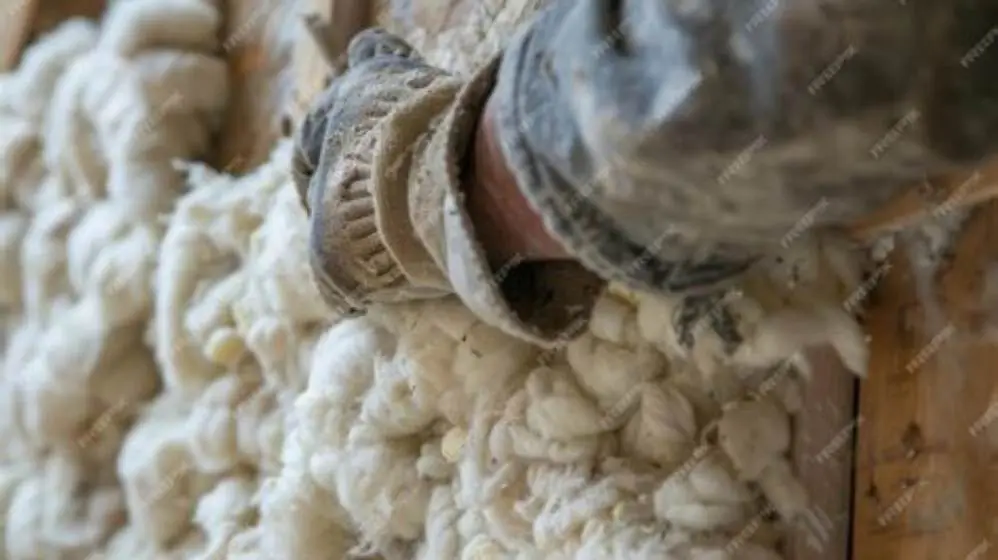
Sheep wool insulation absorbs moisture easily and can lose effectiveness in damp basements, while wood wool boards resist moisture better and maintain durability. Use wood wool boards where persistent dampness occurs; sheep wool needs strict moisture control and vermin precautions.
On this page
- Quick recap
- Sheep wool insulation performance in damp basement walls
- Wood wool insulation board durability and moisture resistance in wet basements
- Comparing moisture tolerance of sheep wool and wood wool boards
- Installation precautions for sheep wool and vermin protection
- How to test basement walls before choosing insulation
- Sheep wool as insulation in damp basement walls
- Quick questions
Part of our guide on materials for floor insulation
Quick facts
- Sheep wool moisture uptake
- 20-30% by weight
- Wood wool durability
- High in damp conditions
- Basement dampness limit
- <85% relative humidity
- Typical insulation R-value
- 3.5-3.8 per inch
- Vermin protection needed
- Yes for sheep wool
Quick recap
- Sheep wool absorbs 20-30% moisture by weight, risking insulation loss if walls are damp.
- Wood wool boards have a denser, more moisture-resistant structure suited for wet basement walls.
- Both need vapor-permeable membranes to avoid trapping moisture inside walls.
- Vermin can target sheep wool, requiring physical barriers during installation.
- Use a moisture meter to check wall dampness before choosing insulation type.
Sheep wool insulation performance in damp basement walls
Sheep wool can absorb around 20-30% of its weight in moisture without feeling wet, which helps regulate humidity but lowers insulation performance when walls stay damp. Its thermal resistance drops as moisture content rises, potentially halving R-value at saturation.
In basements with consistent wall moisture above 85% relative humidity, wool fibers risk mold and decay unless properly protected. Moisture monitoring is essential to prevent such degradation.
Wool’s natural crimp preserves loft and insulation even when damp, but this benefit diminishes with prolonged exposure. Air gaps and vapor-permeable layers alongside wool help reduce moisture buildup.
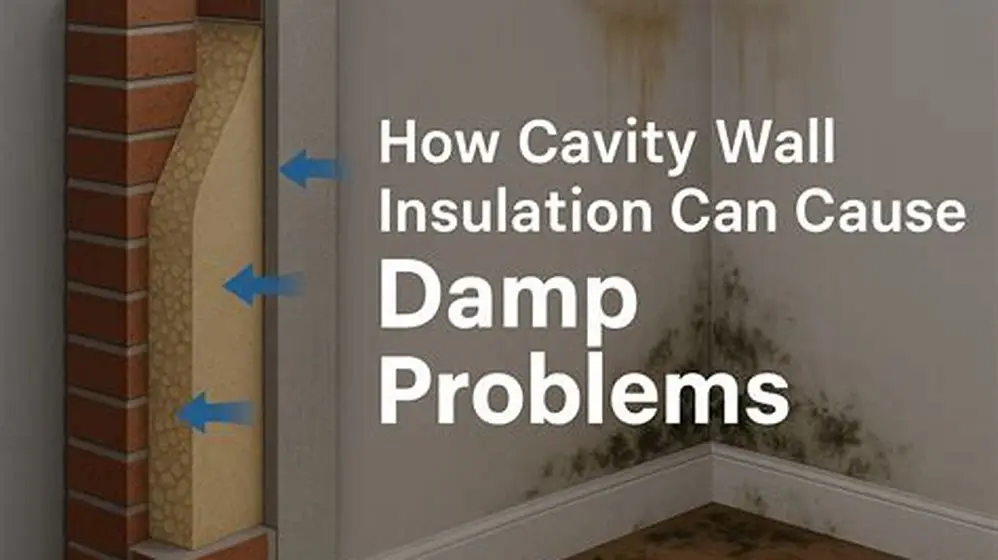
Installing sheep wool requires ensuring walls are not actively leaking or highly saturated, otherwise insulation lifespan will shorten dramatically. It helps to understand cavity wall insulation problems and damp before going further.
Sheep wool's ability to buffer humidity stems from its keratin fiber structure, which can absorb and release moisture without structural damage if kept within limits. However, if moisture levels repeatedly exceed 30%, the wool's microscopic scales swell, reducing fiber loft and insulation capacity. For example, wool initially rated at R-3.5 per inch can drop to below R-2.0 when saturated. This decline is measurable with a thermal conductivity meter, confirming performance loss under damp conditions.
A practical test involves placing a small wool sample in a controlled humidity chamber at 90% RH for 48 hours and measuring thermal resistance before and after. A significant drop signals that sheep wool may not suit basements with fluctuating or high moisture. Wool treated with natural lanolin retains some water repellency but is still vulnerable in persistently wet basements, emphasizing the need for proper wall preparation and ventilation.
Wood wool insulation board durability and moisture resistance in wet basements
Wood wool boards consist of wood slivers bound with cement or magnesite, forming a rigid panel that tolerates moisture better than loose wool. These boards do not absorb moisture like sheep wool but handle condensation and damp air effectively. We go through keeping exposed walls breathable and dry step by step elsewhere on the site.
Their porosity allows water vapor diffusion while maintaining structural integrity, crucial in damp basements where walls may never fully dry. Boards typically resist moisture exposure without visible degradation for decades.
Because wood wool is less prone to mold growth and decay under high humidity, it suits basements with relative humidity regularly above 85% and occasional water seepage.
Installation involves fixing the boards directly to the wall and covering them with vapour-open finishes to allow drying, avoiding trapped moisture. The other half of this decision is insulation tips for rubble-filled walls.
Wood wool boards can tolerate direct contact with mildly damp masonry without deterioration, unlike loose fibrous insulations. Their mineral binder and dense structure minimize water absorption, typically below 5% by weight under constant high humidity. This stability translates to consistent insulation performance and structural strength over decades.
When exposed to temporary flooding or water splashes, wood wool boards may absorb surface water but dry quickly without losing integrity. Their vapor permeability ranges between 5 and 10 perms, allowing moisture to migrate and evaporate rather than become trapped. This prevents common issues like blistering or delamination seen with impermeable insulation layers.
A field example showed a basement wall retrofitted with wood wool boards that remained stable after seasonal humidity peaks above 90% and occasional ground water seepage. After five years, inspections revealed no mold growth or material breakdown, validating their suitability in such challenging environments. The other half of this decision is zone 6 attic insulation options.
Comparing moisture tolerance of sheep wool and wood wool boards
Moisture tolerance determines if insulation performs well and lasts in damp environments. Sheep wool’s hygroscopic nature makes it excellent at regulating humidity but vulnerable to insulation loss and mold when moisture exceeds about 20-30% of its weight.
Wood wool boards resist moisture penetration and maintain physical form in wet conditions, making them more suitable for basements with persistent dampness or occasional water ingress.
However, wood wool boards are denser and slightly less insulating per inch than loose wool. Choosing between them depends on basement moisture levels and whether you can control humidity adequately. We cover installing XPS around concrete slab in its own article.
Both materials require a wall assembly that allows drying to avoid trapped moisture: a critical factor regardless of insulation.
| Factor | Sheep Wool | Wood Wool Board |
|---|---|---|
| Moisture absorption | 20-30% by weight | Very low absorption |
| Moisture resistance | Lower, risk of mold if wet | High, resists rot & mold |
| Durability in dampness | Reduced if saturated | Maintains structure long-term |
| Thermal insulation | High when dry | Moderate but stable |
| Vermin risk | Higher, needs barriers | Low risk |
- Sheep wool regulates humidity
- Wood wool boards resist moisture damage
- Wool maintains loft under light dampness
- Wool degrades if saturated
- Wood wool slightly lower insulation R-value
- Wool vulnerable to vermin
Installation precautions for sheep wool and vermin protection
Sheep wool attracts pests such as moths and rodents, which can nest in loose fibers and degrade insulation. Installing an insect- and vermin-proof barrier layer, such as fine mesh or rigid boards, around wool insulation is essential.
In damp basements, avoid direct contact between wool and masonry to reduce moisture wicking. Use vapor-permeable membranes to keep wool dry while allowing vapor diffusion.
Wood wool boards are naturally less attractive to pests due to their density and mineral binder, reducing vermin risk without extra layers.
Proper installation also means sealing gaps and using breathable finishes on interior surfaces to prevent condensation spots behind insulation.
- Vermin barrier: required for sheep wool to prevent damage
- Wall prep: ensure no active leaks or standing water
- Vapor control: install permeable membranes to allow drying
- Finish: use breathable plaster or paint to avoid trapped moisture
How to test basement walls before choosing insulation
Before deciding on sheep wool or wood wool board, measure basement wall moisture levels using a hygrometer or moisture meter capable of detecting moisture content in masonry.
Look for readings under 85% relative humidity for sheep wool to be viable. Persistent ambient humidity higher than this suggests wood wool boards or alternative insulation.
Visual checks for mold, efflorescence, or water stains indicate moisture problems needing treatment before insulation installation.
Use moisture meters with pins or non-invasive sensors inserted into the wall surface for reliable data. Regular checks over days or weeks reveal fluctuating moisture conditions.
- Buy or rent a moisture meter designed for masonry.
- Take multiple readings on different basement wall sections.
- Record relative humidity and moisture content over several days.
- Compare measurements to the 85% humidity threshold.
- Decide insulation type based on moisture data and wall condition.
Sheep wool as insulation in damp basement walls
Sheep wool can work in basements with controlled moisture levels and proper installation precautions, but its natural absorption makes it risky where walls remain damp.
Loss of insulation value and mold growth appear quickly if moisture levels rise above wool’s threshold, requiring active moisture control and vapor-permeable assemblies.
Vermin precautions and physical barriers add complexity and cost to installations compared to wood wool boards.
If your basement walls are visibly or measurably damp, wood wool boards are typically more reliable and durable for insulation. Sheep wool suits drier basements emphasizing natural humidity regulation.
In instances where sheep wool is employed in basements with borderline moisture levels (~80-85% RH), additional measures like installing drainage systems or dehumidifiers can help maintain the wool’s performance. For example, a basement with 82% RH paired with a continuous low-power dehumidifier kept wool moisture content near 18%, preserving its R-value close to nominal.
Failure to implement moisture controls leads to rapid insulation degradation and must be detected early. Signs include musty odors, discoloration of wool batts, and patches of surface mold. Regular inspection combined with moisture meters can track wool condition and prompt timely remediation before structural damage occurs.
Sheep wool is best reserved for basements where moisture is carefully managed and air movement allows drying. For damp or intermittently wet walls, wood wool boards offer a more robust and maintenance-free insulation alternative. The choice depends on balancing insulation goals, moisture realities, and installation complexity.
Wood wool boards outperform sheep wool for damp basement insulation due to superior moisture resistance and durability, despite slightly lower insulation value.
Quick questions
Can sheep wool insulation mold in damp basements?
Yes, sheep wool absorbs moisture and can develop mold if basement walls are consistently damp above 85% relative humidity. Proper moisture control and ventilation are critical to prevent mold.
Are wood wool boards waterproof in basements?
Wood wool boards are moisture resistant but not fully waterproof. They allow vapor to pass and handle damp air without rotting, making them suitable for wet basements with proper wall finishes.
What moisture meter is best for basement walls?
A pin-type or non-invasive masonry moisture meter measuring relative humidity and moisture content in walls is best. It helps decide if sheep wool or wood wool insulation is viable.
Is vermin protection mandatory for all sheep wool installations?
Vermin protection is essential for sheep wool in basements because pests can nest in the fibers and damage insulation, reducing effectiveness and potentially causing health issues.
How thick should insulation be on basement walls?
Insulation thickness depends on desired R-value, usually between 2 and 4 inches (5-10 cm). Wood wool boards and sheep wool have similar R-values per inch but wood wool may require slightly thicker layers for equal performance.