Polystyrene insulation typically offers an R-value of about 3.6 to 4.0 per 25mm, making it a good heat insulator suitable for walls and floors. It excels in moisture resistance but is less effective than polyisocyanurate in tight spaces needing higher R-values.
On this page
- Quick recap
- Is polystyrene a good insulator of heat
- Can you use polystyrene as insulation
- Polystyrene vs polyisocyanurate and polyurethane insulation
- Polystyrene insulation pros and cons
- Polystyrene boards for flooring and walls
- How good is polystyrene for insulation compared to other options
- Quick questions
Part of our guide on suspended timber floor insulation guide
Quick facts
- Typical R-value
- 3.6-4.0 per 25mm
- Material types
- EPS and XPS
- Common thickness
- 25-100mm
- Thermal conductivity
- 0.030-0.038 W/m·K
- Moisture resistance
- High for XPS
- UK scheme
- ECO4 compatible
Quick recap
- Polystyrene provides 3.6-4.0 R-value per 25mm thickness
- Best for damp areas due to moisture resistance
- Outperforms in floor insulation and external walls
- Less efficient than polyisocyanurate and polyurethane for thin spaces
- Must meet building regs for fire and vapour resistance
Is polystyrene a good insulator of heat
Polystyrene foam insulation provides a thermal conductivity between 0.030 and 0.038 W/m·K, depending on whether it is expanded (EPS) or extruded (XPS). EPS has a lower density and slightly higher conductivity, roughly 0.038 W/m·K, while XPS is denser with around 0.030 W/m·K. This range translates into an R-value of approximately 3.6 to 4.0 per 25mm thickness.
The R-value depends on board density, thickness, and installation quality. Thicker boards yield better insulation, but diminishing returns apply. Installation errors such as gaps or compression reduce effective R-value significantly, as cold bridging arises.
Compared to mineral wool or fibreglass, polystyrene boards usually outperform in insulation per millimetre while resisting moisture better, making them a preferred choice for basement walls or under-floor insulation where damp is a concern.
Can you use polystyrene as insulation
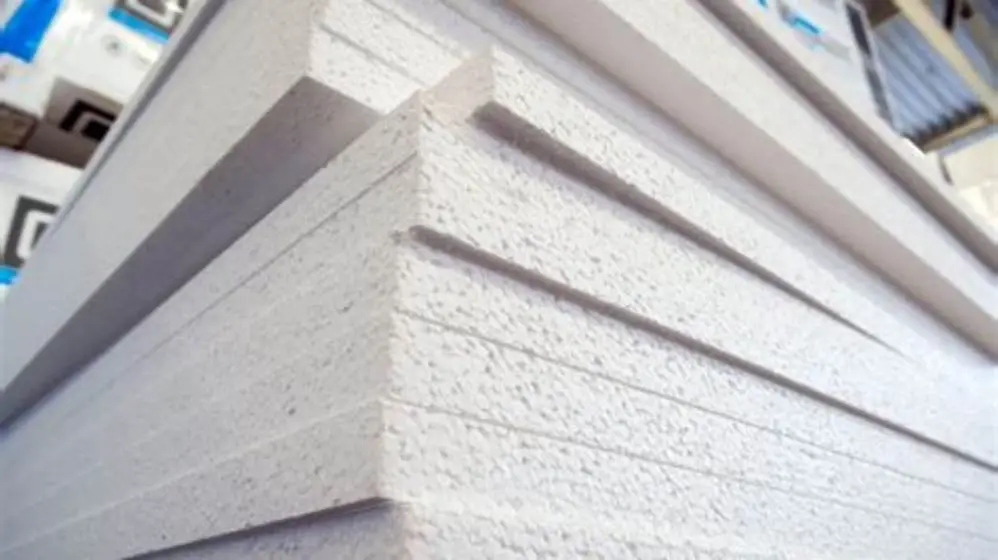
Polystyrene is widely used as insulation in walls, floors, and roofs, particularly in retrofit and new builds in the UK. It is available in sheets that can be cut to size and fixed either mechanically or with adhesives. For the detail, see our notes on building insulation wear signs.
Before use, confirm the board meets UK Building Regulations for fire safety (usually Class E or better) and vapour control where required. Polystyrene generally needs a vapour barrier behind it on internal walls to prevent moisture trapping and condensation.
Installation over uneven surfaces or without suitable sealing risks air gaps that reduce insulation effectiveness. Exposed polystyrene requires a protective layer, such as plasterboard or render, to prevent damage and comply with fire codes.

General Tools MMD4E Moisture Meter for Wood
Detects moisture content in wood from 5% to 50% and building materials from 1.5% to 33%, helping check substrate dampness before and after fitting polystyrene insulation.
Polystyrene vs polyisocyanurate and polyurethane insulation
Polyisocyanurate (PIR) and polyurethane (PUR) boards offer higher R-values, typically around 6.0 to 6.5 per 25mm, nearly 50% better than polystyrene. This makes PIR and PUR preferable where space is limited, such as thin cavity walls or lofts. We go through external wall insulation boards for rain exposed walls step by step elsewhere on the site.
However, polystyrene excels in moisture resistance, especially XPS, which absorbs less than 1% water by volume compared to up to 8% for PIR. This means polystyrene can maintain insulation value longer in damp conditions where PIR might degrade.
Cost-wise, polystyrene is usually cheaper, and easier to handle on site. PIR and PUR boards require careful installation due to sensitivity to compression and potential off-gassing, which some UK schemes restrict.
Deciding between these depends on your specific needs: space constraints, moisture levels, budget, and compliance with energy efficiency grants or schemes. We cover cost effectiveness of rockwool in its own article.
| Material | Typical R-value per 25mm | Water absorption | Cost | Typical uses |
|---|---|---|---|---|
| Polystyrene (XPS/EPS) | 3.6-4.0 | Low (<1%) | Moderate | Basements, floors, walls |
| Polyisocyanurate (PIR) | 6.0-6.5 | Moderate (up to 8%) | Higher | Cavity walls, lofts |
| Polyurethane (PUR) | 5.8-6.5 | Moderate | Higher | Roof insulation, tight spaces |
- Low moisture uptake for polystyrene
- Higher R-value for PIR/PUR
- Economical choice with polystyrene
- PIR/PUR saves space in thin walls
- Lower R-value for polystyrene
- PIR/PUR can degrade with moisture
- Polystyrene requires vapour barrier
- Higher cost for PIR/PUR
Polystyrene insulation pros and cons
Polystyrene's advantages include its strong resistance to water absorption, which helps maintain thermal performance in damp environments like basements. It also has good compressive strength, making it suitable for underfloor insulation.
It is chemically inert, lightweight, and easy to cut and fit, reducing installation time. The material is also recyclable, and compatible with many UK energy-efficiency schemes such as ECO4 and Boiler Upgrade Scheme grants for retrofit projects.
On the downside, polystyrene has a lower R-value compared to PIR and PUR boards, necessitating thicker insulation layers for the same thermal resistance. It can be flammable and must be protected by fire-rated coverings indoors. For the detail, see our notes on insulation for 45mm stud bays.
Incorrect installation risks condensation problems and cold bridging, which undermine its insulation value. Also, polystyrene is not as versatile in very slim cavity walls as PIR/PUR.
- Excellent moisture resistance
- Good compressive strength
- Lightweight and easy to handle
- Eligible for UK retrofit grants
- Lower R-value per mm
- Needs fire protection
- Thicker layers may be required
- Sensitive to installation errors
Polystyrene boards for flooring and walls
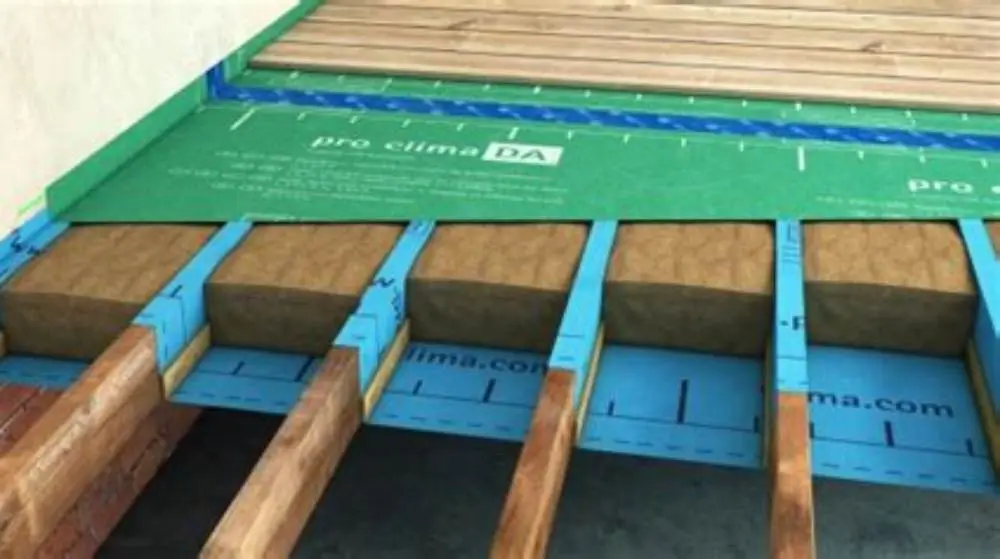
XPS polystyrene boards with compressive strengths of 300-500 kPa are often used under concrete floors or screeds. This strength prevents compression under load, maintaining insulation and structural integrity. EPS boards, with lower compression resistance, suit less stressed areas or dry floors.
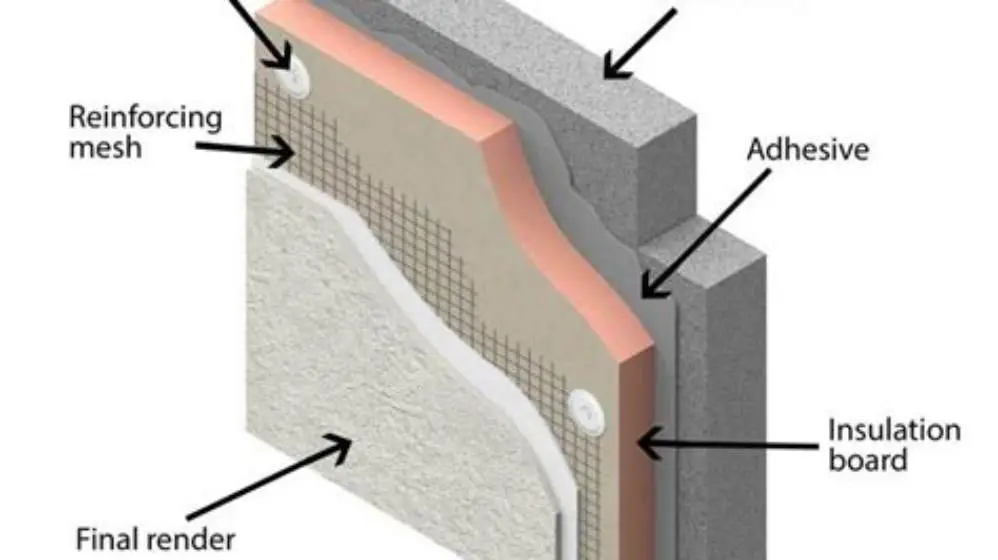
For wall insulation, external insulation systems incorporate EPS or XPS boards fixed to the outer wall, then rendered or clad. Thicknesses of 50-100mm are typical to achieve a reasonable U-value of around 0.3 W/m²K or better. The other half of this decision is insulation retrofit options for 4 storey.
Internal wall insulation with polystyrene requires strict control of vapour permeability and fire safety. Boards are installed with a vapour barrier and covered with plasterboard. This method can improve EPC ratings and reduce drafts but must be done by a contractor familiar with UK regulations.
Floor and wall installations alike must avoid gaps and compression to prevent thermal bridging. Use a moisture meter to check substrate dampness before installation to ensure longevity.
- Measure floor or wall area accurately to estimate board quantity.
- Select EPS or XPS boards according to load and moisture exposure.
- Install a suitable vapour barrier on internal walls before fixing boards.
- Seal joints tightly to avoid cold bridging and air leakage.
- Cover polystyrene boards with fire-rated plasterboard or render.
- Check installation with a moisture meter before and after fitting.
How good is polystyrene for insulation compared to other options
Polystyrene offers good insulation performance when installed correctly, especially in damp or load-bearing applications. Its R-value is solid though not the highest, making it a cost-effective and durable choice for floors and external wall insulation in UK homes.
Where space is limited or maximum insulation is required, PIR or PUR boards can save thickness but at a higher cost and potentially lower durability in wet conditions. Mineral wool and fibreglass remain alternatives with different benefits, mainly breathability and fire resistance but lower moisture resistance.
Polystyrene is a reliable insulator if you accept thicker applications and ensure compliance with fire and vapour regulations. Pairing it with a moisture meter during installation helps avoid costly failures and preserves efficiency.
For homeowners aiming to reduce bills and drafts under UK schemes, polystyrene insulation is often the best balance between cost, moisture resistance, and thermal performance: especially in floors and damp walls.
Polystyrene is a solid, moisture-resistant insulator that balances cost and thermal performance but requires thicker layers than alternatives.
Quick questions
Can polystyrene insulation be used in lofts?
You can use polystyrene in lofts, but PIR or PUR usually provide better R-values in thinner layers, ideal for low space. Polystyrene’s moisture resistance is less critical here, making foam boards less necessary.
Does polystyrene insulation help with soundproofing?
Polystyrene offers limited soundproofing compared to mineral wool. It mainly insulates heat; sound insulation requires denser, fibrous materials or additional layers.
Is expanded or extruded polystyrene better?
Extruded polystyrene (XPS) has higher density, moisture resistance, and compressive strength than expanded polystyrene (EPS), making XPS better for floors and damp areas.
How thick should polystyrene insulation be for walls?
A thickness of 50-100mm is common for external walls to reach U-values around 0.3 W/m²K, but exact thickness depends on your house construction and energy targets.
Are there special considerations for fitting polystyrene boards in UK homes?
Yes, always ensure fire safety compliance with coverings, install vapour barriers on internal walls, and avoid gaps or compression to prevent thermal bridging and condensation.