A damp smell from cellulose insulation after rain means moisture content above 15-18% by weight. Check three things: moisture meter readings in multiple spots, condensation on the underside of roof felt, and whether ridge or soffit ventilation is blocked. Most cases are condensation traps rather than leaks.
On this page
- Quick recap
- Why cellulose insulation smells damp after rain
- What humidity or moisture readings indicate problematic dampness
- How to check ventilation and drying status
- Distinguish a roof leak from condensation buildup
- When to consider treatment or replacement
- Prevent recurrence after drying
- Quick questions
Part of our guide on suspended timber floor insulation guide
Quick facts
- Safe moisture level
- below 15% by weight
- Problem threshold
- 18% or higher
- Normal drying time
- 5-10 days after heavy rain
- Ventilation minimum
- 10,000 mm² per metre run
- Inspection frequency
- twice yearly, spring and autumn
Quick recap
- Cellulose above 18% moisture by weight smells musty and needs intervention
- Condensation from poor ventilation causes more damp smells than actual roof leaks
- Test in three loft areas: near eaves, mid-span and around penetrations like chimneys
- Adequate drying needs 10,000 mm² per metre of continuous soffit ventilation
- Isolated damp patches point to leaks; widespread dampness suggests condensation
Why cellulose insulation smells damp after rain
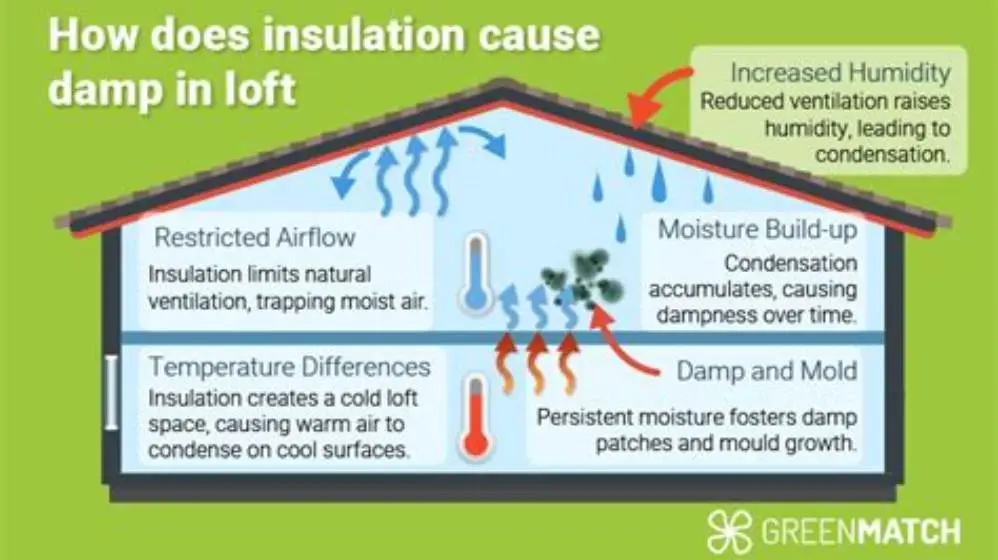
Cellulose holds 12-18% of its dry weight in moisture before you notice it. The smell starts when humidity in the loft space rises above 70% and the material absorbs water vapour from the air. Rain raises indoor humidity through cooking, drying clothes and breathing, and that moisture migrates upward into the loft.
The fibres themselves wick moisture along their length. A small leak or condensation patch spreads through adjacent material over days. You smell it because damp cellulose releases volatile organic compounds as the lignin in recycled paper starts breaking down. The odour is earthy and musty, not the sharp smell of mould yet, but it gets there if the material stays wet beyond two weeks.
Cellulose treated with borate fire retardant pulls moisture more readily than untreated types. The borate is hygroscopic. That's deliberate (it makes the insulation less flammable) but it also means treated cellulose shows dampness sooner. Most UK installations use treated material, so a damp smell after heavy rain is common and not always a crisis.
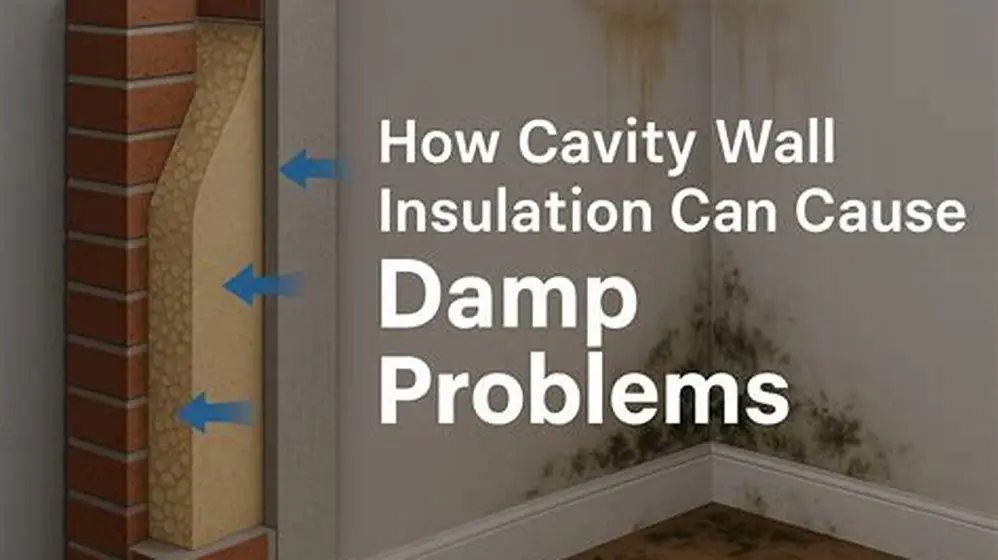
The smell concentrates near thermal bridges: anywhere cold external structure meets warm internal air. Check around chimneys, soil stacks and gable walls first. Those spots condense moisture even when the roof itself is sound. It helps to understand cavity wall insulation problems and damp before going further.
What humidity or moisture readings indicate problematic dampness
Use a pin-type moisture meter designed for insulation or wood. Press the pins 50-80 mm into the material in at least three locations: near the eaves, mid-span between trusses, and close to any roof penetration. Record each reading. Cellulose below 15% moisture content is dry and safe. Between 15% and 18% it is damp but will recover with ventilation. Above 18% it needs active drying or removal.
Relative humidity in the loft space itself matters as much as the insulation's moisture content. Mount a hygrometer at rafter height, away from direct draughts. Readings above 70% RH for more than three consecutive days mean the space isn't drying. Above 80% RH you have either a ventilation failure or an active moisture source. Outdoor humidity in the UK averages 75-85% in winter, so loft humidity should track slightly below that if ventilation works.
Check the pattern. Moisture readings that are uniform across the loft (say, all at 16-17%) point to condensation or generally high indoor humidity. Readings that spike in one area, especially near a roof valley, flashing or around a dormer, indicate a leak. A 5% difference between two spots a metre apart is enough to investigate the higher reading as a potential ingress point. We cover cellulose insulation depth in its own article.
Take readings in the morning before the loft heats up. Daytime sun warms the roof deck and drives moisture deeper into the insulation, giving falsely low surface readings. Early readings show you the overnight accumulation, which is when condensation forms.
| Reading | Status | Action needed |
|---|---|---|
| Below 15% | Dry and safe | None, normal monitoring |
| 15-18% | Elevated, drying | Check ventilation, retest in 5 days |
| 18-22% | Problem level | Identify source, improve airflow |
| Above 22% | Saturated | Remove and replace affected material |

Flir MR-PINS2-10 Moisture Pins for MR06
Gives you the full-depth readings your damp-smelling cellulose needs, with 2 in (50 mm) insulated pins that read only at the tip so a dry surface doesn't hide soaked insulation underneath.

DOOMAY Hygrometer, Indoor Temperature Humidity Monitor for Nursery |
Logs the highest and lowest humidity over each 24 hours, so you can see whether your loft's overnight RH peaks are falling between rains or the cellulose is never drying out.
How to check ventilation and drying status
Measure the clear ventilation gap at the eaves. Building Regs call for 10,000 mm² of continuous ventilation per metre of eaves run, equivalent to a 10 mm continuous slot if you multiply it out. Many older homes have far less. Shine a torch up into the soffit from outside: if you see insulation blocking the gap, pull it back at least 50 mm from the wall plate. Cellulose slumps and migrates toward edges over time, especially if it was blown in without baffles.
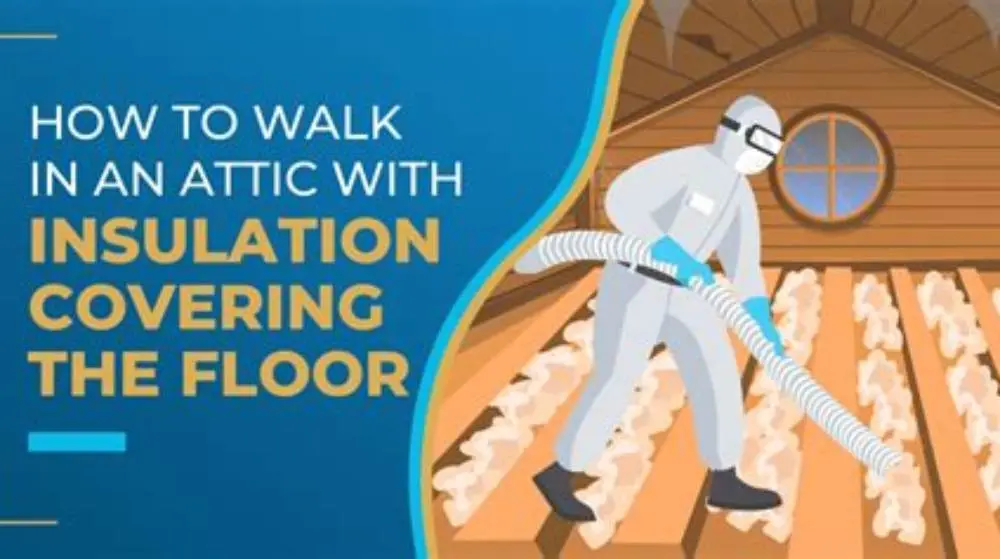
Check the ridge. A tiled ridge without a ridge vent relies entirely on eaves and gable vents for cross-flow. If your loft has no ridge ventilation and the gables are sealed for an insulated room below, moisture has nowhere to go. You'll see condensation on the underside of the roofing felt in winter mornings. That condensation drips onto the insulation. Installing a 5,000 mm² continuous ridge vent solves it in most cases. Before you commit to anything, it is worth looking at attic insulation you can walk on.
Look for blocked soffit vents. Wasps, birds and old paint all close them off. Poke a screwdriver through each vent from inside the loft. It should pass cleanly into daylight. If blocked, clear them or fit new vents. Each circular soffit vent is typically 4,000-6,000 mm², so you need at least two per metre to meet the minimum, more if the run is broken by beams.
Test airflow with smoke. Light a joss stick or a twist of newspaper, let it smoulder, and hold it near the eaves inside the loft on a calm day. The smoke should drift toward the ridge or gable. If it hangs still or moves downward, the space is stagnant. Open the loft hatch while testing to simulate the stack effect from the house below. Airflow should improve noticeably.
- Inspect soffit vents from outside: count them, check for blockages, confirm each one is clear.
- Enter the loft and pull back any insulation covering the eaves, leaving a 50 mm gap to the wall plate.
- Check for ridge or gable ventilation. If absent, plan to install a continuous ridge vent or tile vents at 1 m intervals.
- Use smoke to verify air movement from eaves to ridge. No movement means inadequate vent area or incorrect vent placement.
- Retest moisture readings five days later. Falling readings confirm ventilation is working; stable or rising readings mean a moisture source persists.
Distinguish a roof leak from condensation buildup
A leak shows up as a localised damp patch with clear boundaries, often directly below a damaged tile, worn flashing or a nail hole in the felt. The insulation there will read 20% or higher on a moisture meter while surrounding areas stay at 12-14%. Condensation spreads more evenly and affects the entire loft or a wide zone, especially the coldest areas near eaves and gables. If that sounds like your situation, read up on planning cellulose top-ups next.
Check the roof deck itself. Run your hand along the underside of the sarking or roofing felt after a day of heavy rain. A leak leaves the timber or felt wet to the touch in a specific spot, usually along a rafter line or near a valley. Condensation wets the felt uniformly across several bays, and it appears as surface moisture rather than drips or runs.
Look at timing. A leak shows up during or within hours of rain. Condensation develops overnight when the loft cools and indoor humidity condenses on cold surfaces. If the damp smell is worst on cold mornings and fades by midday, it's condensation. If it starts during a storm and stays strong for days in the same spot, investigate for a leak.
Trace staining patterns on the rafters. Water from a leak tracks along the grain of the timber, leaving a brown or black streak that points back to the entry point. Condensation causes surface mould growth that is more uniform and doesn't follow a single path. Black mould in patches across multiple rafters is a condensation signature, not a leak. We cover protecting joists from damp in its own article.
- Localised wetness: a single damp area under one tile or flashing suggests a leak.
- Widespread dampness: even moisture across multiple bays points to condensation.
- Timing: wet during rain means a leak; wet on cold mornings means condensation.
- Staining pattern: a single dark track along timber indicates a leak; diffuse mould indicates condensation.
When to consider treatment or replacement
Replace cellulose that has been wet for more than three weeks or has developed visible mould. At that point the borate treatment starts to leach out and the fire retardancy drops. Mould also indicates the material has been above 20% moisture long enough for spores to establish. Wearing it out and reblowing is cheaper than leaving mouldy insulation in place and risking spore spread into the house.
Treat for mould if the affected area is under 2 square metres and caught early. Spray a biocide formulated for loft spaces: look for products approved for use on cellulose or wood fibre. Let it dry, then improve ventilation to prevent recurrence. If the smell returns within a month, the treatment failed and the material needs removing.
Remove saturated insulation immediately if moisture readings exceed 25%. At that level the material is too heavy to dry in place and will compress, losing R-value permanently. It also stains ceiling plasterboard below through capillary action. Pull it out, bag it, and check the ceiling for brown patches. You can reinsulate once the loft and any affected plaster has dried to below 15% moisture.
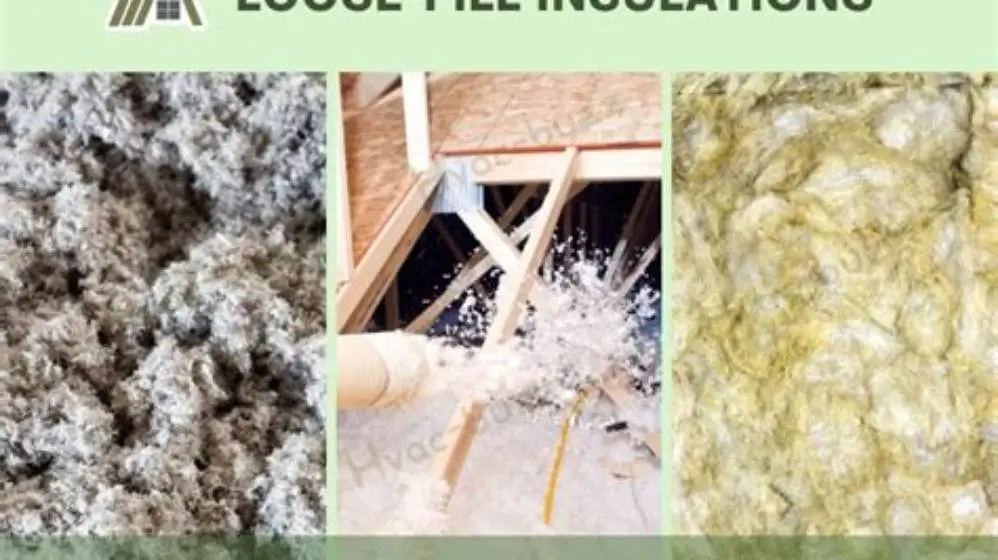
Consider switching to sheep's wool or mineral wool if cellulose has failed twice in the same property. Persistent dampness suggests either a chronic condensation problem or a roof defect you haven't traced, and cellulose is the most moisture-sensitive of the common insulation types. Wool handles brief wetting better and mineral wool is inert, though both still need dry conditions to perform.
| Condition | Moisture level | Action |
|---|---|---|
| Recent rain, drying | 15-18% | Improve ventilation, monitor |
| Persistent smell, no mould | 18-22% | Treat with biocide, check for leaks |
| Visible mould, localised | 20-25% | Remove affected section, replace after drying |
| Saturated, widespread | Above 25% | Remove all, inspect roof deck, reinsulate when dry |
Prevent recurrence after drying
Fit eaves baffles along every rafter bay to hold insulation back from the wall plate. The baffles are rigid polystyrene or cardboard channels, 50 mm deep, that maintain the ventilation gap even if insulation settles. Install them before reinsulating. They cost £1-2 each and take minutes to slot in place.
Seal penetrations through the ceiling below. Every downlight, hatch and pipe that passes through the plasterboard is a route for warm, humid air to reach the loft. Use intumescent hoods over downlights and mastic tape around hatch edges. A single unsealed downlight can add two litres of moisture per day to the loft space in winter.
Run an extraction fan in the bathroom and kitchen to code: 15 litres per second for a bathroom, 30 litres per second for a kitchen with a hob, both ducted to outside air, not into the loft. Many older installs terminate in the eaves void and dump humid air straight into the insulation. Extend the duct through the soffit or gable.
Check moisture levels twice a year, in October before heating season starts and in March when condensation risk peaks. Keep a log. Rising readings over successive years indicate either deteriorating ventilation or changes in how the house is used: more people, more showers, drying laundry indoors. Address the ventilation or the moisture source before the insulation fails.
- Eaves baffles: maintain a 50 mm clear gap for airflow at every rafter bay.
- Seal ceiling penetrations: stop warm air escaping into the loft through downlights and hatches.
- Duct extraction fans outside: never terminate bathroom or kitchen fans into the loft space.
- Log moisture readings: track seasonal changes to catch problems before they escalate.
Quick questions
How long does cellulose insulation take to dry after getting wet?
Cellulose at 15-18% moisture dries in 5-10 days with good ventilation and dry weather. Material above 20% needs two to three weeks and may require a dehumidifier in the loft to speed the process. If it's not drying after two weeks, you have an ongoing moisture source.
Can I use a dehumidifier to dry damp loft insulation?
Yes, a 12-20 litre per day dehumidifier placed in the loft speeds drying if ventilation alone isn't enough. Run it with the loft hatch closed and all soffit and ridge vents open. Empty the tank daily. It's a temporary fix: once dry, improve ventilation to prevent recurrence.
Does cellulose insulation need replacing if it gets wet once?
Not if it dries within two weeks and moisture stayed below 20%. The borate treatment survives brief wetting. If the material stays saturated longer or develops mould, replace the affected section. Cellulose that has been wet multiple times loses R-value and fire resistance.
What's the difference between a musty smell and a mould smell in loft insulation?
Musty is damp cellulose releasing volatile compounds from the paper fibres: earthy and flat. Mould smells sharper, almost sour, and usually appears as visible black or green patches on the insulation surface. Musty can dry out; mould means the material has been wet too long and needs treatment or removal.
Will a damp smell in the loft affect the rooms below?
Only if the ceiling isn't airtight. Odour migrates through gaps around downlights, hatches and service penetrations. Seal those and the smell stays in the loft. If you smell it downstairs, check for ceiling cracks or unsealed holes: damp air following the same path can cause condensation on cold walls below.