The Code for Sustainable Homes was a UK standard setting sustainability levels from 1 to 6 for new homes; it was withdrawn in 2015, replaced by tightened building regulations focusing on energy efficiency and carbon emissions.
On this page
- Quick recap
- What the Code for Sustainable Homes was
- Description of Code levels, especially levels 3 to 5
- Reference to the technical guide
- Whether the Code for Sustainable Homes is still valid or withdrawn
- How the Code for Sustainable Homes related to energy conservation in building
- Summary of what to check if your home was built under the Code for Sustainable Homes
- Quick questions
Part of our guide on characteristics of green homes
Quick facts
- Code levels
- 1 to 6
- Withdrawal year
- 2015
- Focus
- energy and sustainability
- Technical guide
- detailed criteria
- Replaced by
- building regs
Quick recap
- The code ranked homes from level 1 to level 6 based on sustainability.
- Levels 3 to 5 demanded significant energy efficiency and environmental features.
- The code was withdrawn in 2015 and replaced by updated building regulations.
- Its technical guide detailed criteria across energy, water, waste, and materials.
- Current UK standards incorporate many of its principles but under different schemes.
What the Code for Sustainable Homes was
The Code for Sustainable Homes was a UK government standard introduced to measure and improve the environmental performance of new homes. It provided a single national framework to assess sustainability, aiming to reduce carbon emissions, water use, and waste while encouraging the use of sustainable materials.
Homes were rated on a scale from Level 1 to Level 6, with Level 1 indicating basic compliance and Level 6 representing 'zero carbon' homes. The code covered several aspects including energy efficiency, water conservation, materials, surface water run-off, waste, pollution, health and wellbeing, management, and ecology.
Introduced in the late 2000s, the code was intended to drive improvements beyond basic building regulations and create a consistent approach across the UK housing sector.
Description of Code levels, especially levels 3 to 5
The Code’s six levels represented ascending standards of sustainability. Level 3 was considered the minimum for sustainable homes with noticeable improvements over building regulations at the time. It required at least a 25% improvement on Part L energy efficiency standards and moderate enhancements in water and materials use. We go through are wind turbines worth it uk step by step elsewhere on the site.
Level 4 pushed further, demanding approximately a 44% improvement in energy efficiency, greater water savings, and increased use of recycled and low-impact materials. It also encouraged on-site renewable energy sources and better waste management strategies.
Level 5 approached zero carbon standards, typically requiring homes to have very low carbon emissions through high energy efficiency and significant renewable energy generation. It also involved advanced water recycling and highly sustainable construction methods.
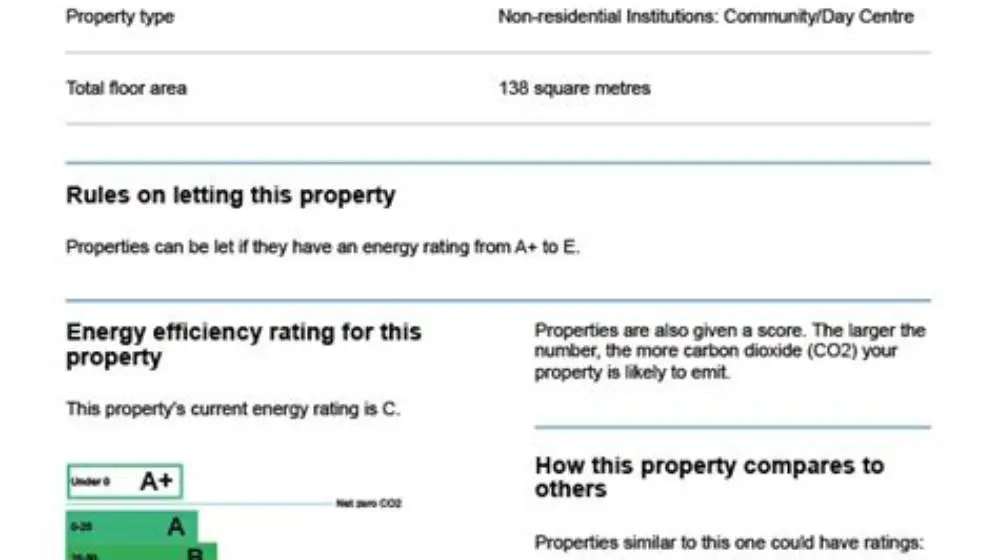
Level 6 was the highest, aiming for zero net carbon emissions over a year, requiring innovative technologies and designs beyond typical market standards. People in this spot often ask about checking epc validity uk as well.
| Level | Energy Efficiency Improvement | Water Use Reduction | Renewable Energy Requirement |
|---|---|---|---|
| 3 | 25% better than Part L | Moderate savings | Minimal or optional |
| 4 | 44% better than Part L | Significant savings | Encouraged |
| 5 | Near zero carbon | Advanced recycling | High requirement |
| 6 | Net zero carbon | Extensive recycling | Full on-site supply |

Minneapolis Blower Doors DUCT-KIT-001 Duct Blaster® System (with DG-1000)
Handles airtightness measurement with calibrated air flow from 10 to 1,500 CFM, suitable for duct systems testing.
Reference to the technical guide
The Code for Sustainable Homes Technical Guide was the official document detailing how to assess and achieve each code level. It set out the measurement methods, performance criteria, and evidence requirements for each sustainability category.
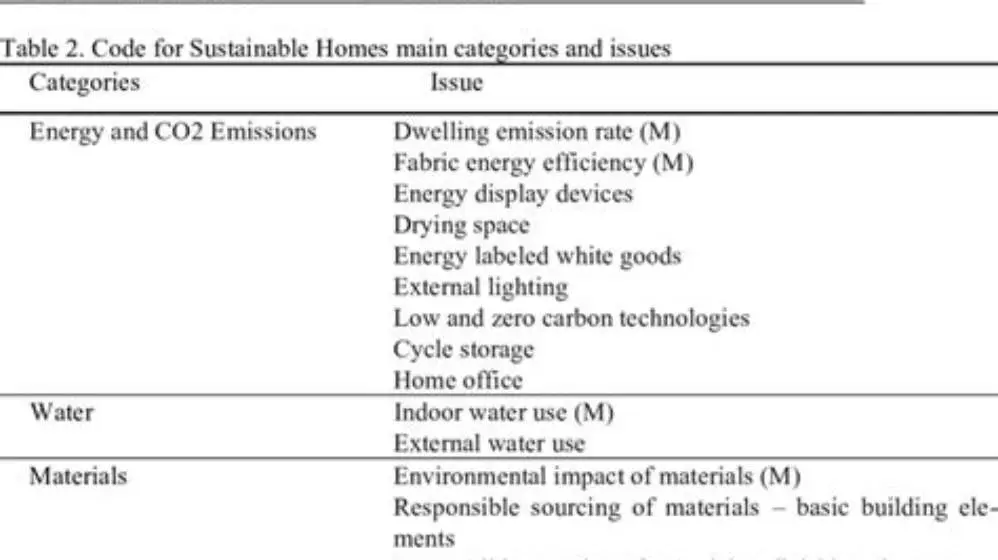
The guide was divided into categories: energy and carbon dioxide emissions; water use; surface water run-off; materials; waste; pollution; health and wellbeing; management; and ecology. Each category had specific credits to earn points that accumulated towards the overall code level.
Assessors used the guide to verify compliance during design, construction, and post-completion stages. This ensured transparency and consistent application across projects. We cover prefabricated housing basics in its own article.
The technical guide was updated periodically until the code’s withdrawal, reflecting advances in technology and policy.
The technical guide also included detailed case studies and examples to illustrate how different design choices impact the overall code score. For instance, it showed that installing a solar water heating system could earn significant credits in the energy category, often covering 5-10% of a home's hot water demand, which helped move a project closer to Level 4 or 5.
Assessors needed to provide evidence such as design drawings, specifications, and test results to demonstrate compliance. This process helped identify potential weaknesses early, such as insufficient insulation thickness or ineffective ventilation strategies, allowing corrections before construction completion. For the detail, see our notes on insulation r value glossary.
The guide emphasized lifecycle assessment of materials, encouraging the use of products with lower embodied carbon and environmental impacts. For example, choosing timber sourced from sustainably managed forests could earn credits under the materials category, promoting responsible resource use throughout the building process.
Whether the Code for Sustainable Homes is still valid or withdrawn
The Code for Sustainable Homes was officially withdrawn in 2015. The government decided to remove the code due to changes in policy and to streamline building regulations. The principles behind the code did not disappear but were absorbed into updated UK building regulations, particularly Part L which focuses on energy efficiency and carbon emissions.
Post-2015, developers and builders now comply with the Building Regulations Part L and other relevant standards to meet sustainability requirements. Local planning authorities may still reference the code’s standards in some cases, but it no longer functions as a mandatory national rating system. There is more on embodied carbon in materials in a separate guide.
This withdrawal means that homes built after 2015 are no longer assessed or certified under the Code for Sustainable Homes. Instead, new frameworks like the Future Homes Standard are being developed to continue advancing sustainability.
Although the Code for Sustainable Homes was withdrawn, some local authorities retained legacy requirements referencing the code for certain developments approved before 2015. This means that in rare cases, compliance with specific code levels could still influence planning conditions or legal agreements.
The withdrawal did not remove all incentives for sustainable building practices. Instead, it signaled a shift toward integrating sustainability more directly into building regulations and encouraging innovation through voluntary standards and certification schemes such as BREEAM and Passivhaus.
A key concern during the withdrawal was ensuring that progress in reducing carbon emissions and improving sustainability did not stall. Government and industry initiatives now focus on achieving similar or better outcomes through building regulation updates, including the Future Homes Standard targeting zero carbon new builds by 2025.
How the Code for Sustainable Homes related to energy conservation in building
Energy conservation was a core focus of the Code for Sustainable Homes. It required homes to reduce carbon emissions through better insulation, efficient heating systems, airtightness, and the integration of renewable energy sources.
The energy category accounted for the largest share of points towards the code levels. Higher code levels demanded increasingly stringent energy efficiency improvements compared to the baseline standards in building regulations at that time.
For example, Level 4 required a 44% improvement over Part L 2006, and Levels 5 and 6 pushed towards zero carbon homes using advanced technologies like solar photovoltaic panels, heat pumps, and mechanical ventilation with heat recovery.
This focus helped drive innovation in low-energy building techniques and raised awareness among builders and homeowners about reducing fuel bills and carbon footprints.
The code also required mandatory airtightness testing for homes, typically aiming for an air permeability rate of less than 5 m³/(h·m²) at 50 Pa pressure, which was stricter than many building regulations at the time. Meeting this requirement helped minimize heat loss through drafts and improved overall energy performance.
An example from the code’s energy criteria is that a Level 3 home might achieve a SAP (Standard Assessment Procedure) rating of around 70-75, compared to an average new home rating of 60-65 at that time. This quantitative metric provided a clear benchmark for builders and designers.
The Code encouraged adopting renewable energy technologies not only for compliance but also to reduce running costs and carbon footprints. Solar photovoltaic panels sized between 1 kWp and 3 kWp were common installations to meet higher levels, often generating 800-2,500 kWh annually depending on location, which could cover a significant portion of a household’s electricity needs.
Summary of what to check if your home was built under the Code for Sustainable Homes
If your home was constructed between the late 2000s and 2015, it may have been designed to meet a Code for Sustainable Homes level. Check the documentation or ask your builder for any Level certification or assessment reports.
Pay special attention to energy performance certificates (EPCs), which were often influenced by the code’s requirements. A code Level 3 or above usually meant better-than-average energy efficiency and sustainability features.
If you want to verify specific features like insulation thickness, heating system efficiency, or renewable energy installations, consider hiring a qualified energy assessor. They can perform tests such as air tightness or thermal imaging to confirm actual performance.
Understanding your home's original sustainability standard helps identify if upgrades or retrofits could improve comfort and reduce bills further.
- Locate building documentation mentioning the Code for Sustainable Homes or EPC rating.
- Identify the code Level your home was built to, if any.
- Review original specifications for insulation, heating, and renewable energy.
- Hire an energy assessor to test current performance if needed.
The Code for Sustainable Homes was a useful benchmark but its withdrawal shifts focus entirely to updated building regulations.
Quick questions
Can I still get a Code for Sustainable Homes certificate for a new build?
No, the code was withdrawn in 2015 and is no longer used for new builds. Current standards follow updated building regulations.
How does the Code for Sustainable Homes compare to current building regulations?
The code was more comprehensive but is now largely replaced by tighter energy efficiency requirements within building regulations and new standards like the Future Homes Standard.
What was the highest sustainability level under the code?
Level 6 aimed for zero net carbon emissions, requiring advanced technology and building design beyond typical standards.
Is there a way to find out what level my home was built to?
Check your home's original EPC, building documentation, or ask a qualified assessor familiar with the code.
Did the Code for Sustainable Homes cover existing homes?
No, it was only applied to new build homes during its active period.