HVAC retrofit means upgrading parts of your heating and cooling system to improve performance without full replacement.
A HVAC retrofit is the process of upgrading or replacing specific components of an existing heating, ventilation, and air conditioning system to improve efficiency or performance without installing a completely new system.
On this page
- The short version
- What is retrofitting HVAC
- Definition of HVAC retrofit
- Examples of HVAC retrofit components
- How HVAC retrofit differs from new installation or repair
- Planning a staged HVAC retrofit that balances cost disruption and savings
- Why HVAC retrofit matters for homeowners and landlords
- Questions people still ask
Part of our guide on staged home retrofit
Understand how upgrading specific HVAC components can save energy and money without a full system replacement.
| Retrofit scope | Partial upgrade |
|---|---|
| Common components | Thermostat, ductwork, filters |
| Energy savings | 10-30% typical |
| Disruption level | Low to moderate |
| Cost compared to new | Lower upfront |
| Installation time | Hours to days |
The short version
- HVAC retrofit targets select system parts, not full replacement
- Common retrofits include new thermostats, duct sealing, and efficient components
- Retrofit balances upfront cost, disruption, and energy savings
- Retrofitting differs sharply from repair and new system installation
- Planning a staged retrofit helps spread costs and minimize disruption
What is retrofitting HVAC
A HVAC retrofit means replacing or upgrading parts of an existing heating, ventilation, and air conditioning system rather than installing an entirely new system. It typically involves swapping out components like thermostats, filters, ductwork, or compressors that no longer operate efficiently or meet your needs.
Retrofitting is usually chosen to improve energy efficiency, reduce bills, or address system issues without the full expense and disruption of new installation. The scale varies widely: some retrofits might only replace the thermostat, while others could add insulation to ducts or upgrade the heat pump unit.
The key is that the main system framework remains intact. Modifications aim to extend system life and performance while minimizing cost and installation time compared to a complete HVAC replacement.
Retrofitting HVAC systems also requires careful consideration of the building's age and design. For example, older homes with uninsulated walls or single-pane windows may not see as much energy savings from HVAC upgrades alone without concurrent improvements in building envelope. In such cases, retrofitting the HVAC can still improve comfort but energy savings might only range around 5-15% instead of higher percentages seen in well-insulated modern homes. We go through fixing compressed roof insulation step by step elsewhere on the site.
A practical check after retrofit is to monitor your energy bills for 3 to 6 months and compare with previous years. If energy usage does not drop by at least 10%, it could indicate issues like poor installation, hidden duct leaks, or system sizing mismatches. This feedback loop helps confirm retrofit success or signals the need for further interventions.
Definition of HVAC retrofit
HVAC retrofit refers to the targeted modification of an existing heating and cooling system to improve its efficiency, reliability, or comfort delivery. The term excludes routine repairs and new system installations because it focuses on deliberate part swaps or additions.
A retrofit can include replacing inefficient motors with higher efficiency models, sealing or insulating existing ductwork to reduce leaks, or installing smart thermostats that offer better control and scheduling than older models. These changes depend on your system’s current condition and your home’s heating and cooling demands. It helps to understand costs under future homes standard before going further.
Retrofit projects usually seek to balance improved energy performance with manageable installation time and cost. The exact definition varies slightly by context, but it always involves adapting existing infrastructure instead of starting fresh.
The definition of HVAC retrofit can also extend to adding new technology that integrates with existing systems, such as zoning controls or air purification modules. These additions can enhance comfort and indoor air quality without replacing the core HVAC equipment. For instance, installing UV lamps inside air handlers to reduce microbial growth can be considered a retrofit that improves system hygiene and occupant health.
Some retrofits require compatibility checks. For example, upgrading just the thermostat to a smart model may not deliver expected savings if the rest of the system cannot modulate output accordingly. Therefore, a proper retrofit plan assesses component interoperability and potential software updates needed. We cover key installation considerations in its own article.

Hot Wire Anemometer AM-286
Helps measure airflow volume in CFM by entering duct area, enabling accurate duct leakage quantification for HVAC retrofit planning.
Examples of HVAC retrofit components
Common HVAC retrofit components include thermostats, filters, duct sealing materials, motors, compressors, coils, and ventilation fans. Each replaces or upgrades a specific part that affects efficiency or comfort.
For example, upgrading to a programmable or smart thermostat can reduce heating and cooling costs by 10-30% by better matching operation to occupancy. Sealing duct leaks typically reduces energy loss by 20-40%, depending on how leaky your ducts are.
Other frequent retrofits include installing variable speed blower motors, which more precisely adjust airflow to demand, or replacing old compressors with more efficient models. Adding insulation around ductwork or upgrading to higher MERV rated filters also improves system performance. Before you commit to anything, it is worth looking at eco home building prices uk.
Choosing the right components depends on system age, home size, and existing inefficiencies. It’s key to prioritize parts that deliver the biggest savings or comfort gains for your investment.
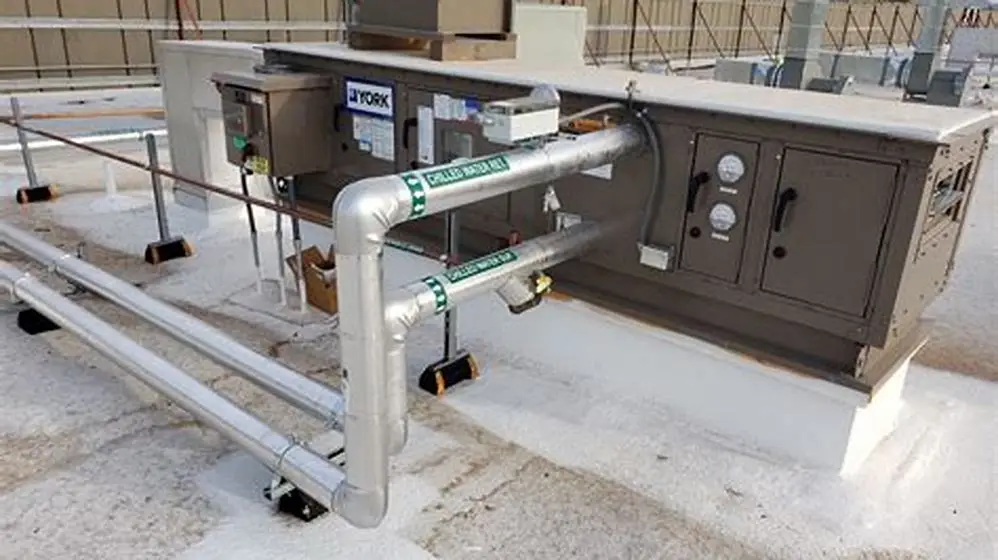
A less commonly considered retrofit component is the addition of economizer controls on rooftop units. Economizers use outside air for cooling when conditions permit, reducing compressor runtime. Adding or upgrading economizer functionality can cut cooling energy use by 15-25%, especially in mild climates. This retrofit usually involves sensor and control upgrades rather than equipment replacement.
Another example is upgrading refrigerant lines or adding variable refrigerant flow (VRF) technology components to existing systems. VRF retrofits can improve comfort by matching cooling or heating precisely to zones and reduce energy costs by 20-40%. However, this retrofit is more complex and may require partial equipment replacement to integrate properly.
| Component | Benefit | Typical Energy Savings |
|---|---|---|
| Smart Thermostat | Better temperature control | 10-30% |
| Duct Sealing | Reduced air leaks | 20-40% |
| Variable Speed Motor | Efficient airflow | 5-15% |
| High-Efficiency Filter | Improved air quality | N/A |
| Modern Compressor | Lower power consumption | 10-25% |
How HVAC retrofit differs from new installation or repair
Retrofit replaces select HVAC parts to enhance performance. New installation means entirely removing and replacing the whole system, including all major components and ductwork if needed. Repair is fixing broken or malfunctioning parts to restore original function without upgrades.
Retrofitting carries less upfront cost and less home disruption than a new system. However, its energy savings and lifespan extension are usually less dramatic. Repairs are often the quickest and cheapest fix but don’t improve efficiency or extend system life much.
Choosing retrofit over new installation depends on system age, condition, budget, and energy goals. If an HVAC unit is over 15 years old or failing major parts, full replacement might be more cost-effective long term. Retrofit suits systems in fair shape where targeted upgrades can delay full replacement.
Understanding these distinctions helps you decide which approach fits your priorities best.
Sometimes retrofit attempts go wrong when system components are mismatched. For example, installing a high-efficiency blower motor without adequately sealing ducts can cause increased static pressure, leading to noisy operation and reduced airflow. This shows up as uneven room temperatures or unexpected fan noises, requiring a re-assessment of ductwork and motor specifications.
A useful check after retrofit is to measure airflow at vents and compare it to manufacturer specifications. Significant deviations can indicate installation errors or incompatible component upgrades. Such measurements often use an anemometer and help ensure that the retrofit delivers the intended improvements in system performance.
| Approach | Scope | Cost | Energy Savings | Disruption |
|---|---|---|---|---|
| Repair | Fix broken parts | Low | None | Minimal |
| Retrofit | Partial upgrade | Moderate | 10-30% | Low to moderate |
| New installation | Complete system | High | 30-50%+ | High |
Planning a staged HVAC retrofit that balances cost disruption and savings
A staged retrofit breaks the HVAC upgrade into phases to spread costs and reduce disruption. For example, start with low-cost measures like thermostat and filter replacement. Next, seal and insulate ductwork, then replace motors or compressors as needed.
This approach lets you prioritize changes that deliver the biggest energy savings first and delay expensive interventions. Each stage usually takes hours to a day, causing little inconvenience compared to a full teardown.
Careful planning requires assessing system condition and tracking energy bills or performance metrics after each stage. Use tools like an airflow meter or duct leakage tester to pinpoint inefficiencies before upgrading parts. This guides investment to where it matters most.
Staged retrofits work well in occupied homes or rentals where minimizing disruption is key. They also make the project manageable if upfront capital is limited.
Besides cost and disruption, another factor in staged retrofits is seasonal timing. For example, scheduling duct sealing and insulation work during mild weather improves curing of sealants and minimizes downtime during peak heating or cooling seasons.
An example plan might start in early spring with thermostat and filter upgrades, follow with duct sealing in late spring, and complete compressor or motor replacements in early fall before winter use. This staged timing allows for monitoring incremental savings and adjusting later phases based on observed performance improvements.
- Inspect current HVAC system for inefficiencies and failures
- Replace easily changed components like filters and thermostats
- Seal and insulate ductwork to reduce air leaks
- Upgrade motors, compressors, or coils for efficiency gain
- Monitor performance and plan further upgrades if cost-effective
Why HVAC retrofit matters for homeowners and landlords
Retrofitting HVAC systems can significantly cut energy bills and carbon emissions without the full expense of replacement. Homeowners see returns in comfort, lower utility costs, and extended equipment life.
Landlords can improve property value and attract tenants with efficient heating and cooling. Retrofitting also reduces costly emergency repairs by addressing aging components before failure.
However, retrofitting is not always the best choice. For very old or failing systems, full replacement may be smarter. Yet for the majority with moderately aged HVAC units, retrofit offers a balanced, practical path to better performance.
This choice supports lower-carbon homes and healthier indoor environments while managing budget and disruption. Understanding what a HVAC retrofit is, and how to plan it well, puts control back in your hands.
In rental properties, retrofitting can also enhance tenant satisfaction by improving air quality and comfort, which reduces turnover rates. For instance, adding higher MERV rated filters during retrofit can capture more allergens and particulate matter, beneficial especially in urban environments or for tenants with respiratory sensitivities.
A worked example: A landlord replaces aging single-speed motors with variable speed units and seals ducts. Annual energy bills drop from $1,500 to about $1,100, a 27% saving. The retrofit cost $3,000, so payback occurs in roughly 4 years, besides reducing maintenance calls and improving tenant retention.
Questions people still ask
How do I know if my HVAC system needs a retrofit?
Look for higher than usual energy bills, uneven heating or cooling, frequent repairs, or system age over 10 years. An HVAC professional can perform efficiency tests and duct leakage measurements to diagnose retrofit opportunities.
Can I retrofit HVAC myself or do I need a pro?
Simple retrofits like installing a programmable thermostat or replacing filters can be DIY projects. More complex work like sealing ducts, upgrading motors, or compressors requires licensed HVAC technicians for safety and code compliance.
What savings can I expect from a HVAC retrofit?
Typical savings range between 10-30% on heating and cooling energy, depending on retrofit scope and existing system efficiency. Benefits scale with how leaky or inefficient your current setup is.
Is HVAC retrofit worth it compared to new installation?
Retrofit is cost-effective if your system is moderately aged and mostly functional but inefficient. New installation pays off for very old or failing systems needing major parts replaced anyway.
How long does a typical HVAC retrofit take?
Small retrofits like thermostat replacement take under an hour. Larger retrofits involving duct sealing or component swaps typically take several hours to a couple of days, depending on project complexity.