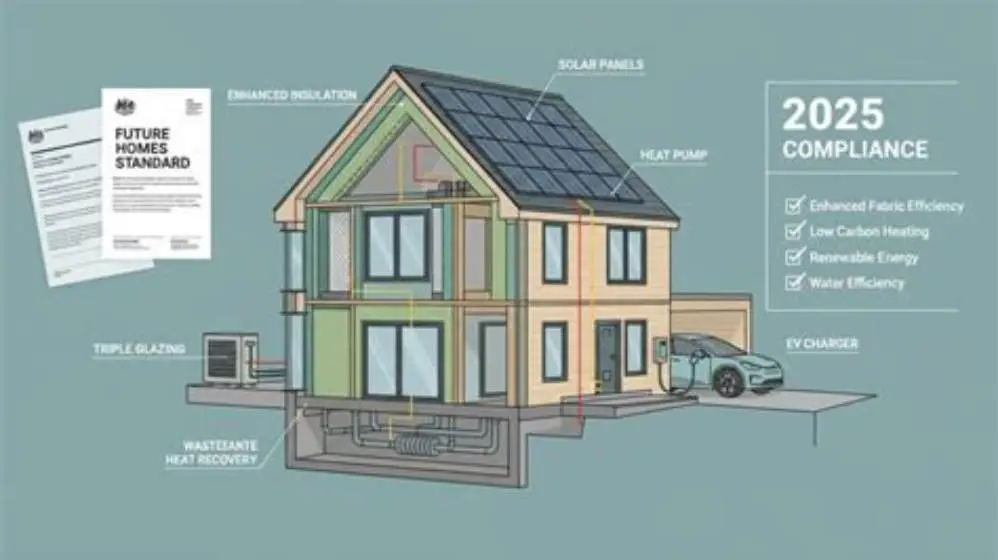
The Future Homes Standard requires new UK homes from 2025 to emit 75-80% less carbon than current standards by using low-carbon heating and high insulation, which means buyers face higher upfront costs but lower energy bills and better EPC ratings.
On this page
- Quick recap
- Key building performance standards under the Future Homes Standard
- How these standards affect new build design and energy features
- Cost and savings implications for buyers
- Timeline for implementation and what buyers should check
- Future Homes Standard what it means for new build buyers
- Planning a staged retrofit to balance cost, disruption and savings
- Quick questions
Part of our guide on staged home retrofit
Quick facts
- Carbon reduction
- 75-80% less
- Implementation year
- 2025
- Typical cost increase
- 5-10%
- EPC rating minimum
- A or B
- Heating required
- Low-carbon
- Insulation levels
- Significantly higher
Quick recap
- New builds from 2025 must reduce carbon emissions by about 75-80%.
- Homes require low-carbon heating like heat pumps and high insulation.
- Buyers should budget for around 5-10% higher purchase costs.
- Energy bills will be significantly lower, offsetting initial costs.
- Check for Future Homes Standard compliance when buying new build.
Key building performance standards under the Future Homes Standard
The Future Homes Standard mandates new homes built in England from 2025 must reduce carbon emissions by about 75-80% compared to current Building Regulations (Part L 2013). This is achieved mainly through ultra-efficient insulation, airtightness, and low-carbon heating systems.
Homes must reach an Energy Performance Certificate (EPC) rating of A or B, up from the usual D or C seen today. That means walls, floors, and roofs have U-values typically below 0.15 W/m²K, depending on the material and design.
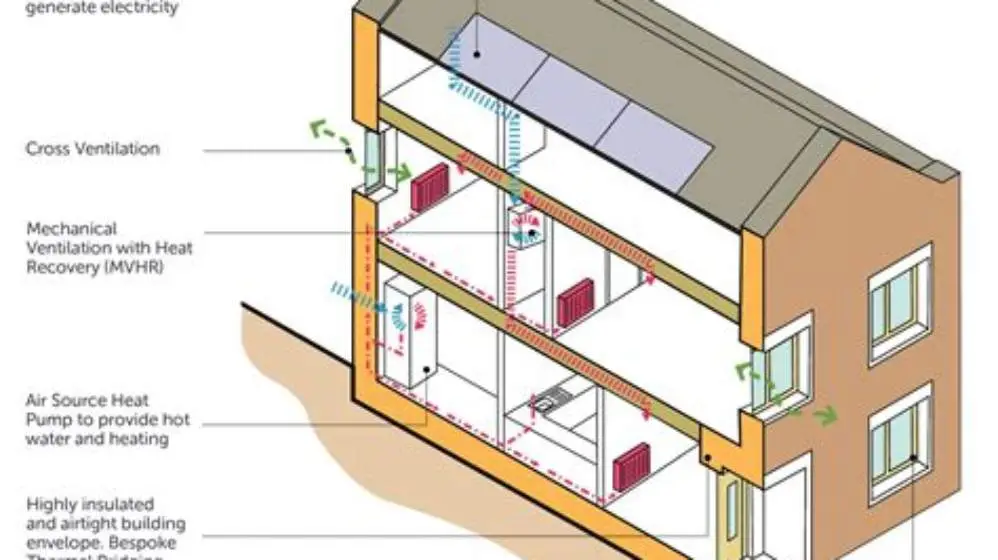
Heating must come from low-carbon technologies such as air-source or ground-source heat pumps, solar thermal, or hydrogen-ready boilers instead of standard gas boilers. Electrical demand is also expected to rise to support heat pumps and battery storage.
How these standards affect new build design and energy features
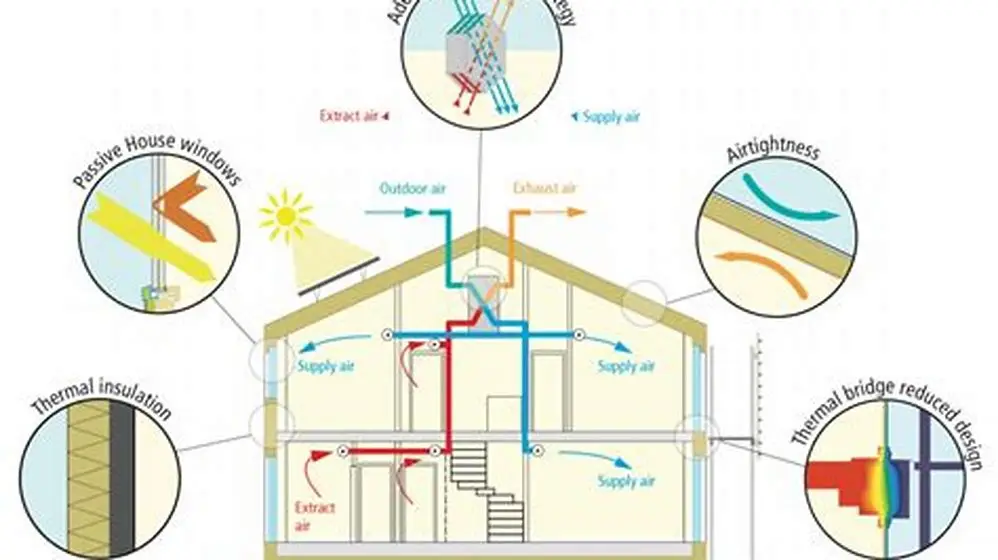
Designers respond to Future Homes Standard by increasing insulation thickness, improving airtightness to less than 3 m³/h/m² at 50 Pa pressure, and integrating mechanical ventilation with heat recovery (MVHR) systems to maintain air quality while reducing heat loss. It helps to understand what does it cost to build an eco home uk before going further.
Low-carbon heating systems add complexity and cost but cut carbon. Heat pumps require larger pipework, space for outdoor units, and sometimes underfloor heating for efficient operation. Solar PV panels are commonly included to generate electricity onsite.
These features affect internal layouts, require careful planning to avoid overheating in summer, and demand skilled installation. Buyers should expect new homes to look similar externally but include these hidden performance upgrades.
The integration of smart home technologies is increasingly common in Future Homes Standard builds, allowing better control over heating, ventilation, and electricity use. These systems can improve comfort and efficiency but require user familiarity or training. For the detail, see our notes on measuring zero carbon performance.
In some designs, solar PV output is paired with battery storage to enable self-consumption of generated electricity, reducing reliance on the grid and lowering running costs further. This technology can add upfront cost but significant lifetime savings.
Designers must also consider overheating risks more carefully, especially with increased insulation and airtightness. Features such as shading devices, ventilation strategies, and heat recovery systems are planned to ensure summer comfort without increasing energy use.

Handheld Thermal Camera, High Accuracy 256x192 IR Resolution Thermal Imaging
No insulation effectiveness figure in W/m²K is published to assess insulation detection capability.
Cost and savings implications for buyers
New builds meeting the Future Homes Standard typically cost 5-10% more to construct due to better materials, complex systems, and certification. For a house costing £300,000, that can mean an extra £15,000-£30,000 upfront. Before you commit to anything, it is worth looking at components changed in hvac retrofits.
However, buyers benefit from lower energy bills: heat pumps can cut heating costs by 30-50% compared to gas boilers, depending on electricity tariffs and home size. Reduced maintenance and higher resale values also factor in.
Grants such as the Boiler Upgrade Scheme may help offset costs if buyers or developers install eligible low-carbon heating. Long-term savings often cover the initial premium within 7-10 years, but this depends on usage and energy prices.
Timeline for implementation and what buyers should check
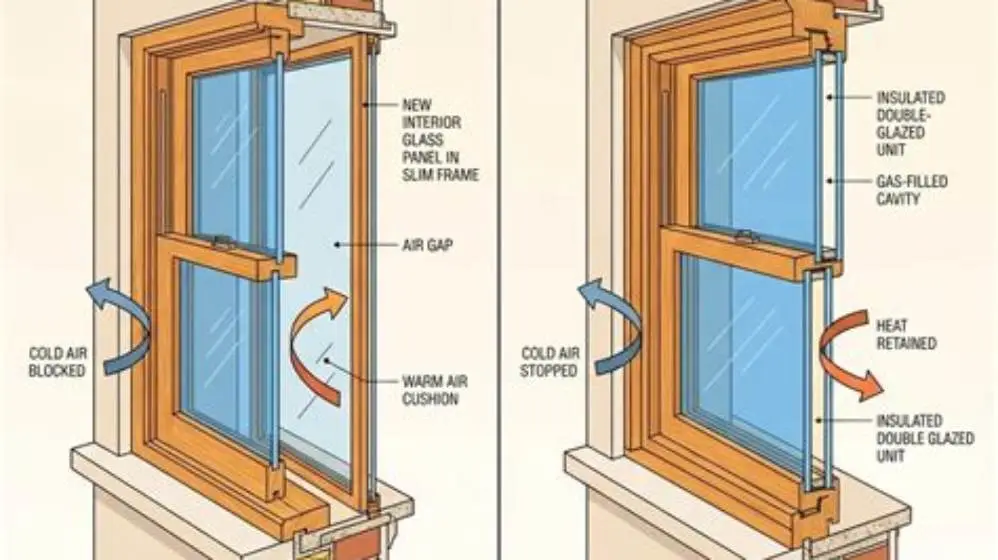
The Future Homes Standard takes effect for all new homes in England from 2025. However, some local authorities or projects may require early compliance or higher standards sooner. If that sounds like your situation, read up on period home secondary vs double glazing next.
Buyers should verify any new home’s certification against the Future Homes Standard, including EPC rating, heating type, and ventilation system. Developers are obliged to provide this information.
Check planning documents and ask for evidence of compliance such as design specifications and commissioning certificates. Delays or exemptions may apply, but understanding these is crucial to avoid surprises.
Buyers should also be aware that while the 2025 deadline applies broadly, some developments begun earlier may not fully meet the standard but will still need to comply with transitional regulations. This means that homes completed between now and 2025 might have varied performance levels, so verifying exact specifications for these is crucial. The other half of this decision is mvhr single pane windows.
It is also important to check whether the heating systems installed are eligible for current grant schemes, as some low-carbon technologies like hydrogen-ready boilers are less common and may have different support mechanisms. Confirming any ongoing warranty or maintenance agreements related to these systems can prevent unexpected costs.
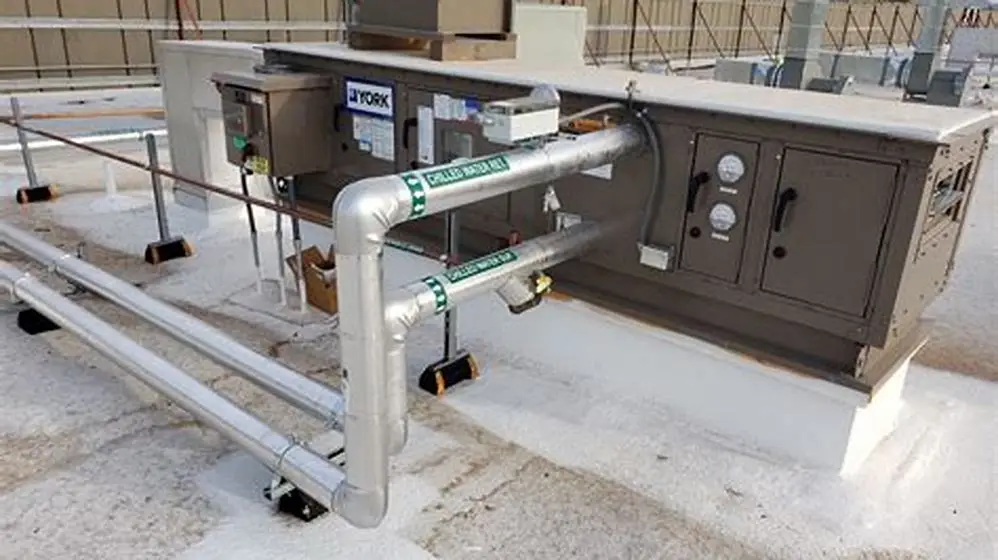
In addition to paperwork, physically inspecting key features like ventilation units, the presence of heat pump outdoor units, and solar PV panels can help buyers confirm compliance. Experienced independent assessors or building inspectors can provide an extra layer of verification before purchase.
Future Homes Standard what it means for new build buyers
The Future Homes Standard means new build buyers will pay more upfront but gain homes that are warmer, healthier, and cheaper to run. The standard ensures these homes produce about 75-80% less carbon emissions than current builds.
Buyers gain assurance their home meets high environmental standards and is future-proofed against tighter regulations and rising energy costs. However, low-carbon heating may come with unfamiliar controls and maintenance.
Understanding these changes helps buyers budget appropriately and avoid unexpected expenses. They should prioritise checking heating systems, insulation levels, and EPC ratings when choosing a new build.
An important consideration for new build buyers is that the Future Homes Standard may impact the speed and availability of properties on the market, as developers adapt to new requirements and supply chains for specialist materials and equipment adjust. This can sometimes lead to longer build times or fewer homes available initially.
In some cases, the learning curve with new technologies means early adopters might encounter teething issues such as heat pump noise or ventilation balancing problems, which developers should address through commissioning and handover processes. Buyers should seek comprehensive user guides and post-sale support.
Future-proofing also means that homes built to the standard are likely more resilient to future energy price shocks and regulatory changes, potentially offering better long-term value and comfort, particularly as carbon taxes or stricter energy mandates become more common.
Planning a staged retrofit to balance cost, disruption and savings
Although the Future Homes Standard applies to new builds, many buyers will consider retrofitting existing homes to meet similar standards. Planning staged works balances cost and disruption by prioritising insulation first, followed by heating upgrades.
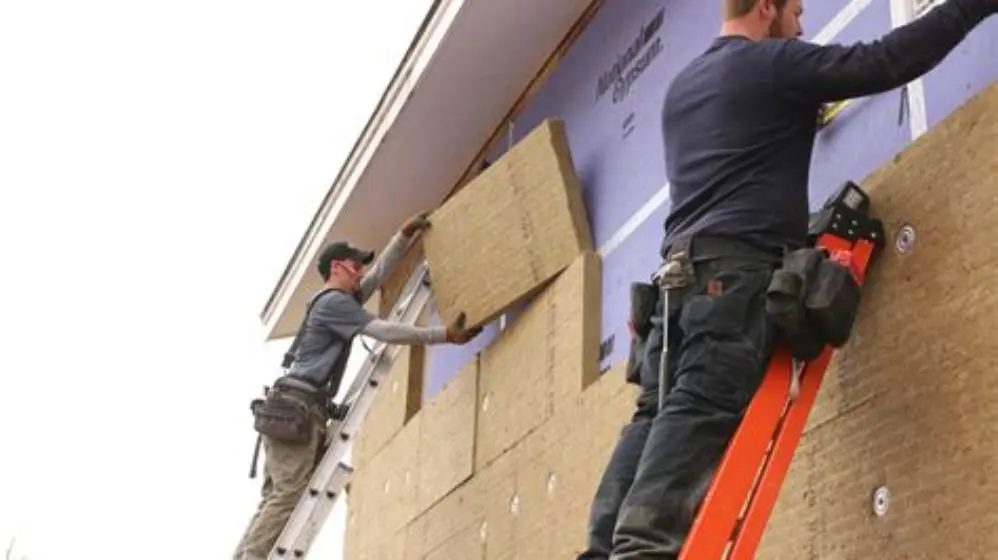
Start with improving thermal elements like loft, wall, and floor insulation to reduce heat loss. This typically lowers bills and carbon emissions significantly without immediate heating system changes.
Next, replace old boilers with heat pumps or other low-carbon systems when ready. Grants like ECO4 and the Warm Homes Plan support these upgrades. Consider adding solar PV and battery storage to maximise savings and self-sufficiency.
This staged approach spreads costs over years, allows learning and adjustment, and minimises disruption while steadily improving comfort and efficiency.
- Step 1 - Improve insulation levels to key areas first
- Step 2 - Install low-carbon heating like heat pumps
- Step 3 - Add renewable energy systems like solar panels
- Step 4 - Monitor energy use and adjust controls
Quick questions
Will the Future Homes Standard increase the price of all new builds?
It generally adds about 5-10% to costs due to improved materials and systems but varies with house size and location. Energy savings over time offset this.
Can new build buyers opt out of low-carbon heating requirements?
No, from 2025 all new builds must include low-carbon heating like heat pumps or hydrogen-ready boilers.
What EPC rating must new build homes achieve under the Future Homes Standard?
New homes must reach EPC A or B, significantly higher than current minimum levels for new builds.
Are there grants available to reduce Future Homes Standard costs for buyers?
Grants like the Boiler Upgrade Scheme and local incentives can help with low-carbon heating installation costs.
How can buyers verify a new build meets the Future Homes Standard?
Request EPC certificates, heating system details, and design compliance documents from the developer before purchase.