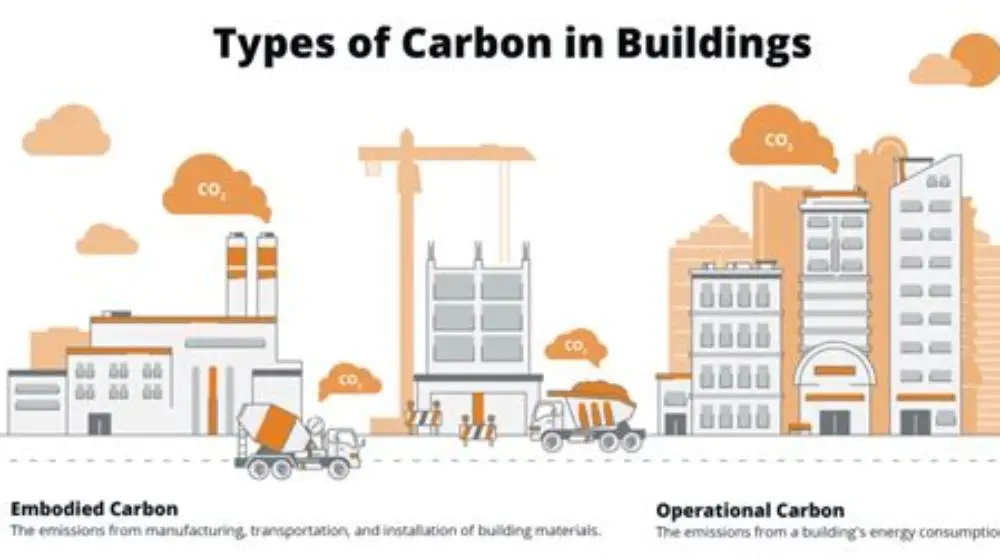
Embodied carbon in building materials is the total greenhouse gas emissions from raw material extraction to installation on site, typically measured in kilograms of CO2 equivalent per kilogram of material. UK levels vary widely by material, from around 100 to 1200 kg CO2e per tonne.
On this page
- Quick recap
- What embodied carbon means in building materials
- Which life cycle stages are included in embodied carbon
- Examples of embodied carbon values for common materials in UK construction
- Why embodied carbon matters for UK homeowners and landlords
- How to measure and reduce embodied carbon in your building project
- What embodied carbon means in building materials
- Quick questions
Part of our guide on what is a green home
Quick facts
- Embodied carbon unit
- kg CO2e per tonne
- Typical concrete value
- 100-300 kg CO2e/t
- Typical steel value
- 1000-1200 kg CO2e/t
- Life cycle stages included
- Extraction to installation
- Embodied vs operational
- Separate carbon types
Quick recap
- Embodied carbon includes extraction, manufacture, transport, and installation stages.
- Common UK building materials show embodied carbon from roughly 100 to 1200 kg CO2e/t.
- Reducing embodied carbon improves a building’s overall environmental impact.
- Embodied carbon is separate from operational carbon like heating and lighting.
- Knowing embodied carbon helps choose lower-impact materials and qualify for green grants.
What embodied carbon means in building materials
Embodied carbon refers to the total greenhouse gases emitted during the life cycle of building materials, measured as carbon dioxide equivalent (kg CO2e). It includes everything from raw material extraction, processing, manufacturing, transportation, and final installation on site. This figure excludes operational carbon, which is the emissions from running the building after completion.
Understanding embodied carbon matters because construction can account for 10-20% (or more) of a building’s total lifetime emissions. You reduce this carbon footprint by choosing materials and methods with lower embodied carbon values. Though figures vary, typical values fall widely depending on the material’s nature and processing energy.
In UK building projects, embodied carbon assessments are increasingly required for planning and green building certifications. This measure helps focus efforts beyond operational energy savings towards truly lower-impact construction.
Embodied carbon is influenced by the choice of material source; for example, recycled steel can have up to 50% less embodied carbon than virgin steel. This variation means that project-specific sourcing decisions greatly affect overall emissions. Moisture content in materials like timber can slightly alter embodied carbon due to additional drying energy during processing. The other half of this decision is history of sustainable homes code.
A practical check on embodied carbon impacts is to compare the total carbon of a material per unit area or volume used in construction. For instance, using 1 cubic meter of concrete at 2400 kg/m³ density with 200 kg CO2e/t results in approximately 480 kg CO2e embodied carbon, helping quantify trade-offs in design choices.
Which life cycle stages are included in embodied carbon
Embodied carbon covers four main life cycle stages: raw material extraction, manufacture, transport, and installation. Extraction involves quarrying or harvesting natural resources. Manufacture includes processes such as milling timber, smelting metals, or mixing concrete. Transport accounts for emissions from moving materials by road, rail, or sea. Installation includes activities like cutting, fixing, and waste during construction.
A key uncertainty is the boundary for installation emissions – some assessments stop at site delivery, while others include energy used on site. UK guidance generally includes transport to site and installation energy but excludes operational emissions after handover. It helps to understand low embodied carbon insulation before going further.
This scope means embodied carbon calculations are consistent but require accurate data from suppliers and transport logs. You should check the scope of any embodied carbon data presented, especially if comparing materials or suppliers.
Installation stage emissions can spike if on-site machinery is fuel-intensive or inefficient; for example, using diesel-powered cutting tools extensively may add 10-20% more embodied carbon than estimated from just material delivery. Therefore, assessing actual site practices is important for precise measurement.
Transport emissions vary widely with distance and mode: road transport for 100 km may add 10-30 kg CO2e per tonne, while sea freight for 1000 km might only add around 5-10 kg CO2e per tonne. This variability requires detailed transport data for accurate embodied carbon accounts. We go through understanding u-values step by step elsewhere on the site.
Examples of embodied carbon values for common materials in UK construction
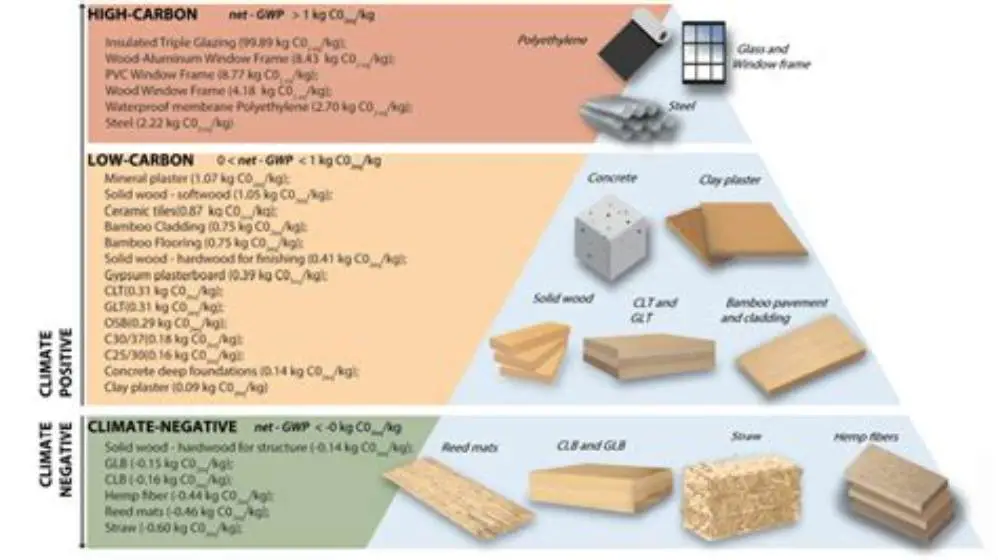
Typical embodied carbon levels vary significantly among common materials used in UK construction. Concrete, widely used for foundations and walls, usually has an embodied carbon around 100-300 kg CO2e per tonne, depending on cement content. Cement itself is the main driver and can vary between 700-900 kg CO2e/t of cementitious material.
Steel used in structural frames has much higher embodied carbon, commonly 1000-1200 kg CO2e per tonne because of energy-intensive smelting and refining. Timber, especially responsibly sourced softwood, tends to have lower embodied carbon, roughly 200-400 kg CO2e/t, with some credits possible if sustainably harvested or reused.
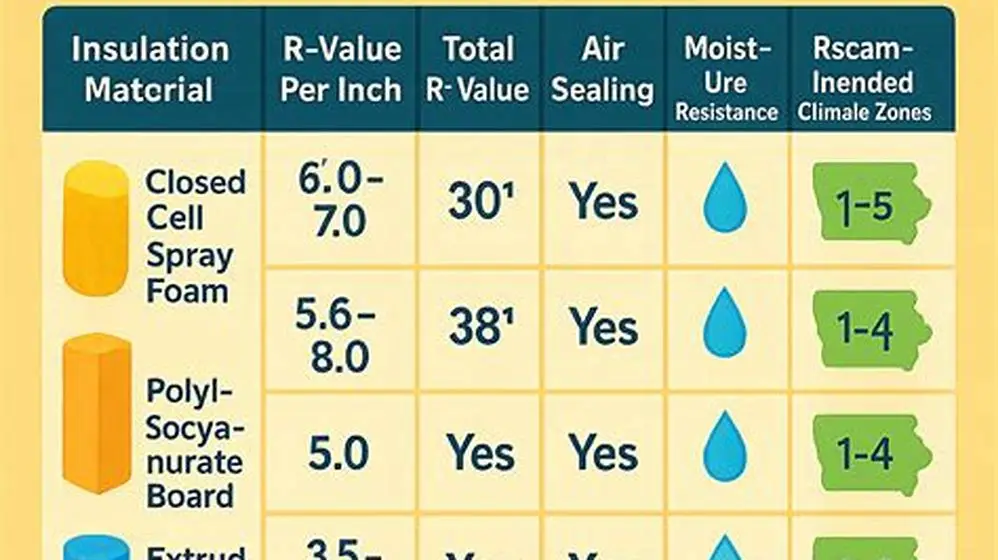
Insulation materials vary widely; mineral wool might be 700-1000 kg CO2e/t while natural materials like sheep’s wool or cellulose are often under 200 kg CO2e/t. Plastic-based materials and composites generally have higher embodied carbon as well. For the detail, see our notes on insulation r value glossary.
These figures are averages and depend on factors like supplier, transport distances and product mix. Embodied carbon calculations must also consider waste and recycling rates.
| Material | Typical embodied carbon (kg CO2e/t) | Notes |
|---|---|---|
| Concrete (general) | 100-300 | Depends on cement content |
| Cement | 700-900 | Main concrete carbon driver |
| Steel (structural) | 1000-1200 | Energy intensive processes |
| Softwood timber | 200-400 | Depends on sourcing and treatment |
| Mineral wool insulation | 700-1000 | Manufacturing energy |
| Natural insulation (e.g. sheep's wool) | 100-200 | Sustainably sourced |
Why embodied carbon matters for UK homeowners and landlords
Embodied carbon directly impacts a building’s overall greenhouse gas emissions, which increasingly influence regulations, planning permissions, and eligibility for green funding. UK schemes like the Boiler Upgrade Scheme and ECO4 focus on operational efficiency but embodied carbon reduction is gaining traction.
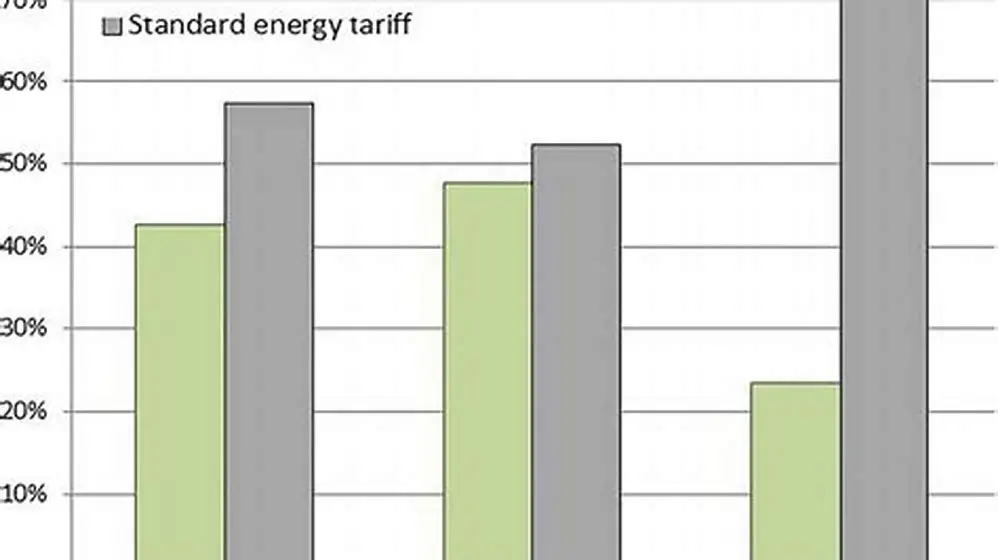
Homeowners and landlords aiming for better EPC ratings often overlook embodied carbon, focusing only on energy use after occupancy. However, for long-term carbon savings and to meet net zero goals, embodied carbon must be reduced by selecting lower-impact materials or reusing existing ones. We cover understanding renewable energy tariffs in its own article.
Choosing materials with lower embodied carbon can sometimes cost more upfront but lead to better sustainability credentials, potentially qualifying for grants or raising property values. Conversely, ignoring embodied carbon risks higher carbon costs and regulatory challenges in future retrofit or redevelopment.
Embodied carbon considerations are increasingly relevant as UK building regulations evolve; for instance, the Future Homes Standard aims to reduce operational emissions drastically, which proportionally increases the relative importance of embodied carbon in new homes. Homeowners planning long-term holdings must therefore anticipate stricter embodied carbon reporting requirements.
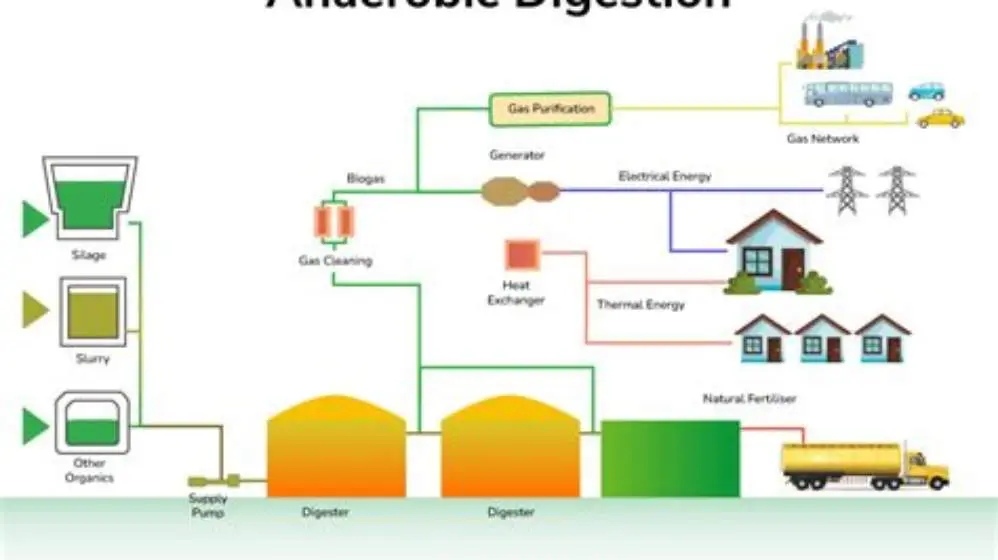
Landlords seeking to improve building sustainability can use embodied carbon data to enhance tenant appeal by promoting environmentally responsible construction. This can be a market differentiator, especially in urban areas where green credentials influence rental rates. We cover uses for digestate and biogas in its own article.
How to measure and reduce embodied carbon in your building project
Measuring embodied carbon requires a Life Cycle Assessment (LCA) using supplier data, transport distances, and installation energy. For homeowners, simplified tools and databases provide estimates based on typical UK materials and construction methods.
Reduction strategies include using recycled or reused materials, selecting low-carbon alternatives like timber over steel, optimizing material quantities, and sourcing locally to reduce transport emissions. Designing for disassembly and reuse also lowers future embodied carbon.
One practical tool is an embodied carbon calculator or database compliant with UK standards (e.g., RICS or BRE), which helps check the carbon impact of specified materials. These tools usually need input such as material type, quantity in tonnes, and transport distances in kilometres. Before you commit to anything, it is worth looking at home wind turbines uk worth it.
- Identify all major building materials and quantities.
- Obtain embodied carbon data from suppliers or databases.
- Calculate transport distances and modes to site.
- Include estimated energy for installation waste and handling.
- Sum all to find total embodied carbon for the project.
- Look at alternatives with lower embodied carbon for key materials.
What embodied carbon means in building materials
Embodied carbon in building materials means the total greenhouse gas emissions, measured in kilograms of carbon dioxide equivalent (kg CO2e), produced from raw material extraction, all manufacturing stages, transportation to site, and installation onsite.
Unlike operational carbon, which results from using energy to heat, cool, or light a building, embodied carbon is a one-time emission linked to the production and construction process. It forms a significant portion of a building’s overall carbon footprint, especially in well-insulated homes with low operational emissions.
Accurately assessing embodied carbon helps homeowners and landlords make informed decisions that reduce the environmental impact of their properties, contributing to UK net zero targets.
Embodied carbon is a critical but overlooked factor; UK homeowners benefit from understanding and reducing it.
Quick questions
Is embodied carbon included in EPC ratings?
Standard EPC ratings primarily focus on operational energy consumption and carbon emissions, not embodied carbon. However, future standards may incorporate embodied carbon to reflect the full environmental impact of buildings.
Can embodied carbon be fully avoided in construction?
No, some embodied carbon is unavoidable since materials must be extracted and processed. The goal is to minimise embodied carbon by choosing low-impact materials, reducing waste, and recycling.
How does reuse affect embodied carbon?
Reusing existing materials can dramatically reduce embodied carbon since it avoids emissions from new extraction and manufacture. Reuse is one of the most effective carbon reduction strategies.
Does transport distance significantly impact embodied carbon?
Transport emissions contribute roughly 5-15% of embodied carbon depending on distance and mode. Local sourcing can reduce transport carbon but material production usually dominates.
Are natural materials always lower in embodied carbon?
Generally, natural materials like timber and cellulose insulation have lower embodied carbon than synthetic or heavily processed materials, but transport and treatment affect totals.