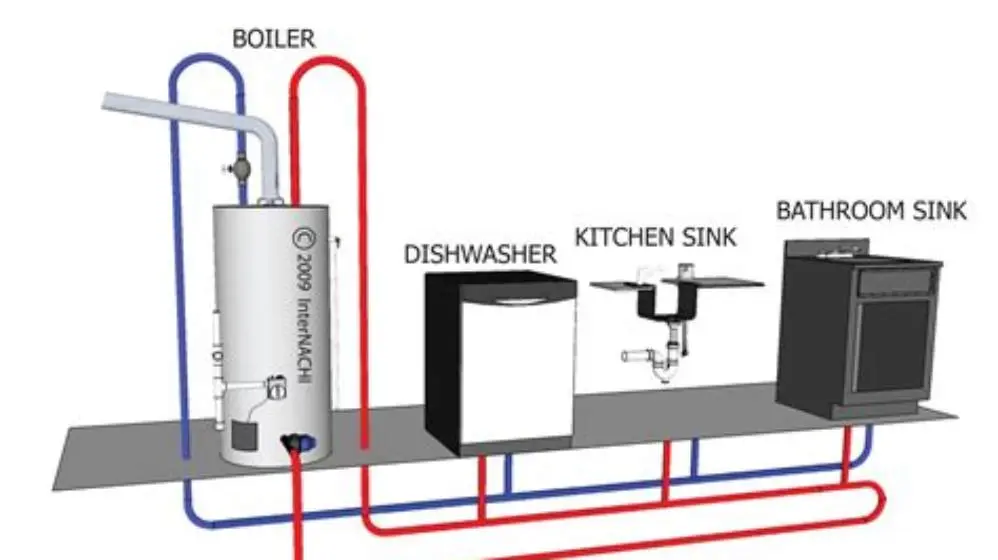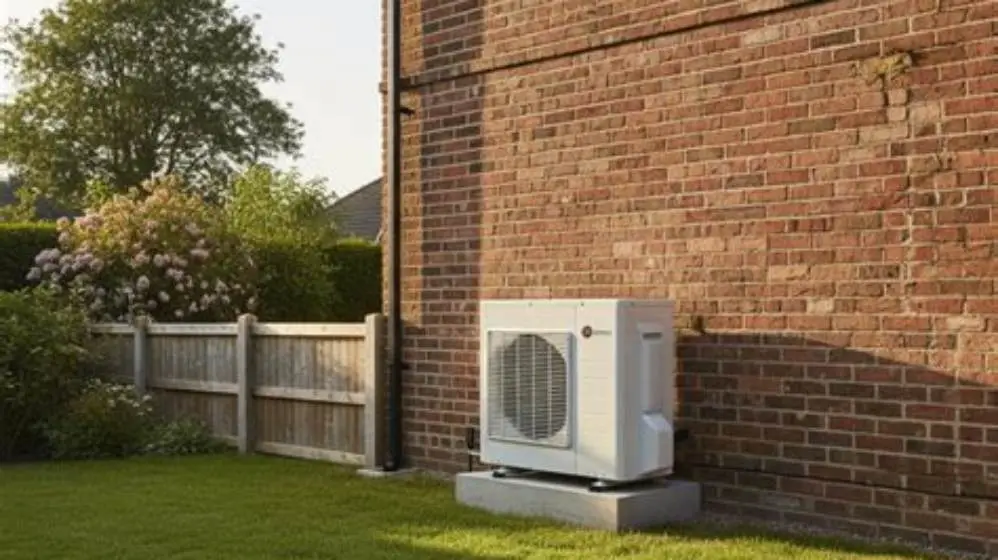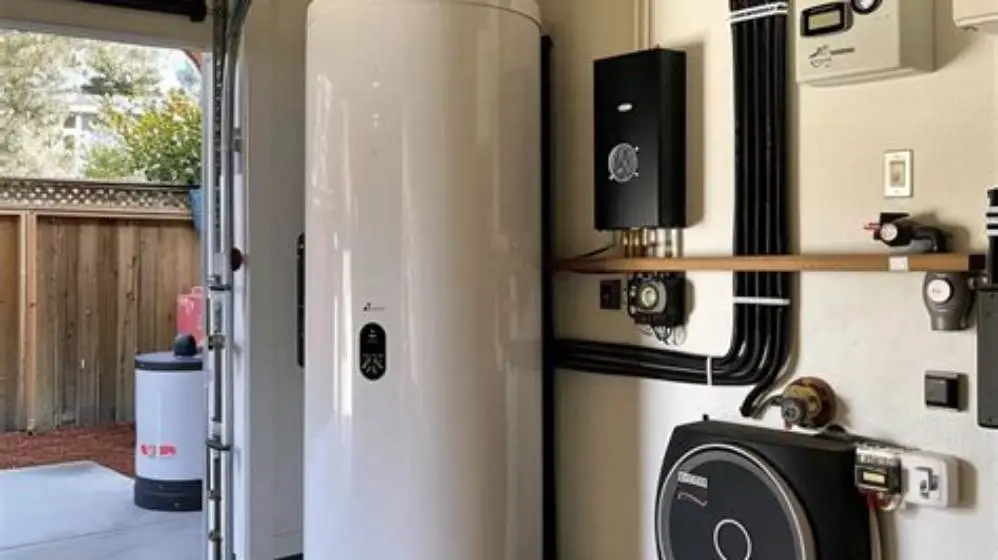
Installing a hybrid heat pump water heater in a UK home follows five steps. Survey the space and air supply, design the electrical supply, connect the plumbing, link controls to your boiler or immersion backup, then commission the system. Installation time depends on access, ducting, electrical work, plumbing changes and the selected product. Ask your chosen installer for a written time estimate and compare it with the installation time stated by the manufacturer.
On this page
- Quick recap
- Check what a hybrid heat pump water heater replaces
- Choose the right people before work starts
- Measure the space and access route
- Provide the required air supply without guessing
- Install the electrical and plumbing connections
- Agree the boiler and backup controls
- Check unvented safety and refrigerant compliance
- Commission the system and record the results
- Quick questions
Part of our guide on installer advice for heat pumps
Quick facts
- Install time
- Ask the installer for a site-specific estimate and compare it with the manufacturer's stated installation time
- Typical cost installed
- Get three current local quotes; price varies by model and site work
- Cylinder size
- Choose from household hot-water demand and the manufacturer's range
- Air space needed
- Follow the exact room-volume or ducting requirement in the manual
- Electrical supply
- Follow the data plate and BS 7671 design
- Water stored
- Set temperatures and pasteurisation cycles to the manufacturer's instructions
- Running savings
- Heat-pump energy use depends on COP, air temperature, controls and household demand
Quick recap
- Check the selected model's air, clearance, drainage and ducting requirements before ordering.
- Electrical current and circuit size vary by model. Use the manufacturer's data plate and have a qualified electrician design and install the circuit in accordance with BS 7671.
- A hybrid cylinder can retain a boiler or immersion heater for backup and peak demand.
- Unvented cylinders need installation and certification by someone competent under the G3 requirements.
- Check installer credentials, including NICEIC or NAPIT registration, MCS where relevant, and F-gas certification where refrigerant work is involved.
Check what a hybrid heat pump water heater replaces
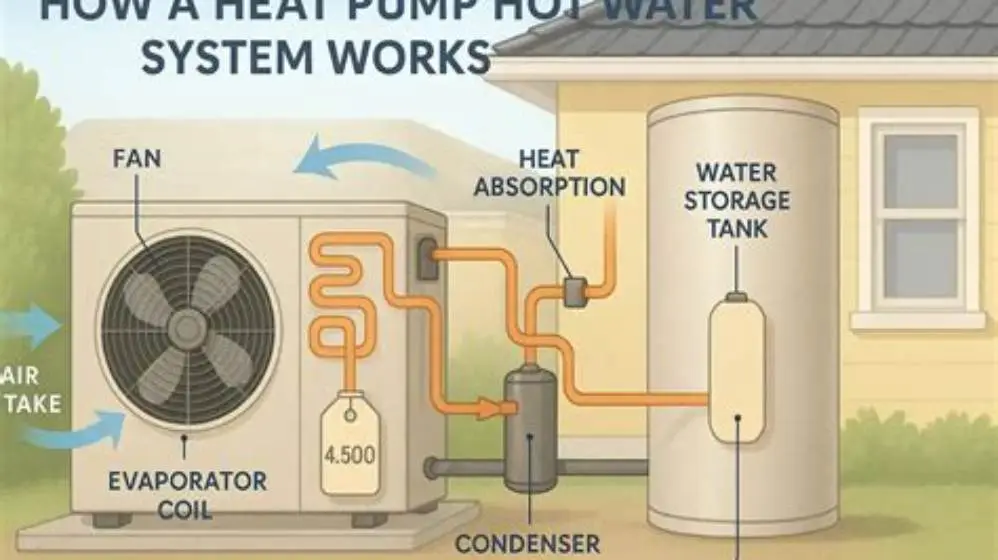
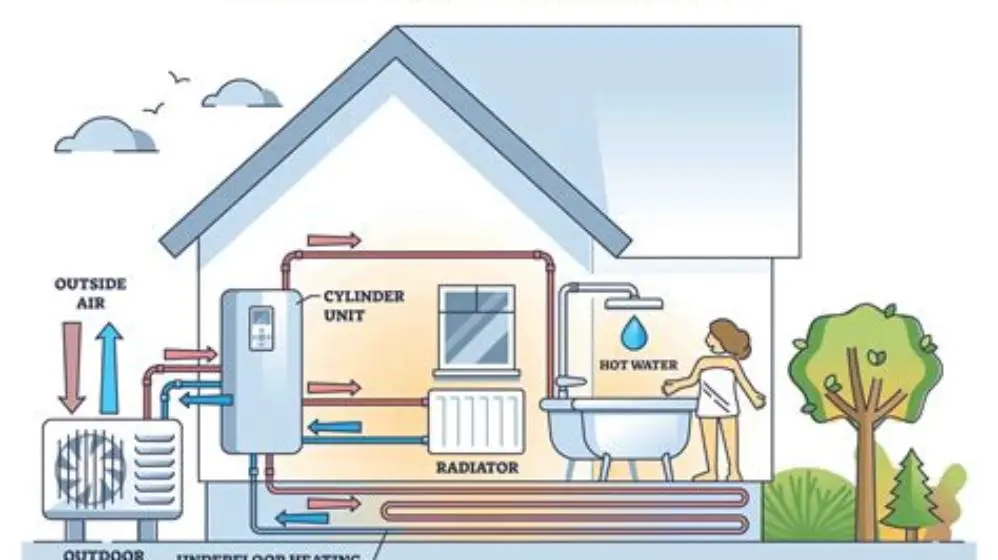
A hybrid heat pump water heater combines a hot-water cylinder with a heat pump. The heat pump takes warmth from air and transfers it into stored water. An immersion heater or boiler can provide backup when demand rises.
The word hybrid describes the backup arrangement. You can retain some existing heating equipment while changing how the cylinder heats water. Hot-water demand differs between homes, so size the cylinder from actual use and the selected product's guidance.
At the time of writing, the Boiler Upgrade Scheme is aimed at space-heating heat pumps. Check the current GOV.UK guidance for eligibility and changes: https://www.gov.uk/apply-boiler-upgrade-scheme. Do not assume a hot-water-only cylinder qualifies.
ECO4 and the Warm Homes Plan have separate eligibility rules, dates and delivery routes. Check GOV.UK pages for both schemes before treating either as available funding: https://www.gov.uk/energy-company-obligation and https://www.gov.uk/government/collections/warm-homes-plan. People in this spot often ask about retrofit plan for heat recovery extract fan in bathroom only as well.
| Option | Cost position | Energy input | Boiler kept? |
|---|---|---|---|
| Hybrid heat pump cylinder | Get current local quotes | Usually less electrical input than resistance heating when the heat pump operates efficiently | Often |
| Unvented direct cylinder | Get current local quotes | Electric resistance heating | Usually |
| Full air source heat pump | Get a whole-system quotation | Depends on design and system performance | Often replaced |

Tapo Smart Plug Wi-Fi, Energy Monitoring, P115(2-Pack), 15A | Works with
Monitors plug-in loads and reports kWh while supporting up to 1800 W (15 A) so you can log the heat-pump/immersion usage during commissioning.
Choose the right people before work starts
Use a surveyor or experienced installer to check space, access, air supply, drainage, floor loading and the existing hot-water system. A qualified electrician should design and install new circuits under BS 7671.
A registered competent person should install and commission an unvented cylinder under the Building Regulations G3 requirements. Ask for the installer’s G3 qualification and the relevant installation certificate.
Check electrical registration through NICEIC or NAPIT. Check MCS certification where the proposed work falls within an MCS-certified heat-pump installation or a funding route requiring it. Confirm F-gas certification for any technician opening or servicing a refrigerant circuit. We go through how heat pump hot water system works step by step elsewhere on the site.
A gas engineer should handle gas appliances, flues and boiler alterations. An F-gas-certified technician should handle covered refrigerant work. Ask for company certification, the technician’s certificate and details of the work covered.
- Survey the space, air volume, drainage, condensate route and access path.
- Install and test the electrical supply to the manufacturer's design.
- Connect the cold feed, hot distribution, safety devices, condensate and discharge pipework.
- Set up boiler backup, immersion control or other approved integration controls.
- Commission the unit, record the agreed measurements and confirm safe discharge operation.
Measure the space and access route
Use the selected product's installation manual before buying the cylinder. Room-air models can specify a minimum room volume, while ducted models can have different requirements. Record the required volume, clearances and duct sizes from the manual.
Larger cylinders may be tall. Check the manufacturer’s dimension sheet and measure access routes before ordering. Measure doors, stairs, turns, loft hatches and the final cupboard opening. For the detail, see our notes on heat pump retrofit planning and compatibility.
Cylinders can be heavy; check the product weight and plan handling and floor loading with the installer. A structural professional may be needed where the floor capacity is uncertain.
The unit needs a cold-water supply, a hot-water route, condensate drainage and a safe discharge route where applicable. Decide this before delivery.
- Copy the manual's required room volume or ducting arrangement.
- Measure the unit, packaging, doors, stairs, corners and hatches.
- Check the floor loading with the installer or structural professional.
- Plan condensate drainage and any pump before the cylinder arrives.
- Leave the manufacturer's service clearance around the unit.
Provide the required air supply without guessing
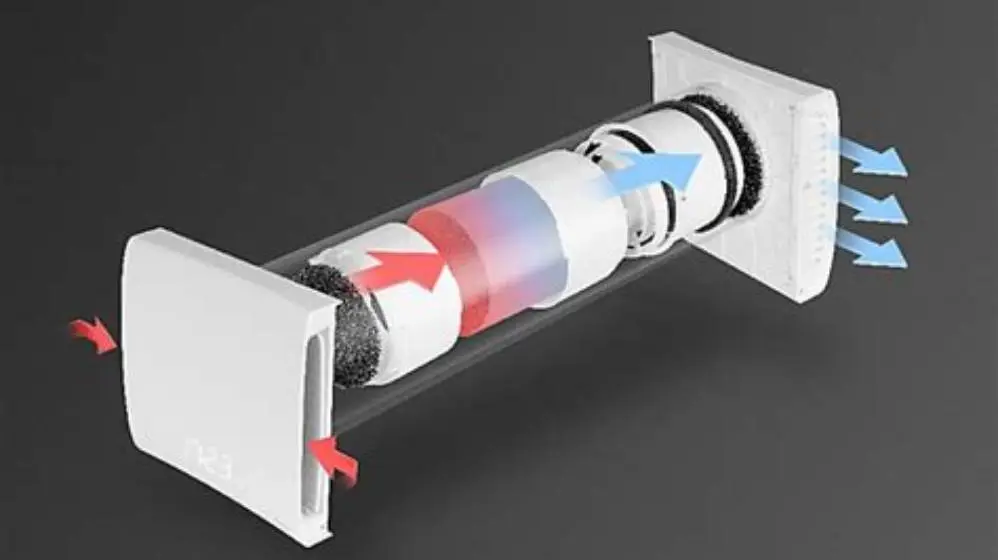
A heat pump changes the temperature and humidity of the space around it. Some models use room air. Others connect ducts to another room or outside. Follow the selected product's air arrangement. People in this spot often ask about hot water recirculation retrofit plumbing checks as well.
Ask the installer to record the proposed air path, grille size and duct length. If the model publishes an airflow target, check it after installation with suitable test equipment. If it does not, use the manufacturer's commissioning procedure.
Unit noise levels vary by model. Check the dB(A) rating on the datasheet and assess the proposed location if bedrooms are nearby. Mounting, walls and doors can change what you hear.
Avoid placing the cylinder where service access is blocked. Keep air grilles clear and avoid storing boxes against them. A sealed cupboard can cause poor performance if the model requires room air. It helps to understand heat pump permitted development rights shared wall before going further.
- Can reduce electrical resistance heating when the heat pump operates efficiently
- May cool a warm cupboard as a side effect
- Many integrated models avoid refrigerant pipework outside
- Needs the air arrangement specified by the manufacturer
- Can require ducting, grilles or wall penetrations
- Compressor noise may travel through lightweight walls
Install the electrical and plumbing connections
Electrical current and circuit size vary by model. Always use the manufacturer's data plate and have a qualified electrician size and install the circuit in accordance with BS 7671.
Use this wiring checklist: identify the consumer-unit circuit, fit isolation where the manufacturer requires it, provide an accessible double-pole switch where specified, and confirm the RCD type suits the equipment and the installation design. Record circuit identification, protective devices and test results on the electrical documentation.
Some units have separate supplies for the heat pump and immersion. Others use a different arrangement. The electrician should label each circuit and explain the isolation points.
Part P notification may apply to domestic electrical work in England and Wales. Ask the electrician whether the work is notifiable and whether they will self-certify through an approved competent person scheme or arrange building-control notification. Keep the Electrical Installation Certificate or Minor Works Certificate and any notification reference.
The cold feed normally includes the manufacturer's specified isolation and inlet controls. Unvented systems need correctly installed pressure, expansion and safety components. The tundish must stay visible, and discharge pipework must follow the product instructions and Building Regulations requirements.
Condensate needs a suitable fall and termination. Protect external sections from freezing where required. Never improvise a safety discharge route with an unsuitable hose or hidden termination.
Agree the boiler and backup controls
Integration depends on the existing system. A system boiler with a cylinder may need approved controls, valves and sensor connections. A combi boiler usually has no separate cylinder circuit, so the new unit may feed the taps independently while the combi continues heating radiators.
Agree the control sequence before work begins. Decide when the heat pump runs, when the immersion provides backup and whether the boiler has any role. The installer should record these settings during commissioning.
Do not promise a particular temperature or timing without checking the selected product's manual. Pasteurisation settings vary by product. The control should meet the manufacturer's instructions and applicable safety guidance.
Ask whether future solar panels, tariffs or smart controls affect the design. Any immersion controller must be compatible with the cylinder and wiring.
| Existing setup | Possible connection | Points to confirm |
|---|---|---|
| System boiler and cylinder | Replace or alter the cylinder arrangement | Valve, sensor, control and backup compatibility |
| Combi boiler | New cylinder may feed hot taps separately | Space-heating control and hot-water priority |
| Electric-only home | Replace or supplement the direct cylinder | Immersion control, tariff settings and available supply |
Check unvented safety and refrigerant compliance
For an unvented cylinder, confirm the pressure-reducing valve, expansion arrangement, temperature and pressure relief valve, discharge pipe and tundish are installed as specified. The tundish should be visible and positioned so discharge can be seen. Discharge pipework must terminate safely and meet the applicable Building Regulations guidance, including Approved Document G.
Ask for the G3 installation or commissioning record, product safety-valve details and any building-control certificate. Never cap, reroute or conceal a discharge pipe to hide dripping water.
For refrigerant equipment, ask for the technician’s F-gas certificate, the company’s F-gas registration or certification evidence, and the refrigerant details recorded for the unit. Ask what work was completed, including leak checks, recovery or charging where relevant.
Keep the manufacturer’s manual, warranty conditions, installation record, electrical certificate, G3 documents and refrigerant paperwork together. Use the selected product manual as the single reference for installation, settings and service intervals.
- Check the pressure relief and expansion components.
- Confirm visible tundish discharge and a safe termination.
- Request G3 documentation for an unvented cylinder.
- Request F-gas evidence for covered refrigerant work.
- Keep certificates, manuals and warranty records.
Commission the system and record the results
Use the selected product manual during commissioning and record one clear set of results. Note the start water temperature in °C, end water temperature in °C, elapsed time in minutes, ambient air temperature in °C and operating mode.
Record electricity used in kWh for the test where the measurement method supports it. If you calculate COP, use COP = heat delivered in kWh ÷ electrical energy used in kWh. Heat delivered should come from a suitable heat meter or the manufacturer’s stated test method, not from an unsupported estimate.
Compare recovery performance with the manufacturer's published test conditions. Ambient temperature, inlet-water temperature, setpoint, draw-off volume and backup operation can change the result, so write those conditions beside the figures.
Test the safety discharge according to the manufacturer's instructions. Confirm water reaches the tundish and safe termination, then confirm the flow stops correctly. Check condensate drainage, sensors, controls, pasteurisation operation and backup switching.
The installer should explain normal temperatures, noise, condensate flow and the circumstances that activate the immersion or boiler. Keep the commissioning sheet with the electrical certificate, G3 documents and warranty papers.
- Record start temperature, end temperature, elapsed time and ambient temperature.
- Record operating mode, setpoint, inlet conditions and backup operation.
- Record measured electrical energy and the COP method, if COP is calculated.
- Confirm safe discharge, condensate drainage, controls and sensors.
- Keep the completed commissioning and certification documents.
A hybrid heat pump water heater can reduce disruption during a staged retrofit. Confirm the air arrangement, access route, electrical design, safety discharge, installer credentials and control strategy before purchase.
Quick questions
Can I install a hybrid heat pump water heater myself?
You can carry out limited work on a vented system if you are competent. Unvented cylinders need correct safety installation and G3 commissioning. New electrical work must follow BS 7671 and any Part P notification rules. Refrigerant work needs suitable F-gas competence where the equipment falls under those rules.
Is there a grant for hybrid hot water cylinders in the UK?
The Boiler Upgrade Scheme guidance is aimed at space-heating heat pumps. Check the current GOV.UK rules before relying on funding: https://www.gov.uk/apply-boiler-upgrade-scheme. ECO4 and the Warm Homes Plan have separate eligibility requirements.
How noisy is a hybrid heat pump water heater?
Noise varies by model and installation. Check the manufacturer's dB(A) figure and listen at the proposed location if bedrooms are nearby. Walls, doors and mounting can change the sound level inside the home.
Will it work in a small flat or cupboard?
It can work if the model's air, clearance, drainage and service requirements fit the property. Check the selected product's manual for room-volume or ducting rules. Measure access before ordering.
How much does it save compared with an electric cylinder?
Heat-pump cylinders typically use less electrical energy than pure electric-resistance cylinders because they move heat rather than generate it; the actual reduction depends on COP, ambient air temperature and usage patterns. Ask the manufacturer or installer for expected performance figures for the selected model.