Five plumbing checks to guide a staged retrofit of a hot water recirculation system that balances cost, disruption, and savings.
To retrofit a hot water recirculation system, first confirm your existing plumbing layout, pipe materials, and water pressure meet basic criteria; then install a pump with a timer and temperature controls to avoid energy waste.
On this page
- The short version
- How to identify existing plumbing suitable for retrofit
- Steps to install a recirculation pump and timer
- Managing temperature and energy use in retrofit hot water recirculation systems
- Retrofit hot water recirculation system: plumbing checks before installation
- How to identify existing plumbing suitable for retrofit
- Steps to install a recirculation pump and timer
- Questions people still ask
Part of our guide on staged home retrofit
| Typical pump power | 3-10 W |
|---|---|
| Pipe diameter range | 15-22 mm |
| Water pressure needed | 40-60 psi cold |
| Temperature setpoint | 40-50°C |
| Pump timer range | 1-24 hours |
The short version
- Identify existing pipe layout and materials before retrofit.
- Check water pressure and flow rates to match pump specs.
- Install pump on the return line with timer and thermostat.
- Manage temperature to reduce energy cost and prevent scalding.
- Prioritize stages that minimize disruption and upfront cost.
How to identify existing plumbing suitable for retrofit
Begin by visually inspecting your home's hot water pipes. Look for common materials such as copper, PEX, or CPVC, which are compatible with most recirculation systems. Pipes usually measure between 15 mm and 22 mm in diameter in residential settings, a range that supports typical recirculation pumps.
Next, locate the return line or the cold water line nearest to the farthest fixture. If your plumbing uses a dedicated return line, retrofitting is straightforward. Without a return line, you might retrofit using a crossover valve at the fixture, but this can be less efficient and more complex.
Check pipe accessibility and layout. Long pipe runs increase heat loss; a recirculation system reduces waiting time but may increase heat loss if not properly controlled. Confirm also that pipe insulation is in place or plan to insulate post-installation to optimize efficiency.
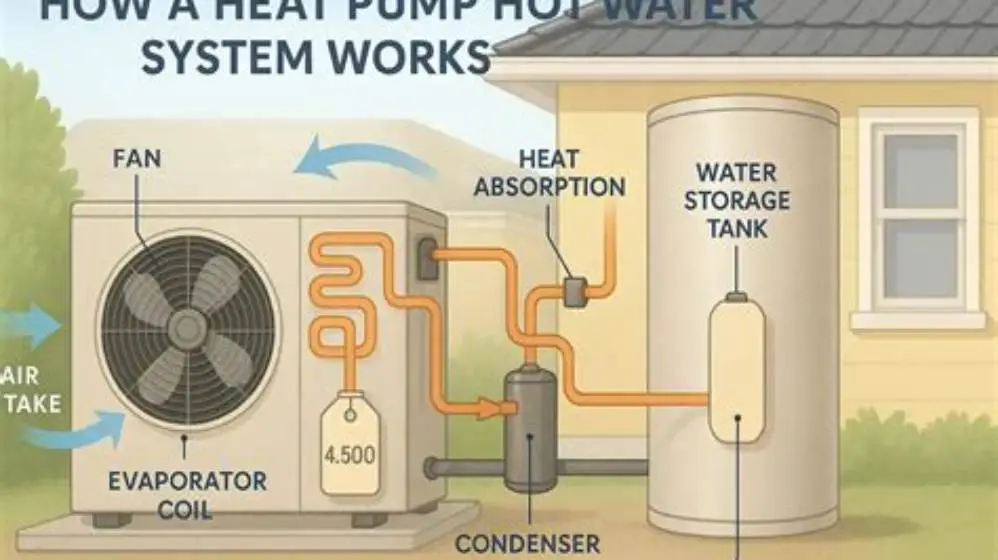
Assess water pressure at the main supply; recirculation pumps typically require cold water pressure between 40-60 psi. Pressure significantly lower or higher might require professional adjustment to avoid pump damage or poor flow. There is more on heat pump hot water system operation in a separate guide.

MEASUREMAN Air Over Water Test Kit
Checks water pressure up to 300 PSI, exceeding the 0-100 PSI range needed for your plumbing test.
Steps to install a recirculation pump and timer
Start installation by turning off the water supply and draining the relevant pipes. Choose the cold water return line near the farthest fixture to mount your pump; this location ensures hot water reaches taps quickly.
Attach the pump using fittings compatible with your pipe material: copper requires soldered or compression fittings, while PEX uses crimp or push-fit connectors. Ensure the pump is oriented according to the manufacturer’s flow direction markings.
Wire the pump to a timer suited for indoor use. Typical timers offer 24-hour programming, letting you restrict pump runs to peak usage periods, usually 1-3 morning and evening hours. This control reduces unnecessary energy use.
Test pump operation with the timer active. Confirm hot water arrives at the fixture in less than 30 seconds to validate system effectiveness. Adjust timer settings and flow if needed.
- Shut off water supply and drain pipes.
- Locate cold water return line near farthest fixture.
- Install pump with flow direction correctly aligned.
- Connect pump to a programmable timer.
- Restore water and test system flow and timing.
Managing temperature and energy use in retrofit hot water recirculation systems
Set your recirculation system's thermostat between 40°C and 50°C to balance user comfort, energy consumption, and scald risk. Higher temperatures increase energy waste and scalding potential; lower temperatures may not keep water hot enough at taps.
Combine the pump timer with a temperature sensor or thermostat to prevent the pump from running when water is already hot enough. This reduces pump runtime by 20-40%, saving electricity and reducing pipe heat loss.
Consider insulating all accessible hot water pipes after installation. Effective insulation can cut heat loss by 30-50%, lowering the total energy needed to maintain water temperature throughout the system.
Beware of continuous recirculation. While it guarantees instant hot water, it can cause energy usage to spike substantially unless paired with efficient controls and insulation.
Retrofit hot water recirculation system: plumbing checks before installation
Before installing, perform five key plumbing checks: pipe material, pipe diameter, presence of a return line, water pressure, and pipe insulation status. These checks determine whether the retrofit will be efficient and durable or prone to leaks and inefficiency.
Check pipe materials for compatibility and durability; copper and PEX are generally suitable, while older steel pipes can corrode and complicate installation. Measure diameters to confirm the pump fits without causing flow restrictions.
Confirm the presence or absence of a dedicated return line. Without it, retrofitting can require additional valves or modifications, increasing cost and disruption.
Measure water pressure at the main supply; key pumps need between 40-60 psi to operate within designed flow rates. Too low or too high pressure risks pump damage or poor circulation.
Inspect pipe insulation. Uninsulated pipes lose heat rapidly, undermining energy savings and quick hot water delivery. Plan to insulate accessible pipes during or after the retrofit.
- Pipe material - check copper or PEX compatibility
- Pipe diameter - confirm fit for pump, typically 15-22 mm
- Return line - presence simplifies retrofit
- Water pressure - 40-60 psi ideal range
- Insulation - plan upgrades to reduce heat loss
How to identify existing plumbing suitable for retrofit
Retrofitting depends on your home's current plumbing layout and materials. Look for continuous hot water and a suitable return line or point to add one. Copper and PEX pipes widely used in modern homes simplify connections.
Older homes with galvanized steel pipes often face corrosion and limited accessibility, making retrofit more disruptive and expensive. In such cases, consider partial re-piping or alternative water-saving measures.
Measure pipe diameters accurately; mismatched sizes can cause pressure drops or pump damage. A diameter between 15 mm and 22 mm is common and supports standard recirculation pumps.
Check pipe routing to assess where and how to install the pump and timer. Pipes must be accessible to attach the pump and wiring safely without major demolition.
Steps to install a recirculation pump and timer
Start by selecting a pump rated for your pipe size and water pressure. Ensure it includes integral check valves to prevent backflow and water hammer. Modern pumps typically consume 3-10 watts, minimizing electricity costs.
Mount the pump on the cold water return near the furthest fixture from the water heater to reduce wait times at taps. Connect electrical wiring to a timer with at least 24-hour programmable settings.
Set timer schedules to match household water use patterns, typically activating the pump 30 minutes before peak morning and evening use. This reduces wasted runtime during low-use periods.
After installation, flush the system to remove air pockets and verify no leaks. Monitor the temperature at fixtures to fine-tune timer and thermostat settings for optimal comfort and efficiency.
- Choose pump matching pipe size and pressure
- Mount pump on cold return near furthest fixture
- Wire pump to 24h programmable timer
- Schedule timer for peak use periods
- Flush system and check for leaks
Questions people still ask
Can I install a recirculation pump without a return line?
Yes, but it requires installing a crossover valve at fixtures, which lets cold water in the hot line return to the heater. This approach is less efficient, can cause heat loss, and might need additional plumbing work.
How do I know if my water pressure is suitable for a recirculation pump?
Measure water pressure at the main supply with a pressure gauge; typical pumps require between 40 and 60 psi cold water pressure. Outside this range, consult a plumber to adjust or upgrade your system.
What temperature should I set my recirculation system thermostat to?
Between 40°C and 50°C balances comfort and energy use while minimizing scald risk. Temperatures above 50°C increase energy loss and safety hazards.
Will insulating pipes after retrofit make a big difference?
Yes, insulating hot water pipes can reduce heat loss by 30-50%, improving efficiency and lowering running costs significantly.
How much disruption does retrofitting usually cause?
Disruption depends on pipe accessibility and whether a return line exists. Retrofits in accessible spaces with compatible piping involve minimal disturbance, often under a day.