Calculate your monthly heating bill savings after switching to a heat pump using typical efficiency and energy use ranges.
Switching to a heat pump typically reduces heating bills by 20-50%, depending on your current heating system, local climate, and heat pump efficiency. Savings hinge on your home's heating demand, electricity prices, and the heat pump's COP.
On this page
- Key takeaways
- How heat pump efficiency affects heating costs
- Typical energy use before and after switching
- How local climate impacts savings from a heat pump
- Sample calculation to estimate monthly bill reduction
- How much will my bills drop after switching to a heat pump
- Key drivers and grants that influence heat pump savings
- Questions people still ask
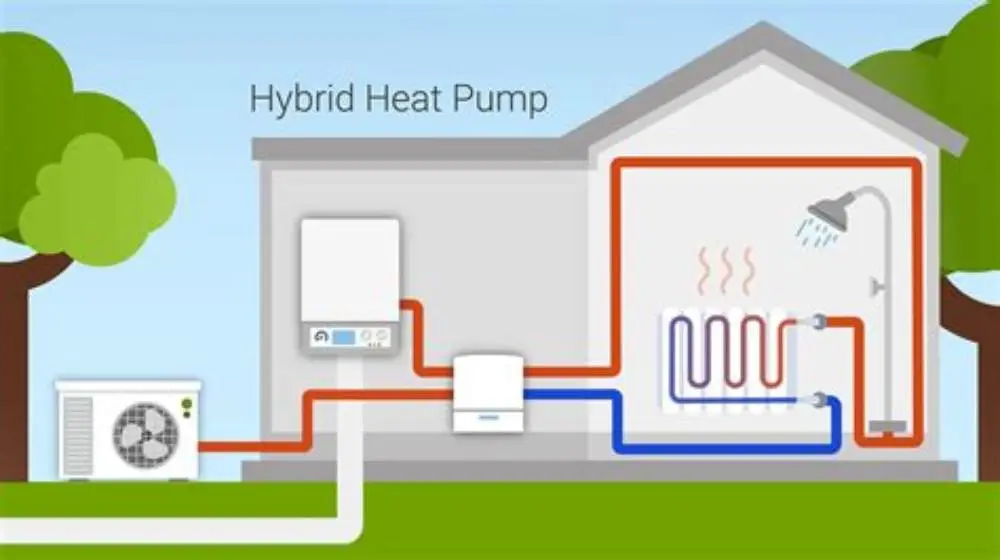
Part of our guide on what is a hybrid heat pump
Calculate your likely drop in monthly heating bills after switching to a heat pump using your home's energy use and heat pump efficiency.
| Typical savings | 20-50% |
|---|---|
| Heat pump COP | 3-5 |
| Gas price range | variable |
| Electricity price range | variable |
| Heating demand | varies by climate |
Key takeaways
- Heat pumps cut heating bills 20-50% versus gas or electric resistance.
- Savings depend heavily on heat pump efficiency (COP) and local climate.
- Electricity costs vs gas prices strongly influence savings range.
- Estimate savings by calculating heating demand and heat pump performance.
- Local grants and installation quality affect overall cost-effectiveness.
How heat pump efficiency affects heating costs
Heat pump efficiency is measured by the Coefficient of Performance (COP), which indicates the heat output divided by the electrical input. Typical air-source heat pumps have a COP of 3 to 5 under normal conditions, meaning for every 1 kWh of electricity used, they provide 3 to 5 kWh of heat.
This efficiency directly reduces your heating costs compared to electric resistance heating, which has a COP of 1. Compared to gas boilers, the savings depend on the relative prices of gas and electricity as well as the heat pump's COP. At a COP of 3, a heat pump uses roughly one-third the electricity for the same heat output as electric resistance.
The COP varies with outdoor temperature; colder weather lowers efficiency, which affects costs. A well-sized heat pump and quality installation help maintain a higher average COP, preserving savings throughout the season.
Typical energy use before and after switching
Homes heated by gas boilers typically consume about 12,000 to 18,000 kWh of gas per year for heating, depending on size and insulation. Electric resistance heating uses roughly the same number of kWh but in electricity, which tends to cost more per unit. We go through heat pump running costs vs gas boiler uk step by step elsewhere on the site.
After switching to a heat pump, the electrical energy use for heating drops significantly due to higher efficiency. For example, with a heat pump COP of 4, a home requiring 12,000 kWh of heat would only consume about 3,000 kWh of electricity for heating annually.
This reduction in consumption translates to a lower bill, but the total saving depends on the energy price difference between gas and electricity and the heat pump's actual seasonal efficiency.
| Heating system | Heat output (kWh/year) | Energy input (kWh/year) | Efficiency (COP or %) |
|---|---|---|---|
| Gas boiler | 12,000 | 12,000 | ≈90% (boiler efficiency) |
| Electric resistance | 12,000 | 12,000 | 100% (COP=1) |
| Heat pump (COP=4) | 12,000 | 3,000 | 400% (COP=4) |
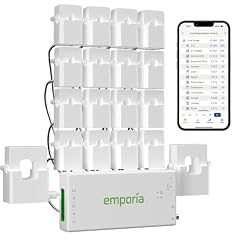
Emporia Vue 3 Home Energy Monitor
Provides real-time energy monitoring with ±2% accuracy but does not publish annual heating energy use in kWh.
How local climate impacts savings from a heat pump
Heat pumps work more efficiently in milder climates where average outdoor temperatures remain above freezing. In regions with average winter temperatures above 2-5°C, air-source heat pumps typically maintain a COP above 3.5, leading to better savings. If that sounds like your situation, read up on cost to install air source heat pump uk next.
In colder climates, the heat pump's efficiency drops as it works harder, and the system may require supplemental electric heating, reducing savings. Ground-source heat pumps maintain steadier efficiency but involve higher upfront costs.
Local heating degree days, which measure how cold a location is relative to a base temperature, directly correlate with heating demand and heat pump efficiency. The colder the winters, the smaller the percentage savings on bills as the heat pump’s COP drops.
Sample calculation to estimate monthly bill reduction
To estimate your monthly heating bill savings after switching to a heat pump, follow these steps:
1. Determine your current annual heating energy use in kWh, either gas or electric.
2. Convert gas usage to kWh if needed (1 cubic meter gas ≈ 10 kWh).
3. Find your heat pump’s expected average seasonal COP (typically 3 to 4).
4. Calculate expected annual electricity use for heating by dividing heating demand by COP.
5. Compare current annual energy cost (current usage × unit price) to expected cost with heat pump (new electricity use × electricity price).
6. Divide the annual savings by 12 for a rough monthly saving estimate.
- Find your current heating demand in kWh/year from bills.
- Estimate heat pump
COPfor your climate, usually 3-4. - Calculate new electricity use = heating demand ÷
COP. - Multiply current and new energy use by respective unit costs.
- Subtract new cost from current cost for annual saving.
- Divide annual saving by 12 for monthly saving.
How much will my bills drop after switching to a heat pump
Your heating bills will typically drop by 20-50% after switching, varying mainly with your current heating fuel, energy prices, and heat pump COP. Homes using gas boilers often see savings near 30-40% assuming moderate electricity prices and a heat pump COP of 3.5.
Electric resistance users might see savings closer to 50%, since heat pumps use 3 to 5 times less energy for the same heat output. However, if electricity prices are high, savings shrink. If gas prices are unusually low, savings may only be 20% or less.
Overall, most homeowners can expect a monthly bill reduction proportional to the heating portion of their bills. For example, a household spending £100 a month on gas heating might save £30-40 monthly switching to a heat pump with typical conditions.
Savings also depend on how much of your total energy bill is currently spent on heating. For instance, if heating accounts for 60% of your total energy costs, and your heat pump reduces heating bills by 30%, your overall energy bill might drop by around 18%. This means the actual impact on your total monthly energy spend can vary considerably depending on what portion is heating related.
In cases where heating demand is lower, such as in well-insulated homes or those in mild climates, the absolute bill reduction may be smaller even if the percentage savings are similar. For example, a home spending £50 per month on heating might save only £10-15 monthly, while a larger home with £150 heating costs could save £45-60 under similar conditions.
It is important to consider that additional factors like electricity tariff structures (e.g., time-of-use rates or variable pricing) can affect monthly savings. If a heat pump is used more during off-peak hours with cheaper rates, savings may be greater. Conversely, if electricity prices spike during peak heating times, expected bill reductions could be lower. Monitoring your tariff details helps refine saving estimates.
| Current fuel | Heat pump COP | Electricity price (¢/kWh) | Estimated bill drop (%) |
|---|---|---|---|
| Gas (low price) | 3.5 | 15 | 20-30 |
| Gas (high price) | 4.0 | 15 | 35-40 |
| Electric resistance | 3.5 | 15 | 45-50 |
| Electric resistance | 4.5 | 20 | 35-45 |
Key drivers and grants that influence heat pump savings
Several factors drive actual savings: your home's insulation, the heat pump sizing and installation quality, local energy prices, and your heating habits. Poor insulation or incorrect sizing reduces efficiency and savings.
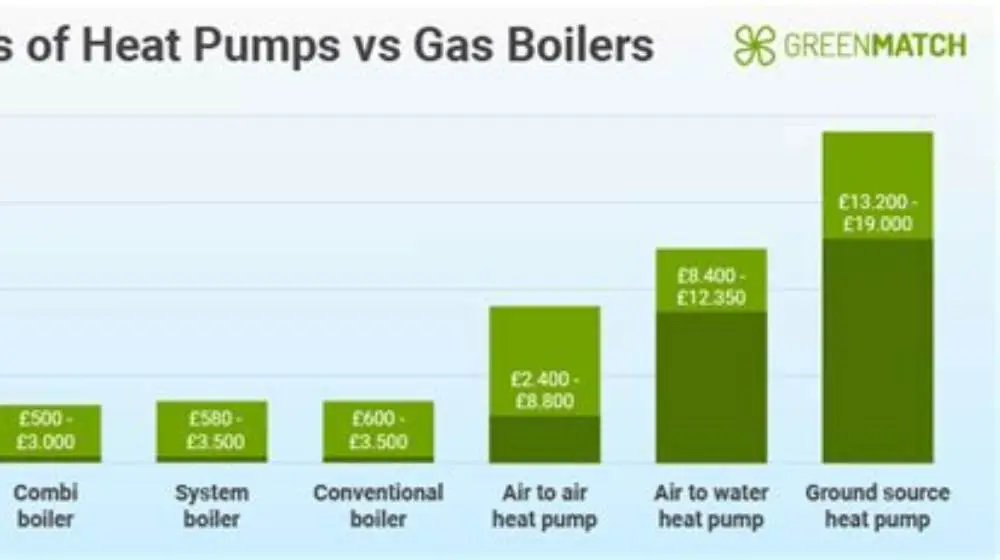
Government grants and incentives can reduce upfront costs, improving the payback period and overall cost-effectiveness of your heat pump installation. Check your local or national schemes for available subsidies.
Heating system maintenance also matters; a clean, well-maintained heat pump performs closer to rated efficiencies. Annual servicing helps maintain high COP values and thus maximum bill reductions.
- Insulation: better insulation lowers heating demand, increasing relative savings.
- Sizing: undersized units run constantly, reducing efficiency and savings.
- Local grants: decrease installation cost, improving investment returns.
- Maintenance: regular checks sustain heat pump performance and savings.
Questions people still ask
Does the size of my home affect how much I save with a heat pump?
Yes. Larger homes with higher heating demand will use more energy, so total savings can be larger in absolute terms, but the percentage savings depend on insulation and heat pump efficiency.
How do electricity and gas prices influence my savings?
If electricity is much more expensive than gas, savings shrink because the heat pump uses electricity. Conversely, if gas prices are high or electricity cheaper, savings increase.
Will I save the same amount every month?
No. Savings are higher in colder months with more heating demand but may reduce in mild months or if supplemental heating is required when the heat pump is less efficient.
Are ground-source heat pumps more cost-effective than air-source?
Ground-source heat pumps have steadier COP across temperatures, potentially increasing savings in cold climates but usually cost more upfront, affecting overall cost-effectiveness.
How do I find my current heating energy use?
Check your gas and electricity bills for annual consumption or use a smart meter. Converting gas units to kWh may be necessary for comparison.