Understand wood’s true environmental impact by comparing its carbon footprint, renewability, and material conditions in building projects.
Wood can be a green material if sourced sustainably and used properly, with a typical carbon footprint 40-70% lower than concrete or steel. Seasoned wood reduces waste and improves lifespan compared to green wood, affecting its overall eco impact.
On this page
- The short version
- Defining a green material in construction
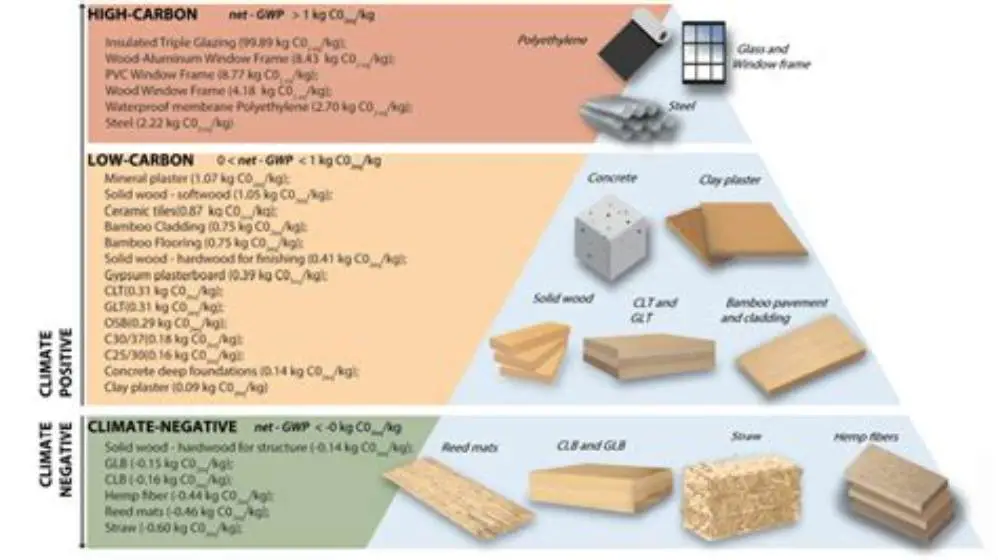
- Carbon footprint of wood compared to alternatives
- Renewability and sustainability of wood sourcing
- Differences between green (fresh) and seasoned (dry) wood for building
- Potential environmental trade-offs in using wood
- How green is using wood as a material
- Questions people still ask
Part of our guide on natural insulation low carbon
Wood’s greenness depends heavily on sustainable harvesting, seasoning, and lifecycle choices that affect its carbon footprint and durability.
| Carbon footprint | 40-70% less than steel/concrete |
|---|---|
| Wood renewability | Depends on sustainable harvesting |
| Green wood moisture | 30-60% water content |
| Seasoned wood moisture | 12-20% water content |
| Durability lifespan | Can exceed 50 years |
| Typical harvest cycle | 20-80 years |
The short version
- Wood’s carbon footprint is usually 40-70% less than steel or concrete.
- Sustainably sourced wood is renewable if harvested below growth rates.
- Seasoned wood has better durability and lower moisture-related defects.
- Green wood emits more volatile organic compounds and may warp.
- Environmental trade-offs include land use, transportation, and end-of-life fate.
Defining a green material in construction
A green material in construction primarily reduces environmental harm through low embodied carbon, renewability, and minimal toxic emissions. It should also be durable to avoid frequent replacement, which increases overall impact.
Key measures include carbon footprint from production, renewability based on regeneration rates, and end-of-life options like recyclability or biodegradability. Local sourcing and minimal chemical treatment improve a material’s greenness.
Wood often fits this definition but only under conditions such as sustainable forestry and proper drying. The moisture content and treatment affect emissions during use and durability, making these factors critical.
Another important aspect of defining a green material is its ability to support circular economy principles, including reuse, remanufacturing, and recycling. Materials that can be returned to productive use at end-of-life reduce demand for virgin resources and minimize waste streams. Wood products that are designed for deconstruction and reuse can extend the life cycle and decrease the frequency of harvesting new timber. For example, reclaimed wood beams from old buildings often retain strength and character, serving as a sustainable alternative to freshly cut lumber. It helps to understand sustainable brick building before going further.
Durability also varies widely among wood species and treatments, which influences how green the material is in practice. Some hardwoods, like teak or oak, naturally resist decay and pests, potentially lasting over a century without chemical treatments. Conversely, fast-growing softwoods might require preservative treatments to achieve similar lifespans. These treatments can introduce toxins that complicate disposal or recycling, so balancing natural durability with environmental safety is critical when assessing a wood product’s greenness.
Carbon footprint of wood compared to alternatives
Wood’s embodied carbon is typically 40-70% lower than steel or concrete, depending on species, transport distance, and processing methods. This range reflects factors like kiln drying energy and transportation fuel type.
Growing trees sequester carbon dioxide, which remains stored in wood products, offsetting some emissions. Steel and concrete generate large CO2 emissions mostly from raw material extraction and high-temperature processing. Before you commit to anything, it is worth looking at benefits of brick in building.
However, wood’s carbon benefits depend on the end-of-life scenario. Landfilling wood can release methane, a potent greenhouse gas, whereas recycling or energy recovery with capture reduces net impact.
| Material | Carbon footprint kg CO2e/m³ | Key dependencies |
|---|---|---|
| Wood (sustainably sourced) | 150-300 | Species, drying method, transport |
| Steel | 1200-2000 | Alloy type, energy source |
| Concrete | 300-600 | Cement content, transport |
Renewability and sustainability of wood sourcing
Wood is renewable if harvested below the forest's natural regeneration rate, typically within 20-80 years depending on species and climate. Certification schemes like FSC or PEFC help verify sustainable management but should be checked for local relevance.
Unsustainable practices include clearcutting without replanting, leading to biodiversity loss and soil erosion. Reforestation and selective logging maintain ecosystem services and carbon stocks. It helps to understand is wool a sustainable product before going further.
Sustainability also depends on reducing waste during processing and optimizing use. Wood waste can be reused or chipped for biomass energy, lowering the net carbon impact further.
The time frame for renewability varies significantly between fast-growing species like poplar, which can be harvested in as little as 10-15 years, and slower-growing species like Douglas fir or cedar, which may take 50-80 years to mature. This influences forest management plans and carbon sequestration potential. In temperate climates, forest rotation cycles often average 40-60 years, aligning with sustainable harvest rates that maintain ecosystem health. Tropical hardwoods tend to have longer growth cycles, increasing the risk of overharvesting if not carefully managed.
Sourcing wood locally can reduce the carbon footprint associated with transportation, but availability depends on regional forest types and regulations. For example, sourcing wood within 200-300 km typically keeps transport emissions low enough to preserve wood’s carbon advantage. In contrast, importing tropical hardwoods from thousands of kilometers away may offset some benefits. Choosing reclaimed or salvaged wood reduces the need for fresh harvesting and avoids emissions from processing new timber, contributing positively to sustainability goals.
Differences between green (fresh) and seasoned (dry) wood for building
Green wood contains 30-60% water by weight, causing it to shrink, warp, or crack as it dries after installation. This can lead to structural instability or finish problems in buildings.
Seasoned wood is dried to 12-20% moisture content, significantly reducing dimensional changes and improving strength and decay resistance. Kiln drying also kills pests and fungal spores, enhancing durability.
Green wood releases higher volatile organic compounds (VOCs) emissions during drying, which can affect indoor air quality. Using seasoned wood lowers this risk and improves installation quality but requires energy for drying.
An example illustrating the effect of moisture content is a 2x4-inch pine stud that initially contains 50% moisture by weight. After kiln drying to 15%, it loses nearly half its weight as water, reducing shrinkage potential and improving dimensional stability. If installed green, this stud could shrink up to 10% in length and width during drying on-site, causing gaps and structural issues. Using seasoned wood prevents these problems and ensures better fit and finish.
However, kiln drying requires energy, often from fossil fuels, which adds to the embodied carbon of the wood product. Advances in solar kiln technology and waste biomass-fired kilns have begun to reduce this footprint, making drying more sustainable. A lifecycle assessment might show that the extra energy used in drying is offset by the longer lifespan and reduced maintenance needs of seasoned wood, confirming its overall environmental benefit.
- Green wood: lower upfront energy
- Seasoned wood: higher dimensional stability
- Seasoned wood: better durability
- Green wood: risk of warping and decay
- Seasoned wood: energy use in drying
- Green wood: higher VOC emissions
Potential environmental trade-offs in using wood
While wood’s low carbon footprint and renewability are clear benefits, trade-offs exist. Land use changes for plantations can disrupt ecosystems and reduce biodiversity.
Transport emissions can be significant if wood is imported long distances, sometimes negating carbon savings compared to local alternatives. Processing may involve chemical treatments that complicate disposal and recycling.
End-of-life scenarios matter: burning wood without emissions control releases carbon and particulates, and landfilling risks methane generation. Designing for reuse or recycling extends wood’s environmental advantages.
How green is using wood as a material
Wood’s greenness depends on a balance: sustainably harvested, locally sourced, and properly dried wood can cut embodied carbon by 40-70% compared to steel or concrete. Seasoned wood is preferable for durability and indoor air quality.
However, the full picture must include transport, end-of-life, and ecological impacts of forestry practices. Using wood without these precautions risks losing its green advantage.
Given these conditions, wood is often the preferred low-carbon material if you accept trade-offs like careful supplier selection and potential upfront drying energy. It’s not automatically green but can be when used wisely.
| Factor | Effect on greenness | Trade-off to manage |
|---|---|---|
| Carbon footprint | Low if sustainably sourced | Transport distances |
| Renewability | High with proper forestry | Avoiding deforestation |
| Green vs seasoned wood | Seasoned preferred | Drying energy use |
| End-of-life | Recycling improves impact | Methane from landfill |
Wood is a green material conditionally: sustainable sourcing and seasoning are essential to realise its carbon and renewability advantages.
Questions people still ask
Is all wood considered a renewable material?
Wood is renewable only if harvested at a rate that does not exceed the forest's natural regrowth. Unsustainable logging depletes resources and harms ecosystems, so certification schemes help verify renewability.
Why is seasoned wood better than green wood for construction?
Seasoned wood has lower moisture content (12-20%) which reduces shrinking, warping, and decay compared to green wood with 30-60% moisture. It also emits fewer VOCs and improves building durability.
How does wood’s carbon footprint compare to steel or concrete?
Wood typically emits 40-70% less embodied carbon than steel or concrete per cubic meter, mainly because it requires less energy to produce and stores carbon absorbed during tree growth.
What are the environmental risks of using wood in construction?
Risks include deforestation from poor sourcing, emissions from long transport, chemical treatment impacts, and methane release if wood is landfilled rather than recycled or burned with controls.
Can using wood really reduce a building’s overall carbon footprint?
Yes, if the wood is sustainably harvested, locally sourced, and properly dried, it can lower embodied carbon substantially. Poor choices in sourcing or drying reduce these benefits.