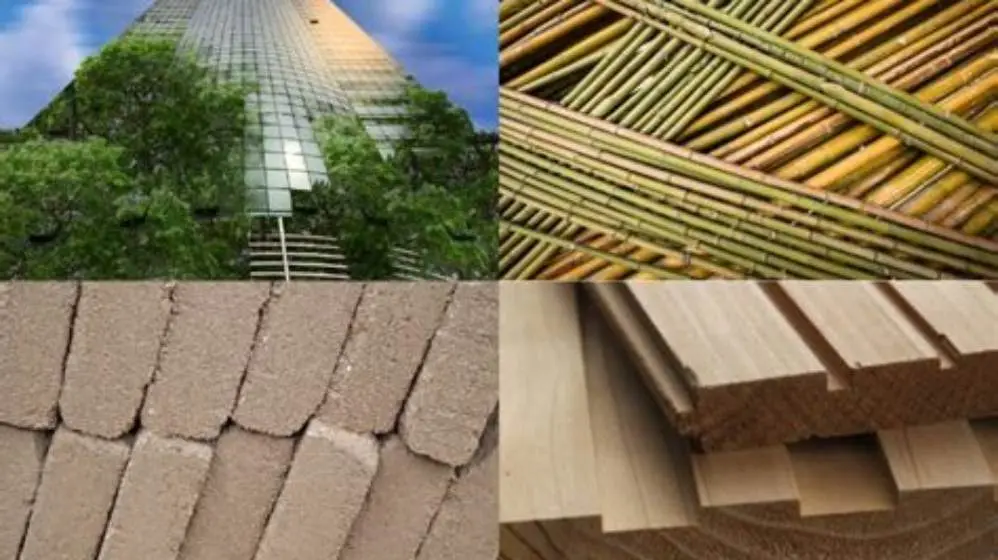
Brick walls typically have embodied carbon around 150-250 kg CO2e/m2, higher than timber frames usually at 50-100 kg CO2e/m2, but brick lasts longer and resists fire and moisture. Timber sidings with lowest embodied carbon include untreated softwoods like spruce or pine.
On this page
- Quick recap
- Brick wall embodied carbon compared to timber frame
- Timber siding with lowest embodied carbon per m2
- What finishes are available for common building materials
- Brick vs timber embodied carbon: which walls and finishes have lowest impact
- How to verify embodied carbon for brick and timber for your project
- Summary of eco-friendly finishes for wood, brick, stone, and metal
- Quick questions
Part of our guide on low voc linoleum flooring for kitchens
Quick facts
- Brick embodied carbon
- 150-250 kg CO2e/m²
- Timber frame embodied carbon
- 50-100 kg CO2e/m²
- Lowest carbon timber siding
- untreated spruce/pine
- Brick lifespan
- 50+ years
- Common finishes' impact
- varies widely
Quick recap
- Brick walls have 1.5-3 times more embodied carbon than timber frames per m².
- Timber siding’s carbon footprint varies widely; untreated softwoods are lowest.
- Brick’s durability can offset its higher initial embodied carbon over decades.
- Finishes affect lifetime impact; mineral and natural finishes are best.
- Embodied carbon depends heavily on transport, production method, and lifespan assumptions.
Brick wall embodied carbon compared to timber frame
The embodied carbon of a brick wall generally falls between 150 and 250 kg CO2e per square meter, depending on brick type, manufacturing energy, and transport distance. This range assumes fired clay bricks common in many regions. The production of bricks is energy-intensive and releases significant CO2, mostly from firing ovens at high temperatures.
By contrast, timber frame walls usually have embodied carbon in the range of 50 to 100 kg CO2e per square meter, varying greatly with the species of wood, harvesting methods, and processing. Some timber comes with carbon sequestration credit, because growing trees absorb CO2, which can partly offset emissions from processing and transport.
Even though timber frames show lower embodied carbon, bricks deliver longer durability and better resistance to fire and moisture, factors that can extend a building’s lifespan and reduce replacement or repair emissions over decades. This makes a direct carbon comparison context-dependent.
The embodied carbon value depends heavily on whether bricks are made locally or imported, and the energy source used in firing. Timber impact varies with growing practices and transport. If you want a precise figure for your location, ask suppliers for Environmental Product Declarations (EPDs) or conduct a supply chain carbon audit. People in this spot often ask about how can a building be sustainable as well.
- high durability
- fire resistant
- low maintenance
- high embodied carbon
- energy-intensive firing
- heavy transport emissions
Timber siding with lowest embodied carbon per m2
Timber siding’s embodied carbon ranges widely from 20 to 80 kg CO2e per square meter, depending on species, treatment, and finishing. Untreated softwoods like spruce and pine are usually at the low end because they require less processing and chemicals.
Hardwoods and treated woods have higher embodied carbon due to longer growth periods and energy in chemical treatments. However, treatments may improve durability and thus extend lifespan, potentially balancing out the initial carbon cost if the siding lasts significantly longer.
The carbon footprint also depends on transport distance. Locally sourced timber drastically reduces embodied carbon compared to imported products. And timber that comes from sustainably managed forests may count as carbon-neutral or even negative over its lifecycle. It helps to understand choosing eco-friendly insulation before going further.
For a low carbon footprint, pick untreated or lightly treated softwoods from certified sustainable sources. If durability is critical, check the treatment’s environmental impact. Suppliers often provide carbon data or sustainability certificates that help make an informed choice.
- Softwoods spruce/pine– lowest carbon, untreated
- Hardwoods– higher carbon, longer lifespan
- Chemical treatments– increase carbon footprint
- Locally sourced timber– reduces transport emissions
- Sustainably managed forests– significant carbon offset
- low embodied carbon if untreated
- lightweight and easy to install
- potential carbon sequestration
- susceptible to rot and insects untreated
- requires maintenance or treatment
- variable lifespan impacts carbon balance
What finishes are available for common building materials
Finishing materials influence a building’s overall carbon footprint and durability. For wood, finishes range from natural oils and waxes to chemical stains and paints. Natural finishes like linseed oil or beeswax have low embodied carbon but typically need reapplication every 3-5 years.
Brick finishes often use mineral-based paints, silicate coatings, or lime washes, all of which have relatively low carbon footprints compared to synthetic paints. These finishes protect brick from weathering without sealing in moisture, which preserves longevity. For the detail, see our notes on how 'green' is using wood as a material.
Stone may be left natural or finished with breathable sealers or lime-based products, which keep the stone’s moisture balance and reduce decay risk. Metal finishes include powder coating or galvanizing, which extend lifespan but add embodied carbon depending on process and material.
Choosing finishes requires balancing low initial embodied carbon against long-term maintenance. Mineral and natural finishes often win on carbon because they last longer and require fewer reapplications.
| Material | Finish Type | Embodied Carbon (kg CO2e/m²) | Typical Lifespan (years) |
|---|---|---|---|
| Wood | Natural oils/waxes | 0.5-2 | 3-5 |
| Wood | Chemical stains/paints | 5-15 | 7-15 |
| Brick | Mineral paints/silicate | 3-7 | 10-20 |
| Brick | Synthetic paints | 10-20 | 8-12 |
| Stone | Breathable sealers/lime | 4-8 | 15-30 |
| Metal | Powder coating/galvanizing | 20-40 | 20-30 |
Brick vs timber embodied carbon: which walls and finishes have lowest impact
Brick walls typically have higher embodied carbon than timber frames, but offer longer service life and robustness. Timber frames, especially with low-impact siding like untreated spruce, offer lower embodied carbon upfront but may need more maintenance and replacement finishes. Before you commit to anything, it is worth looking at is bamboo flooring eco friendly.
When finishes are factored in, natural or mineral finishes on either material keep embodied carbon low over building life. Synthetic finishes on timber increase its embodied carbon closer to or above brick levels over time.
If your priority is minimizing carbon emissions and you can ensure maintenance, timber with untreated softwood siding scored lowest in embodied carbon per square meter including finishes. If you want a robust, low-maintenance build that lasts many decades, brick with mineral finishes may have lower total carbon impact over 50 years or more.
This trade-off implies you should measure embodied carbon alongside durability and maintenance cycles. The best choice depends on your local climate, availability of materials, and willingness to maintain. We cover plaster mix and drying for humid rooms in its own article.
| Wall Type | Wall Embodied Carbon | Finish Embodied Carbon | Total Embodied Carbon Estimate |
|---|---|---|---|
| Brick wall with mineral finish | 150-250 | 3-7 | 153-257 |
| Timber frame with untreated softwood siding and natural finish | 50-100 | 0.5-2 | 50.5-102 |
| Timber frame with treated hardwood siding and synthetic finish | 70-120 | 10-20 | 80-140 |
- brick offers endurance and fire resistance
- timber minimizes upfront carbon emissions
- natural finishes keep impact low
- brick heavier and costlier to transport
- timber may need frequent maintenance
- treated timber raises carbon footprint
How to verify embodied carbon for brick and timber for your project
Embodied carbon figures vary by manufacturer, location, and product type. To get reliable numbers, request Environmental Product Declarations (EPDs) from your brick supplier and timber merchant. EPDs provide verified lifecycle carbon data specific to their products.
If you cannot get EPDs, use online embodied carbon databases that cover common materials in your region. These can give reasonable estimates but may lack specificity.
Another useful approach is a supply chain audit: examine transport distances, energy sources, and production methods. Local bricks fired with renewable energy and timber from managed forests with short transport typically have the lowest carbon footprints.
Consider the building lifetime and maintenance plan. Longer lifespans reduce annualized embodied carbon. A meter or gauge for assessing moisture and decay risk will help maintain timber siding and finishes, preserving embodied carbon advantages.
- Request Environmental Product Declarations (EPDs) from suppliers.
- Use regional embodied carbon databases if EPDs are unavailable.
- Assess transport distances and production energy sources.
- Plan for maintenance to extend material lifespan.
- Use moisture meters to monitor timber condition.
Summary of eco-friendly finishes for wood, brick, stone, and metal
Wood finishes ranked by embodied carbon start with natural oils and waxes, then mineral paints or stains, and finally chemical paints. Natural finishes offer low carbon but need regular renewal. Mineral finishes balance durability with environmental impact.
Brick benefits from lime washes and silicate mineral paints that allow the wall to breathe, preventing moisture buildup and decay while keeping carbon low. Avoid synthetic paints that hinder moisture transfer and add embodied carbon.
Stone’s best finishes are breathable sealers or lime-based products that preserve stone integrity and reduce repair needs. Heavy coatings or impermeable sealants often trap moisture and cause damage, increasing embodied carbon via maintenance.
Metal finishes such as galvanizing or powder coating extend the life of steel or aluminium components but add 20-40 kg CO2e per m2. Choosing recycled metals and long-lasting finishes mitigates this carbon cost over time.
- Wood: natural oils/waxes lowest carbon but short life
- Brick: mineral paints and lime washes preferred
- Stone: use breathable lime-based sealers
- Metal: galvanized or powder-coated finishes extend life
Timber frames with untreated softwood siding and natural finishes generally offer the lowest embodied carbon for walls, but brick’s durability can make it more carbon efficient over a building’s life.
Quick questions
Is brick always worse than timber for embodied carbon?
Not always. While brick generally has higher embodied carbon, its longer lifespan and low maintenance can lower total carbon impact over decades compared to timber, which may require more upkeep.
How does transport affect embodied carbon of bricks and timber?
Transport can add 10-30% of total embodied carbon, especially if materials are imported over long distances. Locally sourced materials significantly reduce transport emissions.
Are treated timber sidings always higher carbon than untreated?
Usually yes, due to chemicals and energy in treatment processes. But treatments can extend durability, which might offset carbon if siding lasts much longer before replacement.
What is the best finish to lower embodied carbon on brick walls?
Mineral-based finishes like silicate paints or lime washes have low embodied carbon and help preserve the brick, reducing future repair emissions.
Can timber siding be carbon-neutral?
If sourced from sustainably managed forests and untreated, timber siding can approach carbon neutrality due to carbon storage during tree growth, but this depends on the entire lifecycle.