Typical installed costs for domestic rainwater harvesting systems in the UK are commonly reported in broad bands: small garden or single-use systems are often in the low thousands, medium domestic systems in the mid-thousands, and larger whole-house or commercial systems in the upper thousands to low tens of thousands. Installation time commonly ranges from a day for small above-ground units to several days for larger or underground systems. The figures below are approximate, based on a synthesis of installer price lists, consumer guides and industry reports (see references).
On this page
- Quick recap
- Typical UK costs for small, medium, and large rainwater harvesting systems
- Key installation steps and typical timelines for UK rainwater harvesting
- Grants, rebates and regional variations in the UK
- How system size affects cost and installation complexity
- Essential components for a reliable and compliant system
- Regulatory compliance and how to verify it in the UK
- Quick questions
Part of our guide on high pressure low flow water pump
Quick facts
- Small system cost
- Estimate: ~£1,500–3,000 (installed; garden/toilet use)
- Medium system cost
- Estimate: ~£3,000–6,000 (installed; whole-house light use/irrigation)
- Large system cost
- Estimate: ~6,000–15,000+ (installed; whole-house, commercial, or multi-point supply)
- Installation time
- From 1 day (small) to several days (large/underground)
- Potential grants
- Regional and conditional; check local providers and councils
Quick recap
- Typical installed cost bands are estimates based on marketplace surveys and industry guidance
- Installation steps: assessment, groundworks/base, tank delivery, connections, pump/controller fitting and commissioning
- Grants and rebates vary by region and change frequently: check local water company and council schemes
- System sizing should match roof catchment and water demand to avoid oversizing
- Verify compliance with UK Building Regulations, Water Regulations and electrical safety (Part P)
Typical UK costs for small, medium, and large rainwater harvesting systems
Costs vary by tank type and size, pump and filter specification, groundworks, plumbing complexity, access, and local labour rates. The bands given here are approximate and derived from a review of installer quotes, consumer articles and industry guidance (see References). They are intended as preparatory budgeting figures rather than guaranteed quotes.
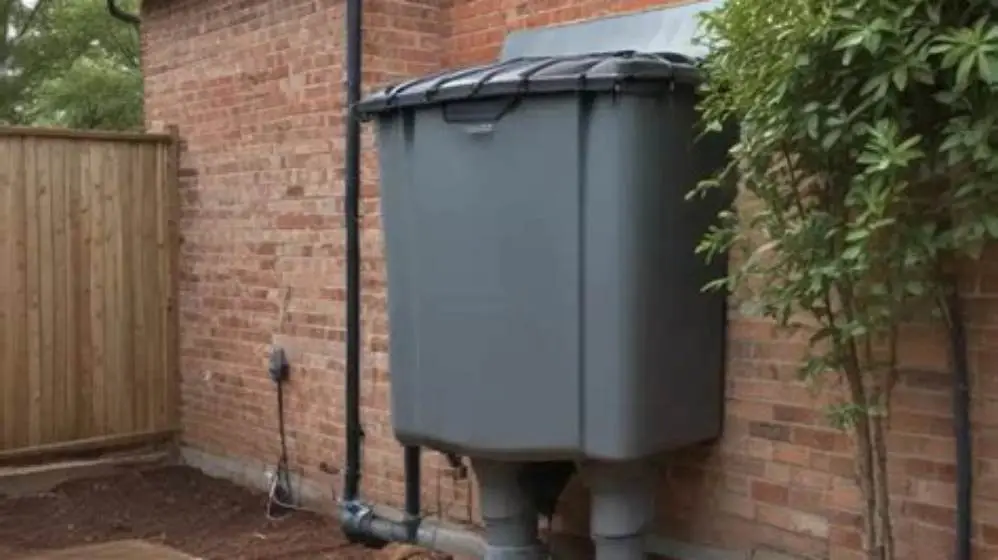
Small domestic systems: intended for garden watering and simple outdoor use, or for single-point indoor fixtures (e.g. a toilet). Typical installed costs reported in the marketplace are around £1,500–£3,000. These usually include a single polyethylene tank (2,000–3,000 litres or smaller), a simple first-flush device and a basic pump.
Medium systems: sized for a household that wants to use harvested rainwater for toilets, garden irrigation and possibly washing machines. Market summaries place these commonly between about £3,000 and £6,000 installed. They generally use larger polyethylene tanks or multiple tanks, higher-spec filtration and a pressure pump or pressure vessel.
Large systems: these cover whole-house supply, multiple properties or commercial/landscape irrigation. Reported installed costs vary widely with site complexity; typical ranges in industry sources start from around £6,000 and can reach into the low tens of thousands for extensive systems with underground concrete tanks, automation, and complex plumbing. There is more on rainwater harvesting tank size for roof area 1500 sqft in a separate guide.
Factors that move a project to the higher end include concrete tanks or heavy-duty steel, restricted access (requiring crane or specialist plant), deep excavation, integrated controls, multiple distribution points, and additional civil or building work to integrate with existing drainage and plumbing.
| System size | Common tank volume (litres) | Indicative cost range (£, installed) | Typical uses |
|---|---|---|---|
| Small | 500–3,000 | £1,500–3,000 | Garden irrigation, single sanitary fixtures |
| Medium | 3,000–8,000 | £3,000–6,000 | Toilets, garden, occasional laundry |
| Large | 8,000+ | £6,000–15,000+ | Whole-house supply, commercial irrigation |
Key installation steps and typical timelines for UK rainwater harvesting
A typical installation sequence is: site assessment and system design; groundworks or base preparation; tank delivery and placement; connection of filters, gutters/downpipes and overflow; pump, control and plumbing connections; testing and commissioning. Time required depends on access, ground conditions and system scale.
Small above-ground systems may be supplied and connected in a single day. Medium domestic systems requiring trenches and plumbing typically take 1–3 days on site. Larger projects with excavation for underground tanks, concrete bases or crane lifts often take several days to a week, plus additional time for any required inspections or finishing work. If that sounds like your situation, read up on understanding air source heat pump expenses next.
Ground conditions and weather affect the timeline. Hard or rocky ground, restricted access, or the need for temporary traffic management (for large crane lifts) will extend installation time. Plan for contingencies, and ask your installer for a written programme.
When electrical work is required for pumps or controls, it must be carried out or signed off by a suitably qualified electrician. If domestic electrical installations are altered, check Part P requirements and whether building control notification or a registered electrician’s certification is needed.
System commissioning typically includes leak and pressure testing, verification of overflow routing, operation checks for pumps and controls, and instruction to the owner on maintenance routines. If that sounds like your situation, read up on uk home water saving guide next.
- Site assessment and planning
- Groundworks and base preparation
- Tank delivery and installation
- Connection of gutters, filters, and plumbing
- Pump and control installation
- System testing and commissioning
Grants, rebates and regional variations in the UK
Funding and incentive availability is regional and changes frequently. Some local councils, devolved administrations and water companies have offered grants, rebates, or low-interest loans for water-efficiency measures, but schemes vary in scope and duration. Always check the current offerings from your local council and water supplier before committing to purchase.
The national Green Homes Grant closed in 2021 and should not be treated as a current source of funding. Any references to that programme in older articles are outdated; owners should look for current alternatives such as local council retrofit funds, devolved administration environmental grants, or water company conservation programmes.
Water company support: some water companies have run pilot schemes or provided advice and technical support. Because programmes are operator-specific, the correct approach is to contact your local water company (for example, Thames Water, Severn Trent, Southern Water or others as applicable to your postcode) to ask what, if any, incentives or guidance are currently available. Do not rely on historical examples without confirming directly with the supplier. It helps to understand testing laundry pump clogs before going further.
Councils and devolved governments: in Scotland, Wales and Northern Ireland, there may be different priorities and funding routes compared with England. Check your local authority’s environment or sustainability pages for current schemes.
Commercial and agricultural grants: specialist rural or agricultural grant programmes (e.g. schemes administered through regional rural payments agencies or agricultural advisory bodies) can sometimes support larger installations, but eligibility and support levels are project-specific and typically require formal application and evidence of environmental benefit.
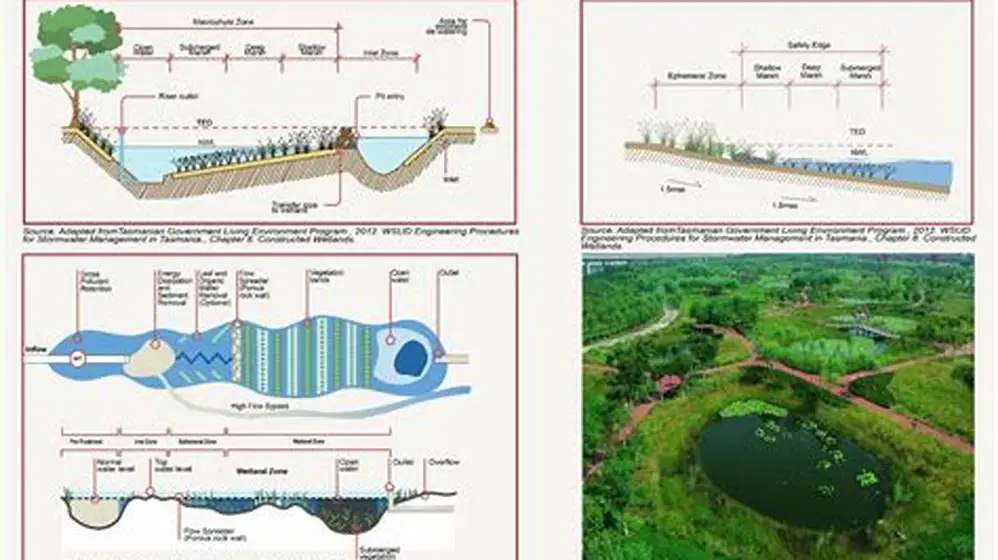
Because grant availability and amounts change, list the specific schemes you find and ask providers for application guidance and timelines. Allow several weeks to months for application, approval and any audit requirements. We cover flow rates for wetland sizing in its own article.
- Green Homes Grant: closed (do not rely on it) - search for current local retrofit grants instead
- Contact your local water company and council for up-to-date incentives
- Devolved administrations (Scotland, Wales, Northern Ireland) may have different grant programmes
How system size affects cost and installation complexity
Bigger tanks need more space and stronger bases, and they often need excavation and heavy lifting equipment. Pump and control complexity increases with multi-point supply, which raises both installation labour and component costs.
Filtration and water-quality controls become more important as intended indoor use increases, which means higher-spec filters, possible UV disinfection or secondary treatment and, correspondingly, higher capital cost and maintenance responsibility.
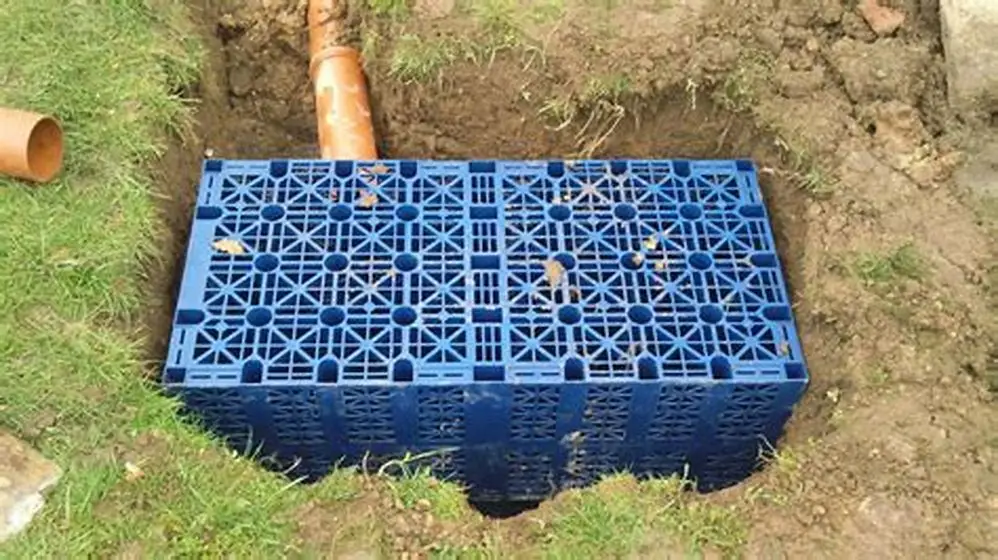
Integration with existing plumbing and compliance with Water Regulations and building control is more involved for whole-house systems. For larger or multi-dwelling systems, consult a qualified engineer to produce a design that can be evidenced to regulators and funders. We go through how to construct a soakaway for rainwater step by step elsewhere on the site.
Estimates of installation time and cost for large systems should be treated as project-specific and obtained in writing from a qualified supplier after a site survey; published indicative ranges are helpful for budgeting but not a substitute for a formal quote.
Essential components for a reliable and compliant system
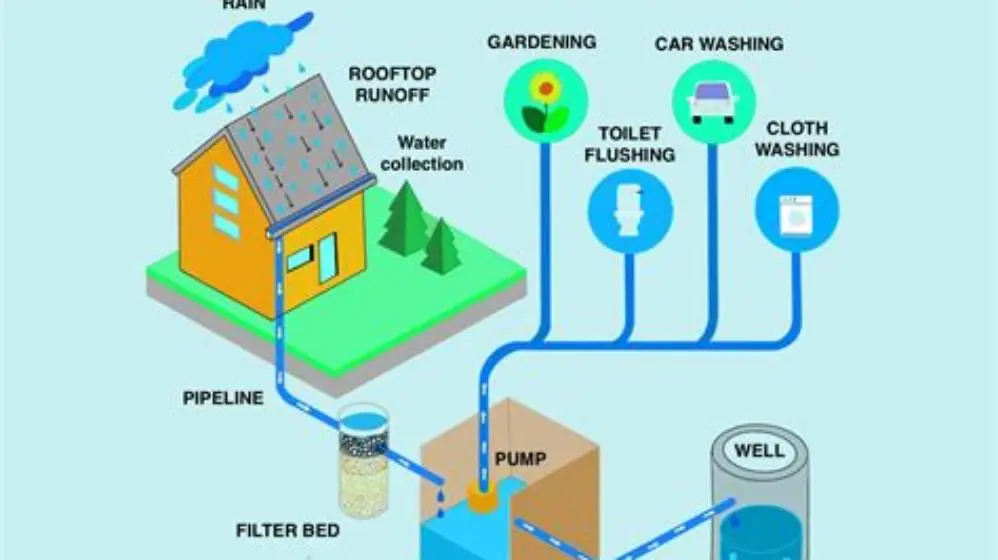
Filters and first-flush diverters to remove debris and rooftop contaminants are important for protecting pumps and reducing solids entering the tank.
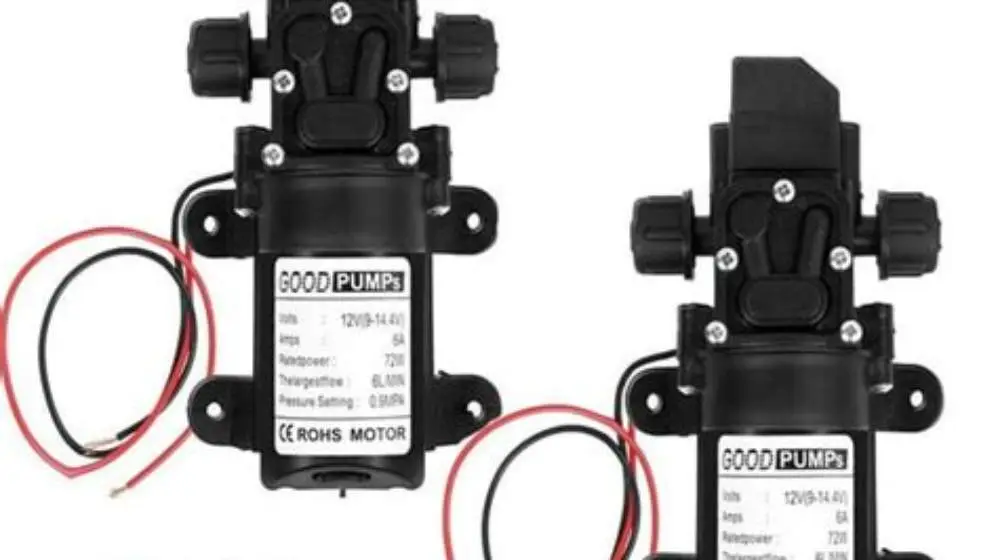
A pump or pressure vessel sized to your demand profile ensures consistent water pressure; pump selection should be made by an installer based on required flow and head.
A correctly installed overflow that routes excess water to a safe drain or soakaway is required; ensure the overflow outlet complies with local drainage rules.
Backflow prevention and compliant fittings are mandatory: use WRAS-approved products where required and ensure installers understand Water Fittings Regulations (The Water Supply (Water Fittings) Regulations 1999), which apply in England and Wales, with equivalent rules in other UK nations.
Provide for maintenance access and an operating manual; scheduled filter cleaning and periodic checks on pumps and electrical controls are part of long-term reliability.
Regulatory compliance and how to verify it in the UK
Key regulatory checks: Building Regulations (including plumbing and structural aspects), Water Regulations (Water Supply (Water Fittings) Regulations 1999 in England and Wales - check the equivalent rules for Scotland and Northern Ireland), electrical safety (Part P of the Building Regulations for electrical work in dwellings), and local drainage/permit rules for discharges or soakaways.
Use WRAS-approved fittings where required and ask your installer to confirm products are compliant. WRAS (Water Regulations Advisory Scheme) maintains a searchable list of approved fittings and suppliers (wras.uk/), which helps verify that equipment will not breach water supply regulations.
For building control matters, request a written confirmation from the installer that the work will be notified to building control where required, or engage building control yourself. If an installer says no approvals are needed, ask them to provide a reason in writing and cross-check with your local authority.
If your system discharges to surface water or a soakaway, check whether a permit or consent is needed from the local authority or the Environment Agency. For installations on shared or common drains, obtain permission from the relevant drainage authority or drainage board.
When in doubt, get a second opinion: contact your local council’s building control team and your water company’s customer or developer services teams for confirmation of local requirements.
Quick questions
How do I estimate the right size for my rainwater harvesting system in the UK?
Multiply your roof catchment area (m²) by average local rainfall depth (mm) to estimate theoretical collection volume; compare that with household demand profiles (toilet flushes, washing machine cycles, irrigation). Many installers offer a sizing calculation after a site visit. Use the result to choose a tank that balances capture with practical storage and cost.
Are there ongoing maintenance costs for rainwater harvesting systems?
Yes. Expect routine filter cleaning every few months, pump servicing or replacement over years, and periodic inspection of inlets, overflows and seals. Annual to biennial checks by a competent person are recommended; budget accordingly in running-cost calculations.
Can I install a rainwater harvesting system myself to save money?
DIY is possible for simple above-ground garden systems, but for indoor connections, electrical work or any alterations affecting drainage or mains plumbing you should use competent professionals to ensure regulatory compliance and insurance validity.
Will rainwater harvesting reduce my water bills significantly in the UK?
Savings depend on household water use, system sizing and local rainfall. Systems targeting toilet flushing and garden irrigation often reduce mains water consumption by a meaningful percentage; use a simple payback calculation based on your water tariff and estimated mains savings to decide.
What regulations must I comply with when installing a rainwater harvesting system?
You must comply with Building Regulations, Water Regulations (England & Wales), electrical safety (Part P or equivalent), and any local drainage or environmental consents. Verify compliance by checking WRAS approvals for fittings, consulting building control, and confirming any required permits with your local water company or environment agency.